
 IN
INundefined
Die Casting Machines (Hot & Cold Chamber)
10 products available
What are Die Casting Machines (Hot & Cold Chamber)?
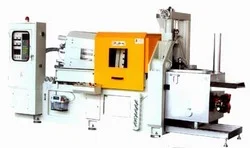
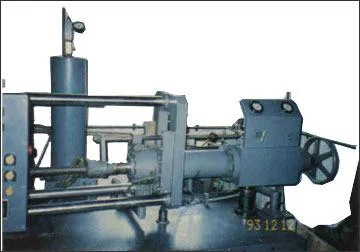
Die casting machines are specialized industrial equipment used to manufacture metal parts through the die casting process. This technique involves forcing molten metal into a reusable mold, known as a die, to create precise and complex shapes. There are two primary types of die casting machines: hot chamber and cold chamber. Hot chamber machines are typically used for low-melting-point metals such as zinc and lead, while cold chamber machines are better suited for materials with higher melting points like aluminum and magnesium.
These machines are widely used in various sectors, including automotive, aerospace, and consumer goods. They allow manufacturers to produce high volumes of parts with excellent dimensional accuracy and surface finish. Die casting is integral to industries that require durable and lightweight components, as it can significantly enhance production efficiency and reduce waste.
In the current market, die casting machines are essential for maintaining competitiveness in sectors that demand high-quality metal parts. The demand for lightweight materials and complex designs has led to advancements in this technology, making die casting machines a critical investment for manufacturers looking to innovate and expand their production capabilities.
𝗞𝗲𝘆 𝗙𝗲𝗮𝘁𝘂𝗿𝗲𝘀 𝗮𝗻𝗱 𝗦𝗽𝗲𝗰𝗶𝗳𝗶𝗰𝗮𝘁𝗶𝗼𝗻𝘀
Die casting machines are equipped with several key features that enhance their performance and efficiency. Understanding these specifications is crucial for selecting the right machine for specific manufacturing needs.
Key specifications include:
1. Machine Type
- Hot chamber or cold chamber
- Suitable for different materials based on melting points
2. Clamping Force
- Range of clamping forces available
- Determines the size and complexity of parts
3. Shot Weight
- Maximum weight of the metal shot that can be processed
- Impacts the size of the produced components
4. Cycle Time
- Average time taken for a complete cycle
- Affects production throughput and efficiency
5. Injection Pressure
- Maximum pressure applied during injection
- Critical for achieving desired part quality
6. Die Size
- Maximum die dimensions that can be accommodated
- Influences the design flexibility of parts
7. Energy Consumption
- Efficiency ratings of the machine
- Important for cost-effective operations
8. Control System
- Type of control systems used (manual, semi-automatic, automatic)
- Affects the ease of operation and precision
These features collectively contribute to the effectiveness of die casting machines in meeting manufacturing demands.
𝗖𝗼𝗺𝗺𝗼𝗻 𝗔𝗽𝗽𝗹𝗶𝗰𝗮𝘁𝗶𝗼𝗻𝘀 𝗮𝗻𝗱 𝗨𝘀𝗲 𝗖𝗮𝘀𝗲𝘀
Die casting machines find applications across various industries due to their versatility and efficiency.
1. Automotive: Die casting is extensively used to produce engine components, transmission cases, and structural parts that require high strength and precision.
2. Aerospace: Components such as brackets, housings, and fittings are manufactured using die casting to ensure lightweight and durable parts.
3. Consumer Goods: Items such as electronic housings, kitchen appliances, and toys are frequently produced using die casting techniques for their intricate designs.
4. Industrial Equipment: Parts for machinery, gearboxes, and pumps are often created through die casting to meet stringent performance standards.
5. Medical Devices: Die casting is used to manufacture precise components for medical equipment that require reliability and accuracy.
6. Construction: Structural elements and fittings for construction equipment benefit from the durability and strength provided by die casting.
7. Telecommunications: Components for devices and infrastructure are produced to ensure reliability and performance in communication technology.
𝗣𝗿𝗼𝗱𝘂𝗰𝘁 𝗩𝗮𝗿𝗶𝗮𝗻𝘁𝘀 𝗮𝗻𝗱 𝗦𝘂𝗯𝗰𝗮𝘁𝗲𝗴𝗼𝗿𝗶𝗲𝘀
Die casting machines are available in various configurations to meet different industrial needs.
Hot Chamber Machines
Hot chamber die casting machines are ideal for metals with low melting points. They offer faster cycle times and improved efficiency for materials such as zinc and lead. Their design allows for quick injection of molten metal, making them suitable for high-volume production.
Cold Chamber Machines
Cold chamber die casting machines are designed for metals with higher melting points like aluminum. They require the metal to be melted in a separate furnace before being injected into the die, making them ideal for producing complex and high-strength components.
𝗕𝗲𝗻𝗲𝗳𝗶𝘁𝘀 𝗮𝗻𝗱 𝗔𝗱𝘃𝗮𝗻𝘁𝗮𝗴𝗲𝘀
Investing in die casting machines brings several advantages to manufacturers.
1. High Precision: Die casting allows for the production of components with tight tolerances and complex geometries, reducing the need for secondary machining.
2. Cost Efficiency: The die casting process minimizes material waste and reduces production costs, especially for high-volume runs.
3. Enhanced Strength: Parts produced through die casting often exhibit superior mechanical properties, making them suitable for demanding applications.
4. Fast Production Rates: Die casting machines can produce large quantities of parts quickly, significantly improving turnaround times.
5. Versatility: The ability to work with various metals and alloys enables manufacturers to cater to diverse industry needs.
6. Improved Surface Finish: Die cast parts typically require less finishing work, resulting in a smoother surface and better overall appearance.
𝗕𝘂𝘆𝗶𝗻𝗴 𝗚𝘂𝗶𝗱𝗲 𝗳𝗼𝗿 𝗕𝟮𝗕 𝗕𝘂𝘆𝗲𝗿𝘀
When sourcing die casting machines, several factors should be considered to ensure the right choice for your manufacturing needs.
1. Quality Assessment: Evaluate the quality of the machines by reviewing technical specifications, performance metrics, and user feedback to ensure they meet industry standards.
2. Supplier Verification: Vet potential suppliers by checking their reputation, customer reviews, and compliance with relevant quality certifications to ensure reliability.
3. Pricing and MOQ: Understand the pricing structures and minimum order quantities offered by suppliers to assess budget compatibility.
4. Delivery and Lead Times: Inquire about logistics and lead times for delivery to plan production schedules effectively.
5. Compliance Requirements: Ensure that the machines meet regulatory compliance standards relevant to your industry and region.
𝗖𝗼𝗺𝗽𝗹𝗶𝗮𝗻𝗰𝗲 𝗮𝗻𝗱 𝗖𝗲𝗿𝘁𝗶𝗳𝗶𝗰𝗮𝘁𝗶𝗼𝗻𝘀
Die casting machines must adhere to various quality standards and certifications to ensure safety and reliability.
ISO 9001 is a widely recognized quality management standard that ensures manufacturers can consistently provide products that meet customer and regulatory requirements.
CE certification indicates that the machines comply with European health, safety, and environmental protection standards, enhancing their marketability in Europe.
Safety and testing requirements are crucial in the manufacturing process, ensuring that machines operate safely and efficiently.
Regional compliance considerations may vary, necessitating manufacturers to stay informed about local regulations that affect machine operation and safety.
Why Source Die Casting Machines (Hot & Cold Chamber) from Pepagora?
Pepagora offers a trusted platform for sourcing die casting machines with numerous advantages for B2B buyers.
Verified Supplier Network: Pepagora connects buyers with a network of verified suppliers, ensuring that you can find reputable manufacturers who meet quality standards.
Streamlined RFQ Process: The platform simplifies the request for quotation (RFQ) process, allowing buyers to receive competitive pricing and terms from multiple suppliers efficiently.
Trade Assurance and Support: Buyers benefit from trade assurance policies that protect their orders, providing peace of mind throughout the procurement process.
Regional Coverage: With a strong presence in regions like India, the GCC, and Southeast Asia, Pepagora facilitates access to a broad market, ensuring that you can source the right machines for your needs.
Newly Added


Recently Added
Pratishna Engineers
Manufacturing VT Series Injection Molding Machines Reliable Efficient
PET Preform Injection Molding Machine High Speed Production For Beverage Packaging
Precision Vertical Injection Molding Machine For Insert And Over Molding
Dhwani Engineering
Industrial Brass Die Castings High Strength Corrosion Heat Resistance
High Volume Production Horizontal Cold Chamber Die Casting Machine 1500KN 20000KN
Industrial Hydraulic Machines For Die Casting Grinding Injection Moulding
No.1 Hydraulics
Textile Industry Hydraulic Cotton Baling Press Machine With Direction Control Valves
Coir Processing Heavy Duty Baling Press Machine High Density Energy Efficient
Recycling Scrap Baling Press Machine For Metal Plastic Paper Waste
Asian Automation
Industrial Aluminum Frame 220x150x50mm For Prototyping Machinery
Industrial PDC Inserts Base C45/EN8 Steel 1300x1000x300mm
PDC Inserts Base For 1000 Tonne PDC Dies C45 EN8 Casted Material
Beijing Holland Tech Co. Limited
Industrial PCB Insulating Plate Press For Precision Lamination
Industrial Precision Insulation Board Sawing Machine For Clean Cuts
Industrial Transformer Insulator Precision Cardboard Batten Chamfering Machine
Kudale Iron Works
Industrial Non Return Valve Castings For Fluid Control Systems
Industrial Butterfly Valve Castings For Fluid Control Systems
Industrial Castor Wheels And Trolley Castings For Heavy Duty Applications
Sre karu industries
Screw Blades Industrial Conveyor Component for Bulk Material Handling Systems
Telescopic Chute Industrial Material Handling System for Dust Free Bulk Loading
Sand Reclamation Silo Unit 33 Ton Capacity Mild Steel Industrial Sand Storage System
Why Businesses Trust Pepagora
Thousands of companies trust Pepagora to source smarter and sell faster
Expand Your Sales Globally
25000+Products listed.Get discovered by global buyers
Tools to boost visibility
Build your own catalog

Source Smarter,Grow Faster
4000+Active RFQs
100+ Countries served
Easy Sourcing Tools
