
 IN
INundefined
Diamond Blades
15 products available
𝗪𝗵𝗮𝘁 𝗮𝗿𝗲 𝗗𝗶𝗮𝗺𝗼𝗻𝗱 𝗕𝗹𝗮𝗱𝗲𝘀?
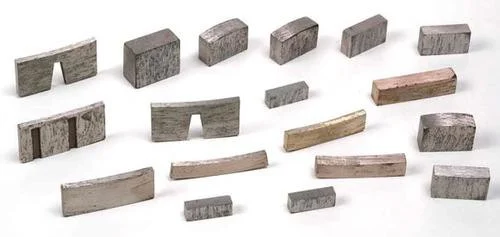
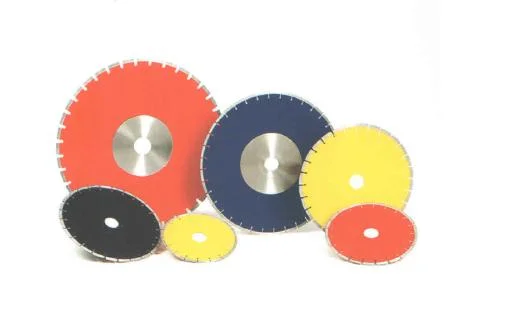
Diamond blades are cutting tools that use diamond segments on the periphery to cut through hard materials. These segments are typically made of a mixture of diamond particles and metal bonds. The result is a blade that offers exceptional durability and cutting efficiency. Diamond blades are specifically designed to handle the demands of cutting through tough materials, such as concrete, asphalt, stone, and ceramics.
In terms of applications, diamond blades are widely used in various industries, including construction, masonry, and manufacturing. They are essential for tasks like floor cutting, wall sawing, and tile cutting. The ability of diamond blades to maintain sharpness and longevity makes them an ideal choice for both professional contractors and industrial applications. As the construction and manufacturing sectors continue to grow, the demand for high-quality diamond blades remains strong.
The diamond blade market is characterized by rapid innovation and competition among manufacturers to provide higher performance products. This includes advancements in segment design and bonding technology to enhance cutting speed and efficiency. As construction methods evolve, diamond blades are becoming more specialized, catering to specific cutting needs across different industries.
𝗞𝗲𝘆 𝗙𝗲𝗮𝘁𝘂𝗿𝗲𝘀 𝗮𝗻𝗱 𝗦𝗽𝗲𝗰𝗶𝗳𝗶𝗰𝗮𝘁𝗶𝗼𝗻𝘀
Diamond blades come with a variety of features and specifications that enhance their performance. Buyers should consider these aspects to select the right blade for their applications.
Key specifications include:
1. Blade Diameter
- Common sizes range from 4 inches to 14 inches.
- Larger diameters are used for heavy-duty applications.
2. Segment Height
- Typically ranges from 10 mm to 20 mm.
- Higher segments are suitable for tougher materials.
3. Arbor Size
- Standard arbor sizes include 1 inch, 5/8 inch, and 7/8 inch.
- Arbor compatibility is crucial for mounting.
4. Bond Type
- Options include soft, medium, and hard bonds.
- The bond type affects cutting speed and material compatibility.
5. Application Type
- General-purpose, masonry, and specialized blades exist.
- Different applications require different blade designs.
6. Cooling Methods
- Some blades have cooling holes or slots.
- Enhanced cooling reduces wear and maintains performance.
7. Weight
- Varies depending on diameter and design.
- Heavier blades may offer more stability.
8. Certification
- Many blades are CE certified for quality assurance.
- Certification ensures adherence to safety standards.
In summary, understanding these features and specifications is critical for selecting the right diamond blade for specific cutting tasks.
𝗖𝗼𝗺𝗺𝗼𝗻 𝗔𝗽𝗽𝗹𝗶𝗰𝗮𝘁𝗶𝗼𝗻𝘀 𝗮𝗻𝗱 𝗨𝘀𝗲 𝗖𝗮𝘀𝗲𝘀
Diamond blades are versatile tools used across multiple industries. Their ability to efficiently cut through tough materials makes them essential in various applications.
1. Construction: In the construction industry, diamond blades are widely used for cutting concrete and asphalt. They are crucial for road construction and renovation projects.
2. Masonry: Masons use diamond blades to cut bricks, blocks, and stone. Their precision helps in achieving clean cuts for structural integrity.
3. Tile and Stone: Diamond blades are ideal for cutting ceramic and porcelain tiles. They ensure smooth edges and minimize chipping, which is vital for aesthetic applications.
4. Metalworking: Some specialized diamond blades can cut through metal materials. They provide high precision in fabrication processes.
5. Demolition: In demolition projects, diamond blades are used for cutting through reinforced concrete. Their durability allows for quick and efficient work.
6. Landscaping: Landscapers use diamond blades for cutting pavers and stones. They help create precise designs and pathways.
7. Manufacturing: In manufacturing, diamond blades are utilized for cutting various materials, enhancing production efficiency.
𝗣𝗿𝗼𝗱𝘂𝗰𝘁 𝗩𝗮𝗿𝗶𝗮𝗻𝘁𝘀 𝗮𝗻𝗱 𝗦𝘂𝗯𝗰𝗮𝘁𝗲𝗴𝗼𝗿𝗶𝗲𝘀
Diamond blades are available in various forms to cater to specific cutting needs. This diversity allows businesses to select the best option for their requirements.
General-Purpose Diamond Blades
These blades are designed for a variety of applications. They are suitable for cutting concrete, masonry, and asphalt. Their balanced performance makes them a popular choice for contractors.
Tile Diamond Blades
These specialized blades are tailored for cutting ceramic and porcelain tiles. They feature a fine tooth design that minimizes chipping and ensures clean cuts for aesthetic finishes.
Concrete Cutting Blades
Engineered specifically for heavy-duty concrete cutting, these blades are reinforced to handle tough materials. They are ideal for roadwork and construction projects.
Asphalt Blades
These blades are optimized for cutting asphalt with minimal wear. Their design allows for efficient cutting in road repair and construction applications.
𝗕𝗲𝗻𝗲𝗳𝗶𝘁𝘀 𝗮𝗻𝗱 𝗔𝗱𝘃𝗮𝗻𝘁𝗮𝗴𝗲𝘀
Diamond blades offer numerous benefits that enhance their appeal in the industrial market.
1. Durability: Diamond blades have a long lifespan due to the hardness of diamonds. This reduces the frequency of replacements.
2. Efficiency: They provide faster cutting speeds compared to traditional blades. This leads to increased productivity on job sites.
3. Precision: The design of diamond blades allows for clean and accurate cuts. This is crucial for maintaining quality in construction and manufacturing.
4. Versatility: Diamond blades can cut through a wide range of materials. This makes them suitable for various applications across different industries.
5. Cost-Effectiveness: Although the initial investment may be higher, the longevity and performance of diamond blades result in lower overall costs.
6. Reduced Chipping: Many diamond blades are designed to minimize chipping, particularly for tiles and ceramics. This ensures a better finish and reduces waste.
𝗕𝘂𝘆𝗶𝗻𝗴 𝗚𝘂𝗶𝗱𝗲 𝗳𝗼𝗿 𝗕𝟮𝗕 𝗕𝘂𝘆𝗲𝗿𝘀
When purchasing diamond blades, B2B buyers should consider several critical factors to ensure they select the right products.
1. Quality Assessment: Evaluate the quality of the blades through certifications and customer reviews. High-quality blades will offer better performance and longevity.
2. Supplier Verification: Research and vet suppliers to ensure they have a reputation for reliability. This includes checking references and previous customer experiences.
3. Pricing and MOQ: Understand the pricing structure and minimum order quantities. This helps in budgeting and ensuring supply meets demand.
4. Delivery and Lead Times: Confirm delivery schedules and lead times. Timely delivery is essential for maintaining project timelines.
5. Compliance Requirements: Be aware of industry standards and regulations that may apply to diamond blades. Compliance ensures safety and quality in operations.
𝗖𝗼𝗺𝗽𝗹𝗶𝗮𝗻𝗰𝗲 𝗮𝗻𝗱 𝗖𝗲𝗿𝘁𝗶𝗳𝗶𝗰𝗮𝘁𝗶𝗼𝗻𝘀
Compliance with industry standards is crucial for diamond blades to ensure safety and performance. Many diamond blades meet internationally recognized quality standards, such as ISO 9001, which sets forth criteria for a quality management system. Adhering to these standards ensures consistent production quality.
Additionally, diamond blades may carry certifications like CE, indicating that they comply with European safety directives. This certification assures buyers that the products meet essential health and safety requirements.
Safety and testing requirements are also vital in the manufacturing of diamond blades. Rigorous testing processes ensure that the blades perform well under various conditions, reducing the risk of failure during use.
Regional compliance considerations may vary, and buyers should ensure that their selected blades meet local regulations. This is especially important in regions with strict safety standards.
𝗪𝗵𝘆 𝗦𝗼𝘂𝗿𝗰𝗲 𝗗𝗶𝗮𝗺𝗼𝗻𝗱 𝗕𝗹𝗮𝗱𝗲𝘀 𝗳𝗿𝗼𝗺 𝗣𝗲𝗽𝗮𝗴𝗼𝗿𝗮?
Pepagora stands out as a trusted platform for sourcing diamond blades with several distinct advantages.
Verified Supplier Network: Pepagora works with a network of verified suppliers. This vetting process ensures that buyers can trust the quality and reliability of their purchases.
Streamlined RFQ Process: The platform features a streamlined Request for Quotation (RFQ) system. This makes it easy for buyers to receive competitive quotes from multiple suppliers efficiently.
Trade Assurance and Support: Pepagora offers trade assurance, providing buyers with protection and support throughout the purchasing process. This adds an extra layer of confidence when sourcing products.
Regional Coverage: With a strong presence in India, the Gulf Cooperation Council (GCC), and Southeast Asia, Pepagora provides extensive regional coverage. This geographical reach ensures that buyers can access quality diamond blades no matter their location.
Newly Added







Recently Added
Rajendra Engineering
Industrial Hydraulic Power Pack With Dual Cylinders And 1200x500mm Rolls
Industrial Heavy Duty 44 Inch Steel Roaster With Blower And Husk Separator
Heavy Duty Poha Plant 38 Inch Cast Iron Flywheel 12 Inch Rolls
Bhavani Gems
Industrial Diamonds For Precision Cutting Grinding And Drilling
Certified Diamonds For Jewelry Manufacturing And Wholesale
Premium Gem Diamonds D H Color VVS/VS Clarity Ideal Cut
Aarati Engineering & Co
Industrial Metalworking Cutting Files High Quality Steel Precision
Wire Drawing Dies Cutting And Polishing Paste For Precision Maintenance
Industrial Wire Drawing Dies Cutting Powders For Precision Metal Forming
Bhagat Ornaments
Bridal Kanchan Jhumka Earrings Traditional Wedding Jewelry
Premium Bridal Pendant 402 For Wedding Jewelry Collections
Heavy Pendant 403 Premium Jewelry Component For Distributors
Adithya Exim
Premium Co Axial Cables For Superior Signal Transmission
Fiber Optic Patch Cords Premium Plastic Molded Connectors High Speed
Fiber Optic OFC Connectors Adapters Attenuators Premium Performance
Aramex Trading Co
Professional Binding Posts Premium Swiss Screw 240 Pieces Secure Documents
Professional Dental Finishing Kit with FG Diamond Burs for Composite Restoration
Professional Dental Micromotor for Clinical Training and Practice
Varun Udyog Diamondtools
Industrial Resin Bonded Grinding Cutting Tools Durable Efficient
Industrial Precision Grinding Resin Bonded Diamond Wheels Durable
Industrial Precision Grinding Resin Metal Bond Diamond Wheels
AMRA General Trading LLC
Residential Commercial ArmorRite Casement Windows Euro Groove Multi Point Locking
Residential ArmorRite Sliding Windows Single/Double New Australian Standards
ArmorRite Bi Fold Doors Multi Point Locking Security Residential Commercial
Allys Hardware And Tools Private Limited
Professional 500W Hammer Drill 10mm Chuck 2800 RPM 47600 BPM
Professional 550W Rotary Hammer Drill 13mm Chuck 2800 RPM 47600 BPM
Industrial High Speed Rotary Hammer Drill 520W 2800 RPM 10mm Steel
Balaji Diamond Tools
Precision Grinding Balaji Single Point Diamond Dresser For Industrial Applications
Balaji Diamond Grit Impregnated Dressers For Precision Finish Grinding
Balaji Diamond Turning & Boring Tools for Non Ferrous Materials
Why Businesses Trust Pepagora
Thousands of companies trust Pepagora to source smarter and sell faster
Expand Your Sales Globally
25000+Products listed.Get discovered by global buyers
Tools to boost visibility
Build your own catalog

Source Smarter,Grow Faster
4000+Active RFQs
100+ Countries served
Easy Sourcing Tools
