
 IN
INundefined
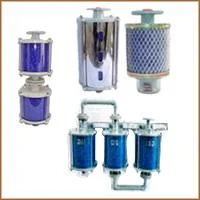
Desiccant Breathers
21 products available
𝗪𝗵𝗮𝘁 𝗮𝗿𝗲 𝗗𝗲𝘀𝗶𝗰𝗰𝗮𝗻𝘁 𝗕𝗿𝗲𝗮𝘁𝗵𝗲𝗿𝘀?
Desiccant breathers are specialized filtration devices designed to protect sensitive machinery and equipment from moisture and contaminants in the air. They operate by absorbing humidity and filtering out particulates, thereby preventing water vapor from entering oil reservoirs, gearboxes, and hydraulic systems. This process ensures that the internal components remain dry and free from corrosion, which can significantly extend the lifespan of the equipment.
These devices are commonly used in various industrial applications, including manufacturing, construction, and transportation. They are particularly important for equipment that operates in environments prone to high humidity levels. By utilizing desiccant breathers, businesses can maintain the integrity of their machinery and reduce maintenance costs associated with moisture-related damage. The increasing need for efficient moisture control across different sectors has made desiccant breathers a crucial component in industrial operations.
As industries evolve and face challenges related to environmental conditions, the demand for effective moisture management solutions, such as desiccant breathers, continues to grow. Companies are increasingly seeking reliable products that can safeguard their investments and enhance operational efficiency. The market for desiccant breathers is expanding, supported by innovations in material science and technology, positioning these devices as essential tools in modern industrial practices.
𝗞𝗲𝘆 𝗙𝗲𝗮𝘁𝘂𝗿𝗲𝘀 𝗮𝗻𝗱 𝗦𝗽𝗲𝗰𝗶𝗳𝗶𝗰𝗮𝘁𝗶𝗼𝗻𝘀
Desiccant breathers are equipped with several features that enhance their performance in moisture control and filtration. Understanding the specifications is crucial for selecting the right breather for specific applications.
Key specifications include:
1. Filtration Efficiency
- Provides effective particulate filtration to prevent contaminants from entering machinery
- Typically offers a filtration rating of 1 micron or finer
2. Moisture Absorption Capacity
- Capable of absorbing significant amounts of water vapor
- Often rated for specific volume capacities, allowing for varying durations of use
3. Operating Temperature Range
- Designed to function effectively across a broad temperature spectrum
- Common ranges are from -20°C to 80°C
4. Airflow Rate
- Ensures adequate airflow to maintain equipment performance
- Flow rates can vary based on size and application, typically measured in cubic feet per minute (CFM)
5. Material Construction
- Made from robust materials to withstand harsh environmental conditions
- Common materials include polyethylene and ABS plastic
6. Replacement Indicator
- Equipped with visual indicators to signal when the desiccant needs replacing
- Helps ensure consistent performance without manual monitoring
7. Size and Dimensions
- Available in various sizes to fit different equipment
- Custom sizes may also be available based on specific requirements
8. Certification
- Compliant with industry standards such as CE
- Ensures product safety and reliability
In summary, selecting the right desiccant breather involves understanding these key features and specifications, which can greatly impact the effectiveness and longevity of machinery.
𝗖𝗼𝗺𝗺𝗼𝗻 𝗔𝗽𝗽𝗹𝗶𝗰𝗮𝘁𝗶𝗼𝗻𝘀 𝗮𝗻𝗱 𝗨𝘀𝗲 𝗖𝗮𝘀𝗲𝘀
Desiccant breathers find applications across a wide range of industries, ensuring moisture control and equipment protection.
1. Manufacturing: In manufacturing plants, desiccant breathers are used to protect hydraulic systems and lubrication reservoirs, ensuring consistent operation and reducing the risk of equipment failure.
2. Construction: Heavy machinery on construction sites is often exposed to varying weather conditions. Desiccant breathers help maintain optimal performance by preventing moisture ingress.
3. Transportation: In the transport sector, these devices are utilized in vehicles and equipment to protect sensitive electronic components and ensure reliable operation in humid environments.
4. Oil and Gas: Desiccant breathers are critical in the oil and gas industry, where they protect pumps and compressors from moisture, which can lead to corrosion and operational inefficiencies.
5. Marine: In maritime applications, these breathers are used to safeguard equipment on ships from saltwater and humidity, extending their operational life.
6. Power Generation: Power plants use desiccant breathers to prevent moisture buildup in transformers and other electrical equipment, enhancing reliability and efficiency.
7. Food and Beverage: In the food and beverage industry, these devices help maintain the quality of products by controlling moisture levels in storage and processing equipment.
𝗣𝗿𝗼𝗱𝘂𝗰𝘁 𝗩𝗮𝗿𝗶𝗮𝗻𝘁𝘀 𝗮𝗻𝗱 𝗦𝘂𝗯𝗰𝗮𝘁𝗲𝗴𝗼𝗿𝗶𝗲𝘀
Desiccant breathers come in various configurations to meet the diverse needs of different industries. Each variant offers unique features tailored for specific applications.
Standard Desiccant Breathers
These are the most common types used across various industries. They come with a robust design and are effective at moisture absorption and particulate filtration, making them suitable for general applications.
High-Capacity Desiccant Breathers
Designed for high-demand environments, these breathers have enhanced moisture absorption capabilities. They are ideal for large machinery and equipment that operate under extreme conditions.
Compact Desiccant Breathers
These variants are specifically designed for smaller equipment where space is limited. Despite their size, they maintain high efficiency in moisture control and are easy to install.
Custom Desiccant Breathers
For unique applications, custom desiccant breathers can be designed to meet specific requirements. This flexibility allows businesses to address particular challenges in moisture management.
𝗕𝗲𝗻𝗲𝗳𝗶𝘁𝘀 𝗮𝗻𝗱 𝗔𝗱𝘃𝗮𝗻𝘁𝗮𝗴𝗲𝘀
Desiccant breathers offer several key advantages that contribute to improved operational efficiency and equipment longevity.
1. Enhanced Equipment Protection: By preventing moisture ingress, desiccant breathers safeguard machinery from corrosion and wear, extending its operational life.
2. Reduced Maintenance Costs: With effective moisture control, businesses can lower maintenance expenses associated with equipment failures and repairs.
3. Improved Operational Efficiency: Keeping machinery dry ensures optimal performance, reducing downtime caused by moisture-related issues.
4. Easy Installation: Desiccant breathers are generally easy to install and replace, minimizing disruption to operations during maintenance.
5. Versatile Applications: Their adaptability makes them suitable for various industries, ensuring broad usability across different equipment types.
6. Environmental Compliance: Utilizing desiccant breathers helps companies meet environmental standards by controlling emissions related to equipment operation.
𝗕𝘂𝘆𝗶𝗻𝗴 𝗚𝘂𝗶𝗱𝗲 𝗳𝗼𝗿 𝗕𝟮𝗕 𝗕𝘂𝘆𝗲𝗿𝘀
When sourcing desiccant breathers, B2B buyers should consider several critical factors to ensure they make informed decisions.
1. Quality Assessment: It is essential to evaluate the quality of desiccant breathers based on material durability, filtration efficiency, and moisture absorption capacity. Look for products that meet industry standards.
2. Supplier Verification: Vetting suppliers is crucial to ensure reliability. Check for certifications, customer reviews, and their track record in the industry.
3. Pricing and MOQ: Understand the pricing structure of desiccant breathers and inquire about minimum order quantities. This helps in budgeting and planning purchases effectively.
4. Delivery and Lead Times: Be aware of the logistics involved in sourcing. Ask suppliers about their delivery timelines to ensure timely availability of products.
5. Compliance Requirements: Ensure that the desiccant breathers comply with relevant industry regulations and standards. This is vital for maintaining operational integrity and safety.
𝗖𝗼𝗺𝗽𝗹𝗶𝗮𝗻𝗰𝗲 𝗮𝗻𝗱 𝗖𝗲𝗿𝘁𝗶𝗳𝗶𝗰𝗮𝘁𝗶𝗼𝗻𝘀
Desiccant breathers must meet various compliance standards to ensure safety and reliability. Key relevant standards include ISO 9001, which focuses on quality management systems, and HACCP, which emphasizes food safety in applicable industries. Additionally, CE certification is often required, indicating that the product meets European safety standards.
Testing requirements are also essential to guarantee that the breathers perform efficiently under different conditions. Manufacturers typically conduct rigorous testing to ensure that their products withstand environmental challenges, including humidity and temperature fluctuations.
Regional compliance considerations may vary, so it is critical for buyers to understand local regulations that apply to the use of desiccant breathers in their specific industries. This ensures that the products sourced are not only effective but also compliant with safety and quality guidelines.
𝗪𝗵𝘆 𝗦𝗼𝘂𝗿𝗰𝗲 𝗗𝗲𝘀𝗶𝗰𝗰𝗮𝗻𝘁 𝗕𝗿𝗲𝗮𝘁𝗵𝗲𝗿𝘀 𝗳𝗿𝗼𝗺 𝗣𝗲𝗽𝗮𝗴𝗼𝗿𝗮?
Pepagora provides a trusted platform for sourcing desiccant breathers, offering several key advantages that benefit B2B buyers.
Verified Supplier Network: Pepagora ensures that all suppliers in its network have been verified for reliability and quality. This rigorous vetting process helps businesses find high-quality products with confidence.
Streamlined RFQ Process: The platform features a streamlined request-for-quotation (RFQ) system, allowing buyers to easily compare prices and specifications from multiple suppliers. This simplifies the procurement process and saves time.
Trade Assurance and Support: Pepagora offers trade assurance to protect buyers, ensuring that their transactions are secure and that they receive the products as described. Customer support is readily available to assist with any inquiries or issues.
Regional Coverage: With a focus on geographic regions such as India, the GCC, and Southeast Asia, Pepagora facilitates connections between buyers and suppliers across diverse markets. This allows businesses to tap into local resources while benefiting from a broader selection of desiccant breathers.
Newly Added




Recently Added
International Crafford Tools
Industrial Gauge Isolator Valves For Pressure Surge Protection
Industrial Hydraulic Valves Double Lock Check Single Lock Inline
Industrial Multi Station Gauge Isolator Valves For Fluid Control
Yogya Enterprises
Industrial Oil Tank Breathers For Petrol Diesel Chemical Storage Safety
Magnetic Oil Level Gauge SO 10 250mm Dial for Power Transformers
Industrial Power Transformer Magnetic Oil Level Gauge SO 6 150mm IP 55
Arihant Sales Corporation
Industrial Piping Premium Weld Couplings Durable High Strength
Industrial Check Valves Zero Backflow Leakage Hydraulic Systems
Industrial Metal Needle Valves For High Pressure Flow Control Up To 350 Bar
Ashish Engineering
Industrial C.S. Rollers Premium Durability Anti Tearing Wear Resistant
Industrial Conveyor Bi Directional Rollers For Material Handling
Industrial Power Transformer Aluminum Breather For Moisture Protection Up To 2000 KVA
Alpha Trading Co. Kolkata
Industrial Riveting Hammer For Metalworking Assembly And Construction
Industrial Automatic Drain Valves For Compressed Air Systems
Industrial Moisture Separators For Compressed Air And Gas Systems
Blinex Filter Coat Pvt. Ltd
Industrial PTFE Coated Fasteners For Corrosion Resistance
Fluoropolymer Coated Studs For Oil Gas Chemical Marine Applications
Industrial Fluoropolymer Coated Bolts For Chemical And Marine Use
deepak ind hydraulics
DC Hydraulic Power Pack 12V/24V 1 5cc Flow For Mobile Equipment
Industrial Hydraulic AC Power Packs For Automation And Machinery
Industrial Hydraulic Gear Pumps For Machinery Fluid Transfer
Why Businesses Trust Pepagora
Thousands of companies trust Pepagora to source smarter and sell faster
Expand Your Sales Globally
25000+Products listed.Get discovered by global buyers
Tools to boost visibility
Build your own catalog

Source Smarter,Grow Faster
4000+Active RFQs
100+ Countries served
Easy Sourcing Tools
