
 IN
INundefined
Dehorning Equipment
1 products available
𝗪𝗵𝗮𝘁 𝗮𝗿𝗲 𝗗𝗲𝗵𝗼𝗿𝗻𝗶𝗻𝗴 𝗘𝗾𝘂𝗶𝗽𝗺𝗲𝗻𝘁?
Dehorning equipment refers to specialized tools and machinery designed to safely and effectively remove the horns of livestock, such as cattle and goats. The process of dehorning is essential for various reasons, including improving animal safety, facilitating herd management, and enhancing the welfare of both livestock and handlers. These tools can range from manual devices to more advanced mechanical systems that offer precision and efficiency during the dehorning procedure.
The primary uses of dehorning equipment extend across industries involved in livestock management, dairy farming, and veterinary services. Farmers and veterinarians use these tools to prevent injuries caused by horns during feeding, transportation, and social interactions among animals. The dehorning process also helps to mitigate risks associated with injuries to workers and other animals. As the agricultural sector continues to evolve, the demand for effective dehorning solutions has grown, emphasizing the importance of reliable equipment in ensuring animal safety and operational efficiency.
The relevance of dehorning equipment in the agricultural industry cannot be overstated. With increasing awareness of animal welfare and safety regulations, proper dehorning practices have become a crucial aspect of livestock management. Consequently, the market for this equipment is developing, with innovations aimed at improving usability and effectiveness. As farmers seek to enhance productivity while adhering to safety standards, the demand for high-quality dehorning tools remains strong.
𝗞𝗲𝘆 𝗙𝗲𝗮𝘁𝘂𝗿𝗲𝘀 𝗮𝗻𝗱 𝗦𝗽𝗲𝗰𝗶𝗳𝗶𝗰𝗮𝘁𝗶𝗼𝗻𝘀
Dehorning equipment comes with various features and specifications that cater to the needs of livestock handlers and veterinarians. These specifications determine the performance, safety, and usability of the tools.
Key specifications include:
1. Type of Tool
- Manual or mechanical options available
- Varying levels of automation for ease of use
2. Blade Material
- Stainless steel or high-carbon steel for durability
- Options for replaceable blades to maintain sharpness
3. Size and Weight
- Compact designs for easy handling
- Lightweight options for reduced operator fatigue
4. Safety Features
- Ergonomic grips to ensure secure handling
- Safety locks to prevent accidental usage
5. Heat Source (for cauterizing)
- Electric or gas-powered options for cauterizing horns
- Temperature control features to prevent injury
6. Maintenance Requirements
- Easy cleaning and maintenance procedures
- Availability of spare parts for long-term use
7. Compliance Standards
- Adherence to safety and quality standards relevant to the region
8. Warranty and Support
- Manufacturer warranties or guarantees
- Availability of customer support services
These features contribute to the overall effectiveness and reliability of dehorning equipment, ensuring that livestock handlers can perform the procedure safely and efficiently.
𝗖𝗼𝗺𝗺𝗼𝗻 𝗔𝗽𝗽𝗹𝗶𝗰𝗮𝘁𝗶𝗼𝗻𝘀 𝗮𝗻𝗱 𝗨𝘀𝗲 𝗖𝗮𝘀𝗲𝘀
Dehorning equipment is utilized across several key industries, each with specific applications that enhance livestock management.
1. Dairy Farming: In dairy farming, dehorning is performed to reduce the risk of injuries among animals and workers. It allows for smoother handling of animals during milking and transportation processes.
2. Veterinary Services: Veterinarians use dehorning equipment to ensure the procedure is conducted safely and humanely. Proper dehorning is essential for animal health and welfare.
3. Livestock Production: In livestock production systems, dehorning helps to minimize aggressive behavior among animals, leading to a more harmonious environment for both animals and handlers.
4. Animal Breeding: Breeders often dehorn animals to meet market preferences, as hornless livestock can be more desirable for certain consumers.
5. Research Facilities: In agricultural research centers, dehorning may be necessary for studies focusing on animal behavior and welfare, requiring precise and reliable tools.
6. Livestock Shows: Dehorning is often a requirement for livestock shows and competitions, where animals are judged based on conformation and behavior.
7. Petting Zoos and Educational Farms: Dehorning equipment is used in educational settings to ensure safe interactions between animals and the public.
𝗣𝗿𝗼𝗱𝘂𝗰𝘁 𝗩𝗮𝗿𝗶𝗮𝗻𝘁𝘀 𝗮𝗻𝗱 𝗦𝘂𝗯𝗰𝗮𝘁𝗲𝗴𝗼𝗿𝗶𝗲𝘀
Dehorning equipment offers a variety of options to cater to different needs and preferences in livestock management.
Manual Dehorning Tools: These tools are designed for easy handling and precision control. They allow operators to conduct dehorning with minimal equipment, making them suitable for small-scale farmers.
Electric Dehorning Equipment: This variant includes tools powered by electricity, providing efficient and consistent performance. Electric dehorners often come with features that reduce the risk of injury and enhance the overall dehorning process.
Gas-Powered Dehorners: These devices utilize gas for cauterizing, offering portability and effectiveness in various field conditions. They are ideal for larger operations that require mobility.
𝗕𝗲𝗻𝗲𝗳𝗶𝘁𝘀 𝗮𝗻𝗱 𝗔𝗱𝘃𝗮𝗻𝘁𝗮𝗴𝗲𝘀
Dehorning equipment provides several advantages that contribute to improved livestock management.
1. Enhanced Safety: Proper dehorning reduces the risk of injuries among animals and handlers, promoting a safer working environment.
2. Improved Animal Welfare: Dehorning helps to minimize pain and stress in livestock when performed correctly, aligning with modern animal welfare standards.
3. Increased Productivity: With reduced aggressive behavior among animals, productivity can increase in dairy and meat production systems.
4. Simplified Handling: Dehorned animals are easier to manage during feeding, transportation, and veterinary care.
5. Compliance with Regulations: Utilizing proper dehorning equipment ensures adherence to industry regulations and standards regarding animal safety.
6. Long-Term Cost Savings: Investing in high-quality dehorning tools can lead to reduced veterinary costs and improved herd management.
𝗕𝘂𝘆𝗶𝗻𝗴 𝗚𝘂𝗶𝗱𝗲 𝗳𝗼𝗿 𝗕𝟮𝗕 𝗕𝘂𝘆𝗲𝗿𝘀
When sourcing dehorning equipment, it is essential to consider various factors to ensure a wise investment.
1. Quality Assessment: Evaluate the quality of materials and construction. Look for tools that have a proven track record of durability and effectiveness in the field.
2. Supplier Verification: Vet suppliers to ensure they are reputable and provide reliable products. Consider checking reviews and seeking recommendations within the industry.
3. Pricing and Minimum Order Quantity (MOQ): Understand the pricing structure and any minimum order requirements. Compare prices from different suppliers to find the best value.
4. Delivery and Lead Times: Assess logistics and delivery options. Ensure that suppliers can meet your timelines to avoid disruptions in operations.
5. Compliance Requirements: Be aware of any regulatory standards that the equipment must meet in your region. Compliance ensures safety and legality in livestock management.
𝗖𝗼𝗺𝗽𝗹𝗶𝗮𝗻𝗰𝗲 𝗮𝗻𝗱 𝗖𝗲𝗿𝘁𝗶𝗳𝗶𝗰𝗮𝘁𝗶𝗼𝗻𝘀
Dehorning equipment is subject to various compliance and certification standards that assure product quality and safety.
Many manufacturers adhere to ISO 9001, which outlines quality management systems. Compliance with HACCP (Hazard Analysis and Critical Control Points) is also relevant, particularly in the food production context, to ensure safety throughout the livestock supply chain.
Some dehorning tools carry CE certification, indicating that they meet European safety, health, and environmental protection standards.
Additionally, dehorning equipment must pass specific safety and testing requirements to ensure that they function effectively without posing risks to animals or operators.
Regional compliance considerations may vary, so it is essential for buyers to be aware of local regulations governing animal care and farm equipment safety.
𝗪𝗵𝘆 𝗦𝗼𝘂𝗿𝗰𝗲 𝗗𝗲𝗵𝗼𝗿𝗻𝗶𝗻𝗴 𝗘𝗾𝘂𝗶𝗽𝗺𝗲𝗻𝘁 𝗳𝗿𝗼𝗺 𝗣𝗲𝗽𝗮𝗴𝗼𝗿𝗮?
Pepagora provides a trusted platform for sourcing dehorning equipment, offering numerous advantages for B2B buyers.
Verified Supplier Network: Pepagora collaborates with a network of verified suppliers to ensure that all products meet rigorous quality and safety standards. This verification process helps buyers make informed decisions.
Streamlined RFQ Process: The request for quotation (RFQ) system simplifies the procurement process. Buyers can easily request quotes from multiple suppliers, allowing for better comparisons and selection.
Trade Assurance and Support: Pepagora offers trade assurance and support services to protect buyers throughout the purchasing process. This commitment to buyer protection fosters confidence in transactions.
Regional Coverage: With a strong presence in India, the GCC, and Southeast Asia, Pepagora facilitates access to a wide range of suppliers and products. This geographic reach enables buyers to find suitable dehorning equipment tailored to their specific needs and local regulations.
Newly Added


Recently Added
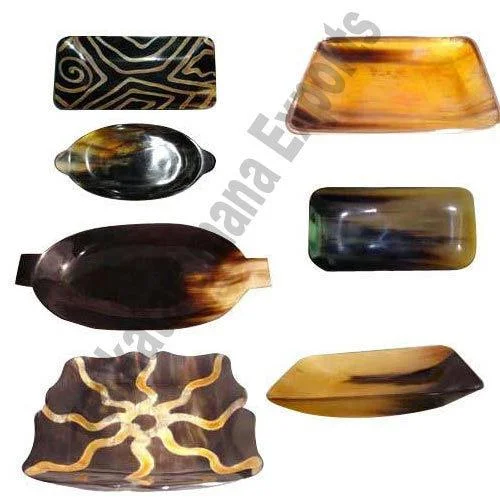
Venkataramana Exports
Premium OEM Horn Mugs Smooth Finish Superior Quality Standard Drinkware
OEM Buffalo Horn Button Blanks For Textiles And Apparels
OEM Cow Horn Button Blanks For Fashion And Accessories
Why Businesses Trust Pepagora
Thousands of companies trust Pepagora to source smarter and sell faster
Expand Your Sales Globally
25000+Products listed.Get discovered by global buyers
Tools to boost visibility
Build your own catalog

Source Smarter,Grow Faster
4000+Active RFQs
100+ Countries served
Easy Sourcing Tools
