
 IN
INundefined
Decorative Metal Panels
4 products available
𝗪𝗵𝗮𝘁 𝗮𝗿𝗲 𝗗𝗲𝗰𝗼𝗿𝗮𝘁𝗶𝘃𝗲 𝗠𝗲𝘁𝗮𝗹 𝗣𝗮𝗻𝗲𝗹𝘀?
Decorative metal panels are architectural elements crafted from various metals, designed to enhance the aesthetic appeal of both interior and exterior spaces. These panels come in a variety of styles, textures, and finishes, allowing for significant design flexibility. They can be perforated, embossed, or printed, providing unique visual effects and functional benefits such as durability and weather resistance.
Primarily, decorative metal panels are used in commercial and residential applications, including facades, wall coverings, ceilings, and partitions. They are favored in industries such as architecture, interior design, and construction for their versatility and modern appeal. The market for decorative metal panels is growing, driven by increasing demand for sustainable materials and innovative designs that meet contemporary architectural standards.
In recent years, the decorative metal panel industry has seen a shift towards customization and personalization, catering to the unique needs of various projects. As businesses seek to differentiate their offerings, these panels have become a popular choice for creating distinctive environments.
𝗞𝗲𝘆 𝗙𝗲𝗮𝘁𝘂𝗿𝗲𝘀 𝗮𝗻𝗱 𝗦𝗽𝗲𝗰𝗶𝗳𝗶𝗰𝗮𝘁𝗶𝗼𝗻𝘀
Decorative metal panels are characterized by their unique design features and robust specifications. These panels can be tailored to meet specific requirements, making them suitable for a wide range of applications.
Key specifications include:
1. Material Type
- Common materials include aluminum, stainless steel, and copper.
- Each material offers different aesthetic qualities and durability levels.
2. Thickness
- Panel thickness typically ranges from 1mm to 5mm.
- Thicker panels provide enhanced durability and sound insulation.
3. Surface Finish
- Available finishes include powder-coated, anodized, and brushed.
- Surface finishes impact both appearance and resistance to weathering.
4. Design Options
- Custom designs can include intricate patterns, textures, and colors.
- Options for perforation and engraving are also available.
5. Fire Resistance
- Panels can be manufactured to meet fire safety standards.
- Fire-rated materials ensure safety in commercial applications.
6. Weight
- Weight varies significantly based on material and thickness.
- Lighter panels are easier to handle and install.
7. Dimensions
- Standard panel sizes commonly range from 4x8 feet to custom dimensions.
- Custom sizing options are available to fit specific project needs.
8. Installation Method
- Panels can be installed using various methods, including direct fastening and clip systems.
- The choice of installation method can impact the final look and structural integrity.
In summary, decorative metal panels offer a blend of aesthetic appeal and functional benefits, making them a popular choice for various applications across multiple industries.
𝗖𝗼𝗺𝗺𝗼𝗻 𝗔𝗽𝗽𝗹𝗶𝗰𝗮𝘁𝗶𝗼𝗻𝘀 𝗮𝗻𝗱 𝗨𝘀𝗲 𝗖𝗮𝘀𝗲𝘀
Decorative metal panels serve various industries, showcasing their versatility and design potential.
1. Architecture: In architectural design, these panels are used for cladding buildings, creating visually striking facades while providing weather protection.
2. Interior Design: Inside buildings, decorative metal panels are often employed as wall coverings, ceilings, and room dividers, adding modern elegance to spaces.
3. Hospitality: Hotels and restaurants utilize these panels for interior accents and exterior signage, enhancing the overall guest experience with stylish designs.
4. Retail: Retail spaces use decorative metal panels to create unique displays and branding elements, helping to attract customers and enhance product presentation.
5. Transportation: Decorative panels are used in public transport systems, including train and bus stations, to create appealing waiting areas that contribute to the overall aesthetics of the station.
6. Event Spaces: Temporary installations for events and exhibitions often feature decorative metal panels, serving as backdrops or partitions that offer an upscale appearance.
7. Landscaping: In outdoor settings, these panels can be used in garden designs, fences, and privacy screens, combining functionality with artistic expression.
𝗣𝗿𝗼𝗱𝘂𝗰𝘁 𝗩𝗮𝗿𝗶𝗮𝗻𝘁𝘀 𝗮𝗻𝗱 𝗦𝘂𝗯𝗰𝗮𝘁𝗲𝗴𝗼𝗿𝗶𝗲𝘀
The diversity of decorative metal panels allows for various product variants tailored to specific needs and applications.
Perforated Metal Panels
These panels feature a series of holes or patterns, allowing for ventilation and light penetration. They are often used in both interior and exterior applications, providing a unique aesthetic while maintaining functionality.
Embossed Metal Panels
Embossed panels have raised designs that create texture and visual interest. They are popular in interior design, particularly for feature walls and ceilings, adding depth to the space.
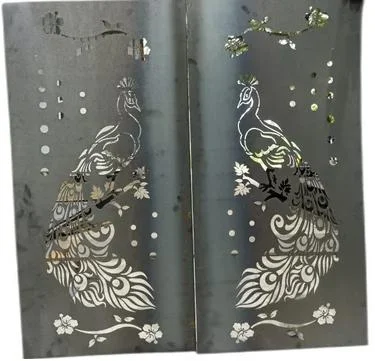
Laser-Cut Metal Panels
These panels are crafted using precision laser technology, resulting in intricate designs and shapes. They are ideal for decorative screens and facades, offering a high level of customization.
Powder-Coated Metal Panels
These panels are coated with a durable finish that resists scratching and fading. They are available in a wide range of colors, making them suitable for various aesthetics in any environment.
𝗕𝗲𝗻𝗲𝗳𝗶𝘁𝘀 𝗮𝗻𝗱 𝗔𝗱𝘃𝗮𝗻𝘁𝗮𝗴𝗲𝘀
Decorative metal panels offer numerous benefits that enhance their appeal in various applications.
Key benefits include:
1. Aesthetic Variety: They are available in numerous designs, colors, and finishes, allowing for creative expression in architecture and interior design.
2. Durability: Made from resilient materials, decorative metal panels withstand harsh environmental conditions, making them suitable for long-term use.
3. Low Maintenance: These panels require minimal upkeep compared to other materials, reducing long-term maintenance costs.
4. Sustainability: Many metal panels are recyclable, contributing to environmentally friendly building practices.
5. Customization: They can be tailored to specific project requirements, ensuring a unique fit for any design.
6. Sound Insulation: Certain types of decorative metal panels provide acoustic benefits, improving sound quality in commercial spaces.
𝗕𝘂𝘆𝗶𝗻𝗴 𝗚𝘂𝗶𝗱𝗲 𝗳𝗼𝗿 𝗕𝟮𝗕 𝗕𝘂𝘆𝗲𝗿𝘀
When sourcing decorative metal panels, several factors should be considered to ensure the right choice for your project.
1. Quality Assessment: Evaluate the quality of the materials used in the panels. Look for certifications and standards that guarantee durability and performance.
2. Supplier Verification: Research potential suppliers to ensure they have a proven track record in providing high-quality products. Check references and customer reviews.
3. Pricing and MOQ: Understand the pricing structure and minimum order quantities (MOQ) to align your budget and project scope effectively.
4. Delivery and Lead Times: Discuss delivery schedules and lead times with suppliers to ensure timely project completion.
5. Compliance Requirements: Ensure that the panels meet relevant industry standards and regulations, as this is essential for safety and performance in your applications.
𝗖𝗼𝗺𝗽𝗹𝗶𝗮𝗻𝗰𝗲 𝗮𝗻𝗱 𝗖𝗲𝗿𝘁𝗶𝗳𝗶𝗰𝗮𝘁𝗶𝗼𝗻𝘀
Decorative metal panels must adhere to various quality standards and certifications to ensure their safety and performance in industrial applications.
Common quality standards include ISO 9001, which specifies requirements for a quality management system, ensuring consistent quality across products. Other relevant standards may include HACCP for health and safety in food-related environments, though specific data is not available for decorative metal panels.
Many decorative metal panels also hold CE certification, indicating compliance with European safety, health, and environmental protection standards. This certification is crucial for panels used in construction and architectural applications.
Safety and testing requirements are essential to confirm that panels can withstand environmental stressors such as fire, moisture, and mechanical impacts. Additionally, compliance with regional regulations is necessary, as different areas may have specific guidelines governing the use of metal materials in construction.
𝗪𝗵𝘆 𝗦𝗼𝘂𝗿𝗰𝗲 𝗗𝗲𝗰𝗼𝗿𝗮𝘁𝗶𝘃𝗲 𝗠𝗲𝘁𝗮𝗹 𝗣𝗮𝗻𝗲𝗹𝘀 𝗳𝗿𝗼𝗺 𝗣𝗲𝗽𝗮𝗴𝗼𝗿𝗮?
Pepagora offers a reliable platform for sourcing decorative metal panels, providing several key advantages to B2B buyers.
Verified Supplier Network: Pepagora connects buyers with a network of verified suppliers, ensuring access to high-quality products and trustworthy partners. This network simplifies the sourcing process, allowing businesses to find the right materials quickly.
Streamlined RFQ Process: The request for quotation (RFQ) system on Pepagora simplifies the procurement process, enabling buyers to receive competitive quotes from multiple suppliers. This efficiency helps buyers make informed decisions and secure the best deals.
Trade Assurance and Support: Pepagora provides trade assurance and support, protecting buyers throughout the transaction process. This support builds trust and confidence in sourcing decorative metal panels.
Regional Coverage: With a strong presence in India, the Gulf Cooperation Council (GCC), and Southeast Asia, Pepagora offers extensive geographic coverage. This broad reach ensures that buyers can access a diverse range of decorative metal panels tailored to their local markets.
Newly Added


Recently Added
Panesar Agro & Allied Industries
Elevator Buckets For Vertical Material Handling In Mining Construction Agriculture
Premium Wrought Iron Gate Heads And Spears For Security Decor
Wrought Iron Baskets Durable Decorative Gates Railings
Anna Company
Support Services For Importers Distributors And Wholesalers
Support Services For Importers Distributors And Wholesalers
Premium Ornamental Castings For Architectural And Decorative Applications
Aluminium Sales Corporation
Industrial Aluminium Rolled Products High Strength Corrosion Resistant Alloys
Industrial Cold Rolled Coils And Strips For Automotive And Construction
Industrial Commercial Aluminum Grills High Tensile Strength Durable
Sanjana Doors And Family
Steel Strip Interior Panel Durable Membrane Finish Wall Cladding
Decorative Membrane Kumizh Interior Door Steel Construction
Malaysian WPC Interior Door Water Resistant Finish Durable Low Maintenance
Why Businesses Trust Pepagora
Thousands of companies trust Pepagora to source smarter and sell faster
Expand Your Sales Globally
25000+Products listed.Get discovered by global buyers
Tools to boost visibility
Build your own catalog

Source Smarter,Grow Faster
4000+Active RFQs
100+ Countries served
Easy Sourcing Tools
