
 IN
INundefined
Decorative Lighting (LED, Lamps)
9 products available
What are Decorative Lighting (LED, Lamps)?
Decorative lighting refers to various types of lighting solutions that enhance the aesthetic appeal of spaces while also providing illumination. LED decorative lighting and lamps are increasingly popular due to their energy efficiency, longevity, and versatility. These products are available in numerous styles, shapes, and colors, allowing businesses to create unique environments tailored to their branding and design preferences.
The primary applications of decorative lighting span across various sectors, including retail, hospitality, and residential settings. Businesses often utilize these lighting solutions to create an inviting atmosphere, highlight products, and improve overall customer experience. In addition, decorative lighting plays a crucial role in setting the mood for events and gatherings, making it an essential component in venues such as restaurants, hotels, and event spaces.
In the current market, the demand for decorative lighting continues to grow as businesses prioritize energy-efficient solutions and innovative designs. This trend reflects a broader movement toward sustainability and aesthetic sophistication, making decorative lighting a key area of focus for manufacturers and suppliers.
𝗞𝗲𝘆 𝗙𝗲𝗮𝘁𝘂𝗿𝗲𝘀 𝗮𝗻𝗱 𝗦𝗽𝗲𝗰𝗶𝗳𝗶𝗰𝗮𝘁𝗶𝗼𝗻𝘀
Decorative lighting products, particularly LED lamps, come with a range of features and specifications designed to meet diverse needs. When choosing decorative lighting, it is essential to consider these specifications to ensure optimal performance and suitability for your application.
Key specifications include:
1. Wattage
- Indicates the energy consumption of the lamp.
- Common ranges: 3W to 15W for decorative LEDs.
2. Luminous Flux
- Measures the amount of light produced by the lamp.
- Typical output ranges from 200 lumens to 1500 lumens.
3. Color Temperature
- Specifies the warmth or coolness of the light.
- Available options: 2700K (warm white) to 6500K (cool white).
4. Lifespan
- Refers to the operational life expectancy of the lamp.
- Average lifespan: 15,000 to 50,000 hours.
5. Voltage
- Indicates the electrical requirements for operation.
- Common voltages: 110V, 220V, and 240V.
6. Beam Angle
- Describes the spread of light emitted from the lamp.
- Typical ranges: 120 degrees for general lighting, narrower for accent lighting.
7. Dimmability
- Indicates whether the lamp can be adjusted to different brightness levels.
- Available options: non-dimmable and dimmable variants.
8. Certification
- Ensures compliance with safety and performance standards.
- Common certifications include CE.
In summary, understanding these specifications is crucial for businesses looking to integrate decorative lighting effectively into their spaces.
𝗖𝗼𝗺𝗺𝗼𝗻 𝗔𝗽𝗽𝗹𝗶𝗰𝗮𝘁𝗶𝗼𝗻𝘀 𝗮𝗻𝗱 𝗨𝘀𝗲 𝗖𝗮𝘀𝗲𝘀
Decorative lighting is versatile and serves various industries with specific applications.
1. Retail: In retail environments, decorative lighting is used to highlight merchandise, create ambiance, and enhance visual merchandising.
2. Hospitality: Hotels and restaurants utilize decorative lighting to create welcoming atmospheres, set the mood for dining experiences, and highlight architectural features.
3. Events: Event spaces and venues often deploy decorative lighting to enhance themes, guide guests, and create memorable experiences.
4. Residential: In homes, decorative lighting contributes to interior design, with options ranging from pendant lights to wall sconces for various rooms.
5. Commercial Offices: Businesses use decorative lighting in office spaces to promote productivity and create an inviting work environment.
6. Outdoor Spaces: Parks and public areas often feature decorative lighting to ensure safety while enhancing the beauty of landscapes.
7. Art Installations: Decorative lighting plays a vital role in art galleries and museums, highlighting exhibits and creating engaging experiences.
𝗣𝗿𝗼𝗱𝘂𝗰𝘁 𝗩𝗮𝗿𝗶𝗮𝗻𝘁𝘀 𝗮𝗻𝗱 𝗦𝘂𝗯𝗰𝗮𝘁𝗲𝗴𝗼𝗿𝗶𝗲𝘀
Decorative lighting (LED, lamps) encompasses a wide range of product variants, each designed to meet specific aesthetic and functional needs.
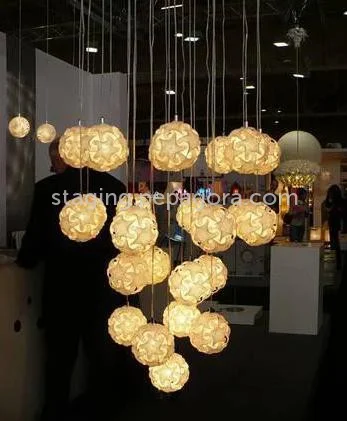
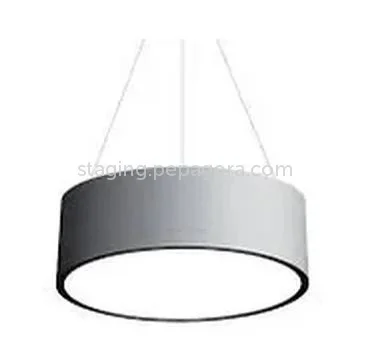
Pendant Lighting: This variant includes hanging fixtures that provide both illumination and style. Ideal for dining areas or entryways, pendant lights come in various materials and designs.
Table Lamps: These portable lighting solutions are perfect for adding warmth and character to desks, bedside tables, or living spaces. They are available in numerous styles to match different décor themes.
Wall Sconces: Mounted on walls, sconces can serve as both functional and decorative elements. They are often used in hallways, bathrooms, or as accent lighting.
Chandeliers: These statement pieces provide a focal point in larger spaces. Chandeliers can range from classic designs to modern interpretations, suitable for formal dining rooms or lobbies.
Floor Lamps: Versatile and mobile, floor lamps can enhance lighting in corners or reading areas. They come in various sizes and styles to suit different settings.
𝗕𝗲𝗻𝗲𝗳𝗶𝘁𝘀 𝗮𝗻𝗱 𝗔𝗱𝘃𝗮𝗻𝘁𝗮𝗴𝗲𝘀
Incorporating decorative lighting (LED, lamps) offers numerous advantages for businesses.
1. Energy Efficiency: LED lamps consume less energy than traditional lighting, leading to cost savings on electricity bills.
2. Longevity: With an extended lifespan, LED decorative lighting reduces the frequency of replacements, minimizing maintenance costs.
3. Versatility: Decorative lighting is available in an extensive range of styles and designs, allowing businesses to customize their environments.
4. Aesthetic Appeal: These lighting solutions enhance the visual appeal of spaces, creating inviting atmospheres that attract customers.
5. Environmental Sustainability: LED lighting is a more sustainable option, contributing to reduced carbon footprints and promoting eco-friendly practices.
6. Improved Mood: Proper lighting can influence emotions and behaviors, enhancing customer experiences and employee productivity.
𝗕𝘂𝘆𝗶𝗻𝗴 𝗚𝘂𝗶𝗱𝗲 𝗳𝗼𝗿 𝗕𝟮𝗕 𝗕𝘂𝘆𝗲𝗿𝘀
When sourcing Decorative Lighting (LED, Lamps), several factors are crucial for making informed decisions.
1. Quality Assessment: Evaluate the quality of decorative lighting by reviewing technical specifications, materials used, and manufacturer reputation. High-quality products ensure reliability and performance.
2. Supplier Verification: Vet potential suppliers by checking for industry certifications, customer reviews, and their track record in delivering quality products. A reliable supplier is essential for long-term partnerships.
3. Pricing and MOQ: Understand the pricing structure and minimum order quantities (MOQ) offered by suppliers. This will help in budgeting and ensuring that the purchase aligns with business needs.
4. Delivery and Lead Times: Inquire about delivery schedules and lead times to ensure timely receipt of products. Efficient logistics are vital for maintaining project timelines.
5. Compliance Requirements: Confirm that the decorative lighting meets relevant regulatory standards and safety certifications, such as CE. Compliance ensures safety and legality in usage.
𝗖𝗼𝗺𝗽𝗹𝗶𝗮𝗻𝗰𝗲 𝗮𝗻𝗱 𝗖𝗲𝗿𝘁𝗶𝗳𝗶𝗰𝗮𝘁𝗶𝗼𝗻𝘀
Compliance and certifications are essential aspects of the decorative lighting industry, ensuring that products meet safety and performance standards.
One of the most recognized standards is ISO 9001, which focuses on quality management systems. This certification ensures that manufacturers adhere to consistent quality practices throughout their production processes.
Additionally, many decorative lighting products carry the CE mark, indicating compliance with European health, safety, and environmental protection standards. This certification is critical for products sold in European markets and assures buyers of their safety and reliability.
Manufacturers must also adhere to specific safety testing requirements to ensure that their lighting products function safely under varying conditions. Compliance with regional regulations is necessary, as different countries may have unique standards for electrical products.
Why Source Decorative Lighting (LED, Lamps) from Pepagora?
Pepagora offers a reliable platform for businesses looking to source Decorative Lighting (LED, Lamps) with several key advantages.
Verified Supplier Network: Pepagora connects buyers with a curated network of verified suppliers, ensuring that all listed manufacturers meet strict quality and compliance standards. This provides peace of mind for B2B buyers.
Streamlined RFQ Process: The platform simplifies the request for quotation (RFQ) process, allowing buyers to easily compare multiple offers from different suppliers. This efficiency helps businesses secure the best pricing and terms.
Trade Assurance and Support: Pepagora provides trade assurance to protect buyers against potential risks associated with their purchases. The platform offers support throughout the purchasing process, ensuring a smooth experience.
Regional Coverage: With a broad geographical reach across India, the Gulf Cooperation Council (GCC), and Southeast Asia, Pepagora facilitates access to suppliers in key markets. This regional presence helps businesses source decorative lighting tailored to local needs.
Newly Added




Recently Added
Electro Lite Fittings & Equipments
Outdoor LED Pole Lights For Streets Commercial Areas Public Spaces
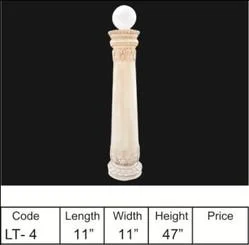
Premium LED Fancy Lighting Poles For Outdoor Decorative Illumination
Commercial LED Street Lights High Efficiency Outdoor Illumination
Easy Light Private Limited
Industrial Commercial Outdoor High Efficiency Display Metal Halide Lamps
Commercial Industrial LED Lamps Energy Efficient Lighting Solutions
PL Range Compact Fluorescent Lamps For Energy Efficient Indoor Lighting
Aarya Arts
Premium Canary Birds Natural Wall Stickers For Commercial And Residential Decor
AN 6 Garden Animal Ornaments Durable Weather Resistant Decor
Premium Autumn Leaves Branch Stickers Bulk Durable Decorative
Continental Exports
Premium Aluminum Ware For Buyers Durable Lightweight Antique Reproductions
Apparel Fashion Display Bowls For Retail Packaging Wholesale
Premium Handmade Candelabras For Events And Hospitality
Colors Fountain
Bulk Weather Resistant LED Garden Lights For Landscapes
Premium Bell Fountains For Commercial Decor Durable Quality
Premium Decorative Glass Waterfalls For Commercial And Hospitality Spaces
B. E. P. Edu World
Child CPR Training Manikin with Light Indicators for Medical Education
Nurse Basic Practice Teaching Model BEP 405 5 Part Anatomical Training Tool
CPR Training Manikin with Electronic Monitoring Meets AHA Standards
M/S Capseals
Bulk Votive Candles 45x45mm Plain Fragranced Hospitality
Premium Valentine Pillar Candles Fragrant Smokeless Bulk
Hand Painted Designer Pillar Candles For Events Hospitality Retail
Gupta Infotech
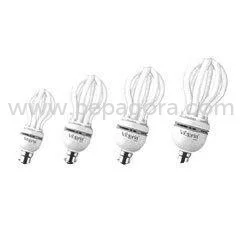
Commercial CFL 4u Bulbs Energy Efficient Long Lasting Lighting
Commercial Energy Efficient Twister CFL Lamps 7W To 13W
CFL 3u Lights Energy Efficient Durable Indoor Outdoor
Anirudh Investment
Horizontal Car Parking System Parklift 440 Space Saving Solution
Urban Parking Solution Parklift 402 Automatic Car System
Urban Commercial Automated Parking System Maximizes Space Efficiency
Ideas Afresh Inc
Premium Brass Candle Holders Durable Customizable Finishes
Iron Candle Holders With Intricate Ethnic Designs For Hotels And Spas
Premium Glass Mosaic Candle Holders For Hotels And Spas
Why Businesses Trust Pepagora
Thousands of companies trust Pepagora to source smarter and sell faster
Expand Your Sales Globally
25000+Products listed.Get discovered by global buyers
Tools to boost visibility
Build your own catalog

Source Smarter,Grow Faster
4000+Active RFQs
100+ Countries served
Easy Sourcing Tools
