
 IN
INundefined
Decorative Button Producers
12 products available
𝗪𝗵𝗮𝘁 𝗮𝗿𝗲 𝗗𝗲𝗰𝗼𝗿𝗮𝘁𝗶𝘃𝗲 𝗕𝘂𝘁𝘁𝗼𝗻 𝗣𝗿𝗼𝗱𝘂𝗰𝗲𝗿𝘀?
Decorative Button Producers create a variety of buttons that are used in fashion, upholstery, and various decorative applications. These producers focus on the design, manufacturing, and distribution of buttons that not only serve a functional purpose but also enhance the aesthetic appeal of garments and products. The buttons can be made from different materials, including plastic, metal, wood, and fabric, with a wide range of designs, colors, and sizes available.
The primary uses of decorative buttons span across multiple industries, including clothing manufacturing, home textiles, and crafts. Fashion designers rely on these buttons to add unique touches to their apparel, while furniture manufacturers use them in upholstery to create visually appealing pieces. Additionally, hobbyists and crafters utilize decorative buttons in various DIY projects, further expanding their market reach.
In the current market landscape, the demand for decorative buttons is driven by trends in fashion and interior design. As consumers seek personalized and custom-made items, producers are challenged to innovate and diversify their offerings. This industry plays a vital role in the broader textile and manufacturing sectors, contributing to both functional and decorative elements in numerous products.
𝗞𝗲𝘆 𝗙𝗲𝗮𝘁𝘂𝗿𝗲𝘀 𝗮𝗻𝗱 𝗦𝗽𝗲𝗰𝗶𝗳𝗶𝗰𝗮𝘁𝗶𝗼𝗻𝘀
Decorative buttons come with a range of features and specifications that cater to different applications and customer needs. Understanding these specifications is essential for buyers looking to source the right products for their projects.
Key specifications include:
1. Material Type
- Common materials include plastic, metal, wood, and fabric.
- Each material offers different aesthetic and functional properties.
2. Size Range
- Buttons are available in various sizes, typically ranging from 10mm to 50mm in diameter.
- Size selection depends on the intended application and design requirements.
3. Color Options
- Producers offer an extensive palette of colors, including solid, gradient, and patterned designs.
- Custom color matching may be available for large orders.
4. Shape Variations
- Buttons come in various shapes such as round, square, and novelty designs.
- Unique shapes can enhance the visual appeal of products.
5. Closure Mechanism
- Options include shank, four-hole, and two-hole designs.
- The choice of mechanism affects both functionality and style.
6. Finish and Texture
- Different finishes such as matte, glossy, or textured can be applied.
- The finish impacts the button's overall look and feel.
7. Production Techniques
- Buttons may be produced through methods such as injection molding, die-cutting, or handcrafting.
- Each method influences the cost and availability of designs.
8. Customization Capabilities
- Many producers offer customization options for unique designs or branding.
- Minimum order quantities may apply for custom orders.
In summary, understanding the key features and specifications of decorative buttons allows businesses to make informed sourcing decisions that align with their specific needs and market trends.
𝗖𝗼𝗺𝗺𝗼𝗻 𝗔𝗽𝗽𝗹𝗶𝗰𝗮𝘁𝗶𝗼𝗻𝘀 𝗮𝗻𝗱 𝗨𝘀𝗲 𝗖𝗮𝘀𝗲𝘀
Decorative buttons serve various industries, reflecting their versatility and importance in design.
1. Fashion Industry: Decorative buttons are widely used in clothing production, from casual wear to high-end fashion. They play a crucial role in enhancing garments and providing functional closures.
2. Upholstery and Furniture: In the furniture industry, decorative buttons are used in upholstery to create visually appealing designs, adding character to sofas, chairs, and bedding.
3. Craft and DIY Projects: Crafters often utilize decorative buttons in scrapbooking, card making, and other handmade projects. Their unique designs can personalize creations and add charm.
4. Home Decor: Decorative buttons can enhance home textiles like curtains and cushions, allowing for customization in interior design.
5. Accessories: Buttons are also used in the creation of accessories such as bags, hats, and jewelry, where they serve as both functional and decorative elements.
6. Children’s Products: Brightly colored and uniquely shaped buttons are often incorporated into children's clothing and toys, engaging young audiences with playful designs.
7. Corporate Branding: Businesses may use custom decorative buttons as part of promotional items or branded merchandise, enhancing visibility and recognition.
𝗣𝗿𝗼𝗱𝘂𝗰𝘁 𝗩𝗮𝗿𝗶𝗮𝗻𝘁𝘀 𝗮𝗻𝗱 𝗦𝘂𝗯𝗰𝗮𝘁𝗲𝗴𝗼𝗿𝗶𝗲𝘀
Decorative buttons come in a diverse range of variants, allowing for customization and tailored applications.
Classic Buttons
Classic buttons are traditional round or square shapes made from various materials. They are versatile and suitable for a wide range of clothing items, making them a staple in garment manufacturing.
Novelty Buttons
Novelty buttons feature unique shapes and designs, such as animals, flowers, or thematic motifs. These buttons are often used in children's clothing and craft projects to add a fun and whimsical touch.
Fashion Buttons
Fashion buttons are designed with trendy patterns, colors, and finishes to complement seasonal apparel. They play a key role in high-end fashion, enhancing garments' overall aesthetic appeal.
Eco-Friendly Buttons
Eco-friendly buttons are made from sustainable materials, such as recycled plastics or natural fibers. They cater to environmentally conscious consumers and brands seeking to reduce their ecological footprint.
Functional Buttons
Functional buttons are designed specifically for durability and performance. They may include features such as waterproofing or enhanced strength, making them suitable for outdoor gear and workwear.
𝗕𝗲𝗻𝗲𝗳𝗶𝘁𝘀 𝗮𝗻𝗱 𝗔𝗱𝘃𝗮𝗻𝘁𝗮𝗴𝗲𝘀
Sourcing decorative buttons offers numerous benefits that can enhance product quality and appeal.
1. Aesthetic Appeal: Decorative buttons contribute to the overall look of garments and products, making them more attractive to consumers.
2. Customization Options: Many producers offer customization, allowing brands to create unique designs that reflect their identity.
3. Versatile Applications: Decorative buttons can be used across various industries, from fashion to home decor, increasing their utility.
4. Cost-Effective Solutions: Competitive pricing and bulk purchasing can provide cost savings for businesses.
5. Wide Range of Choices: The diverse selection of materials, sizes, and designs ensures that buyers can find buttons that meet their specific needs.
6. Quality Assurance: Established producers often adhere to quality standards, ensuring reliable performance and longevity of products.
𝗕𝘂𝘆𝗶𝗻𝗴 𝗚𝘂𝗶𝗱𝗲 𝗳𝗼𝗿 𝗕𝟮𝗕 𝗕𝘂𝘆𝗲𝗿𝘀
When sourcing Decorative Button Producers, buyers should consider several key factors to ensure they make informed decisions.
1. Quality Assessment: Evaluate the quality of buttons by requesting samples and reviewing material specifications. Look for durability and craftsmanship that meet industry standards.
2. Supplier Verification: Vet suppliers through background checks, industry references, and customer reviews. Ensure they have a track record of reliability and ethical practices.
3. Pricing and MOQ: Understand the pricing structure and minimum order quantities. This helps in budgeting and ensuring that the supplier can meet your production needs.
4. Delivery and Lead Times: Inquire about delivery schedules and lead times for orders. Timely delivery is crucial for maintaining production schedules.
5. Compliance Requirements: Ensure that suppliers comply with relevant regulations and standards, such as safety and environmental guidelines. This is important for maintaining product integrity and marketability.
𝗖𝗼𝗺𝗽𝗹𝗶𝗮𝗻𝗰𝗲 𝗮𝗻𝗱 𝗖𝗲𝗿𝘁𝗶𝗳𝗶𝗰𝗮𝘁𝗶𝗼𝗻𝘀
Decorative Button Producers are often required to adhere to various quality standards and certifications to ensure product safety and reliability. ISO 9001 is a widely recognized standard for quality management systems, emphasizing consistent quality in production processes.
Industry certifications such as CE mark demonstrate that products meet European safety and health requirements. This is particularly important for businesses that export or operate within regulated markets.
Safety and testing requirements may vary based on materials used and intended applications. Producers should conduct thorough testing to confirm that their products meet all necessary safety standards.
Regional compliance considerations are essential, especially for international trade. Understanding local regulations and compliance requirements can help avoid legal issues and ensure successful market entry.
𝗪𝗵𝘆 𝗦𝗼𝘂𝗿𝗰𝗲 𝗗𝗲𝗰𝗼𝗿𝗮𝘁𝗶𝘃𝗲 𝗕𝘂𝘁𝘁𝗼𝗻 𝗣𝗿𝗼𝗱𝘂𝗰𝗲𝗿𝘀 𝗳𝗿𝗼𝗺 𝗣𝗲𝗽𝗮𝗴𝗼𝗿𝗮?
Pepagora provides a trusted platform for sourcing Decorative Button Producers with several key advantages.
Verified Supplier Network: Pepagora maintains a rigorous verification process for suppliers. This ensures that buyers can connect with reputable producers who meet industry standards and ethical practices.
Streamlined RFQ Process: The platform features a user-friendly request for quotation (RFQ) system, allowing buyers to easily communicate their needs and receive competitive quotes from multiple suppliers.
Trade Assurance and Support: Pepagora offers trade assurance services that protect buyers from risks associated with online transactions. This includes support in resolving disputes and ensuring product quality.
Regional Coverage: With a presence in markets such as India, GCC, and Southeast Asia, Pepagora connects buyers with local producers, facilitating access to diverse product offerings and regional expertise.
By choosing Pepagora, businesses can confidently source decorative buttons while benefiting from a comprehensive support system.
Newly Added






Recently Added
Venkataramana Exports
Premium OEM Horn Mugs Smooth Finish Superior Quality Standard Drinkware
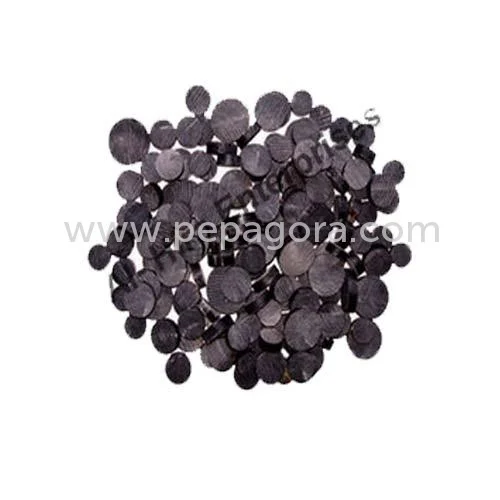
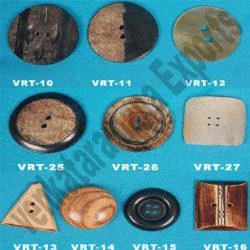
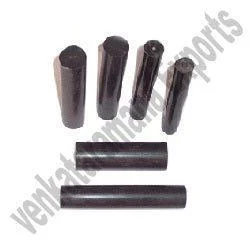
OEM Buffalo Horn Button Blanks For Textiles And Apparels
OEM Cow Horn Button Blanks For Fashion And Accessories
Ace Garment Accessories Pvt. Ltd
Garment Manufacturing Mono Color Urea Formaldehyde Melamine Plastic Buttons
Premium Plastic Fashion Buttons For Men's Shirts Durable Style
Premium Plastic And Metal Trouser Buttons For Apparel Manufacturers
Axis Enterprises
Bulk Rainbow Zippers Vibrant Durable Fastening Solutions
Premium Coat Zippers For Durable Smooth Bulk Orders
Nylon Two Way Zippers Durable Bidirectional Locking
Babas Sales
Premium Zip Rolls For Garment Manufacturing Quality Fastening
Premium Metal Zippers For Fashion Luggage Outdoor Gear
Premium Metal Eyelets For Apparel Footwear And Bags
Baba Enterprises
Premium Metal Cloth Hangers Lightweight Durable For Retail Hospitality
Premium Shoe Hangers Durable Abrasion Resistant Storage Solutions
Premium Cotton Laces For Footwear Apparel Fashion Accessories
D.I. Â Industries
Industrial Aluminium Hollow Rivets For Secure Lightweight Fastening
Premium Fabric Buttons For Fashion And Upholstery Sizes 12L To 60L
Industrial Machine Screws For Precision Fastening And Durability
Dehra Enterprises Private Limited
Premium Round Jali Potato Pellets for Food Manufacturing
Round Pipe Potato Pellets Premium Snack Ingredients
Premium Shell Potato Pellets For Snack Production Crispy Tasty
Al - Hira Enterprises
Natural Buffalo Horn Black Buttons For Luxury Apparel
Premium Natural Buffalo Horn Buttons Multiple Colors Sizes Durable Eco Friendly
Fashion Brands Natural Cow Color Buttons Dark Brown Honey Tones
Why Businesses Trust Pepagora
Thousands of companies trust Pepagora to source smarter and sell faster
Expand Your Sales Globally
25000+Products listed.Get discovered by global buyers
Tools to boost visibility
Build your own catalog

Source Smarter,Grow Faster
4000+Active RFQs
100+ Countries served
Easy Sourcing Tools
