
 IN
INundefined
Date Coding & Labelling Machines
9 products available
𝗪𝗵𝗮𝘁 𝗮𝗿𝗲 𝗗𝗮𝘁𝗲 𝗖𝗼𝗱𝗶𝗻𝗴 & 𝗟𝗮𝗯𝗲𝗹𝗹𝗶𝗻𝗴 𝗠𝗮𝗰𝗵𝗶𝗻𝗲𝘀?
Date coding and labelling machines are essential tools used in various industries for marking products with crucial information such as expiration dates, batch numbers, and other relevant data. These machines ensure that products are correctly labeled to inform consumers about their safety and usability. By employing various printing technologies, including thermal transfer, inkjet, and laser marking, these machines provide clear and durable markings that withstand handling and environmental factors.
The primary applications of date coding and labelling machines span across food and beverage, pharmaceuticals, cosmetics, and consumer goods. In the food industry, for instance, accurate labeling helps maintain compliance with health regulations and informs customers about product freshness. In pharmaceuticals, these machines ensure that medications are labeled with vital information, including expiration dates, to guarantee safety and efficacy. The relevance of these machines in today’s market is underscored by increasing regulatory demands and consumer awareness, making them indispensable in ensuring product integrity and traceability.
𝗞𝗲𝘆 𝗙𝗲𝗮𝘁𝘂𝗿𝗲𝘀 𝗮𝗻𝗱 𝗦𝗽𝗲𝗰𝗶𝗳𝗶𝗰𝗮𝘁𝗶𝗼𝗻𝘀
Date coding and labelling machines come with various features and specifications that enhance their functionality and efficiency. It is essential to understand these key specifications to select the right machine for specific business needs.
Key specifications include:
1. Printing Technology
- Options include thermal transfer, inkjet, and laser marking
- Each technology has unique advantages suited for different applications
2. Label Size Compatibility
- Machines can accommodate various label sizes, from small stickers to large adhesive labels
- Flexibility to adapt to different product types and packaging
3. Speed and Throughput
- Machines can operate at speeds ranging from 30 to 300 labels per minute
- High-speed options are available for high-volume production lines
4. Control Interface
- User-friendly interfaces, often with touchscreens for easy operation
- Programming capabilities for different labeling formats and requirements
5. Environmental Resistance
- Machines may be designed to withstand specific temperature and humidity levels
- Ensures durability in various production environments
6. Maintenance Requirements
- Low-maintenance designs with easy access to components for cleaning and servicing
- Some models offer automated cleaning features
In summary, understanding these specifications helps businesses choose a machine that meets their operational demands while ensuring compliance and efficiency.
𝗖𝗼𝗺𝗺𝗼𝗻 𝗔𝗽𝗽𝗹𝗶𝗰𝗮𝘁𝗶𝗼𝗻𝘀 𝗮𝗻𝗱 𝗨𝘀𝗲 𝗖𝗮𝘀𝗲𝘀
Date coding and labelling machines serve a variety of industries, addressing their specific labeling needs and compliance requirements.
1. Food and Beverage: In this industry, these machines are crucial for marking expiration dates and nutritional information, ensuring products meet health regulations and consumer safety standards.
2. Pharmaceuticals: Accurate labeling of medications with expiration dates and batch numbers is essential for patient safety and regulatory compliance. These machines help maintain traceability and accountability in drug distribution.
3. Cosmetics: Labelling machines are used to print manufacturing dates and ingredients on cosmetic products, which is vital for consumer information and compliance with cosmetic regulations.
4. Electronics: In the electronics industry, these machines help label components with serial numbers and production dates, aiding in inventory management and warranty tracking.
5. Automotive: Date coding machines are used to label parts with production dates and batch numbers, assisting in quality control and supply chain tracking.
6. Chemical: In the chemical industry, labeling is essential for safety information and handling instructions, ensuring compliance with safety regulations.
𝗣𝗿𝗼𝗱𝘂𝗰𝘁 𝗩𝗮𝗿𝗶𝗮𝗻𝘁𝘀 𝗮𝗻𝗱 𝗦𝘂𝗯𝗰𝗮𝘁𝗲𝗴𝗼𝗿𝗶𝗲𝘀
The diversity of date coding and labelling machines allows businesses to choose options that best fit their unique requirements.
Compact Labeling Machines
These machines are designed for small spaces and are ideal for low to medium production volumes. They offer essential features for basic labeling needs without compromising on quality.
High-Speed Labeling Machines
Ideal for high-volume production environments, these machines can label hundreds of products per minute. They often come with advanced features, including automated adjustments and integration with production lines.
Portable Labeling Machines
These machines provide flexibility for on-the-go labeling needs. They are battery-operated and suitable for various applications, including outdoor or temporary settings.
𝗕𝗲𝗻𝗲𝗳𝗶𝘁𝘀 𝗮𝗻𝗱 𝗔𝗱𝘃𝗮𝗻𝘁𝗮𝗴𝗲𝘀
Investing in date coding and labelling machines offers numerous advantages to businesses looking to enhance their production processes.
1. Compliance Assurance: These machines help ensure that products meet regulatory standards, reducing the risk of penalties and non-compliance.
2. Increased Efficiency: Automated labeling processes significantly speed up production lines, allowing for higher output and reduced labor costs.
3. Improved Traceability: Accurate labeling facilitates better tracking of products throughout the supply chain, enhancing accountability and product safety.
4. Enhanced Brand Image: Clearly labeled products with essential information improve customer trust and brand reputation.
5. Cost-Effectiveness: By automating the labeling process, businesses can reduce material waste and improve overall operational efficiency.
6. Versatility: These machines can accommodate various products and packaging types, making them suitable for multiple industries.
𝗕𝘂𝘆𝗶𝗻𝗴 𝗚𝘂𝗶𝗱𝗲 𝗳𝗼𝗿 𝗕𝟮𝗕 𝗕𝘂𝘆𝗲𝗿𝘀
When sourcing date coding and labelling machines, businesses should consider several key factors to ensure they select the right equipment for their needs.
1. Quality Assessment: Evaluate the quality of materials and construction of the machines. Look for machines that comply with industry standards for durability and reliability.
2. Supplier Verification: Vet potential suppliers to ensure they have a solid reputation for providing high-quality products and reliable customer service. Check reviews and request references if necessary.
3. Pricing and MOQ: Understand the pricing structure and any minimum order quantities (MOQ) that may apply. Compare quotes from multiple suppliers to find the best deal.
4. Delivery and Lead Times: Discuss logistics with suppliers to ensure timely delivery and set expectations for lead times to avoid disruptions in production.
5. Compliance Requirements: Confirm that the machines meet all necessary industry compliance and safety standards, including any regional regulations that may apply.
𝗖𝗼𝗺𝗽𝗹𝗶𝗮𝗻𝗰𝗲 𝗮𝗻𝗱 𝗖𝗲𝗿𝘁𝗶𝗳𝗶𝗰𝗮𝘁𝗶𝗼𝗻𝘀
Date coding and labelling machines must adhere to various quality standards and certifications to ensure their reliability and safety in industrial applications. Common quality standards include ISO 9001, which focuses on quality management systems, and HACCP, which addresses food safety.
Industry certifications such as CE indicate that the machines meet European safety, health, and environmental protection standards. These certifications are essential for companies looking to operate in regulated markets.
Additionally, manufacturers must consider safety and testing requirements specific to their industry, ensuring that machines are compliant with local regulations. Regional compliance considerations are also crucial, as different countries may have varying standards that must be met for operation and distribution.
𝗪𝗵𝘆 𝗦𝗼𝘂𝗿𝗰𝗲 𝗗𝗮𝘁𝗲 𝗖𝗼𝗱𝗶𝗻𝗴 & 𝗟𝗮𝗯𝗲𝗹𝗹𝗶𝗻𝗴 𝗠𝗮𝗰𝗵𝗶𝗻𝗲𝘀 𝗳𝗿𝗼𝗺 𝗣𝗲𝗽𝗮𝗴𝗼𝗿𝗮?
Pepagora provides a trusted platform for sourcing date coding and labelling machines, offering several key advantages for B2B buyers.
Verified Supplier Network: Pepagora connects buyers with a network of verified suppliers, ensuring that businesses can source high-quality machines from reputable manufacturers. This verification process helps mitigate risks associated with purchasing from unknown sources.
Streamlined RFQ Process: The platform simplifies the request for quotation (RFQ) process, allowing buyers to easily compare quotes and specifications from multiple suppliers. This transparency helps businesses make informed purchasing decisions.
Trade Assurance and Support: Pepagora offers trade assurance to protect buyers during transactions, providing additional peace of mind. Their dedicated support team is available to assist with any inquiries throughout the purchasing process.
Regional Coverage: With a strong presence in India, the GCC, and Southeast Asia, Pepagora facilitates access to a wide range of suppliers, ensuring that businesses can find the right solutions for their specific regional needs.
Newly Added


Recently Added
Artistic Art Press
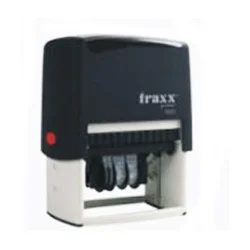
Professional Shiny 162 Pocket Stamp For Efficient Document Marking
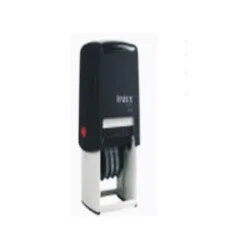
Professional Self Inking Stamp S 821 For Business And Office Use
Industrial Component Shiny S 831 Durable Reliable Performance
Concept Engineers
Pneumatic Packing Machine with Auger System for Powder Packaging
Industrial Horizontal Flow Wrap Machine For Airtight Pillow Bag Packaging
High Speed Continuous Packing Machine For Powders, Granules, Solids
Pic Code Systems
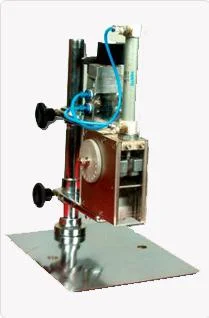
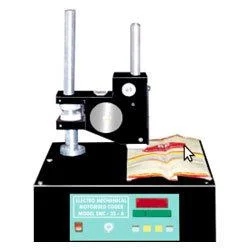
PCS 3535 EMCC Electro Mechanical Contact Coder For Batch Coding On Packaging
PCS 3535 ERCC Electronic Rotary Contact Coder for High Speed Batch Date MRP Printing
PCS 3535 ERCC Electronic Pneumatic Contact Coder For Packaging Line Integration
Why Businesses Trust Pepagora
Thousands of companies trust Pepagora to source smarter and sell faster
Expand Your Sales Globally
25000+Products listed.Get discovered by global buyers
Tools to boost visibility
Build your own catalog

Source Smarter,Grow Faster
4000+Active RFQs
100+ Countries served
Easy Sourcing Tools
