
 IN
INundefined
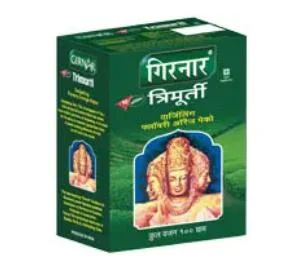
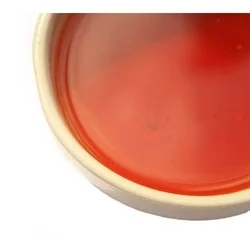
Darjeeling Tea
5 products available
𝗪𝗵𝗮𝘁 𝗮𝗿𝗲 𝗗𝗮𝗿𝗷𝗲𝗲𝗹𝗶𝗻𝗴 𝗧𝗲𝗮?
Darjeeling Tea is a premium tea originating from the Darjeeling district in West Bengal, India. Known for its distinctive taste and aroma, this tea is often referred to as the "Champagne of teas." Darjeeling Tea is primarily grown at high altitudes, where the unique climate and soil conditions contribute to its exquisite flavor profile. The tea is typically hand-picked and processed, ensuring that only the finest leaves are used, which enhances its quality and market value.
In terms of business applications, Darjeeling Tea is widely utilized in the beverage industry, particularly in specialty tea markets. It serves as a popular choice for tea retailers and cafes offering gourmet options. Additionally, its appeal extends to health-conscious consumers, as it is rich in antioxidants. The growing global demand for premium and organic products makes Darjeeling Tea a valuable addition for businesses looking to expand their product offerings.
The market for Darjeeling Tea is characterized by a blend of traditional practices and modern marketing strategies. With increasing consumer awareness about health benefits and sustainable sourcing, the demand for Darjeeling Tea has seen a significant rise. Industry players are focusing on enhancing their supply chains and ensuring compliance with quality standards to remain competitive in this growing market.
𝗞𝗲𝘆 𝗙𝗲𝗮𝘁𝘂𝗿𝗲𝘀 𝗮𝗻𝗱 𝗦𝗽𝗲𝗰𝗶𝗳𝗶𝗰𝗮𝘁𝗶𝗼𝗻𝘀
Darjeeling Tea boasts several key features that make it a sought-after product in the global tea market. Its unique flavor, aroma, and appearance are complemented by specific specifications that define its quality.
Key specifications include:
1. Flavor Profile
- Characterized by a muscatel flavor with floral undertones.
- Variations in flavor are influenced by the time of harvest.
2. Leaf Appearance
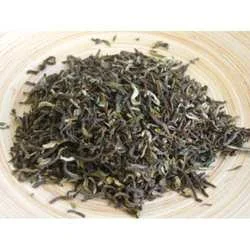
- Typically features a mix of green and brown leaves.
- High-quality teas have a silver tip appearance.
3. Aroma
- Exhibits a delicate and fragrant aroma.
- The aroma can vary based on the processing method.
4. Caffeine Content
- Moderate caffeine levels suitable for daily consumption.
- Varies between different types of Darjeeling Tea.
5. Processing Methods
- Includes black, green, oolong, and white tea varieties.
- Each method affects the final taste and quality.
6. Harvesting Seasons
- First flush, second flush, and autumnal flush.
- Each season produces distinct flavor profiles.
In summary, the unique features of Darjeeling Tea, along with its strict specifications, contribute to its reputation as a premium product in the tea market.
𝗖𝗼𝗺𝗺𝗼𝗻 𝗔𝗽𝗽𝗹𝗶𝗰𝗮𝘁𝗶𝗼𝗻𝘀 𝗮𝗻𝗱 𝗨𝘀𝗲 𝗖𝗮𝘀𝗲𝘀
Darjeeling Tea finds application across various industries due to its premium quality and unique characteristics.
1. Beverage Industry: This tea is prominently featured in cafes and restaurants, appealing to consumers seeking high-quality beverages.
2. Retail Market: Specialty tea shops often include Darjeeling Tea in their product lines, catering to tea enthusiasts.
3. Health and Wellness Sector: Known for its antioxidant properties, Darjeeling Tea is marketed as a healthy beverage option.
4. Hospitality Industry: Hotels and resorts serve Darjeeling Tea to enhance guest experiences, often positioning it as a luxurious offering.
5. Event Catering: High-end events often feature Darjeeling Tea as a part of their beverage selections to impress guests.
6. Export Market: Darjeeling Tea is a significant export product, appealing to international consumers and enhancing trade opportunities.
𝗣𝗿𝗼𝗱𝘂𝗰𝘁 𝗩𝗮𝗿𝗶𝗮𝗻𝘁𝘀 𝗮𝗻𝗱 𝗦𝘂𝗯𝗰𝗮𝘁𝗲𝗴𝗼𝗿𝗶𝗲𝘀
Darjeeling Tea comes in diverse varieties, each with its own unique characteristics and flavor profiles.
First Flush Darjeeling
This variant is harvested in spring and is known for its light, floral taste. It is often celebrated for its freshness and is highly sought after by connoisseurs.
Second Flush Darjeeling
Harvested in the summer, this variant features a richer flavor with muscatel notes. It is particularly popular among those who prefer a stronger taste.
Autumnal Flush Darjeeling
This tea is harvested in the fall and offers a unique flavor that is less astringent. It is appreciated for its smoothness and is ideal for those who enjoy a milder cup.
𝗕𝗲𝗻𝗲𝗳𝗶𝘁𝘀 𝗮𝗻𝗱 𝗔𝗱𝘃𝗮𝗻𝘁𝗮𝗴𝗲𝘀
There are several key benefits to sourcing Darjeeling Tea, making it a valuable addition to any product lineup.
1. Unique Flavor: Darjeeling Tea offers a distinct flavor profile that sets it apart from other teas, appealing to niche markets.
2. Quality Assurance: The meticulous hand-picking and processing methods ensure that only high-quality leaves are used, enhancing the overall product standard.
3. Health Benefits: Rich in antioxidants, Darjeeling Tea is linked to various health benefits, making it an attractive option for health-conscious consumers.
4. Market Demand: The growing appreciation for premium teas ensures a stable market demand, providing reliable revenue streams for businesses.
5. Ethical Sourcing: Many suppliers focus on sustainable and ethical farming practices, appealing to environmentally conscious consumers.
6. Versatile Applications: Darjeeling Tea can be used in various applications, from beverages to culinary uses, expanding its market potential.
𝗕𝘂𝘆𝗶𝗻𝗴 𝗚𝘂𝗶𝗱𝗲 𝗳𝗼𝗿 𝗕𝟮𝗕 𝗕𝘂𝘆𝗲𝗿𝘀
When sourcing Darjeeling Tea, it is essential to consider several critical factors to ensure a successful purchase.
1. Quality Assessment: Evaluate the quality of tea based on its flavor, aroma, and appearance. Look for specific grades and certifications that indicate quality.
2. Supplier Verification: Conduct thorough research on potential suppliers. Verify their credentials, production methods, and reputation in the market.
3. Pricing and MOQ: Understand the pricing structures and minimum order quantities (MOQ) required by suppliers. This will aid in budgeting and planning.
4. Delivery and Lead Times: Discuss logistics with suppliers to determine delivery schedules and lead times to align with your inventory needs.
5. Compliance Requirements: Familiarize yourself with industry regulations and compliance requirements to ensure that the products meet necessary standards.
𝗖𝗼𝗺𝗽𝗹𝗶𝗮𝗻𝗰𝗲 𝗮𝗻𝗱 𝗖𝗲𝗿𝘁𝗶𝗳𝗶𝗰𝗮𝘁𝗶𝗼𝗻𝘀
Darjeeling Tea is subject to several quality standards and certifications that ensure its marketability and safety. Compliance with ISO 9001 is vital for maintaining quality management systems, while HACCP guidelines help in identifying and controlling food safety risks. Additionally, adherence to Good Distribution Practices (GDP) ensures that the tea is handled properly throughout its supply chain.
Industry certifications, such as CE marking, may apply to specific processing equipment used in the production of Darjeeling Tea. Safety and testing requirements are crucial to ensure that the tea is free from contaminants and meets health regulations. Furthermore, regional compliance considerations may vary, particularly when exporting to different markets, necessitating an understanding of local regulations.
𝗪𝗵𝘆 𝗦𝗼𝘂𝗿𝗰𝗲 𝗗𝗮𝗿𝗷𝗲𝗲𝗹𝗶𝗻𝗴 𝗧𝗲𝗮 𝗳𝗿𝗼𝗺 𝗣𝗲𝗽𝗮𝗴𝗼𝗿𝗮?
Pepagora offers a reliable platform for sourcing high-quality Darjeeling Tea, providing several key advantages.
Verified Supplier Network: Pepagora has established a network of verified suppliers, ensuring that buyers can confidently source from reputable sources. This validation process enhances trust and reliability in transactions.
Streamlined RFQ Process: The request for quotation (RFQ) system simplifies the procurement process, allowing buyers to receive competitive quotes efficiently. This feature saves time and facilitates better decision-making.
Trade Assurance and Support: Pepagora offers trade assurance services that protect buyers, providing a safety net in transactions. This support fosters a secure buying environment.
Regional Coverage: With a strong presence in India and expansion into the GCC and Southeast Asia, Pepagora connects buyers with suppliers across multiple regions, enhancing sourcing options and market reach.
Newly Added


Recently Added
Blossom International
Natural Skincare Lotions With Aloe Vera And Neem
Premium Red Chillies For Food Manufacturing And Hospitality
Spice Powders For Food Manufacturers Bulk Supply Quality
JMV Enterprises
Commercial Electric Milk Boiler 5L 10L Stainless Steel Auto Cut Off
Commercial Electric Milk Boiler Machine 10L Stainless Steel 220V 240V
Commercial Milk Boiler Machine 15L Stainless Steel Electric
Why Businesses Trust Pepagora
Thousands of companies trust Pepagora to source smarter and sell faster
Expand Your Sales Globally
25000+Products listed.Get discovered by global buyers
Tools to boost visibility
Build your own catalog

Source Smarter,Grow Faster
4000+Active RFQs
100+ Countries served
Easy Sourcing Tools
