
 IN
INundefined
Danishes & Puffs
5 products available
𝗪𝗵𝗮𝘁 𝗮𝗿𝗲 𝗗𝗮𝗻𝗶𝘀𝗵𝗲𝘀 & 𝗣𝘂𝗳𝗳𝘀?
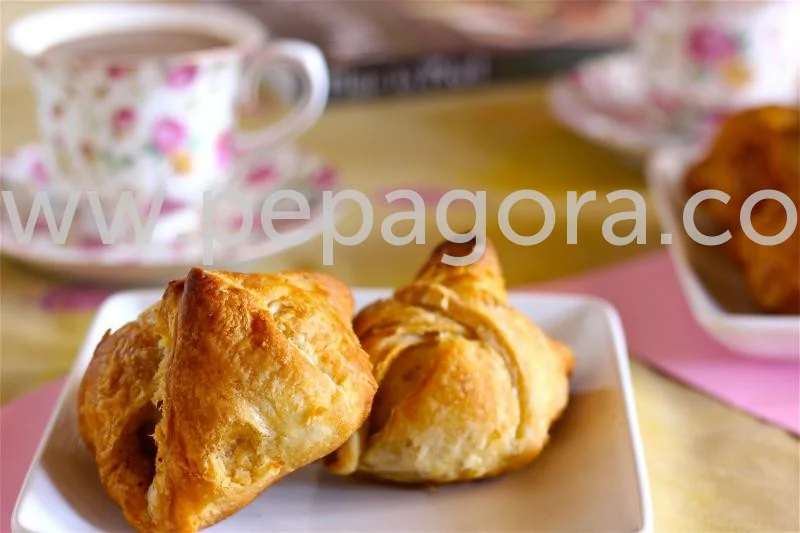
Danishes and puffs are a category of baked goods known for their flaky, buttery layers and sweet or savory fillings. Danishes are typically made from a yeast-leavened dough that incorporates layers of butter, resulting in a rich flavor and light texture. Puffs, on the other hand, are often made from puff pastry, which is a dough that expands when baked due to steam trapped between layers of fat and dough. This results in a pastry that is airy and delicate, ideal for a variety of fillings.
These products are commonly used in various business sectors, including food service, catering, and retail. They are popular for breakfast offerings, snacks, and desserts. Danishes and puffs can be filled with ingredients such as fruits, custards, or savory mixtures, making them versatile for different culinary applications. In the context of the food industry, these pastries not only enhance menu offerings but also attract customers looking for quality baked goods.
In recent years, the demand for Danishes and puffs has seen significant growth, driven by consumer preferences for convenient yet indulgent food options. As the food and beverage market evolves, businesses are increasingly incorporating these pastries into their product lines, catering to diverse tastes and dietary needs.
𝗞𝗲𝘆 𝗙𝗲𝗮𝘁𝘂𝗿𝗲𝘀 𝗮𝗻𝗱 𝗦𝗽𝗲𝗰𝗶𝗳𝗶𝗰𝗮𝘁𝗶𝗼𝗻𝘀
Danishes and puffs are characterized by several key features that make them appealing to both consumers and businesses. These features ensure that the products meet quality standards and consumer expectations.
Key specifications include:
1. Dough Composition
- Made from high-quality flour and butter
- Varies in fat content for different textures
2. Filling Options
- Available in sweet (e.g., fruit, cream cheese) and savory (e.g., cheese, meats) varieties
- Customizable to meet specific culinary needs
3. Baking Temperature
- Typically baked at high temperatures (around 375°F to 425°F)
- Ensures proper puffing and browning
4. Shelf Life
- Generally has a shelf life of 1 to 2 days at room temperature
- Can be frozen for extended storage
5. Size Variations
- Available in various sizes, from mini pastries to larger portions
- Tailored for different serving needs
6. Packaging Options
- Packaged for retail or food service use
- Protective packaging to maintain freshness
7. Nutritional Information
- Varies based on ingredients and preparation methods
- Can include allergens such as gluten and dairy
8. Certification
- Compliant with food safety standards (e.g., CE certification)
In summary, Danishes and puffs offer a range of specifications that cater to diverse culinary applications while maintaining quality and safety.
𝗖𝗼𝗺𝗺𝗼𝗻 𝗔𝗽𝗽𝗹𝗶𝗰𝗮𝘁𝗶𝗼𝗻𝘀 𝗮𝗻𝗱 𝗨𝘀𝗲 𝗖𝗮𝘀𝗲𝘀
Danishes and puffs serve a wide range of industries, making them a versatile product for various business applications.
1. Food Service: Many restaurants and cafes use Danishes and puffs as part of their breakfast menus or dessert selections. These pastries can enhance the dining experience and attract customers.
2. Catering: Catering companies often include these pastries in their offerings for events and gatherings. They are easy to transport and serve, making them ideal for buffets and parties.
3. Retail: Grocery stores and bakeries frequently stock Danishes and puffs in their pastry sections, catering to consumers looking for convenient snack options.
4. Hospitality: Hotels and resorts utilize these pastries for breakfast buffets and room service menus, providing guests with a touch of indulgence during their stay.
5. Food Manufacturing: Some food manufacturers produce frozen Danishes and puffs for wholesale distribution, enabling other businesses to offer high-quality pastries without the need for in-house baking.
6. Snack Foods: With the rise of on-the-go eating, Danishes and puffs are increasingly marketed as portable snack options, appealing to busy consumers.
7. Seasonal Promotions: Many businesses use these pastries for seasonal promotions, such as holiday-themed flavors, to attract customers and boost sales.
𝗣𝗿𝗼𝗱𝘂𝗰𝘁 𝗩𝗮𝗿𝗶𝗮𝗻𝘁𝘀 𝗮𝗻𝗱 𝗦𝘂𝗯𝗰𝗮𝘁𝗲𝗴𝗼𝗿𝗶𝗲𝘀
Danishes and puffs come in a variety of forms, each offering unique features and flavors.
Classic Danish
The classic Danish is filled with sweet fillings such as fruit or cream cheese. It is known for its rich buttery flavor and flaky texture, making it a favorite for breakfast or dessert.
Savory Puff
Savory puffs are filled with ingredients like cheese, spinach, or meats. They are perfect for appetizers or snacks, providing a delightful balance of flaky pastry and savory fillings.
Fruit-filled Danish
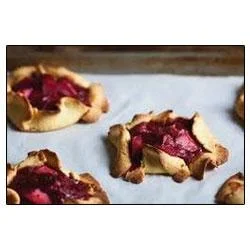
These Danishes are specifically designed to highlight fruit flavors, often featuring seasonal fruits in their fillings. They are popular for their fresh taste and vibrant presentation.
Cheese Puff
Cheese puffs are made with rich cheese fillings and are ideal for cheese lovers. They are often served as appetizers or party snacks.
𝗕𝗲𝗻𝗲𝗳𝗶𝘁𝘀 𝗮𝗻𝗱 𝗔𝗱𝘃𝗮𝗻𝘁𝗮𝗴𝗲𝘀
Danishes and puffs offer numerous benefits that make them an attractive choice for businesses.
1. Versatility: These pastries can be filled with a wide range of ingredients, allowing businesses to cater to different tastes and dietary preferences.
2. Convenience: Danishes and puffs are easy to store and serve, making them ideal for food service and catering applications.
3. Attractive Presentation: Their flaky texture and variety of fillings make these pastries visually appealing, enhancing the overall dining experience.
4. Quick Preparation: Many variants can be prepared quickly, allowing businesses to serve customers efficiently.
5. Customization: Businesses can tailor fillings and sizes to meet specific consumer demands, creating unique offerings.
6. Profit Margins: Danishes and puffs can provide high-profit margins for food service businesses due to their relatively low production costs and high consumer demand.
𝗕𝘂𝘆𝗶𝗻𝗴 𝗚𝘂𝗶𝗱𝗲 𝗳𝗼𝗿 𝗕𝟮𝗕 𝗕𝘂𝘆𝗲𝗿𝘀
When sourcing Danishes and puffs, B2B buyers should consider several key factors to ensure they make informed purchasing decisions.
1. Quality Assessment: Evaluate the quality of ingredients used in the pastries. Look for suppliers that prioritize high-quality flour and butter to ensure the best flavor and texture.
2. Supplier Verification: Conduct thorough research to vet suppliers. Ensure they have a good reputation and adhere to food safety standards.
3. Pricing and MOQ: Understand the pricing structure and minimum order quantities required by suppliers. Compare costs to find the best value without compromising quality.
4. Delivery and Lead Times: Discuss logistics with suppliers to determine delivery schedules. Ensure they can meet your timelines for production and service.
5. Compliance Requirements: Verify that suppliers comply with relevant food safety regulations and certifications, such as CE, to ensure product safety and quality.
𝗖𝗼𝗺𝗽𝗹𝗶𝗮𝗻𝗰𝗲 𝗮𝗻𝗱 𝗖𝗲𝗿𝘁𝗶𝗳𝗶𝗰𝗮𝘁𝗶𝗼𝗻𝘀
Danishes and puffs must adhere to various quality and safety standards to ensure they are safe for consumption. Relevant quality standards include ISO 9001, which focuses on quality management systems, and HACCP, which emphasizes food safety through hazard analysis and critical control points. Additionally, compliance with Good Distribution Practices (GDP) ensures that products are handled safely throughout the supply chain.
Industry certifications, such as CE certification, indicate that products meet European safety, health, and environmental protection standards. These certifications are crucial in building trust with customers and ensuring compliance with market regulations.
Furthermore, safety and testing requirements are vital to ensure the quality and safety of the final product. This may include testing for allergens and contaminants. Regional compliance considerations may vary, so it is essential to be aware of local regulations in the markets where the products will be sold.
𝗪𝗵𝘆 𝗦𝗼𝘂𝗿𝗰𝗲 𝗗𝗮𝗻𝗶𝘀𝗵𝗲𝘀 & 𝗣𝘂𝗳𝗳𝘀 𝗳𝗿𝗼𝗺 𝗣𝗲𝗽𝗮𝗴𝗼𝗿𝗮?
Pepagora offers a reliable platform for sourcing Danishes and puffs, providing several advantages for B2B buyers.
Verified Supplier Network: Pepagora connects buyers with a network of verified suppliers who are committed to quality and compliance. This reduces the risk of sourcing from unreliable vendors.
Streamlined RFQ Process: The platform simplifies the request for quotation process, allowing buyers to receive competitive quotes from multiple suppliers quickly. This efficiency saves time and effort in sourcing.
Trade Assurance and Support: Buyers are protected through trade assurance programs that ensure product quality and timely delivery. Pepagora also offers support throughout the sourcing process, assisting buyers with any concerns.
Regional Coverage: With a focus on markets in India, the GCC, and Southeast Asia, Pepagora provides extensive regional coverage, making it easier for buyers to find suitable suppliers in their respective markets.
Newly Added





Recently Added
JM Breads Pvt Ltd
Frozen Chocolate Cake Eco Friendly Stocked Round Square
Bulk Black Forest Chocolate Butter Cake 1kg 6 Week Shelf Life
Premium Wholesale Birthday Cakes Bulk Supply For Bakeries
Basil Agro Technologies Limited
Bulk Basil Refined Oil For Food Manufacturing And Supplements
Basil Mustard Oil Premium Cold Pressed For Food Manufacturing
Basil Chicken Masala Premium Spice Blend For Restaurants
CR Chef Kitchen
Premium Birthday Cake Plain For Bakeries And Distributors
Browni Cake Premium Dessert For Cafes And Retail
Premium Fresh Fruit Cakes For Distributors And Retailers
S S D Oil Mills Company Ltd
Rice Bran Oil For Food Manufacturing And Hospitality
Premium Vanaspathy Edible Oil For Commercial Food Production
Commercial Baking Puff Vanaspathi For Lamination And Pastry
Why Businesses Trust Pepagora
Thousands of companies trust Pepagora to source smarter and sell faster
Expand Your Sales Globally
25000+Products listed.Get discovered by global buyers
Tools to boost visibility
Build your own catalog

Source Smarter,Grow Faster
4000+Active RFQs
100+ Countries served
Easy Sourcing Tools
