
 IN
INundefined
Dairy Processing Machines
16 products available
𝗪𝗵𝗮𝘁 𝗮𝗿𝗲 𝗗𝗮𝗶𝗿𝘆 𝗣𝗿𝗼𝗰𝗲𝘀𝘀𝗶𝗻𝗴 𝗠𝗮𝗰𝗵𝗶𝗻𝗲𝘀?
Dairy Processing Machines are specialized equipment designed to facilitate the production and processing of dairy products. These machines are essential for operations such as milk pasteurization, cheese production, yogurt manufacturing, and butter making. By automating and streamlining various dairy processes, these machines ensure efficiency, consistency, and quality in the final products.
These machines find primary use in dairy processing plants and factories, where large quantities of milk are transformed into various dairy products. They are integral to operations that require precise temperature control, mixing, and separation of components. The ability to handle diverse processes makes them suitable for both small-scale and large-scale dairy operations, meeting the demands of varying market segments.
The dairy industry is significant in many economies, and the demand for Dairy Processing Machines is driven by the need for quality assurance and efficiency in production. As health consciousness rises among consumers, the focus on high-quality dairy products has intensified, boosting the market for advanced processing technologies. With this context, the relevance of Dairy Processing Machines becomes increasingly critical in maintaining competitive advantage.
𝗞𝗲𝘆 𝗙𝗲𝗮𝘁𝘂𝗿𝗲𝘀 𝗮𝗻𝗱 𝗦𝗽𝗲𝗰𝗶𝗳𝗶𝗰𝗮𝘁𝗶𝗼𝗻𝘀
Dairy Processing Machines are characterized by various features and specifications that enhance their functionality and reliability. These specifications can vary based on the specific type of machine and its intended use.
Key specifications include:
1. Capacity
- The volume of milk processed per hour or day
- Typically ranges from small units processing a few liters to large-scale machines handling thousands of liters
2. Power Consumption
- Energy requirements for operation
- Usually measured in kilowatts, with efficiency being a key consideration
3. Material Construction
- Commonly made from stainless steel or food-grade materials for hygiene
- Ensures durability and resistance to corrosion
4. Heating and Cooling Systems
- Mechanisms for controlling temperature during processing
- Can include direct steam injection or indirect methods
5. Automation Level
- Extent of automation in operation
- Ranges from manual controls to fully automated systems with digital interfaces
6. Cleaning Mechanism
- Features for easy cleaning and maintenance
- Often includes automated cleaning systems to ensure hygiene
7. Compliance Standards
- Adherence to industry standards such as CE certification
- Ensures safety and reliability in operation
8. Control Systems
- Advanced monitoring and control systems for process management
- May include touch screens and software integration for data logging
In summary, the specifications of Dairy Processing Machines play a crucial role in their operational efficiency and compliance with industry standards. Accurate selection based on these features is essential for optimizing production processes.
𝗖𝗼𝗺𝗺𝗼𝗻 𝗔𝗽𝗽𝗹𝗶𝗰𝗮𝘁𝗶𝗼𝗻𝘀 𝗮𝗻𝗱 𝗨𝘀𝗲 𝗖𝗮𝘀𝗲𝘀
Dairy Processing Machines serve a variety of industries, reflecting their versatility and importance in dairy production.
1. Cheese Manufacturing: These machines are used for curdling milk and separating whey, essential steps in cheese production. Automated processes ensure consistent quality and texture.
2. Yogurt Production: Machines designed for yogurt processing manage fermentation and heat treatment, crucial for developing the desired flavor and consistency.
3. Ice Cream Production: Specialized machines mix ingredients and freeze them to create ice cream. They allow for precise control over the mixing and freezing processes.
4. Butter Making: Equipment for churning cream into butter is vital in dairy plants, enabling efficient production while maintaining quality.
5. Milk Pasteurization: Machines that pasteurize milk eliminate harmful bacteria, ensuring safety and extending shelf life. They play a critical role in dairy processing.
6. Powdered Milk Production: These machines evaporate and spray-dry milk to produce milk powder, widely used in various food products.
7. Whey Processing: Equipment designed to handle whey byproducts allows producers to create protein supplements, enhancing product lines.
𝗣𝗿𝗼𝗱𝘂𝗰𝘁 𝗩𝗮𝗿𝗶𝗮𝗻𝘁𝘀 𝗮𝗻𝗱 𝗦𝘂𝗯𝗰𝗮𝘁𝗲𝗴𝗼𝗿𝗶𝗲𝘀
Dairy Processing Machines come in various forms, each designed for specific tasks within the dairy industry.
Pasteurizers
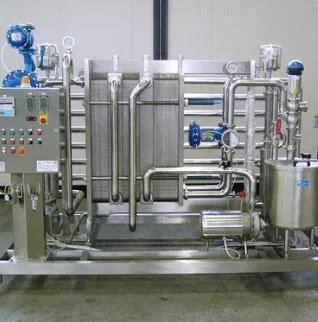
These machines are essential for heat treatment of milk. They ensure safety by eliminating pathogens. Pasteurizers are available in both batch and continuous flow designs.
Cheese Makers
Specialized for cheese production, these machines handle curd formation and whey separation. They often include features for temperature control and mixing.
Yogurt Makers
Designed to manage fermentation processes, yogurt makers maintain precise temperatures and conditions for optimal yogurt production.
Cream Separators
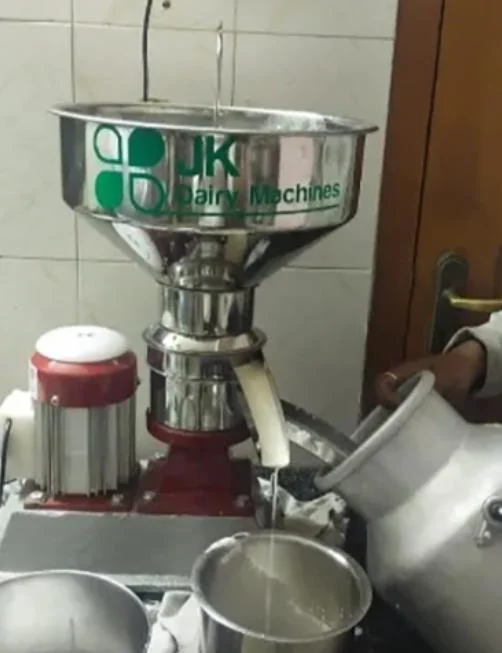
These machines efficiently separate cream from milk, allowing dairy producers to create products with varying fat content.
Butter Churns
Used for transforming cream into butter, these machines facilitate the churning process and can be adjusted for different batch sizes.
𝗕𝗲𝗻𝗲𝗳𝗶𝘁𝘀 𝗮𝗻𝗱 𝗔𝗱𝘃𝗮𝗻𝘁𝗮𝗴𝗲𝘀
Dairy Processing Machines provide numerous benefits that enhance production efficiency and product quality.
1. Increased Efficiency: Automating dairy processes reduces the time and labor required in production.
2. Consistent Quality: Advanced technology ensures that each batch meets the same high standards, providing reliability in product quality.
3. Enhanced Safety: Compliance with safety standards protects both workers and consumers, minimizing risks associated with dairy processing.
4. Cost-Effectiveness: Over time, the investment in efficient machines leads to lower operational costs and higher profit margins.
5. Versatility: These machines can often be adapted for various dairy products, allowing producers to diversify their offerings.
6. Improved Hygiene: Modern designs prioritize cleanliness and sanitation, essential in food production environments.
𝗕𝘂𝘆𝗶𝗻𝗴 𝗚𝘂𝗶𝗱𝗲 𝗳𝗼𝗿 𝗕𝟮𝗕 𝗕𝘂𝘆𝗲𝗿𝘀
When sourcing Dairy Processing Machines, it is vital to consider several key factors to make informed purchasing decisions.
1. Quality Assessment: Evaluate the quality of materials and construction. Look for machines that comply with industry standards to ensure durability and reliability.
2. Supplier Verification: Research potential suppliers thoroughly. Check for reviews, certifications, and their history in the industry to ensure they meet your quality requirements.
3. Pricing and MOQ: Understand the pricing structure and minimum order quantities. Compare quotes from different suppliers to find competitive rates.
4. Delivery and Lead Times: Inquire about expected delivery times and logistics. Timely delivery is crucial for maintaining production schedules.
5. Compliance Requirements: Ensure that the machines adhere to relevant regulatory standards in your region, including safety and environmental regulations.
𝗖𝗼𝗺𝗽𝗹𝗶𝗮𝗻𝗰𝗲 𝗮𝗻𝗱 𝗖𝗲𝗿𝘁𝗶𝗳𝗶𝗰𝗮𝘁𝗶𝗼𝗻𝘀
Compliance and certifications are critical in ensuring Dairy Processing Machines meet industry standards and safety requirements.
Key certifications include CE, which indicates that the machines conform to health, safety, and environmental protection standards set by the European Union. This certification is crucial for manufacturers looking to market their products in Europe.
Additionally, adherence to quality standards such as ISO 9001 ensures that manufacturing processes are efficient and produce consistent quality. HACCP compliance is also essential, focusing on food safety management to prevent hazards.
Safety testing is another critical aspect, as machines must undergo rigorous evaluations to confirm their operational safety. Regional compliance considerations vary, as different regions may have specific regulations governing dairy processing equipment.
𝗪𝗵𝘆 𝗦𝗼𝘂𝗿𝗰𝗲 𝗗𝗮𝗶𝗿𝘆 𝗣𝗿𝗼𝗰𝗲𝘀𝘀𝗶𝗻𝗴 𝗠𝗮𝗰𝗵𝗶𝗻𝗲𝘀 𝗳𝗿𝗼𝗺 𝗣𝗲𝗽𝗮𝗴𝗼𝗿𝗮?
Pepagora offers a reliable platform for sourcing Dairy Processing Machines, providing numerous advantages to buyers.
Verified Supplier Network: Pepagora connects buyers with a network of verified suppliers, ensuring a reliable source of quality machinery. This verification process reduces the risk of dealing with unverified vendors.
Streamlined RFQ Process: The platform simplifies the request for quotation process, enabling buyers to quickly obtain competitive quotes from multiple suppliers. This efficiency helps in making informed purchasing decisions.
Trade Assurance and Support: Pepagora provides trade assurance, protecting buyers from potential risks associated with transactions. Their dedicated support team is available to assist throughout the buying process.
Regional Coverage: With a strong presence in India, the GCC, and Southeast Asia, Pepagora offers extensive geographic reach. This coverage allows buyers to access a wide array of suppliers and products suited to their specific needs.
By leveraging these advantages, businesses can enhance their sourcing experience and secure high-quality Dairy Processing Machines tailored to their production requirements.
Newly Added


Recently Added
Eletech Engineering
Industrial Continuous Frying Lines For High Volume Snack Production
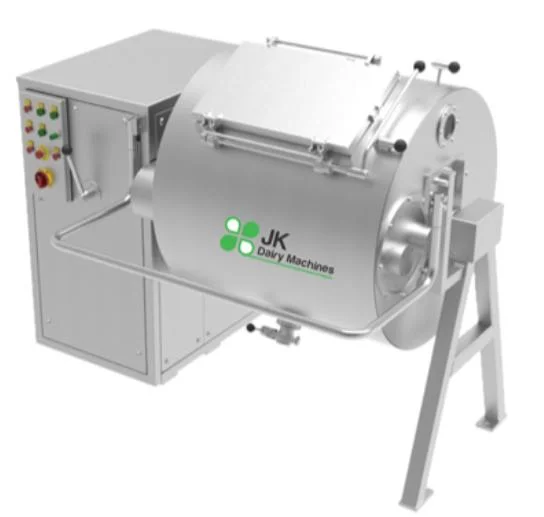
Industrial Pre Cream Mixer For Dairy And Food Processing
Industrial Rectangle Batch Fryer For Snacks Chips Food Production
JK Dairy Machines
Industrial Cooling Towers For HVAC Manufacturing Chemical Processing
Stainless Steel Plate Heat Exchanger For HVAC And Industrial Systems
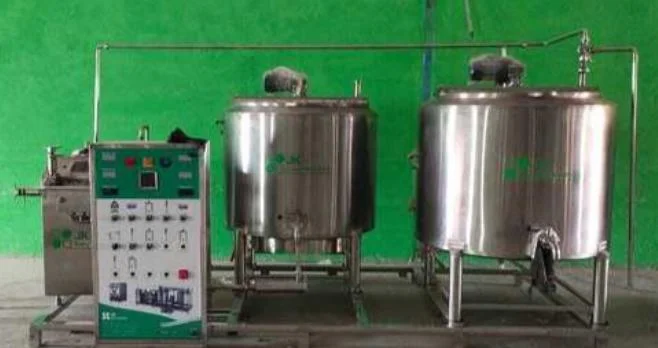
Dairy Farm Premium Ice Bank Tanks For Rapid Milk Cooling
Breweries Filter Systems Private Limited
Industrial Pumps For Slurry And Liquid Transfer In Demanding Sectors
Industrial Preheaters For Manufacturing With Precise Temperature Control
Industrial External Tube Boilers Compact Robust Reliable Performance
Lakshmi Enterprises
Commercial Coconut Cutting Machine Semi Automatic 50 100/Hour 415V
Commercial Semi Automatic Tender Coconut Cutting Machine 800 Pcs/Hr
Commercial Coconut Peeling Machine Semi Automatic 100/Hour 1.5 HP
GOMA ENGINEERING PVT LTD
Juice Processing Line With Fruit Washing, Pulping, Packaging, CIP
Beverage Manufacturing Premium Juice Processing Machine With CIP System
High Performance Homogeniser Machine for Dairy, Juice, and Chemical Processing
Bhakti Engineering
Fruit Feeder Machine For Automated Food Processing Industries
Industrial Ice Cream Cone Filling Machine For High Volume Production
Ice Cream Fruit Feeders Durable High Performance Equipment
Skylark Engineers
Industrial Tilting Steam Kettle 110C 3 Kg/Sq Commercial Cooking Equipment
Industrial Bottle Sterilizers 150 2880 Bottles Steam Retort Machine
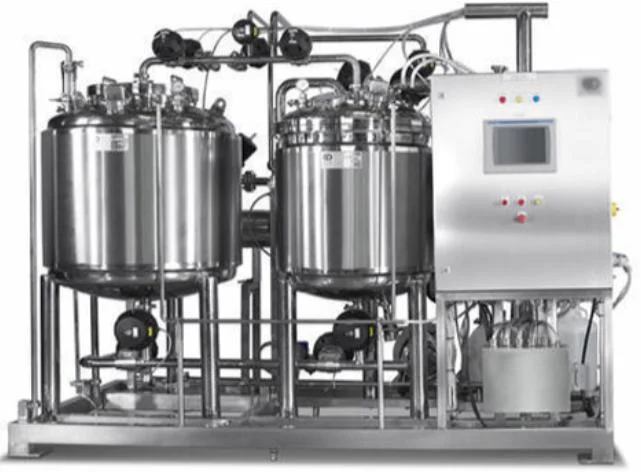
Industrial Milk Pasteuriser Processing Line 300Lph To 5000Lph
Flow Tech Engineers
Industrial Stainless Steel Butter Churners 250L To 3000L Capacity
Dairy Farm Milk Chillers SS 304/316 500L 20000L Efficient Cooling
Dairy Milk Silos Premium Cold Storage Tanks Hygienic Temperature Control
Aman Engineering Works
Stainless Steel Mineral Water Filling Sealing Machine For Beverages
Food Beverage Manufacturing AT 1HD Cup Filling Sealing Machine 840 900 Cups/Hour
Industrial High Speed Flour Packaging Machine For Powder And Granular Materials
Master Food Tech
Industrial Water Chilling Plants For Precise Temperature Control
Commercial Fisheries Plants Efficient Seafood Processing Equipment
Industrial Blast Freezers With Microprocessor Temperature Control
Why Businesses Trust Pepagora
Thousands of companies trust Pepagora to source smarter and sell faster
Expand Your Sales Globally
25000+Products listed.Get discovered by global buyers
Tools to boost visibility
Build your own catalog

Source Smarter,Grow Faster
4000+Active RFQs
100+ Countries served
Easy Sourcing Tools
