
 IN
INundefined
Custom Workholding Tools
3 products available
𝗪𝗵𝗮𝘁 𝗮𝗿𝗲 𝗖𝘂𝘀𝘁𝗼𝗺 𝗪𝗼𝗿𝗸𝗵𝗼𝗹𝗱𝗶𝗻𝗴 𝗧𝗼𝗼𝗹𝘀?
Custom workholding tools are specialized devices designed to securely hold and support workpieces during machining and manufacturing processes. These tools are tailored to meet specific requirements based on the shape, size, and material of the workpiece, ensuring precision and stability during operations. Customization allows manufacturers to improve workflow efficiency and reduce cycle times by providing tailored solutions that traditional workholding methods may not adequately address.
The primary uses of custom workholding tools include CNC machining, milling, drilling, and assembly operations across various industrial sectors. Businesses leverage these tools to enhance productivity, minimize material waste, and achieve higher accuracy in their manufacturing processes. Additionally, as industries evolve, the demand for versatile and adaptable workholding solutions continues to rise, making these tools critical in maintaining competitive advantages.
In the current market context, the relevance of custom workholding tools spans multiple industries, including automotive, aerospace, and electronics. As manufacturing processes become more complex, the need for innovative workholding solutions that cater to diverse applications is paramount. This trend signifies a growing market for custom workholding tools, which enhance operational capabilities and support advanced manufacturing techniques.
𝗞𝗲𝘆 𝗙𝗲𝗮𝘁𝘂𝗿𝗲𝘀 𝗮𝗻𝗱 𝗦𝗽𝗲𝗰𝗶𝗳𝗶𝗰𝗮𝘁𝗶𝗼𝗻𝘀
Custom workholding tools offer a variety of features designed to address specific machining needs. The specifications of these tools can vary widely based on the intended application and industry requirements. Understanding these features is crucial for businesses looking to implement effective workholding solutions.
Key specifications include:
1. Material Composition
- Typically made from high-strength metals or composites
- Ensures durability and resistance to wear and deformation
2. Clamping Mechanism
- Can include manual, pneumatic, or hydraulic options
- Provides flexibility depending on operational needs
3. Size Range
- Customizable to fit specific workpiece dimensions
- Accommodates a wide variety of shapes and sizes
4. Load Capacity
- Designed to support various weights, depending on the application
- Vital for ensuring stability during machining processes
5. Customization Options
- Allows for tailored designs based on client specifications
- Enhances compatibility with existing machinery
6. Surface Finish
- Options for anodized, painted, or untreated surfaces
- Important for reducing friction and improving tool life
7. Changeover Time
- Designed for quick adjustments and ease of use
- Minimizes downtime between production runs
8. Compliance Standards
- Adheres to industry-specific quality and safety standards
- Ensures reliability and performance in diverse applications
In summary, custom workholding tools are characterized by their adaptability and ability to meet specific operational requirements, making them invaluable in modern manufacturing environments.
𝗖𝗼𝗺𝗺𝗼𝗻 𝗔𝗽𝗽𝗹𝗶𝗰𝗮𝘁𝗶𝗼𝗻𝘀 𝗮𝗻𝗱 𝗨𝘀𝗲 𝗖𝗮𝘀𝗲𝘀
Custom workholding tools are essential across many industries, enhancing manufacturing processes by providing tailored solutions.
1. Automotive: In the automotive sector, custom workholding tools are used for precision machining of engine components and assembly fixtures. These tools ensure that parts are securely held in place, allowing for high accuracy during production.
2. Aerospace: Aerospace manufacturers utilize custom workholding tools for critical operations such as machining turbine blades and airframe components. The need for precision and safety makes these tools vital in maintaining industry standards.
3. Electronics: In the electronics industry, custom workholding tools are used for assembling circuit boards and other delicate components. Their design helps to prevent damage while ensuring effective handling during production.
4. Medical Devices: Custom workholding tools support the manufacturing of medical devices, where precision and hygiene are paramount. These tools are designed to accommodate sensitive materials and intricate geometries.
5. Defense: In the defense sector, custom workholding tools are critical for producing specialized equipment and components. These tools provide the necessary stability and accuracy for high-stakes applications.
6. Oil and Gas: Custom workholding tools are employed in the oil and gas industry for the fabrication of drilling equipment and components, ensuring robust performance in challenging environments.
7. Robotics: In robotics, custom workholding tools facilitate the assembly and testing of robotic arms and systems. Their adaptability allows for efficient integration into various production lines.
𝗣𝗿𝗼𝗱𝘂𝗰𝘁 𝗩𝗮𝗿𝗶𝗮𝗻𝘁𝘀 𝗮𝗻𝗱 𝗦𝘂𝗯𝗰𝗮𝘁𝗲𝗴𝗼𝗿𝗶𝗲𝘀
The diversity of custom workholding tools allows businesses to select solutions that best fit their operational needs. While specific subcategories are not available, various types of tools can be customized to serve different applications effectively.
Mechanical Clamps
Mechanical clamps offer adjustable and reliable holding solutions for a range of workpieces. They provide manual locking mechanisms that allow quick changes and adjustments, making them suitable for low-volume production runs.
Magnetic Workholding Systems
Magnetic workholding systems utilize magnetic forces to secure ferromagnetic workpieces. This type of holding tool is ideal for quick setups and intricate machining tasks, providing flexibility and ease of use.
Vacuum Workholding Systems
Vacuum workholding systems use suction to hold lightweight or irregularly shaped parts in place. They are commonly used in woodworking and plastics manufacturing, where traditional clamping may not be effective.
𝗕𝗲𝗻𝗲𝗳𝗶𝘁𝘀 𝗮𝗻𝗱 𝗔𝗱𝘃𝗮𝗻𝘁𝗮𝗴𝗲𝘀
Custom workholding tools deliver significant advantages for manufacturers looking to enhance their production processes.
1. Increased Efficiency: Custom tools are designed to fit specific applications, reducing setup times and increasing overall productivity on the shop floor.
2. Improved Accuracy: By providing tailored support for workpieces, these tools minimize movement during machining, leading to higher precision and better product quality.
3. Reduced Material Waste: With proper workholding, manufacturers can optimize material usage, cutting down on scrap and rework costs.
4. Enhanced Flexibility: Custom workholding tools can be adapted to various applications, allowing businesses to pivot quickly based on changing production needs.
5. Long-term Durability: Made from high-quality materials, custom workholding tools are built to withstand rigorous use, reducing the need for frequent replacements.
6. Compliance with Industry Standards: Custom tools can be designed to meet specific quality and safety standards, ensuring that manufacturers adhere to regulatory requirements.
𝗕𝘂𝘆𝗶𝗻𝗴 𝗚𝘂𝗶𝗱𝗲 𝗳𝗼𝗿 𝗕𝟮𝗕 𝗕𝘂𝘆𝗲𝗿𝘀
When sourcing custom workholding tools, businesses should consider several key factors to ensure effective procurement.
1. Quality Assessment: Evaluate the materials and construction of the tools to ensure they meet performance expectations. Look for tools that comply with industry standards for reliability and safety.
2. Supplier Verification: It is crucial to vet suppliers thoroughly. Consider their reputation, experience in the industry, and ability to provide support and service for the tools.
3. Pricing and MOQ: Understand the cost structure for custom workholding tools and any minimum order quantities that may apply. Compare prices among different suppliers to find the best value.
4. Delivery and Lead Times: Discuss delivery schedules with suppliers to ensure timely receipt of tools. Assess their ability to meet production timelines based on your operational needs.
5. Compliance Requirements: Ensure that the tools comply with relevant industry standards and regulations. This includes certifications that guarantee safety and effectiveness in specific applications.
𝗖𝗼𝗺𝗽𝗹𝗶𝗮𝗻𝗰𝗲 𝗮𝗻𝗱 𝗖𝗲𝗿𝘁𝗶𝗳𝗶𝗰𝗮𝘁𝗶𝗼𝗻𝘀
Custom workholding tools must adhere to various quality standards to ensure their performance and safety in industrial applications. ISO 9001 is a widely recognized standard for quality management systems, ensuring that manufacturers maintain consistent quality in their production processes.
Certification marks such as CE indicate compliance with European safety standards, which is crucial for tools used in international markets. Additionally, adherence to industry-specific safety and testing requirements is essential. This includes evaluations that confirm the tools can withstand operational stresses and perform reliably under various conditions.
Regional compliance considerations are also important. Different regions may have specific regulations that govern the use of industrial tools. Manufacturers should ensure that their custom workholding tools comply with these local laws to avoid regulatory issues and enhance market acceptance.
𝗪𝗵𝘆 𝗦𝗼𝘂𝗿𝗰𝗲 𝗖𝘂𝘀𝘁𝗼𝗺 𝗪𝗼𝗿𝗸𝗵𝗼𝗹𝗱𝗶𝗻𝗴 𝗧𝗼𝗼𝗹𝘀 𝗳𝗿𝗼𝗺 𝗣𝗲𝗽𝗮𝗴𝗼𝗿𝗮?
Pepagora provides a trusted platform for sourcing custom workholding tools, offering several key advantages for businesses looking to enhance their production capabilities.
Verified Supplier Network: Pepagora ensures that all suppliers are thoroughly vetted, providing buyers with confidence in the quality and reliability of the tools they procure. This verification process helps mitigate risks associated with sourcing.
Streamlined RFQ Process: The platform features an efficient Request for Quotation (RFQ) system, allowing buyers to easily request quotes from multiple suppliers. This competitive approach enables businesses to find the best pricing and terms for their needs.
Trade Assurance and Support: Pepagora offers trade assurance and support to protect buyers throughout the procurement process. This includes assistance with dispute resolution and ensuring that suppliers meet their commitments.
Regional Coverage: With a strong presence across India, the GCC, and Southeast Asia, Pepagora offers extensive geographic coverage. This enables businesses to source custom workholding tools locally, reducing lead times and shipping costs while supporting regional manufacturing initiatives.
Newly Added


Recently Added
Asia Dental Depot
Premium Dental Equipment For Professional Practices Worldwide
Industrial Medical Laboratory Nitrile Gloves Premium Puncture Resistant
Medical Industrial Latex Examination Gloves Premium Barrier Protection
Chopson Engineering Co.
Industrial Air Compressor Spares Breathers Center Coolers Crankcase
Industrial All Geared Lathe Machine for Precision Turning and Threading
Industrial Backup Power Birla Power KVA Genset For Uninterrupted Operations
Alfa Machine Tools Private Limited
Industrial Precision Cast Iron Box Angle Plate For Machining Inspection
Precision Granite Surface Plates With Metal T Slots For Industrial Metrology
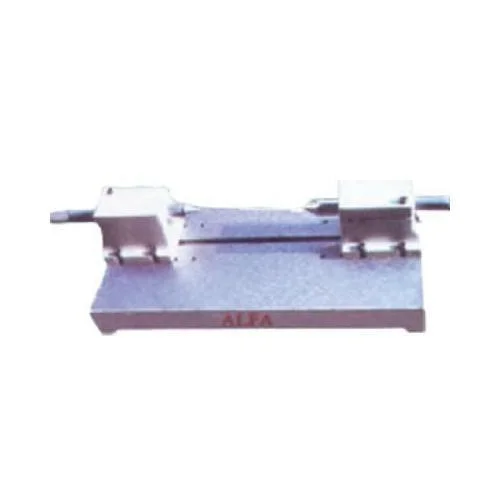
Precision Granite Bench Centre With Adjustable Cast Iron Heads
Achieve Automation I Pvt Ltd
Precision CNC Metal Parts For Industrial Machinery & Automation Components
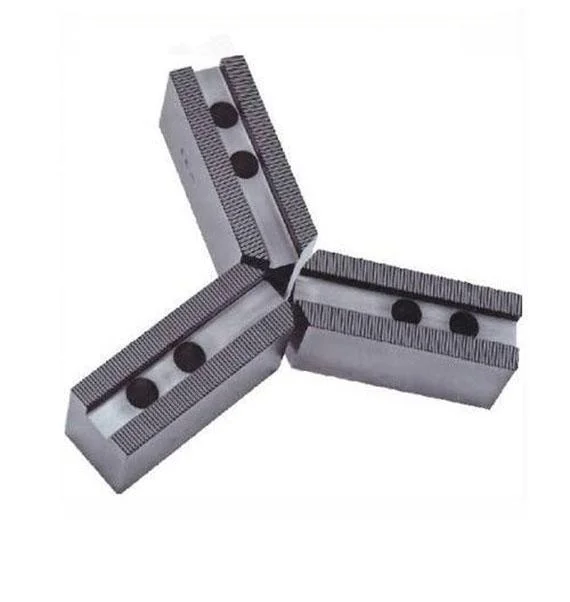
Industrial CNC Workholding: Precision Soft Jaws for Machining Operations
Precision CNC Workholding Special Jaws For Complex Workpieces
Govardhan Carbon And Electricals
Industrial Tablet Enclosure 10x12x6mm Metal Graphite For Factory Warehouse
Industrial Motor Generator Electro Graphite Carbon Brushes 20x19x8 mm
Industrial Tablet Enclosure 20x8x6 Inch Rugged Metal Housing Factory Protection
Why Businesses Trust Pepagora
Thousands of companies trust Pepagora to source smarter and sell faster
Expand Your Sales Globally
25000+Products listed.Get discovered by global buyers
Tools to boost visibility
Build your own catalog

Source Smarter,Grow Faster
4000+Active RFQs
100+ Countries served
Easy Sourcing Tools
