
 IN
INundefined
Custom Feed & Equipment Suppliers
2 products available
𝗪𝗵𝗮𝘁 𝗮𝗿𝗲 𝗖𝘂𝘀𝘁𝗼𝗺 𝗙𝗲𝗲𝗱 & 𝗘𝗾𝘂𝗶𝗽𝗺𝗲𝗻𝘁 𝗦𝘂𝗽𝗽𝗹𝗶𝗲𝗿𝘀?
Custom Feed & Equipment Suppliers provide specialized products and services tailored to meet the unique needs of businesses in the agricultural and livestock industries. These suppliers design and manufacture equipment for the preparation and distribution of custom feed formulations. Their offerings can include feed mixers, storage systems, and delivery equipment that are essential for optimizing feed quality and efficiency.
The primary uses of Custom Feed & Equipment Suppliers revolve around enhancing livestock productivity and improving feed management systems. Businesses in animal husbandry and aquaculture rely on these suppliers to ensure that the feed provided to their animals is specifically formulated for optimal growth and health. By customizing feed mixtures to suit specific animal dietary requirements, these suppliers help businesses achieve better economic returns.
In the context of a competitive market, Custom Feed & Equipment Suppliers play a critical role in promoting sustainable agricultural practices. As the demand for high-quality animal products continues to grow, suppliers are increasingly focused on developing innovative solutions that address both productivity and environmental concerns. By leveraging advanced technologies, these suppliers contribute to the industry's overall efficiency and sustainability.
𝗞𝗲𝘆 𝗙𝗲𝗮𝘁𝘂𝗿𝗲𝘀 𝗮𝗻𝗱 𝗦𝗽𝗲𝗰𝗶𝗳𝗶𝗰𝗮𝘁𝗶𝗼𝗻𝘀
Custom Feed & Equipment Suppliers offer a range of features that cater to the diverse needs of the agricultural sector. The specifications of these products are designed to enhance their functionality and reliability.
Key specifications include:
1. Equipment Type
- Various equipment types such as mixers, storage bins, and delivery systems.
- Options for different sizes and capacities to meet specific operational needs.
2. Material Quality
- Use of durable materials suitable for agricultural environments.
- Resistance to corrosion and wear for longevity.
3. Customization Options
- Ability to tailor equipment based on specific feed formulations.
- Integration of advanced technology for monitoring and control.
4. Efficiency Ratings
- Performance metrics that indicate the efficiency of feed production and distribution.
- Energy consumption rates for sustainable operation.
5. Safety Features
- Compliance with safety regulations to ensure operator protection.
- Emergency stop mechanisms and fail-safes included.
6. Maintenance Requirements
- Guidelines for routine maintenance to ensure optimal performance.
- Availability of service support from suppliers.
7. Compliance Standards
- Adherence to industry standards and regulations such as CE certification.
- Quality assurance protocols in place.
8. Lead Time
- Typical production and delivery timelines to ensure timely supply.
- Flexibility in lead times based on order size.
In summary, the specifications and features of Custom Feed & Equipment Suppliers are designed to provide businesses with reliable and efficient solutions tailored to their specific needs.
𝗖𝗼𝗺𝗺𝗼𝗻 𝗔𝗽𝗽𝗹𝗶𝗰𝗮𝘁𝗶𝗼𝗻𝘀 𝗮𝗻𝗱 𝗨𝘀𝗲 𝗖𝗮𝘀𝗲𝘀
Custom Feed & Equipment Suppliers serve a wide range of industries, each with unique requirements for feed management and equipment.
1. Livestock Farming: In livestock operations, custom feed solutions are essential for formulating diets that meet the nutritional needs of cattle, pigs, and poultry. This helps improve growth rates and overall health.
2. Aquaculture: Fish farms utilize specialized feed equipment to deliver nutritionally balanced feed mixes that optimize fish growth and health, ensuring sustainable production practices.
3. Dairy Farming: Custom feed formulations are critical in dairy farming to enhance milk production and quality. Equipment designed for mixing and distributing feed efficiently is vital.
4. Pet Food Production: Suppliers provide equipment tailored for the pet food industry, allowing manufacturers to create custom blends that meet specific dietary requirements for pets.
5. Horse Breeding: Custom feed suppliers offer specialized equipment to create feeds that support the unique needs of different horse breeds, focusing on health and performance.
6. Organic Farming: With a growing demand for organic products, suppliers are developing equipment that supports the production of organic feed, meeting regulatory standards.
7. Poultry Processing: Custom feed equipment is utilized in poultry processing facilities to ensure that feed is delivered consistently and meets the nutritional needs of the birds.
𝗣𝗿𝗼𝗱𝘂𝗰𝘁 𝗩𝗮𝗿𝗶𝗮𝗻𝘁𝘀 𝗮𝗻𝗱 𝗦𝘂𝗯𝗰𝗮𝘁𝗲𝗴𝗼𝗿𝗶𝗲𝘀
The diversity of products offered by Custom Feed & Equipment Suppliers allows businesses to choose equipment that best fits their operational needs.
Feed Mixing Equipment
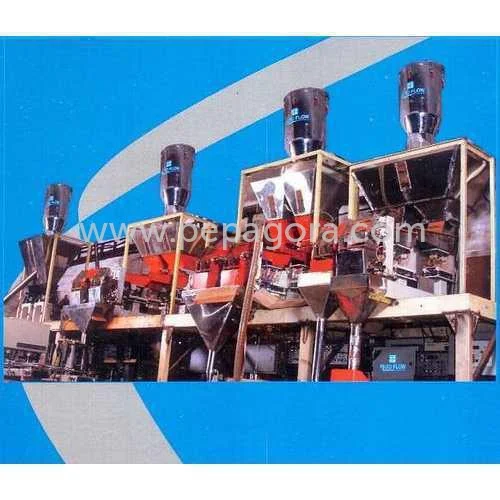
This variant is designed for blending various feed ingredients into a uniform mixture. It typically features adjustable settings to cater to different feed formulations and is essential for ensuring consistent quality.
Storage Solutions
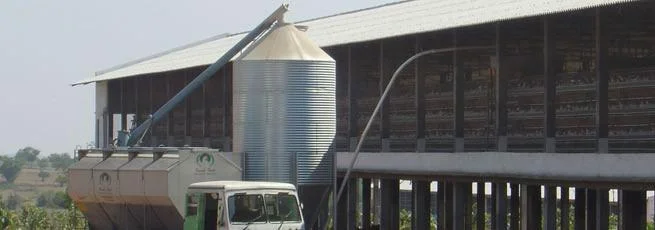
These include silos and bins that provide secure storage for bulk feed. They are engineered to protect feed from moisture and contamination while allowing for easy access and distribution.
Delivery Systems
These systems are designed to transport feed from storage to feeding areas efficiently. They can be customized for different facility layouts and are crucial for maintaining a smooth operational flow.
𝗕𝗲𝗻𝗲𝗳𝗶𝘁𝘀 𝗮𝗻𝗱 𝗔𝗱𝘃𝗮𝗻𝘁𝗮𝗴𝗲𝘀
The benefits of sourcing from Custom Feed & Equipment Suppliers are significant for businesses looking to enhance their operations.
1. Improved Feed Efficiency: Custom feed formulations lead to better nutrient absorption, resulting in healthier livestock and optimized growth rates.
2. Cost Savings: By using tailored feed solutions, businesses can reduce waste and lower overall feed costs, leading to improved profitability.
3. Enhanced Productivity: Efficient equipment designed for specific operational needs streamlines processes, allowing for increased output with reduced labor.
4. Customization: Suppliers offer tailored solutions that meet the diverse dietary requirements of various animal species, ensuring optimal health and performance.
5. Regulatory Compliance: By sourcing from certified suppliers, businesses ensure that their feed production meets industry regulations, reducing legal risks.
6. Technical Support: Many suppliers provide ongoing support and maintenance services, ensuring that equipment remains operational and efficient over time.
𝗕𝘂𝘆𝗶𝗻𝗴 𝗚𝘂𝗶𝗱𝗲 𝗳𝗼𝗿 𝗕𝟮𝗕 𝗕𝘂𝘆𝗲𝗿𝘀
When sourcing Custom Feed & Equipment Suppliers, it is essential to consider several key factors to ensure that you choose the right provider for your needs.
1. Quality Assessment: Evaluate the quality of materials and construction used in the equipment. Look for suppliers who adhere to industry standards for durability and safety.
2. Supplier Verification: Conduct thorough research to verify suppliers' credentials and reputation in the market. Assess their experience and client testimonials.
3. Pricing and MOQ: Understand the pricing structure and minimum order quantities (MOQ) required by the supplier. Ensure that these align with your budget and operational needs.
4. Delivery and Lead Times: Inquire about production timelines and delivery schedules. Confirm that the supplier can meet your deadlines without compromising quality.
5. Compliance Requirements: Ensure that the supplier complies with relevant regulations and certifications. This is crucial for maintaining industry standards in your operations.
𝗖𝗼𝗺𝗽𝗹𝗶𝗮𝗻𝗰𝗲 𝗮𝗻𝗱 𝗖𝗲𝗿𝘁𝗶𝗳𝗶𝗰𝗮𝘁𝗶𝗼𝗻𝘀
Compliance and certifications play a crucial role in the operations of Custom Feed & Equipment Suppliers. Relevant quality standards such as ISO 9001 ensure that suppliers maintain high-quality management systems. Adhering to HACCP (Hazard Analysis Critical Control Point) guidelines is essential for food safety, particularly in the feed industry.
Additionally, industry certifications like CE indicate that products meet European safety and performance standards. Compliance with these standards is vital for building trust with clients and ensuring product reliability.
Furthermore, suppliers must adhere to safety and testing requirements, including regular inspections and certifications to affirm that equipment operates safely and effectively. Regional compliance considerations may vary, so it is important for suppliers to be aware of and address specific local regulations.
𝗪𝗵𝘆 𝗦𝗼𝘂𝗿𝗰𝗲 𝗖𝘂𝘀𝘁𝗼𝗺 𝗙𝗲𝗲𝗱 & 𝗘𝗾𝘂𝗶𝗽𝗺𝗲𝗻𝘁 𝗦𝘂𝗽𝗽𝗹𝗶𝗲𝗿𝘀 𝗳𝗿𝗼𝗺 𝗣𝗲𝗽𝗮𝗴𝗼𝗿𝗮?
Pepagora stands out as a trusted platform for sourcing Custom Feed & Equipment Suppliers, providing several key advantages for businesses.
Verified Supplier Network: Pepagora maintains a network of verified suppliers, ensuring that businesses can connect with reputable partners. This verification process helps reduce risks associated with sourcing.
Streamlined RFQ Process: The platform offers a streamlined Request for Quotation (RFQ) process, allowing buyers to easily request quotes from multiple suppliers. This efficiency saves time and enhances decision-making.
Trade Assurance and Support: Pepagora provides trade assurance that protects buyers' investments. This support includes assistance with disputes and guarantees that transactions are secure.
Regional Coverage: With extensive geographic reach in regions like India, GCC, and Southeast Asia, Pepagora connects businesses with local suppliers who understand regional market conditions and requirements. This coverage enhances accessibility and responsiveness in sourcing.
In conclusion, Pepagora offers a comprehensive solution for businesses seeking reliable Custom Feed & Equipment Suppliers, making it an ideal choice for enhancing operational efficiency and sustainability.
Newly Added


Recently Added
Gartech Equipments Pvt Ltd
Poultry Farm Automated Egg Collection Nest System Eco Friendly Durable
Industrial Fan Pad Cooling System Galvanized Steel Evaporative Climate Control
Poultry Farm Automatic Feeding System Eco Friendly Durable Non Metal
Fluid Flow Systems
Industrial Stainless Steel Hopper For Material Handling OEM
Industrial Metal Blower Panel For Ventilation And Cooling
Industrial Packaging Conveyor System For Coal Mining Metal OEM
Why Businesses Trust Pepagora
Thousands of companies trust Pepagora to source smarter and sell faster
Expand Your Sales Globally
25000+Products listed.Get discovered by global buyers
Tools to boost visibility
Build your own catalog

Source Smarter,Grow Faster
4000+Active RFQs
100+ Countries served
Easy Sourcing Tools
