
 IN
INundefined
Custom Cutting Tools
11 products available
𝗪𝗵𝗮𝘁 𝗮𝗿𝗲 𝗖𝘂𝘀𝘁𝗼𝗺 𝗖𝘂𝘁𝘁𝗶𝗻𝗴 𝗧𝗼𝗼𝗹𝘀?
Custom cutting tools are specialized instruments designed to cut, shape, or finish materials with precision and efficiency. These tools are engineered based on specific requirements, allowing manufacturers to create tailored solutions that meet the unique needs of various applications. Unlike standard cutting tools, custom options can be adapted in terms of size, shape, material, and coating, ensuring optimal performance in different industrial environments.
These tools are utilized across numerous sectors, including automotive, aerospace, metalworking, and woodworking. Businesses rely on custom cutting tools for tasks ranging from machining complex components to enhancing manufacturing processes. The ability to customize tools not only improves productivity but also contributes to reducing waste and increasing the quality of the final products. As industries evolve, the demand for precision and efficiency in cutting applications continues to drive the market for custom cutting tools.
𝗞𝗲𝘆 𝗙𝗲𝗮𝘁𝘂𝗿𝗲𝘀 𝗮𝗻𝗱 𝗦𝗽𝗲𝗰𝗶𝗳𝗶𝗰𝗮𝘁𝗶𝗼𝗻𝘀
Custom cutting tools come with a variety of features and specifications designed to enhance their performance and adaptability. Understanding these specifications is crucial for selecting the right tool for your specific needs.
Key specifications include:
1. Tool Material
- Custom cutting tools can be made from high-speed steel, carbide, cermet, or ceramic materials.
- Each material offers different hardness and wear resistance characteristics.
2. Tool Geometry
- The design, including angles and profiles, is customized for the intended application.
- Variations in geometry can affect cutting speed and efficiency.
3. Coating Options
- Tools may feature coatings such as TiN, TiAlN, or diamond to improve performance.
- Coatings enhance hardness and reduce friction, prolonging tool life.
4. Diameter and Length
- Tools can be manufactured in various diameters and lengths to fit specific machinery.
- Custom dimensions ensure compatibility with existing equipment.
5. Tolerance Levels
- Precision tolerances are tailored to meet specific industry standards.
- Critical for ensuring fit and functionality in high-accuracy applications.
6. Cutting Edge Configuration
- Customization of the cutting edge can optimize material removal rates.
- Options include straight, spiral, and serrated edges.
7. Cooling Features
- Some tools are designed to allow for coolant flow to reduce heat during cutting.
- Effective cooling can improve tool life and surface finish.
8. Application-Specific Design
- Tools can be tailored for various processing techniques like drilling, milling, or grinding.
- Custom designs enhance performance in specific materials or operations.
Overall, these specifications play a vital role in determining the effectiveness and suitability of custom cutting tools for various industrial applications.
𝗖𝗼𝗺𝗺𝗼𝗻 𝗔𝗽𝗽𝗹𝗶𝗰𝗮𝘁𝗶𝗼𝗻𝘀 𝗮𝗻𝗱 𝗨𝘀𝗲 𝗖𝗮𝘀𝗲𝘀
Custom cutting tools have a broad range of applications across several industries, making them integral to various manufacturing processes.
1. Automotive: In the automotive industry, custom cutting tools are used for machining engine components, gears, and other intricate parts that require high precision and durability.
2. Aerospace: Aerospace manufacturing relies heavily on custom tools for shaping and cutting lightweight yet strong materials like titanium and aluminum, ensuring structural integrity and performance.
3. Metalworking: Custom cutting tools are essential in metalworking for tasks such as milling, turning, and drilling, allowing for the fabrication of complex metal parts with tight tolerances.
4. Woodworking: In woodworking, custom tools are used for creating specialized cuts and shapes, enhancing craftsmanship and efficiency in furniture and cabinetry production.
5. Electronics: The electronics industry utilizes precision cutting tools for manufacturing circuit boards and components, where accuracy is crucial for functionality.
6. Medical Devices: Custom cutting tools are vital for producing medical devices, where precision and compliance with regulatory standards are paramount.
7. Oil and Gas: In the oil and gas sector, custom tools are employed for drilling and cutting operations in harsh environments, ensuring reliability and efficiency.
𝗣𝗿𝗼𝗱𝘂𝗰𝘁 𝗩𝗮𝗿𝗶𝗮𝗻𝘁𝘀 𝗮𝗻𝗱 𝗦𝘂𝗯𝗰𝗮𝘁𝗲𝗴𝗼𝗿𝗶𝗲𝘀
Custom cutting tools come in diverse forms to cater to specific operational needs. Each variant offers unique features and advantages tailored to particular applications.
End Mills
End mills are versatile cutting tools used for milling operations. They can be customized in terms of diameter, flute count, and coating for improved performance and efficiency in various materials.
Drills
Custom drills are designed for specific hole sizes and depths. Their geometry can be tailored for optimal chip removal and cooling, making them suitable for different substrates and applications.
Reamers
Reamers are used to achieve precise hole sizes and finishes. Custom reamers can be designed to meet specific tolerances and surface finishes required in high-precision industries.
Taps
Custom taps are essential for creating internal threads in materials. They can be modified for different thread profiles and materials, ensuring compatibility with various fasteners.
𝗕𝗲𝗻𝗲𝗳𝗶𝘁𝘀 𝗮𝗻𝗱 𝗔𝗱𝘃𝗮𝗻𝘁𝗮𝗴𝗲𝘀
Investing in custom cutting tools provides several key benefits that enhance manufacturing processes and overall productivity.
1. Improved Efficiency: Custom tools are designed to optimize cutting processes, resulting in faster production times and reduced cycle times.
2. Enhanced Precision: Tailored specifications ensure high accuracy and consistency in manufacturing, leading to superior product quality.
3. Reduced Waste: Custom cutting tools can minimize material waste by providing precise cuts and shapes, contributing to cost savings.
4. Extended Tool Life: High-quality materials and coatings used in custom tools improve durability, reducing the frequency of replacements and maintenance.
5. Specialized Performance: Customization allows tools to be optimized for specific materials and applications, improving overall performance.
6. Competitive Advantage: Businesses that utilize custom cutting tools can achieve higher quality products, differentiating themselves in the market.
𝗕𝘂𝘆𝗶𝗻𝗴 𝗚𝘂𝗶𝗱𝗲 𝗳𝗼𝗿 𝗕𝟮𝗕 𝗕𝘂𝘆𝗲𝗿𝘀
When sourcing custom cutting tools, it is essential to consider several factors to ensure you select the most suitable options for your operations.
1. Quality Assessment: Evaluate the quality of materials and manufacturing processes used in custom cutting tools. Look for certifications that indicate adherence to industry standards.
2. Supplier Verification: Conduct thorough research on suppliers. Check for their reputation, experience, and ability to deliver custom solutions that meet your specifications.
3. Pricing and MOQ: Understand the pricing structure and minimum order quantities (MOQ) offered by suppliers. Ensure that these align with your budget and production needs.
4. Delivery and Lead Times: Discuss lead times for production and delivery. Timely availability of custom tools is crucial for maintaining production schedules.
5. Compliance Requirements: Ensure that the custom cutting tools meet relevant industry regulations and safety standards. This includes certifications like CE and adherence to quality standards.
𝗖𝗼𝗺𝗽𝗹𝗶𝗮𝗻𝗰𝗲 𝗮𝗻𝗱 𝗖𝗲𝗿𝘁𝗶𝗳𝗶𝗰𝗮𝘁𝗶𝗼𝗻𝘀
Quality and safety are paramount in the production of custom cutting tools. Various standards and certifications govern these tools to ensure their reliability and performance.
ISO 9001 is a widely recognized standard that outlines quality management principles. Manufacturers of custom cutting tools often adhere to this standard to ensure consistent quality in their products.
CE certification indicates that a product meets European Union safety and environmental requirements. Custom cutting tools with CE marking assure users of compliance with essential safety standards.
Additionally, manufacturers must consider safety and testing requirements specific to their region and industry. This includes ensuring that tools are tested for performance and durability under standard operating conditions.
Regional compliance considerations vary by market. Understanding local regulations is crucial for manufacturers and buyers to ensure that custom cutting tools are suitable for their intended applications.
𝗪𝗵𝘆 𝗦𝗼𝘂𝗿𝗰𝗲 𝗖𝘂𝘀𝘁𝗼𝗺 𝗖𝘂𝘁𝘁𝗶𝗻𝗴 𝗧𝗼𝗼𝗹𝘀 𝗳𝗿𝗼𝗺 𝗣𝗲𝗽𝗮𝗴𝗼𝗿𝗮?
Pepagora offers an excellent platform for sourcing custom cutting tools, providing several advantages that benefit B2B buyers.
Verified Supplier Network: Pepagora connects buyers with a network of verified suppliers, ensuring that you source high-quality custom tools from reputable manufacturers. This network is essential for mitigating risks associated with sourcing.
Streamlined RFQ Process: The request for quotation (RFQ) process on Pepagora is designed to be user-friendly and efficient. Buyers can easily submit their requirements and receive competitive quotes, saving time and simplifying procurement.
Trade Assurance and Support: Pepagora provides trade assurance to protect buyers throughout the purchasing process. This includes support for any issues that may arise, ensuring a smooth transaction.
Regional Coverage: With a strong presence in India, the GCC, and Southeast Asia, Pepagora offers regional coverage that facilitates sourcing custom cutting tools tailored to specific market needs. This geographic reach enhances accessibility and convenience for buyers in diverse locations.
Newly Added


Recently Added
Accutec Tooling Systems
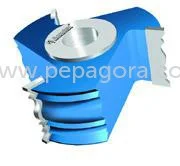
Industrial TCT Brazed Grooving Cutters For Woodworking And Metalworking
Professional Adjustable Grooving Cutter TCT Brazed For Woodworking Metalworking
Woodworking TCT Brazed Post Form Tooling For Precision Edge Forming
AL Yousuf General Trading LLC
Buffalo Coated Abrasive Paper For Automotive Metal Industrial Sanding
Industrial Epoxy Repair Compounds For Metal Concrete Plastic Bonding
Automotive Battery Cables Premium Finolex Durable Heat Resistant
Bharat Surgical Co
Rotatable Reverse Punch Surgical Instrument For Orthopedic Arthroscopic Procedures
Professional Bone Cutter Sharp Blade Corrosion Resistant Medical Veterinary
Industrial Ring Scissors For Precision Cutting In Textile Packaging
DELLATECNICA
Industrial Panel Saws For Woodworking And Manufacturing Efficiency
Industrial Precision Panel Saws For Woodworking And Cabinetry
Industrial Heavy Duty Precision Panel Saws For Professional Woodworking
A. P. Steel Co.
Industrial Press Cutting Tools For Iron And Steel Plates
Industrial Metal Fabrication Precision Squares Cutting Services
T Shirt Cutting Services For Apparel Manufacturers And Fashion Brands
Bharat Industries
9 Inch Kitchen Knife Stainless Steel Blister Pack Master Box 50 Pcs
Premium 10 Inch Steak Knives Bulk Blister Pack 50 Pieces
Professional Kitchen 11 Inch Carving Knife High Carbon Steel Ergonomic
Bharat Machine Tools
Professional Jewelry Making Tools For Suppliers And Artisans
Industrial Upright Drills For Apparel Manufacturing Precision Stitching
Professional Jewellery Drilling Machines for Gold Silver Gemstones Precision
Vigshan Tools
Industrial Side And Face Cutters For Brass Hinges With Sharp Teeth
Industrial Jigs And Fixtures For Precision Manufacturing And Assembly
Industrial Woodruff Cutters For Precise Keyway Machining In Steel
Arun Carbide Tools
Premium Carbide Chisels for Industrial Engineering and Metalworking
Industrial Tungsten Carbide Drills For Metalworking And Construction
Industrial Profile Milling Cutters Tungsten Carbide HSS Precision
Chopson Engineering Co.
Industrial Air Compressor Spares Breathers Center Coolers Crankcase
Industrial All Geared Lathe Machine for Precision Turning and Threading
Industrial Backup Power Birla Power KVA Genset For Uninterrupted Operations
Why Businesses Trust Pepagora
Thousands of companies trust Pepagora to source smarter and sell faster
Expand Your Sales Globally
25000+Products listed.Get discovered by global buyers
Tools to boost visibility
Build your own catalog

Source Smarter,Grow Faster
4000+Active RFQs
100+ Countries served
Easy Sourcing Tools
