
 IN
INundefined
Curd & Yogurt
1 products available
𝗪𝗵𝗮𝘁 𝗮𝗿𝗲 𝗖𝘂𝗿𝗱 & 𝗬𝗼𝗴𝘂𝗿𝘁?
Curd and yogurt are dairy products produced through the fermentation of milk. Curd is formed by adding a culture of bacteria to milk, leading to the coagulation of proteins, which thickens the milk into a creamy texture. Yogurt, on the other hand, is a fermented dairy product that often contains additional flavors or fruit, making it a popular snack or ingredient in various cuisines. Both products are rich in probiotics, which are beneficial for digestive health.
In the business context, curd and yogurt serve a range of applications across food service, retail, and manufacturing sectors. Restaurants and cafes use them as ingredients in dishes or as standalone products. Manufacturers incorporate them into a variety of food items, such as salad dressings, smoothies, and desserts. The growing trend towards healthy eating has led to an increased demand for these products, making them relevant in contemporary food markets.
The industry context for curd and yogurt is robust, with a steady growth trajectory driven by consumer awareness of health benefits. The rise of vegetarian and health-conscious diets has further boosted the market for these dairy products. Additionally, innovations in packaging and preservation technology are expanding their shelf life and accessibility, ensuring they remain staples in many households and businesses.
𝗞𝗲𝘆 𝗙𝗲𝗮𝘁𝘂𝗿𝗲𝘀 𝗮𝗻𝗱 𝗦𝗽𝗲𝗰𝗶𝗳𝗶𝗰𝗮𝘁𝗶𝗼𝗻𝘀
Curd and yogurt are characterized by various features that determine their quality and suitability for different applications. Understanding these specifications is crucial for businesses looking to incorporate these products into their offerings.
Key specifications include:
1. Texture and Consistency
- Creamy and smooth texture is ideal.
- Varies between thick and pourable based on formulation.
2. Flavor Profile
- Options range from plain to flavored varieties.
- Taste can be influenced by the bacterial cultures used.
3. Nutritional Content
- Rich in protein, calcium, and live probiotics.
- Low in fat options available for health-conscious consumers.
4. Shelf Life
- Typically ranges from 2 to 4 weeks when refrigerated.
- Extended shelf life options may be available through specialized packaging.
5. Packaging Types
- Available in bulk containers, single-serve cups, or pouches.
- Eco-friendly packaging options are increasingly popular.
6. Fermentation Time
- Varies depending on product type, usually between 4 to 24 hours.
- Longer fermentation can enhance flavor and probiotic content.
7. Temperature Control
- Requires refrigeration to maintain quality and safety.
- Ideal storage temperature is between 2°C to 4°C.
8. Compliance with Standards
- Must meet relevant food safety and quality standards.
- Certification such as CE may apply for certain markets.
Understanding these specifications helps businesses make informed decisions on sourcing and utilizing curd and yogurt in their operations.
𝗖𝗼𝗺𝗺𝗼𝗻 𝗔𝗽𝗽𝗹𝗶𝗰𝗮𝘁𝗶𝗼𝗻𝘀 𝗮𝗻𝗱 𝗨𝘀𝗲 𝗖𝗮𝘀𝗲𝘀
Curd and yogurt have versatile applications across various industries. Their nutritional benefits and culinary uses make them valuable ingredients.
1. Food Service Industry: Restaurants utilize curd and yogurt in sauces, dressings, and as sides. Their ability to enhance flavor while providing health benefits makes them popular choices.
2. Retail Sector: Supermarkets and health food stores offer a range of yogurt products. Consumers often seek various flavors and formats, including low-fat and organic options.
3. Dairy Manufacturing: Producers incorporate curd and yogurt into cheese, desserts, and snack items. The versatility of these products allows for creative culinary innovations.
4. Health and Wellness: Nutritional supplements and meal replacements often include yogurt for its probiotic content. This industry focuses on health-conscious consumers seeking functional foods.
5. Bakery Products: Yogurt is used in baking to improve moisture and texture in cakes and breads. Its acidity can also enhance leavening in baked goods.
6. Frozen Desserts: Yogurt serves as a base for frozen treats, offering a healthier alternative to traditional ice creams. This market segment is growing as consumers opt for lower-calorie options.
7. International Cuisine: Curd and yogurt are staples in many global cuisines, such as Indian and Middle Eastern dishes. They are essential for recipes like raita, tzatziki, and more.
𝗣𝗿𝗼𝗱𝘂𝗰𝘁 𝗩𝗮𝗿𝗶𝗮𝗻𝘁𝘀 𝗮𝗻𝗱 𝗦𝘂𝗯𝗰𝗮𝘁𝗲𝗴𝗼𝗿𝗶𝗲𝘀
The diversity of curd and yogurt products allows for various preferences and applications in the market. Different variants cater to specific consumer needs and culinary uses.
Plain Yogurt
Plain yogurt is a versatile option that serves as a base for sauces, smoothies, and desserts. It is favored for its simplicity and health benefits, often sought after by health-conscious consumers.
Greek Yogurt
Greek yogurt is known for its thicker consistency and higher protein content. It is a popular choice for breakfast bowls, dips, and as a healthy snack option, appealing to those looking for a nutritious food source.
Flavored Yogurt
Flavored yogurt comes in a variety of tastes, including fruit, vanilla, and chocolate. This variant appeals to a broader audience, including children, as it offers a sweet treat with added health benefits.
Non-Dairy Yogurt
With the rise of plant-based diets, non-dairy yogurt options made from almond, coconut, or soy are gaining traction. These products cater to lactose-intolerant consumers or those preferring vegan alternatives.
Low-Fat Yogurt
Low-fat yogurt provides a healthier option for those monitoring their fat intake. It is ideal for fitness enthusiasts and individuals looking to enjoy dairy without the extra calories.
𝗕𝗲𝗻𝗲𝗳𝗶𝘁𝘀 𝗮𝗻𝗱 𝗔𝗱𝘃𝗮𝗻𝘁𝗮𝗴𝗲𝘀
The benefits of curd and yogurt extend beyond their culinary uses, offering significant advantages for businesses and consumers alike.
Key benefits include:
1. Nutritional Value: Curd and yogurt are rich in essential nutrients, including protein, calcium, and probiotics, promoting overall health and wellness.
2. Versatility: These products can be used in various culinary applications, making them suitable for a wide range of recipes and dietary needs.
3. Digestive Health: The probiotics found in yogurt support gut health, making it a popular choice among health-conscious consumers.
4. Consumer Demand: With rising interest in healthy eating, the demand for curd and yogurt continues to grow, making them advantageous products for businesses to offer.
5. Easy to Market: Their health benefits and versatility allow for effective marketing to different consumer segments, including fitness enthusiasts and families.
6. Sustainable Options: Many producers are now offering eco-friendly packaging solutions, appealing to environmentally conscious consumers.
𝗕𝘂𝘆𝗶𝗻𝗴 𝗚𝘂𝗶𝗱𝗲 𝗳𝗼𝗿 𝗕𝟮𝗕 𝗕𝘂𝘆𝗲𝗿𝘀
When considering the purchase of curd and yogurt for business purposes, several key factors should be taken into account to ensure quality and satisfaction.
1. Quality Assessment: Evaluate the quality of curd and yogurt by checking for freshness, texture, and flavor. Look for products that meet industry standards and have a good shelf life.
2. Supplier Verification: It is essential to vet suppliers to ensure they maintain high production standards and comply with food safety regulations. This can involve reviewing certifications and conducting site visits if possible.
3. Pricing and MOQ: Understand pricing structures and minimum order quantities (MOQ) to determine the feasibility of sourcing. Consider bulk purchasing for cost savings where applicable.
4. Delivery and Lead Times: Assess logistics and delivery schedules to ensure timely replenishment of stock. Reliable suppliers should provide clear timelines for order fulfillment.
5. Compliance Requirements: Familiarize yourself with relevant compliance standards and regulations related to food safety and quality. Ensure that products sourced meet these requirements to avoid potential issues.
𝗖𝗼𝗺𝗽𝗹𝗶𝗮𝗻𝗰𝗲 𝗮𝗻𝗱 𝗖𝗲𝗿𝘁𝗶𝗳𝗶𝗰𝗮𝘁𝗶𝗼𝗻𝘀
Compliance with industry standards is critical when sourcing curd and yogurt. Products should meet quality standards such as ISO 9001 and HACCP, ensuring they are produced under safe and hygienic conditions.
Certifications like CE may also be relevant, particularly for products intended for export or specific markets. It is essential to verify that suppliers hold the necessary certifications to guarantee product quality and safety.
Furthermore, safety and testing requirements must be adhered to, ensuring that products are free from contaminants and suitable for consumption. Regional compliance considerations should also be taken into account, as regulations may vary between countries.
𝗪𝗵𝘆 𝗦𝗼𝘂𝗿𝗰𝗲 𝗖𝘂𝗿𝗱 & 𝗬𝗼𝗴𝘂𝗿𝘁 𝗳𝗿𝗼𝗺 𝗣𝗲𝗽𝗮𝗴𝗼𝗿𝗮?
Pepagora provides a trusted platform for sourcing curd and yogurt, featuring several key advantages for B2B buyers.
Verified Supplier Network: Pepagora connects buyers with a network of verified suppliers, ensuring that products meet high-quality standards. This network helps mitigate risks associated with sourcing from unverified sources.
Streamlined RFQ Process: The platform offers a straightforward Request for Quotation (RFQ) process, allowing buyers to easily request pricing and availability from multiple suppliers. This efficiency helps businesses make timely purchasing decisions.
Trade Assurance and Support: Pepagora emphasizes buyer protection through trade assurance measures. This ensures that transactions are secure and that buyers receive the products they expect.
Regional Coverage: With a wide geographic reach encompassing India, the GCC, and Southeast Asia, Pepagora supports businesses looking to source curd and yogurt across diverse markets. This broad coverage enhances accessibility for buyers seeking quality dairy products.


Recently Added
Ajay Exim
Professional Clay Biryani Pots With Logo Impression And Multicolor Packing
Clay Firni Bowl Heat Resistant Lead Free Food Preparation
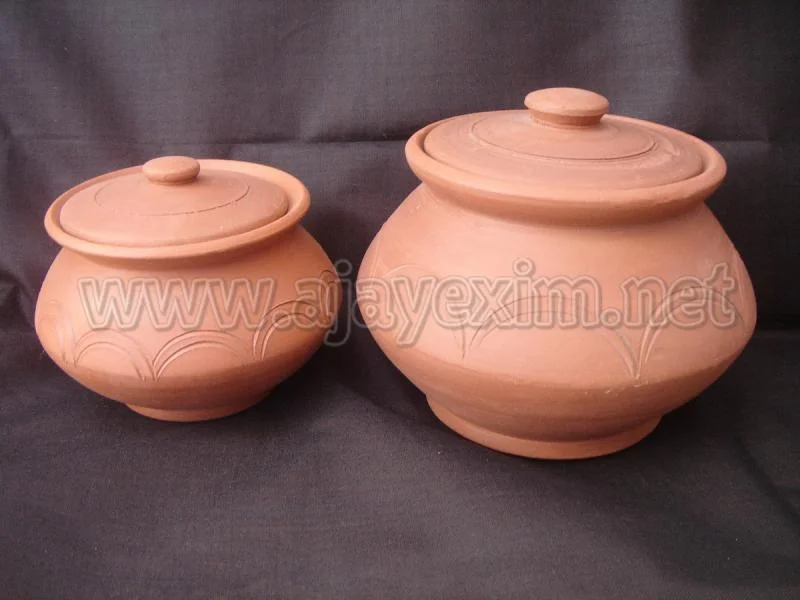
Commercial Clay Curd Pots For Yogurt Production With Logo Impression
Why Businesses Trust Pepagora
Thousands of companies trust Pepagora to source smarter and sell faster
Expand Your Sales Globally
25000+Products listed.Get discovered by global buyers
Tools to boost visibility
Build your own catalog

Source Smarter,Grow Faster
4000+Active RFQs
100+ Countries served
Easy Sourcing Tools
