
 IN
INundefined
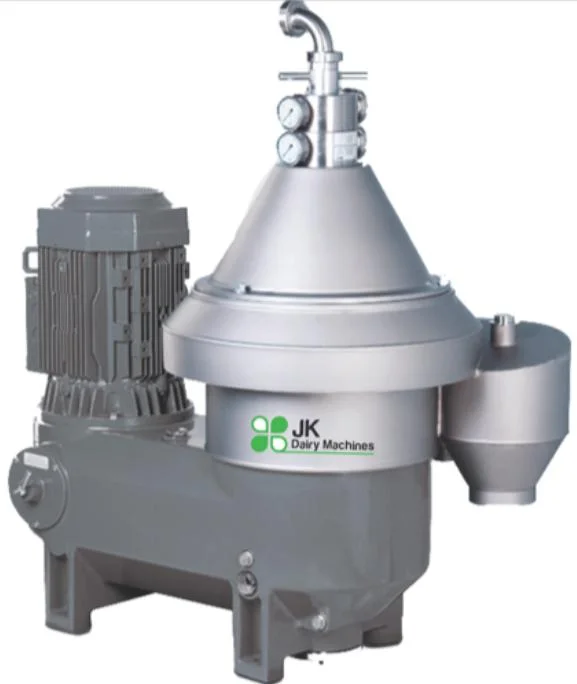
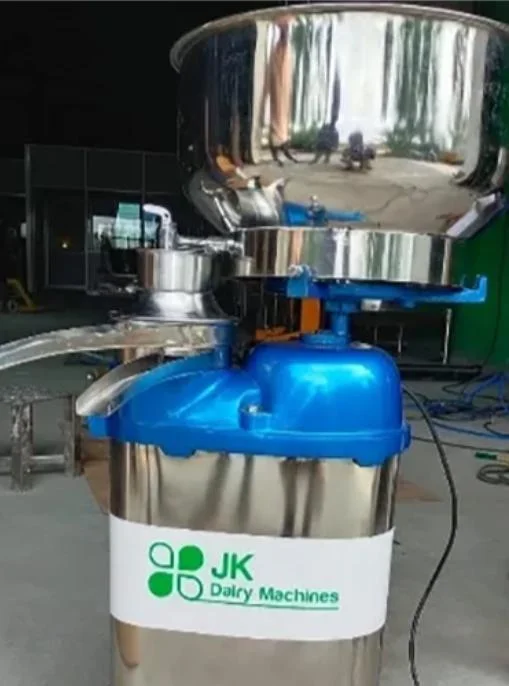
Cream Separators
3 products available
𝗪𝗵𝗮𝘁 𝗮𝗿𝗲 𝗖𝗿𝗲𝗮𝗺 𝗦𝗲𝗽𝗮𝗿𝗮𝘁𝗼𝗿𝘀?
Cream separators are specialized machines designed to separate cream from milk. The process involves the use of centrifugal force to spin the mixture at high speeds, allowing the denser milk and lighter cream to be effectively divided. This separation is crucial for dairy processing, ensuring that products like butter, cheese, and various dairy beverages can be produced efficiently and with the desired fat content.
The primary applications of cream separators span across the dairy industry, where they are essential for producing high-quality dairy products. These machines are used in both large-scale dairy operations and smaller artisanal settings. By allowing producers to control the fat content of their products, cream separators help meet market demand for various dairy items. As consumer preferences evolve toward specific fat levels in dairy, the relevance of cream separators in maintaining quality standards and production efficiency has become increasingly significant.
In the current market context, the demand for cream separators is rising due to the growth of the dairy industry and the increasing awareness of health and nutrition. Innovations in technology and a focus on sustainability are also shaping the market landscape for cream separators, leading to the development of more efficient and environmentally friendly models.
𝗞𝗲𝘆 𝗙𝗲𝗮𝘁𝘂𝗿𝗲𝘀 𝗮𝗻𝗱 𝗦𝗽𝗲𝗰𝗶𝗳𝗶𝗰𝗮𝘁𝗶𝗼𝗻𝘀
Cream separators come with a range of features that enhance their performance and usability. Understanding these specifications is critical for businesses when selecting the right model for their needs.
Key specifications include:
1. Separation Efficiency
- Defines how effectively the machine can separate cream from milk.
- Typically measured in percentage, with high-performance models achieving over 99% efficiency.
2. Capacity
- Refers to the amount of milk the separator can process within a given time frame.
- Varies by model but generally ranges from 100 to 1000 liters per hour.
3. Motor Power
- Indicates the power of the motor driving the separator.
- Common ranges are between 1 to 10 horsepower.
4. Material Construction
- Typically made from stainless steel for durability and hygiene.
- Important for compliance with food safety standards.
5. Weight
- The overall weight of the machine, affecting installation and mobility.
- Can range from 100 kg to over 500 kg depending on the model.
6. Dimensions
- The physical size of the separator, impacting space requirements in processing facilities.
- Varies by model but standard sizes are available.
7. Control Mechanisms
- Features such as automatic controls for operation and monitoring.
- Enhances user convenience and operational efficiency.
8. Compliance Standards
- Adherence to industry standards such as CE certification for safety.
- Important for ensuring product quality and market access.
In summary, understanding these features and specifications is vital for businesses looking to optimize their dairy processing operations with cream separators.
𝗖𝗼𝗺𝗺𝗼𝗻 𝗔𝗽𝗽𝗹𝗶𝗰𝗮𝘁𝗶𝗼𝗻𝘀 𝗮𝗻𝗱 𝗨𝘀𝗲 𝗖𝗮𝘀𝗲𝘀
Cream separators are utilized in diverse industries, making them a versatile asset in dairy processing.
1. Dairy Industry: Cream separators are integral in milk processing facilities, allowing for the production of various dairy products with specific fat content.
2. Ice Cream Production: They are used to achieve the desired creaminess and texture in ice cream by controlling the fat levels.
3. Cheese Making: Cream separators help in the preparation of milk for cheese production, ensuring optimal fat ratios for different cheese varieties.
4. Butter Production: In butter manufacturing, these machines allow for the precise separation of cream, which is then churned into butter.
5. Beverage Industry: Some dairy-based beverages utilize cream separators to achieve the right consistency and flavor profile.
6. Artisanal Dairy Products: Small-scale producers often rely on cream separators to craft specialty products with unique fat content.
7. Food Service Industry: Restaurants and cafes that offer dairy products may use cream separators to customize cream for coffee and desserts.
𝗣𝗿𝗼𝗱𝘂𝗰𝘁 𝗩𝗮𝗿𝗶𝗮𝗻𝘁𝘀 𝗮𝗻𝗱 𝗦𝘂𝗯𝗰𝗮𝘁𝗲𝗴𝗼𝗿𝗶𝗲𝘀
Cream separators come in various models, each designed to meet specific processing needs.
Standard Cream Separator
This variant is designed for general dairy processing, suitable for both small and large operations. It typically features robust construction and high separation efficiency, making it versatile for various dairy products.
High-Capacity Cream Separator
Ideal for large-scale dairy operations, this variant processes higher volumes of milk efficiently. It often includes advanced automation features to enhance productivity.
Manual Cream Separator
This variant is designed for smaller, artisanal operations. It operates without electricity and is typically used by small-scale farmers looking to process their milk manually.
𝗕𝗲𝗻𝗲𝗳𝗶𝘁𝘀 𝗮𝗻𝗱 𝗔𝗱𝘃𝗮𝗻𝘁𝗮𝗴𝗲𝘀
Investing in cream separators offers several advantages for businesses in the dairy sector.
1. Increased Efficiency: Cream separators significantly reduce the time and labor involved in the cream separation process, allowing for higher productivity.
2. Cost-Effective Production: By optimizing the separation process, businesses can maximize yield and minimize waste, leading to lower production costs.
3. Quality Control: These machines enable precise control over fat content, ensuring that products meet specific quality standards demanded by consumers.
4. Flexibility: Cream separators can be adjusted to accommodate different types of milk and desired fat levels, making them versatile for various applications.
5. Enhanced Product Range: With the ability to customize fat content, businesses can diversify their offerings, catering to different market segments.
6. Compliance with Standards: Cream separators often meet industry standards for safety and hygiene, helping businesses maintain regulatory compliance.
𝗕𝘂𝘆𝗶𝗻𝗴 𝗚𝘂𝗶𝗱𝗲 𝗳𝗼𝗿 𝗕𝟮𝗕 𝗕𝘂𝘆𝗲𝗿𝘀
When sourcing cream separators, B2B buyers should consider several critical factors.
1. Quality Assessment: Evaluate the quality of materials used in construction, such as stainless steel, and ensure the machine meets industry standards for durability and hygiene.
2. Supplier Verification: Conduct thorough research on suppliers to verify their credibility and track record in providing reliable equipment.
3. Pricing and MOQ: Understand the pricing structures and minimum order quantities to ensure they align with your budget and operational needs.
4. Delivery and Lead Times: Assess logistics, including delivery timelines, to ensure timely acquisition of the equipment for your operations.
5. Compliance Requirements: Familiarize yourself with the necessary compliance and certification needs specific to your region, ensuring that the equipment meets applicable regulations.
𝗖𝗼𝗺𝗽𝗹𝗶𝗮𝗻𝗰𝗲 𝗮𝗻𝗱 𝗖𝗲𝗿𝘁𝗶𝗳𝗶𝗰𝗮𝘁𝗶𝗼𝗻𝘀
Cream separators must adhere to various compliance and certification standards to ensure safety and quality in dairy processing.
Relevant quality standards include ISO 9001, which outlines requirements for quality management systems. Compliance with HACCP (Hazard Analysis Critical Control Point) ensures that food safety is prioritized throughout the production process.
In addition, CE certification is critical for ensuring the equipment meets European safety, health, and environmental protection standards. This certification is often required for machinery used in food processing.
Safety and testing requirements are also essential, as manufacturers must ensure that cream separators operate safely and efficiently without posing risks to users or products.
Regional compliance considerations vary, so it is important for buyers to be aware of local regulations that may impact the design and operation of cream separators in their markets.
𝗪𝗵𝘆 𝗦𝗼𝘂𝗿𝗰𝗲 𝗖𝗿𝗲𝗮𝗺 𝗦𝗲𝗽𝗮𝗿𝗮𝘁𝗼𝗿𝘀 𝗳𝗿𝗼𝗺 𝗣𝗲𝗽𝗮𝗴𝗼𝗿𝗮?
Pepagora provides a trusted platform for sourcing cream separators, offering numerous advantages for businesses in need of this essential equipment.
Verified Supplier Network: Pepagora has a robust network of verified suppliers, ensuring that buyers can find reliable manufacturers who meet their quality standards.
Streamlined RFQ Process: The platform simplifies the request for quotation process, allowing buyers to easily compare offers and select the best options for their needs.
Trade Assurance and Support: Pepagora offers trade assurance, providing buyers with protection throughout the purchasing process and ensuring they receive the equipment as promised.
Regional Coverage: With a strong presence in regions like India, the GCC, and Southeast Asia, Pepagora enables businesses to access cream separators tailored to their specific market requirements.
Newly Added


Recently Added
FOWLER WESTRUP (INDIA) PVT LIMITED
High Performance MC C72 Vegetable Color Sorter For Whole Carrots
Food Processing High Performance Biscuit Color Sorter Machine
Agricultural Bulk Grain Storage Galvanized Silo Systems
Spectrum Industries
Fully Automatic Gravity Separator For Food Grains 0.75 1 TPH Capacity
Seed Processing Vibro Cleaner Fully Automatic 1.5 Ton/Hour Capacity
Vibro Grader For Dry Nuts And Grains Fully Automatic High Capacity
JK Dairy Machines
Industrial Cooling Towers For HVAC Manufacturing Chemical Processing
Stainless Steel Plate Heat Exchanger For HVAC And Industrial Systems
Dairy Farm Premium Ice Bank Tanks For Rapid Milk Cooling
Why Businesses Trust Pepagora
Thousands of companies trust Pepagora to source smarter and sell faster
Expand Your Sales Globally
25000+Products listed.Get discovered by global buyers
Tools to boost visibility
Build your own catalog

Source Smarter,Grow Faster
4000+Active RFQs
100+ Countries served
Easy Sourcing Tools
