
 IN
INundefined
Cranes
49 products available
𝗪𝗵𝗮𝘁 𝗮𝗿𝗲 𝗖𝗿𝗮𝗻𝗲𝘀?
Cranes are heavy lifting machines designed to move, raise, and lower loads with precision. They are essential in various industries for transporting heavy objects, such as materials, equipment, and machinery. Cranes can be found in numerous configurations, including mobile, fixed, and tower cranes, each serving a specific purpose based on operational needs.
The primary uses of cranes span construction, manufacturing, shipping, and logistics. In construction, cranes assist in erecting buildings by lifting structural components. In manufacturing, they are used for moving heavy machinery or materials within factories. Shipping industries rely on cranes for loading and unloading cargo from ships and containers. As industries continue to expand, the demand for cranes remains high, making them a vital component of modern infrastructure.
𝗞𝗲𝘆 𝗙𝗲𝗮𝘁𝘂𝗿𝗲𝘀 𝗮𝗻𝗱 𝗦𝗽𝗲𝗰𝗶𝗳𝗶𝗰𝗮𝘁𝗶𝗼𝗻𝘀
Cranes come equipped with numerous features that ensure their efficiency and safety. These features vary based on crane type, manufacturer, and intended application. Understanding the specifications is crucial for selecting the right crane for your business needs.
Key specifications include:
1. Load Capacity
- Refers to the maximum weight the crane can safely lift.
- Typically ranges from a few tons to several hundred tons.
2. Boom Length
- The length of the crane's arm, which affects its reach.
- Can vary significantly, with some booms extending over 100 meters.
3. Height of Lift
- The maximum vertical distance a crane can lift a load.
- Varies depending on crane type and design.
4. Rotation Angle
- The degree of movement the crane can achieve.
- Many cranes offer a full 360-degree rotation.
5. Power Source
- Cranes can be powered by electric, diesel, or hydraulic systems.
- The choice of power source impacts operational costs and mobility.
6. Stability Features
- Includes outriggers or counterweights that enhance safety.
- Essential for ensuring the crane remains stable during operation.
7. Control System
- Refers to how the crane is operated, including manual and automated systems.
- Advanced cranes may feature remote control capabilities.
8. Safety Features
- Includes emergency stop systems, load indicators, and overload protection.
- Critical for preventing accidents and ensuring worker safety.
In summary, selecting a crane involves understanding these specifications, as they determine the crane's operational capabilities and suitability for specific tasks.
𝗖𝗼𝗺𝗺𝗼𝗻 𝗔𝗽𝗽𝗹𝗶𝗰𝗮𝘁𝗶𝗼𝗻𝘀 𝗮𝗻𝗱 𝗨𝘀𝗲 𝗖𝗮𝘀𝗲𝘀
Cranes are versatile machines used across various industries, each with unique applications.
1. Construction: Cranes are fundamental in erecting skyscrapers and bridges. They lift heavy steel beams and concrete panels into place, facilitating efficient construction processes.
2. Manufacturing: In manufacturing plants, cranes transport heavy equipment and materials on assembly lines. They play a crucial role in increasing productivity and ensuring safety.
3. Shipping and Logistics: Cranes are vital at ports for loading and unloading cargo from ships. They handle containers, ensuring timely movement of goods in and out of shipping facilities.
4. Mining: In mining operations, cranes lift heavy machinery and materials from deep shafts. They are essential for transporting minerals and supporting excavation efforts.
5. Oil and Gas: Cranes are used in oil rigs to lift heavy drilling equipment and materials. Their role is critical in ensuring efficient operations in remote and challenging environments.
6. Utilities: In the utilities sector, cranes are employed to install and maintain power lines and wind turbines. They provide the necessary reach and lifting capability for high-altitude work.
7. Aerospace: Cranes are utilized in aviation manufacturing and maintenance. They lift and position large aircraft components during assembly and repair.
𝗣𝗿𝗼𝗱𝘂𝗰𝘁 𝗩𝗮𝗿𝗶𝗮𝗻𝘁𝘀 𝗮𝗻𝗱 𝗦𝘂𝗯𝗰𝗮𝘁𝗲𝗴𝗼𝗿𝗶𝗲𝘀
Cranes are available in various types and configurations, tailored to meet specific operational needs.
Mobile Cranes: These cranes are versatile and can move on roads and job sites. They offer flexibility and are easy to transport, making them suitable for various projects.
Tower Cranes: Commonly used in high-rise construction, tower cranes are fixed to the ground and provide substantial lifting power. Their height and reach make them ideal for building tall structures.
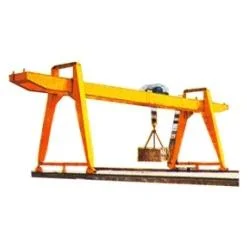
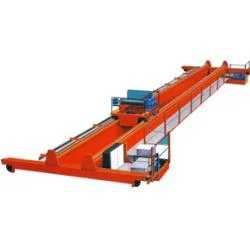
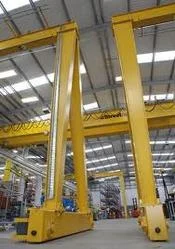
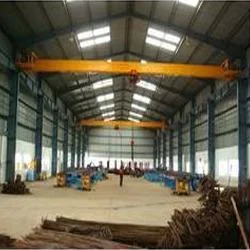
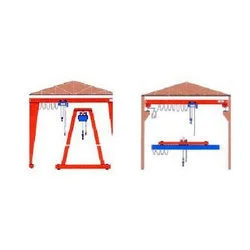
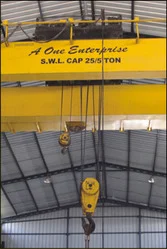
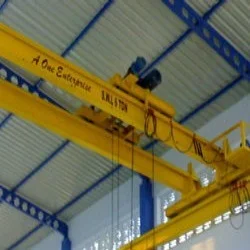
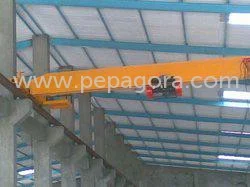
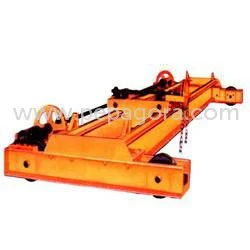
Overhead Cranes: These cranes operate on a fixed framework and are used primarily in manufacturing facilities and warehouses. They facilitate efficient movement of materials within a defined space.
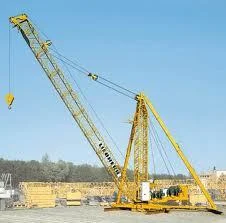
Crawler Cranes: Designed for rough terrain, crawler cranes have tracks that provide stability and mobility. They are often used in construction and heavy lifting applications.
𝗕𝗲𝗻𝗲𝗳𝗶𝘁𝘀 𝗮𝗻𝗱 𝗔𝗱𝘃𝗮𝗻𝘁𝗮𝗴𝗲𝘀
Cranes offer several advantages that enhance operational efficiency and safety.
1. Increased Efficiency: Cranes significantly reduce the time required to lift and move heavy loads, improving overall productivity on job sites.
2. Enhanced Safety: Equipped with advanced safety features, cranes minimize risks associated with heavy lifting, protecting workers and reducing accidents.
3. Versatility: With various types and configurations, cranes can be adapted to suit different tasks across multiple industries.
4. Cost-Effectiveness: Investing in a crane can lead to long-term savings by streamlining operations and reducing labor costs associated with manual lifting.
5. Precision: Cranes allow for precise placement of heavy loads, ensuring accuracy in construction and manufacturing processes.
6. Improved Accessibility: Cranes can reach heights and locations that would be difficult or impossible to access with traditional lifting methods.
𝗕𝘂𝘆𝗶𝗻𝗴 𝗚𝘂𝗶𝗱𝗲 𝗳𝗼𝗿 𝗕𝟮𝗕 𝗕𝘂𝘆𝗲𝗿𝘀
When sourcing cranes for your business, consider several key factors to ensure you make an informed decision.
1. Quality Assessment: Evaluate the crane's quality by reviewing manufacturer credentials and compliance with industry standards. Look for certifications that demonstrate reliability and performance.
2. Supplier Verification: Vet potential suppliers by checking their reputation, customer reviews, and history in the industry. Reliable suppliers should have a proven track record of delivering quality products.
3. Pricing and MOQ: Understand the pricing structure and minimum order quantities. Compare costs among different suppliers to ensure you are getting a competitive price.
4. Delivery and Lead Times: Discuss logistics with suppliers to determine delivery timelines and ensure they align with your project schedules. Timely delivery is crucial to avoid project delays.
5. Compliance Requirements: Be aware of local and international compliance regulations that may affect your purchase. Ensure that the cranes meet necessary safety and operational standards.
𝗖𝗼𝗺𝗽𝗹𝗶𝗮𝗻𝗰𝗲 𝗮𝗻𝗱 𝗖𝗲𝗿𝘁𝗶𝗳𝗶𝗰𝗮𝘁𝗶𝗼𝗻𝘀
Cranes are subject to various quality standards and certifications that ensure safety and reliability. Compliance with ISO standards, such as ISO 9001, is essential for manufacturers to demonstrate quality management systems. Certifications like CE indicate that the cranes meet European safety and environmental requirements.
In addition to quality standards, cranes must adhere to safety and testing requirements. Regular inspections and maintenance are crucial to ensure compliance and safe operation. Regional compliance considerations may vary, so it is important to be informed about local regulations that impact crane usage.
𝗪𝗵𝘆 𝗦𝗼𝘂𝗿𝗰𝗲 𝗖𝗿𝗮𝗻𝗲𝘀 𝗳𝗿𝗼𝗺 𝗣𝗲𝗽𝗮𝗴𝗼𝗿𝗮?
Pepagora provides a trusted platform for sourcing cranes with several key advantages.
Verified Supplier Network: Pepagora ensures that all suppliers are thoroughly vetted, providing buyers with confidence in the quality and reliability of the cranes they purchase.
Streamlined RFQ Process: The platform simplifies the request for quotation process, allowing buyers to easily compare offers from multiple suppliers, saving time and effort.
Trade Assurance and Support: Pepagora offers buyer protection through trade assurance, ensuring that transactions are secure and transparent. Support is available to assist with any inquiries or issues.
Regional Coverage: With a strong presence in India, GCC, and Southeast Asia, Pepagora facilitates connections between buyers and suppliers across these regions, enhancing accessibility and efficiency in sourcing cranes.
Newly Added



Recently Added
Cranex Engineers
Industrial Electric Wire Rope Hoists For Heavy Duty Lifting
Industrial Goods Lifts Heavy Duty Vertical Material Transport
Industrial Stainless Steel Wire Rope Hoists For Clean Rooms
Cranoist Engineers
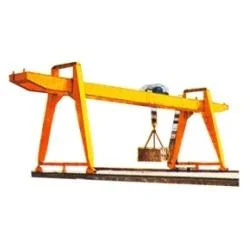
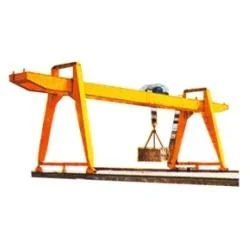
Industrial Heavy Load Goliath Cranes for Manufacturing and Construction
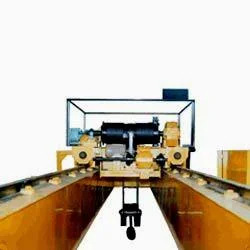
Heavy Duty Double Girder EOT Crane For Industrial Lifting
Industrial Heavy Duty EOT Cranes For Material Handling
Microtech Engineers & Company
Industrial Heavy Duty Double Girder EOT Crane For High Load Lifting
Industrial Overhead Cranes For Heavy Lifting And Material Handling
Heavy Duty Goliath Cranes Up To 50 Tonnes IS Compliant
Ace Engineering Technologies ( India) Private Limited
Industrial Single Girder Overhead Crane 20 Ton 25 Meter Span
Industrial Heavy Lifting 30 Ton Double Girder Overhead Traveling Crane
Industrial Heavy Duty Double Girder EOT Cranes For Lifting
A One Enterprise
Industrial EOT Cranes For Heavy Duty Lifting And Material Handling
Heavy Duty Wire Rope Hoist HW Model with Safety Features
ISI Marked P Series Chain Pulley Blocks 500kg 10T Capacity ISO 9001
Besto Handling System Company
Premium Material Handling Equipment Supplier In Chennai
Material Handling Equipment Rentals For Warehouses And Logistics
Professional Garage Heavy Duty Vehicle Scissor Lift For Cars SUVs
Joveen Traders
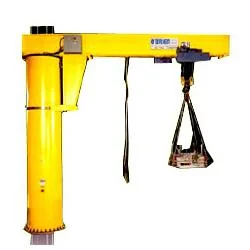
Industrial Jib Cranes 25 650 Ton Forged Metal Long Life
Heavy Lifting Terrain Cranes 25 650 Ton Capacity Long Life
Heavy Duty Crawler Cranes 25 650 Tons Forged Metal Long Life
Apurva Engineering Corporation
Industrial Single Girder Cranes Metal Construction Easy Installation
Industrial Single Girder EOT Crane 10 Ton 28 Meter Span IS Compliant
Industrial Heavy Duty Double Girder Crane IS 3177 Compliant
Accu Tech Engineers
Industrial OEM Underslung Cranes For Coal Mineral Iron Ore Handling
Industrial A Frame Crane 0.5 30 Ton Galvanized Metal Standard
Industrial OEM Chain Hoist Mild Steel Durable Lifting Equipment
Bhaskara Handling Technologies
Industrial Hydraulic Hand Pallet Trucks For Material Handling
Industrial Scissor Lifting Platforms For Euro Pallet Positioning
Industrial Battery Operated Stacker For Efficient Material Handling
Why Businesses Trust Pepagora
Thousands of companies trust Pepagora to source smarter and sell faster
Expand Your Sales Globally
25000+Products listed.Get discovered by global buyers
Tools to boost visibility
Build your own catalog

Source Smarter,Grow Faster
4000+Active RFQs
100+ Countries served
Easy Sourcing Tools
