
 IN
INundefined
Corrugated Box Testing Equipment
2 products available
𝗪𝗵𝗮𝘁 𝗮𝗿𝗲 𝗖𝗼𝗿𝗿𝘂𝗴𝗮𝘁𝗲𝗱 𝗕𝗼𝘅 𝗧𝗲𝘀𝘁𝗶𝗻𝗴 𝗘𝗾𝘂𝗶𝗽𝗺𝗲𝗻𝘁?
Corrugated Box Testing Equipment is essential machinery used to evaluate the performance and durability of corrugated boxes. These testing devices assess various physical properties, including the compressive strength, edge crush resistance, and bursting strength of the boxes. The equipment is designed to simulate real-world conditions that boxes may encounter during storage and shipping, ensuring that manufacturers can produce reliable packaging solutions.
The primary uses of this equipment span several industries, including packaging, logistics, and manufacturing. Businesses leverage these tests to guarantee that their corrugated boxes can withstand the rigors of transportation and handling. By conducting thorough assessments, companies can minimize damage during transit, reduce product losses, and enhance customer satisfaction. With an increasing demand for sustainable packaging solutions, the relevance of such testing equipment is growing in the market.
In the current industrial landscape, the need for robust packaging solutions is critical. As e-commerce continues to expand, the importance of durable and reliable corrugated boxes cannot be overstated. This equipment plays a vital role in helping businesses maintain quality standards and comply with industry regulations, ensuring that products are delivered intact and undamaged.
𝗞𝗲𝘆 𝗙𝗲𝗮𝘁𝘂𝗿𝗲𝘀 𝗮𝗻𝗱 𝗦𝗽𝗲𝗰𝗶𝗳𝗶𝗰𝗮𝘁𝗶𝗼𝗻𝘀
Corrugated Box Testing Equipment comes equipped with various features designed to ensure accurate and reliable results. These specifications are important for potential buyers to understand the capabilities of the equipment they are considering.
Key specifications include:
1. Compressive Strength Testing
- Measures the maximum load a box can withstand before failure
- Typically ranges from 200 to 5000 pounds
2. Edge Crush Test (ECT)
- Evaluates the strength of the box edges under pressure
- Commonly measured in pounds per inch (PPI)
3. Bursting Strength Test
- Determines the pressure required to rupture the box material
- Common specifications range from 30 to 500 PSI
4. Flat Crush Test
- Assesses the resistance of the box to flat crushing forces
- Results are expressed in pounds
5. Moisture Content Measurement
- Measures the moisture levels in the corrugated material
- Essential for maintaining box integrity
6. Dimensional Accuracy
- Ensures boxes meet specified dimensions for proper fit and performance
- Tolerance levels typically defined by industry standards
7. Automated Reporting System
- Provides detailed analysis and reports
- Enables quick decision-making based on test results
8. User-Friendly Interface
- Simplifies operation and data entry
- Enhances efficiency for operators
In summary, understanding these features allows businesses to select the right testing equipment that meets their quality assurance needs and aligns with their operational goals.
𝗖𝗼𝗺𝗺𝗼𝗻 𝗔𝗽𝗽𝗹𝗶𝗰𝗮𝘁𝗶𝗼𝗻𝘀 𝗮𝗻𝗱 𝗨𝘀𝗲 𝗖𝗮𝘀𝗲𝘀
Corrugated Box Testing Equipment finds applications across various industries, each with specific requirements for packaging integrity.
1. E-commerce: In the online retail sector, companies use this equipment to ensure that products are shipped safely and arrive undamaged, enhancing customer satisfaction.
2. Food and Beverage: This industry requires strong packaging that can withstand temperature changes and moisture, ensuring product safety and compliance with health regulations.
3. Pharmaceuticals: Given the sensitive nature of pharmaceutical products, rigorous testing ensures that packaging meets safety and efficacy standards.
4. Electronics: Manufacturers of electronic goods rely on robust corrugated boxes to protect delicate items during transportation, minimizing the risk of damage.
5. Retail: Stores utilize corrugated boxes for shipping and storage, making it essential to test packaging solutions for durability and reliability.
6. Automotive: The automotive industry requires heavy-duty packaging to protect parts during transit, necessitating thorough testing of box strength.
7. Construction: Companies in construction use corrugated packaging for tools and materials, requiring strong boxes to handle rough handling and transportation.
𝗣𝗿𝗼𝗱𝘂𝗰𝘁 𝗩𝗮𝗿𝗶𝗮𝗻𝘁𝘀 𝗮𝗻𝗱 𝗦𝘂𝗯𝗰𝗮𝘁𝗲𝗴𝗼𝗿𝗶𝗲𝘀
Corrugated Box Testing Equipment encompasses a range of variants to meet diverse testing needs across different industries.
Automated Testing Machines
These machines offer high throughput, allowing for multiple tests to be conducted simultaneously. They are ideal for manufacturers looking to streamline quality control processes.
Portable Testing Devices
Designed for on-site testing, these devices enable quick assessments without needing to transport boxes to a lab. They are useful for businesses with limited testing facilities.
Multi-Functional Testers
These versatile machines can perform a variety of tests, including compressive strength, bursting strength, and edge crush tests, making them suitable for companies with diverse packaging needs.
𝗕𝗲𝗻𝗲𝗳𝗶𝘁𝘀 𝗮𝗻𝗱 𝗔𝗱𝘃𝗮𝗻𝘁𝗮𝗴𝗲𝘀
Investing in Corrugated Box Testing Equipment brings significant advantages to businesses.
Key benefits include:
1. Quality Assurance: Ensures packaging meets industry standards, reducing the risk of product damage.
2. Cost Savings: By identifying weaknesses in packaging, companies can reduce material waste and avoid costly returns.
3. Enhanced Customer Satisfaction: Reliable packaging leads to fewer damaged goods, improving customer trust and loyalty.
4. Compliance with Regulations: Helps businesses meet industry standards and safety regulations, avoiding legal issues.
5. Improved Efficiency: Automated testing processes save time and resources, allowing teams to focus on other critical tasks.
6. Competitive Advantage: Companies that prioritize packaging quality can differentiate themselves in the market, attracting more customers.
𝗕𝘂𝘆𝗶𝗻𝗴 𝗚𝘂𝗶𝗱𝗲 𝗳𝗼𝗿 𝗕𝟮𝗕 𝗕𝘂𝘆𝗲𝗿𝘀
When sourcing Corrugated Box Testing Equipment, businesses should consider several critical factors to ensure they make informed purchasing decisions.
1. Quality Assessment: Buyers should evaluate the quality of testing equipment by reviewing manufacturer certifications and customer feedback. This helps ensure reliability and accuracy in testing results.
2. Supplier Verification: It is crucial to vet suppliers thoroughly. Buyers should assess their reputation, experience, and customer support to ensure a reliable partnership.
3. Pricing and MOQ: Understanding pricing structures and minimum order quantities is important for budgeting. Buyers should compare quotes from multiple suppliers to find the best value.
4. Delivery and Lead Times: Buyers should inquire about lead times for equipment delivery. Quick turnaround times can significantly impact operational efficiency.
5. Compliance Requirements: Ensuring that the equipment meets necessary industry standards and certifications is essential for compliance and safety.
𝗖𝗼𝗺𝗽𝗹𝗶𝗮𝗻𝗰𝗲 𝗮𝗻𝗱 𝗖𝗲𝗿𝘁𝗶𝗳𝗶𝗰𝗮𝘁𝗶𝗼𝗻𝘀
Corrugated Box Testing Equipment must adhere to various quality standards and regulations to ensure reliability and safety.
Relevant quality standards include ISO 9001, which emphasizes effective quality management systems. This standard is crucial for manufacturers seeking to improve their processes and ensure consistent quality.
Industry certifications such as CE indicate that the equipment meets European safety and environmental requirements. This certification is essential for businesses operating in regions where compliance with such standards is mandatory.
Additionally, safety and testing requirements dictate that equipment must be designed to prevent hazards during operation. Regular maintenance and calibration are necessary to ensure ongoing compliance.
Regional compliance considerations may vary, so businesses should stay informed about local regulations affecting the use of testing equipment.
𝗪𝗵𝘆 𝗦𝗼𝘂𝗿𝗰𝗲 𝗖𝗼𝗿𝗿𝘂𝗴𝗮𝘁𝗲𝗱 𝗕𝗼𝘅 𝗧𝗲𝘀𝘁𝗶𝗻𝗴 𝗘𝗾𝘂𝗶𝗽𝗺𝗲𝗻𝘁 𝗳𝗿𝗼𝗺 𝗣𝗲𝗽𝗮𝗴𝗼𝗿𝗮?
Pepagora provides a trusted platform for sourcing Corrugated Box Testing Equipment, ensuring that businesses can find reliable solutions tailored to their needs.
Verified Supplier Network: Pepagora features a comprehensive network of verified suppliers. This network ensures that buyers are connected with reputable manufacturers who can deliver high-quality equipment.
Streamlined RFQ Process: The platform simplifies the request for quotation process, allowing buyers to compare multiple offers quickly. This efficiency helps businesses secure competitive pricing and better terms.
Trade Assurance and Support: Pepagora offers buyer protection measures, ensuring that transactions are secure. This support builds trust between buyers and suppliers, fostering successful partnerships.
Regional Coverage: With a focus on regions such as India, the GCC, and Southeast Asia, Pepagora enables businesses to access a wide range of suppliers. This geographic reach ensures that companies can find equipment that meets their specific requirements.
Newly Added



Recently Added
Dutron Products
Industrial Brinell Hardness Testers For Metals And Alloys Quality Control
Premium Concrete Testing Machine Hydraulic OEM New Metal Construction
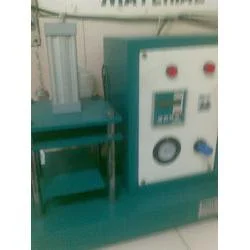
Box Compression Tester For Packaging Strength Testing Metal Hydraulic
Dhruv International, Ludhiana
Textile Manufacturing Premium Spinning Machinery Parts For Enhanced Productivity
Premium Stainless Steel CARD Cylinder LI IN Undercasing For LR Trumac MMC Marzoli
Industrial Clearer Roller Cleaner For Textile Spinning Machinery
Why Businesses Trust Pepagora
Thousands of companies trust Pepagora to source smarter and sell faster
Expand Your Sales Globally
25000+Products listed.Get discovered by global buyers
Tools to boost visibility
Build your own catalog

Source Smarter,Grow Faster
4000+Active RFQs
100+ Countries served
Easy Sourcing Tools
