
 IN
INundefined
Coriander Seeds
24 products available
𝗪𝗵𝗮𝘁 𝗮𝗿𝗲 𝗖𝗼𝗿𝗶𝗮𝗻𝗱𝗲𝗿 𝗦𝗲𝗲𝗱𝘀?
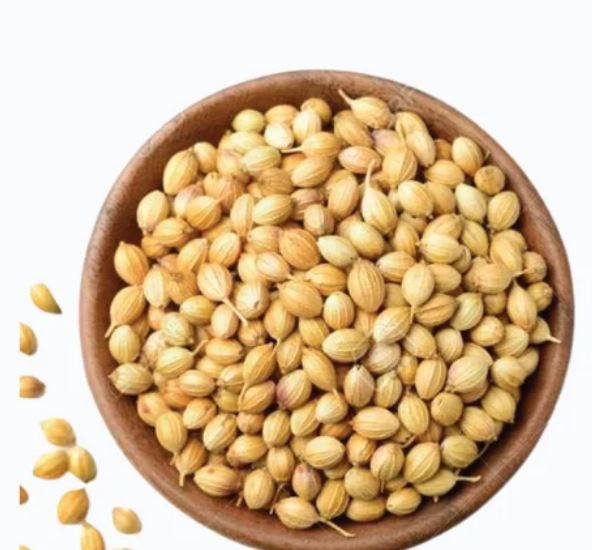
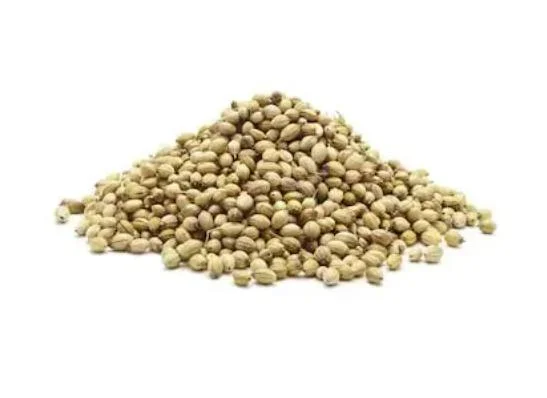
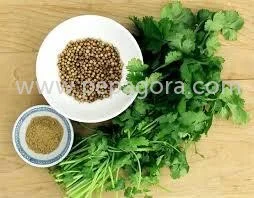
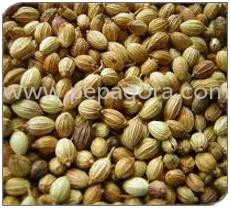
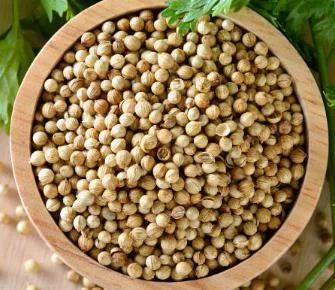
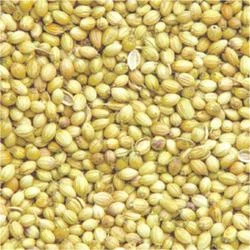
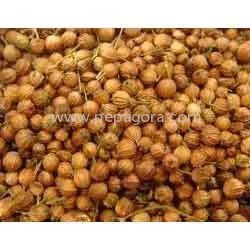
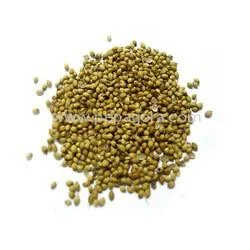
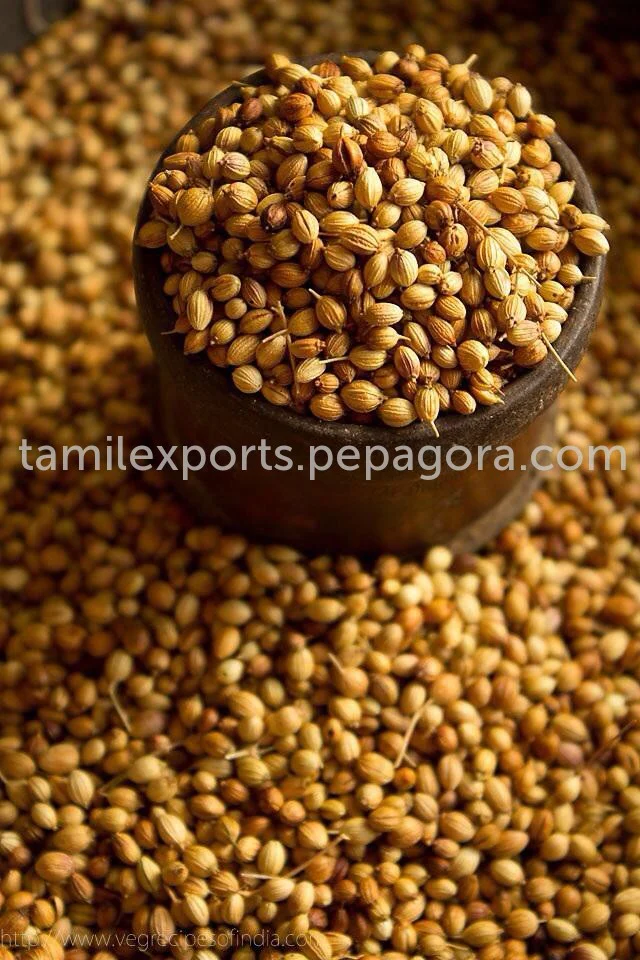
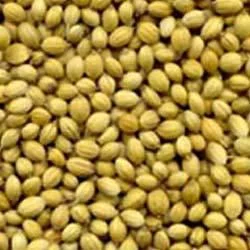
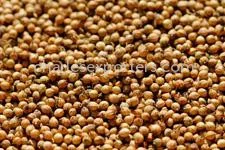
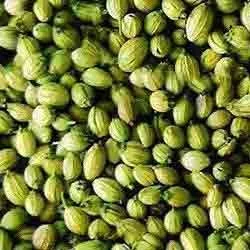
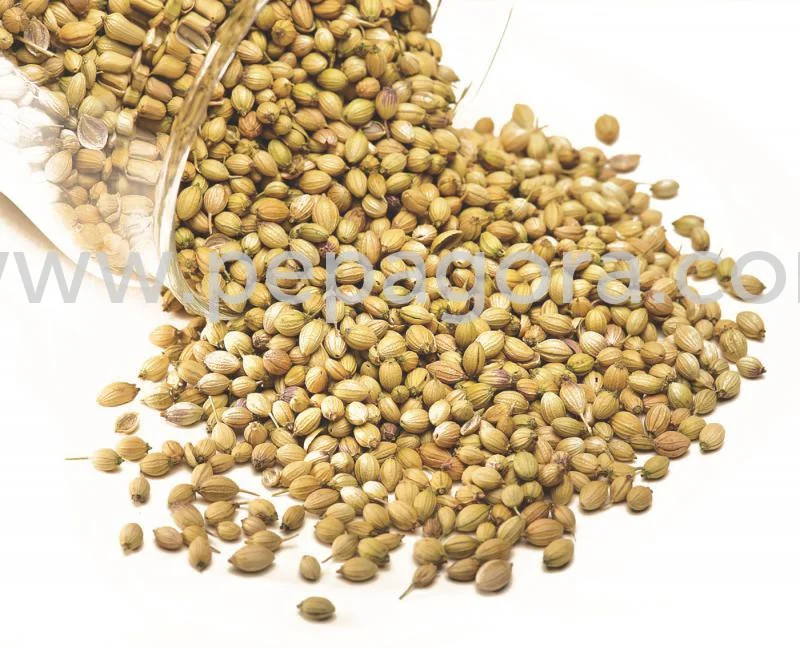
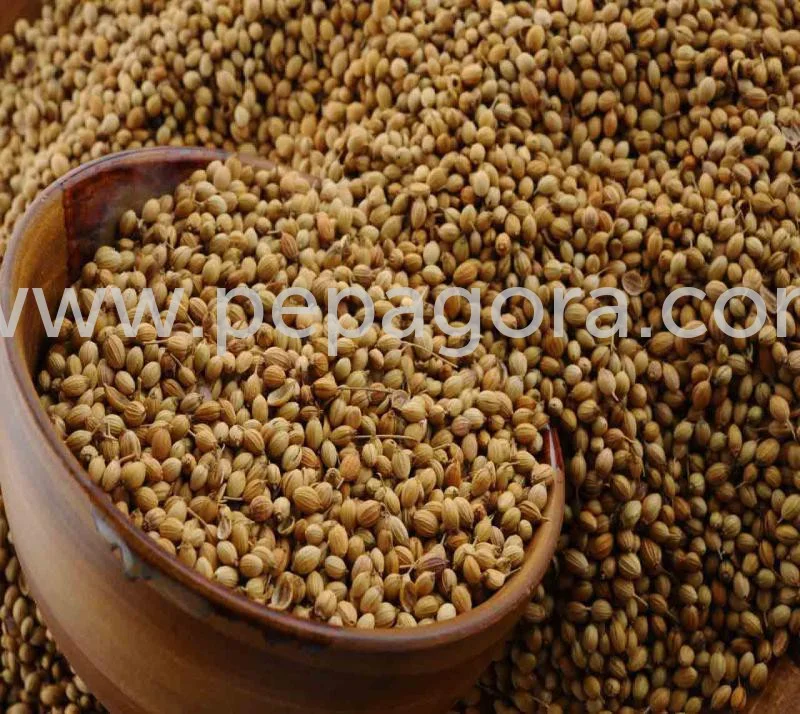
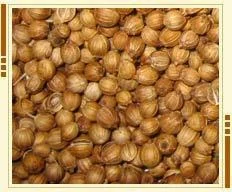
Coriander seeds are the dried fruit of the coriander plant, scientifically known as Coriandrum sativum. These seeds are small, round, and typically light brown in color. They possess a warm, spicy, and slightly citrusy flavor, making them a popular ingredient in various culinary applications. Coriander seeds are often used whole or ground, offering versatility in flavoring and seasoning.
In the B2B context, coriander seeds have numerous applications across different industries. They are widely utilized in the food and beverage sector, particularly in spice blends, sauces, and baked goods. Additionally, the seeds are valuable in the pharmaceutical industry, where they are used for their potential health benefits. The growing demand for natural and organic ingredients has further driven the market for coriander seeds, making them a significant commodity in many regions.
𝗞𝗲𝘆 𝗙𝗲𝗮𝘁𝘂𝗿𝗲𝘀 𝗮𝗻𝗱 𝗦𝗽𝗲𝗰𝗶𝗳𝗶𝗰𝗮𝘁𝗶𝗼𝗻𝘀
Coriander seeds are characterized by several key features that define their quality and usability. Understanding these specifications is essential for businesses looking to source high-quality seeds for their applications.
Key specifications include:
1. Quality Assessment
- Seeds should be free from contaminants, mold, and foreign materials.
- Moisture content should typically be below 10% to ensure shelf stability.
2. Size and Shape
- Seeds should be uniform in size, typically ranging from 3 to 5 mm in diameter.
- A round shape is preferred for even grinding and flavor release.
3. Flavor Profile
- Fresh coriander seeds should have a strong, aromatic fragrance.
- Flavor intensity can vary based on origin and processing methods.
4. Origin
- Sourcing from specific regions, such as India or Morocco, can affect flavor and quality.
- Traceability to source is important for quality assurance.
5. Packaging
- Bulk packaging is common, typically in 25 kg or 50 kg bags.
- Packaging should be moisture-proof to preserve freshness.
6. Shelf Life
- Properly stored coriander seeds can have a shelf life of 2 to 3 years.
- Storage conditions should be cool and dry to maintain quality.
In summary, these specifications ensure that businesses can select coriander seeds that meet their quality standards and application needs.
𝗖𝗼𝗺𝗺𝗼𝗻 𝗔𝗽𝗽𝗹𝗶𝗰𝗮𝘁𝗶𝗼𝗻𝘀 𝗮𝗻𝗱 𝗨𝘀𝗲 𝗖𝗮𝘀𝗲𝘀
Coriander seeds find applications in various industries, showcasing their versatility and importance.
1. Food and Beverage Industry: Coriander seeds are commonly used as a spice in culinary applications, enhancing the flavor of curries, sauces, and baked goods. They are a key ingredient in many spice blends.
2. Pharmaceutical Industry: The seeds are known for their potential health benefits, including digestive support and antioxidant properties. They are often used in herbal formulations and dietary supplements.
3. Cosmetic Industry: Coriander seeds are sometimes included in skincare products for their soothing properties and pleasant aroma, making them a valuable ingredient in natural cosmetics.
4. Beverage Production: Coriander seeds are used in the brewing of certain beers and spirits, adding unique flavor profiles that appeal to consumers seeking craft beverages.
5. Natural Remedies: In traditional medicine, coriander seeds are utilized for their potential therapeutic properties, often in herbal teas and tinctures.
6. Essential Oils: Coriander seeds are extracted to produce essential oils, which are used in aromatherapy and fragrance applications.
𝗣𝗿𝗼𝗱𝘂𝗰𝘁 𝗩𝗮𝗿𝗶𝗮𝗻𝘁𝘀 𝗮𝗻𝗱 𝗦𝘂𝗯𝗰𝗮𝘁𝗲𝗴𝗼𝗿𝗶𝗲𝘀
Coriander seeds are available in various forms to cater to different market needs. Each variant offers unique features and applications.
Whole Coriander Seeds
Whole seeds are ideal for culinary use, retaining their flavor and aroma until ground. They are often preferred for spice blends and can be toasted to enhance their flavor.
Ground Coriander
This variant is convenient for immediate use in recipes. Ground coriander offers a more intense flavor but should be used quickly to maintain freshness.
𝗕𝗲𝗻𝗲𝗳𝗶𝘁𝘀 𝗮𝗻𝗱 𝗔𝗱𝘃𝗮𝗻𝘁𝗮𝗴𝗲𝘀
Sourcing high-quality coriander seeds brings several benefits to businesses.
1. Flavor Enhancement: Coriander seeds add a distinct flavor profile that can elevate a wide range of dishes and products.
2. Natural Ingredient: As a natural spice, coriander seeds appeal to consumers seeking cleaner labels and organic options.
3. Versatile Applications: The seeds can be used in various industries, from food to cosmetics, making them a flexible addition to product lines.
4. Health Benefits: Known for potential health properties, coriander seeds can enhance the marketability of food and supplement products.
5. Cost-Effectiveness: Purchasing coriander seeds in bulk can lead to significant cost savings for manufacturers and retailers.
𝗕𝘂𝘆𝗶𝗻𝗴 𝗚𝘂𝗶𝗱𝗲 𝗳𝗼𝗿 𝗕𝟮𝗕 𝗕𝘂𝘆𝗲𝗿𝘀
When sourcing coriander seeds, it is essential to consider several key factors to ensure quality and reliability.
1. Quality Assessment: Evaluate the quality of coriander seeds by checking for freshness, size uniformity, and proper moisture content. High-quality seeds will have a strong aroma and flavor.
2. Supplier Verification: It is crucial to vet suppliers to ensure they adhere to quality standards and ethical sourcing practices. Look for suppliers with industry certifications and positive reviews.
3. Pricing and MOQ: Understand pricing structures and minimum order quantities (MOQ) to make informed purchasing decisions. Consider negotiating terms based on order volume.
4. Delivery and Lead Times: Confirm delivery schedules and lead times to ensure timely availability of seeds for production needs.
5. Compliance Requirements: Be aware of regional compliance requirements and certifications, such as CE, to ensure that the sourced coriander seeds meet industry standards.
𝗖𝗼𝗺𝗽𝗹𝗶𝗮𝗻𝗰𝗲 𝗮𝗻𝗱 𝗖𝗲𝗿𝘁𝗶𝗳𝗶𝗰𝗮𝘁𝗶𝗼𝗻𝘀
Coriander seeds must meet specific quality standards and compliance requirements to be accepted in various markets. Relevant standards include ISO 9001, which ensures a quality management system, and HACCP, which focuses on food safety management. These standards help businesses maintain product consistency and safety.
Industry certifications, such as CE, confirm that products comply with European health, safety, and environmental protection standards. Additionally, businesses should be aware of safety and testing requirements to mitigate risks associated with food products.
Regional compliance considerations may vary, so it is important for buyers to research and adhere to local regulations regarding the import and sale of coriander seeds.
𝗪𝗵𝘆 𝗦𝗼𝘂𝗿𝗰𝗲 𝗖𝗼𝗿𝗶𝗮𝗻𝗱𝗲𝗿 𝗦𝗲𝗲𝗱𝘀 𝗳𝗿𝗼𝗺 𝗣𝗲𝗽𝗮𝗴𝗼𝗿𝗮?
Pepagora offers a reliable platform for sourcing coriander seeds, providing several key advantages for businesses.
Verified Supplier Network: Pepagora connects buyers with a network of verified suppliers, ensuring quality and reliability in sourcing. This network undergoes thorough evaluation to maintain high standards.
Streamlined RFQ Process: The Request for Quotation (RFQ) process is designed to be efficient, allowing buyers to quickly receive competitive quotes from multiple suppliers. This enhances decision-making and reduces sourcing time.
Trade Assurance and Support: With trade assurance programs, Pepagora offers buyer protection, ensuring that businesses can source with confidence. Support services are also available to assist with any queries during the sourcing process.
Regional Coverage: Pepagora’s geographic reach includes India, the GCC, and Southeast Asia, making it a valuable resource for businesses looking to source coriander seeds from diverse markets. This regional coverage helps buyers access high-quality products tailored to their specific needs.
Newly Added



Recently Added
Rainbow Exim
Organic Raw Cashew Nuts High Nutritional Value Long Shelf Life
Organic Dried Cloves Rich Aroma High Nutritional Value
Organic Chilli Powder Rich Taste Long Shelf Life
Adarsh Global Private Limited
Premium Organic Desi Chickpeas Dried Food Grade For Cooking
Premium Gram Flour For Food Manufacturing Gluten Free High Protein
Premium Rice Flour For Food Manufacturing And Baking
Ess Aar Ess Exports
Organic Carrots Fresh Sliced Hygienical Long Shelf Life
Premium Organic Tomatoes Long Shelf Life Hygienic Processing
Fresh Ellipse Potatoes High Grade Bulk Hygienic Food Use
Sunrise Exports
Bulk Organic Fresh Onions High Flavonoids Iron 100% Mature
Bulk Organic Fresh Young Ginger Root For Health
Premium Coriander Seeds Dried Blended For Food Processing
Siva Exports
Organic Black Pepper Rich Aroma, 100% Pure, Long Shelf Life
Organic Cumin Seeds Bulk Dried Raw Granules Rich Aroma High Nutrition
Organic Dry Chillies Rich Taste High Nutritional Value Long Shelf Life
Yamuna Trading Company
Premium Yellow Gram Chana For Importers And Distributors
Bulk Groundnut Kernels Raw Fresh 100% Pure No Pesticides
Organic Sesame Seeds For Food Industry Natural Hygienical
Jainsons (India) Industries
Premium Guar Gum Powder Natural Thickener Stabilizer For Food Pharma Industrial
Bulk Senna Leaves For Herbal Pharmaceutical Wellness
Bulk Fenugreek Seeds For Food Manufacturing And Supplements
Virdhara International
Organic Cumin Seeds 99.85% Purity USFDA Guaranteed Food Grade
Europe Quality Cumin Seeds Machine Cleaned 99.85% Purity Food Grade
Organic Turmeric Powder Food Medicine Grade Pure Hygienic
Anmol Dehydration Private Limited
Dehydrated Pink Onion Flakes For Soups Sauces Snacks
Premium Cumin Seeds For Food Manufacturing And Culinary
Bulk Himalayan Crystal Salt For Food Health Industrial
Madex Business House
Organic Cumin Seeds High Grade Spicy Root For Food Pharma
Organic Cinnamon Root High Grade Spicy 100% Pure Long Shelf Life
Organic Long Pepper Root Spicy High Grade Black Seed
Why Businesses Trust Pepagora
Thousands of companies trust Pepagora to source smarter and sell faster
Expand Your Sales Globally
25000+Products listed.Get discovered by global buyers
Tools to boost visibility
Build your own catalog

Source Smarter,Grow Faster
4000+Active RFQs
100+ Countries served
Easy Sourcing Tools
