
 IN
INundefined
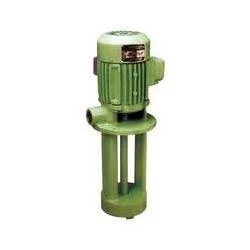
Coolant Systems for CNC
1 products available
𝗪𝗵𝗮𝘁 𝗮𝗿𝗲 𝗖𝗼𝗼𝗹𝗮𝗻𝘁 𝗦𝘆𝘀𝘁𝗲𝗺𝘀 𝗳𝗼𝗿 𝗖𝗡𝗖?
Coolant systems for CNC (Computer Numerical Control) machines are integral components used to manage the heat generated during machining operations. These systems typically deliver coolant fluids to the cutting area, helping to reduce friction and wear on tools while maintaining optimal operating temperatures. This not only enhances the efficiency of the machining process but also prolongs the lifespan of both the tooling and the machine itself.
These systems are primarily utilized in industries such as manufacturing, aerospace, and automotive, where precision machining is critical. By ensuring effective cooling and lubrication, coolant systems significantly improve the quality of the machined parts and minimize the risk of thermal distortion. The relevance of these systems in the market is underscored by the increasing demand for high-performance machining capabilities, where precision and reliability are paramount.
𝗞𝗲𝘆 𝗙𝗲𝗮𝘁𝘂𝗿𝗲𝘀 𝗮𝗻𝗱 𝗦𝗽𝗲𝗰𝗶𝗳𝗶𝗰𝗮𝘁𝗶𝗼𝗻𝘀
Coolant systems for CNC machines come with a variety of features that enhance their performance and reliability. Understanding these specifications is crucial for selecting the right system for specific machining needs.
Key specifications include:
1. Flow Rate
- The volume of coolant delivered per minute
- Typically ranges from 1 to 20 liters per minute depending on the application
2. Pressure Rating
- The maximum operating pressure of the system
- Commonly ranges from 2 to 10 bar
3. Temperature Control
- The ability to maintain optimal coolant temperatures
- Usually operates within a temperature range of 5 to 50 degrees Celsius
4. Filtration System
- Type and efficiency of coolant filtration
- Can include mesh filters or magnetic separators for debris removal
5. Pump Type
- Type of pump used to circulate the coolant
- Options include centrifugal pumps or positive displacement pumps
6. Tank Capacity
- Volume of the coolant reservoir
- Generally available in sizes from 20 to 500 liters
7. Compatibility
- Suitable coolant types and mixtures
- Compatibility with water-soluble or oil-based coolants
8. Monitoring Features
- Systems with integrated monitoring for flow and temperature
- May include digital readouts and alarms for system status
In summary, selecting a coolant system involves understanding these key specifications to ensure it meets the operational demands of CNC machining.
𝗖𝗼𝗺𝗺𝗼𝗻 𝗔𝗽𝗽𝗹𝗶𝗰𝗮𝘁𝗶𝗼𝗻𝘀 𝗮𝗻𝗱 𝗨𝘀𝗲 𝗖𝗮𝘀𝗲𝘀
Coolant systems for CNC machines are used across various industries to optimize machining processes.
1. Aerospace: In the aerospace sector, these systems are crucial for machining complex geometries in materials like titanium and aluminum, where heat management is vital for precision.
2. Automotive: Automotive manufacturers rely on coolant systems for machining engine components, ensuring that the machining process remains efficient and that tool wear is minimized.
3. Metalworking: In general metalworking applications, coolant systems assist in enhancing machining performance, particularly when working with hard metals that generate significant heat.
4. Electronics: The electronics industry utilizes coolant systems for machining delicate components where thermal stability is essential to avoid damage.
5. Medical Devices: CNC machining of medical equipment and devices requires precise temperature control, making coolant systems a necessity for maintaining quality standards.
6. Tool Manufacturing: Tool manufacturers depend on effective coolant systems to improve tool life and maintain precision during production.
7. Construction Equipment: In the construction sector, coolant systems help in the machining of durable components that require extensive machining operations.
𝗣𝗿𝗼𝗱𝘂𝗰𝘁 𝗩𝗮𝗿𝗶𝗮𝗻𝘁𝘀 𝗮𝗻𝗱 𝗦𝘂𝗯𝗰𝗮𝘁𝗲𝗴𝗼𝗿𝗶𝗲𝘀
Coolant systems for CNC machines come in various forms to cater to different operational needs.
Centralized Coolant Systems
These systems distribute coolant from a central tank to multiple machines, providing efficient coolant management for larger facilities. They are ideal for operations requiring a consistent supply of coolant.
Portable Coolant Systems
Designed for flexibility, portable coolant systems can be moved between machines as needed. They are typically smaller and suitable for smaller operations or job shops.
High-Pressure Coolant Systems
These systems deliver coolant at significantly higher pressures, which is beneficial for high-speed machining operations. They help in removing chips and heat more effectively.
Low-Volume Coolant Systems
Tailored for applications that require minimal coolant usage, these systems conserve resources while still providing adequate cooling for specific tasks.
𝗕𝗲𝗻𝗲𝗳𝗶𝘁𝘀 𝗮𝗻𝗱 𝗔𝗱𝘃𝗮𝗻𝘁𝗮𝗴𝗲𝘀
Investing in coolant systems for CNC machines offers several advantages.
1. Improved Tool Life: Efficient cooling reduces wear on cutting tools, extending their lifespan and decreasing replacement costs.
2. Enhanced Machining Precision: Consistent temperature control minimizes thermal distortion, ensuring higher accuracy in machined parts.
3. Increased Productivity: Effective coolant delivery allows for faster machining speeds without compromising quality, leading to higher output.
4. Reduced Downtime: Reliable coolant systems help maintain optimal operating conditions, reducing the likelihood of machine failures.
5. Eco-Friendly Operations: Many modern coolant systems are designed to minimize waste and energy consumption, supporting sustainable manufacturing practices.
6. Lower Maintenance Costs: By preventing overheating and excessive wear, coolant systems can lower the overall maintenance needs of CNC machines.
𝗕𝘂𝘆𝗶𝗻𝗴 𝗚𝘂𝗶𝗱𝗲 𝗳𝗼𝗿 𝗕𝟮𝗕 𝗕𝘂𝘆𝗲𝗿𝘀
When sourcing coolant systems for CNC machines, it is essential to consider several factors to ensure the best fit for your operational needs.
1. Quality Assessment: Evaluate the materials and construction quality of the coolant system. Look for systems that meet recognized standards to ensure durability and performance.
2. Supplier Verification: Research potential suppliers to ensure they have a good reputation and proven track record in providing reliable products.
3. Pricing and MOQ: Understand the pricing structure and minimum order quantities (MOQ) required by suppliers to plan your budget effectively.
4. Delivery and Lead Times: Consider logistics and delivery schedules to prevent disruptions in your operations. Timely delivery is crucial for maintaining production schedules.
5. Compliance Requirements: Ensure that the coolant systems comply with relevant regulations and industry standards, such as CE certification, to avoid legal issues.
𝗖𝗼𝗺𝗽𝗹𝗶𝗮𝗻𝗰𝗲 𝗮𝗻𝗱 𝗖𝗲𝗿𝘁𝗶𝗳𝗶𝗰𝗮𝘁𝗶𝗼𝗻𝘀
Coolant systems for CNC machines are subject to various compliance and certification requirements to ensure safety and quality.
ISO 9001 certification is often a standard that manufacturers adhere to, ensuring that their products meet international quality management standards. This certification indicates that the manufacturer has established quality processes and is committed to continuous improvement.
CE certification is crucial, particularly for products sold in the European market. It signifies that the coolant systems meet the necessary health, safety, and environmental protection standards.
Additionally, manufacturers may need to comply with safety and testing requirements that vary by region. This includes ensuring that the systems do not pose hazards during operation and that they have been tested for reliability.
Finally, it is essential to consider regional compliance needs as different countries may have specific regulations affecting the use of coolant systems in CNC machines.
𝗪𝗵𝘆 𝗦𝗼𝘂𝗿𝗰𝗲 𝗖𝗼𝗼𝗹𝗮𝗻𝘁 𝗦𝘆𝘀𝘁𝗲𝗺𝘀 𝗳𝗼𝗿 𝗖𝗡𝗖 𝗳𝗿𝗼𝗺 𝗣𝗲𝗽𝗮𝗴𝗼𝗿𝗮?
Pepagora offers a trusted platform for sourcing coolant systems for CNC machines, providing several key advantages to buyers.
Verified Supplier Network: Pepagora connects buyers with a network of verified suppliers, ensuring that the products offered meet quality standards and come from reputable sources.
Streamlined RFQ Process: The request for quotation (RFQ) process simplifies sourcing, allowing buyers to obtain competitive quotes quickly and efficiently, saving time and effort.
Trade Assurance and Support: Buyers benefit from trade assurance services that protect their investments, ensuring that transactions are secure and that support is available throughout the purchasing process.
Regional Coverage: With a strong presence in markets such as India, the GCC, and Southeast Asia, Pepagora offers extensive regional coverage, making it easier for businesses to find coolant systems tailored to their specific needs.


Recently Added
Balaji Engineering Company
Industrial Fixed Milling Vise Precision Durable Workholding
Industrial 58 Piece Clamping Kit For Machining Welding Assembly
Heavy Duty Automotive Pull Action U Bar Arm for Steering and Suspension
Chitra Engineering
Industrial Coolant Nozzles For CNC Milling Grinding Durable Corrosion Resistant
Premium Coolant Hoses For Automotive And Industrial Machinery Durability
Industrial Plastic Coolant Pipes For CNC Machinery And Automotive
Why Businesses Trust Pepagora
Thousands of companies trust Pepagora to source smarter and sell faster
Expand Your Sales Globally
25000+Products listed.Get discovered by global buyers
Tools to boost visibility
Build your own catalog

Source Smarter,Grow Faster
4000+Active RFQs
100+ Countries served
Easy Sourcing Tools
