
 IN
INundefined
Continuously Variable Transmissions (CVT)
34 products available
What are Continuously Variable Transmissions (CVT)?
Continuously Variable Transmissions (CVT) are a type of automatic transmission that provide an infinite number of gear ratios within a specified range. Unlike traditional automatic transmissions that use fixed gears, CVTs adjust seamlessly to changing conditions, optimizing engine performance and fuel efficiency. This technology allows for smooth acceleration without the noticeable shifts associated with conventional gear systems.
CVTs are particularly popular in various sectors, including automotive, industrial machinery, and certain types of agricultural equipment. Their ability to maintain optimal engine performance and reduce fuel consumption has made them a preferred choice for manufacturers seeking efficiency and reliability. In the automotive industry, for instance, CVTs are commonly found in compact cars and hybrids, where fuel efficiency is a priority. The growing demand for energy-efficient solutions in a competitive market further emphasizes the relevance of CVTs in modern engineering applications.
𝗞𝗲𝘆 𝗙𝗲𝗮𝘁𝘂𝗿𝗲𝘀 𝗮𝗻𝗱 𝗦𝗽𝗲𝗰𝗶𝗳𝗶𝗰𝗮𝘁𝗶𝗼𝗻𝘀
Continuously Variable Transmissions are designed with several key features that enhance their performance and application versatility. These features contribute to their popularity across various industries.
Key specifications include:
1. Gear Ratio Range
- CVTs offer a wide and adaptable gear ratio range, allowing for smooth transitions in power delivery.
- Typical ranges can vary from 2.5:1 to 7:1, depending on the design and application.
2. Efficiency Rating
- High efficiency ratings are a hallmark of CVT technology, often exceeding 90% in optimal conditions.
- This efficiency translates into reduced fuel consumption and lower emissions.
3. Weight
- Many CVTs are lightweight compared to traditional automatic transmissions, which aids in vehicle performance.
- Weights typically range from 30 to 50 pounds, depending on the size and application.
4. Construction Material
- CVTs are often constructed from advanced materials such as aluminum alloys and composite materials, enhancing durability.
- These materials also contribute to weight reduction.
5. Control Mechanism
- CVTs utilize hydraulic or electronic controls for precise adjustments in belt tension and gear ratio.
- This control mechanism allows for quick adaptation to driving conditions.
6. Maintenance Requirements
- CVTs generally require less maintenance than traditional transmissions, although regular fluid checks are necessary.
- Recommended fluid change intervals typically range from 30,000 to 60,000 miles.
7. Operating Temperature Range
- CVTs are designed to operate effectively in various temperature ranges, generally between -20°C to 100°C.
- This range ensures reliability in different environmental conditions.
8. Certification
- Many CVTs are certified under industry standards such as CE, ensuring compliance with safety and environmental regulations.
In summary, the diverse specifications and features of CVTs make them suitable for a wide range of applications while promoting efficiency and performance.
𝗖𝗼𝗺𝗺𝗼𝗻 𝗔𝗽𝗽𝗹𝗶𝗰𝗮𝘁𝗶𝗼𝗻𝘀 𝗮𝗻𝗱 𝗨𝘀𝗲 𝗖𝗮𝘀𝗲𝘀
Continuously Variable Transmissions have a broad spectrum of applications across multiple industries.
1. Automotive Industry: CVTs are widely used in passenger vehicles, especially hybrids and compact cars, where they enhance fuel efficiency and provide a smooth driving experience.
2. Agricultural Machinery: In farming equipment, CVTs allow for better torque management, enabling tractors and harvesters to operate efficiently under varying loads.
3. Industrial Equipment: Many industrial machines utilize CVTs for their flexibility and efficiency in applications such as conveyors and material handling systems.
4. Motorcycles and Scooters: CVTs are prevalent in two-wheeled vehicles, providing ease of operation and improved fuel efficiency.
5. Robotics: In robotics, CVTs support precise movement control, allowing for smooth transitions and adaptability in dynamic environments.
6. Marine Applications: Some boats and marine vehicles employ CVTs for better acceleration and fuel efficiency in varying water conditions.
7. Electric Vehicles: Emerging technologies in electric vehicles often incorporate CVTs to optimize performance and range.
𝗣𝗿𝗼𝗱𝘂𝗰𝘁 𝗩𝗮𝗿𝗶𝗮𝗻𝘁𝘀 𝗮𝗻𝗱 𝗦𝘂𝗯𝗰𝗮𝘁𝗲𝗴𝗼𝗿𝗶𝗲𝘀
Continuously Variable Transmissions come in a variety of forms, catering to different performance needs and application requirements.
Hydraulic CVT
This variant uses hydraulic fluid to transmit power and adjust gear ratios. It is often employed in vehicles requiring high torque and smooth acceleration.
Electronic CVT
Electronic CVTs utilize advanced control systems to manage gear ratios precisely. They are commonly found in modern hybrid vehicles, enhancing efficiency.
Belt CVT
Belt CVTs use a system of belts and pulleys to achieve variable gear ratios. These are popular in scooters and small motorcycles due to their lightweight design.
Chain CVT
Chain CVTs offer robust performance and are often used in heavier machinery or vehicles that require more strength and durability in power transmission.
𝗕𝗲𝗻𝗲𝗳𝗶𝘁𝘀 𝗮𝗻𝗱 𝗔𝗱𝘃𝗮𝗻𝘁𝗮𝗴𝗲𝘀
Continuously Variable Transmissions offer numerous benefits that make them an attractive choice for various applications.
Key benefits include:
1. Improved Fuel Efficiency: CVTs optimize engine performance, leading to significant fuel savings over traditional transmission systems.
2. Smooth Operation: The seamless transition between gear ratios ensures a smoother driving experience without the jolts of shifting gears.
3. Reduced Emissions: Enhanced engine efficiency translates into lower emissions, supporting environmental sustainability initiatives.
4. Versatile Applications: CVTs can be adapted for use in various vehicles and machinery, from cars to industrial equipment.
5. Lower Maintenance Costs: With their reduced wear and tear, CVTs often incur lower long-term maintenance costs compared to traditional transmissions.
6. Enhanced Performance: The ability to maintain optimal engine speed provides better acceleration and overall vehicle performance.
𝗕𝘂𝘆𝗶𝗻𝗴 𝗚𝘂𝗶𝗱𝗲 𝗳𝗼𝗿 𝗕𝟮𝗕 𝗕𝘂𝘆𝗲𝗿𝘀
When sourcing Continuously Variable Transmissions (CVT), it is essential to consider several factors that can impact your purchasing decision.
1. Quality Assessment: Evaluate the quality of the CVT by reviewing manufacturer specifications, certifications, and performance data. Reliable suppliers will provide documented evidence of testing and quality assurance measures.
2. Supplier Verification: Vet potential suppliers thoroughly to ensure they have a proven track record. Look for client testimonials, industry experience, and adherence to recognized quality standards.
3. Pricing and MOQ: Understand the pricing structure and minimum order quantities (MOQ) of the CVTs you are interested in. Compare quotes from multiple suppliers to ensure you receive a competitive offer.
4. Delivery and Lead Times: Consider logistics and delivery timelines when planning your purchase. Confirm lead times with suppliers to ensure they align with your operational schedules.
5. Compliance Requirements: Ensure the CVTs meet any industry-specific compliance and regulatory requirements. Familiarize yourself with relevant standards to avoid future complications.
𝗖𝗼𝗺𝗽𝗹𝗶𝗮𝗻𝗰𝗲 𝗮𝗻𝗱 𝗖𝗲𝗿𝘁𝗶𝗳𝗶𝗰𝗮𝘁𝗶𝗼𝗻𝘀
Continuously Variable Transmissions must adhere to various compliance standards to ensure quality and safety.
Relevant quality standards such as ISO 9001 ensure that manufacturers meet international quality management principles. This certification reflects a company's commitment to consistent performance and customer satisfaction.
Industry certifications like CE are crucial for CVTs, particularly in markets that prioritize safety and environmental considerations. CE marking indicates that the product meets EU safety, health, and environmental requirements.
Safety and testing requirements for CVTs often involve rigorous assessments to ensure reliability under various conditions. Manufacturers typically conduct performance testing and durability evaluations to validate their products.
Regional compliance considerations may also affect the sourcing of CVTs, especially when dealing with international suppliers. Understanding local regulations can help ensure that your chosen CVTs meet all necessary legal standards.
Why Source Continuously Variable Transmissions (CVT) from Pepagora?
Pepagora offers a reliable platform for sourcing Continuously Variable Transmissions (CVT), ensuring a seamless purchasing experience.
Verified Supplier Network: Pepagora connects buyers with a network of verified suppliers, enhancing trust and transparency in the sourcing process. Each supplier undergoes thorough vetting to ensure they meet quality and reliability standards.
Streamlined RFQ Process: The Request for Quotation (RFQ) process at Pepagora is designed to be user-friendly. Buyers can easily submit requests and receive competitive quotes from multiple suppliers, saving time and effort.
Trade Assurance and Support: Pepagora provides trade assurance measures to protect buyers, ensuring they receive their products as expected. Support is available throughout the purchasing journey, assisting with any inquiries or issues.
Regional Coverage: With a strong presence in India, the GCC, and Southeast Asia, Pepagora offers extensive regional coverage. This geographic reach allows buyers to access a diverse range of suppliers and products tailored to their specific needs.
Newly Added




Recently Added
Apco Agencies
Industrial Power Transmission Belts Flat Tangential Round Durable
Industrial Conveyor Belts Heavy Duty Rubber Metal Material Handling
Textile Machinery Industrial Bearings High Speed Performance Premium Materials
Ashish Industries, Kolkata
Premium Elasticised Ribbed Poly V Belts PJ Section Heat Resistant
Industrial Hydraulic Hose EN 853 2ST ISO 1436 Medium High Pressure
Hydraulic Systems PIX Performer Hose Medium High Pressure Flexible
Baroda Belt House
Industrial Rough Top Conveyor Belt Secure Grip Incline Lightweight
Industrial Power Transmission P.U V Belts Durable High Performance
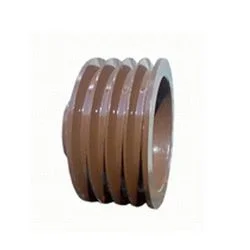
Industrial Power Transmission Premium Taper Lock Pulleys High Grade Materials
Biswakarma Rubber Works
Eshan Traders High Tensile V Belts Industrial Power Transmission
Premium Perforated V Belts K M A B C D Sections Black Green
Industrial Dixol Rope V Belt Premium Power Transmission Sizes
Bhumi Enterprise
Industrial Taper Lock V Belt Pulley For Power Transmission
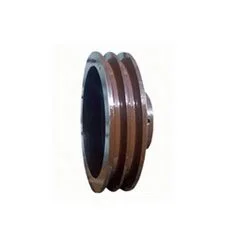
Industrial Multi Groove V Belt Pulley For Power Transmission
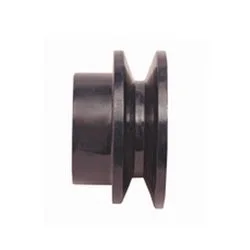
Premium Single Groove Pulley For Automotive Alternators And Industrial Drives
Arushi Engineers
Industrial Bevel Helical Gears For High Torque And Smooth Operation
Industrial Machinery Parallel Shaft Helical Gearbox High Torque Durable
Industrial Extruder Gear Boxes For Reliable Torque Transmission
Bakshi Enterprises
Premium Poly V Belts For Automotive And Agricultural Machinery
Industrial GI Pipes 10 100mm NB 1.80 5.40mm Thickness
Industrial PU Tubes Durable Flexible Abrasion Oil Chemical Resistant
Abhijeet Enterprise
Warehouse Gravity Roller Conveyor for Manual Material Handling
Industrial Printing Machines For Packaging Textiles Commercial
Hi Tech Engineers Elevator Chains Conveyor Belts Industrial Material Handling
Anshul Automation
Industrial Quick Couplings For Hydraulic Pneumatic Fluid Systems
Industrial Hydraulic Adapters High Pressure Leak Free Connections
Automotive Heaters For Commercial Vehicles And Fleets
Bombay Traders
Industrial Stainless Steel Fasteners High Grade Corrosion Resistant
Premium HSS Cutting Tools For Industrial Metal Woodworking Applications
Industrial Adhesives For Manufacturing Construction Packaging
Why Businesses Trust Pepagora
Thousands of companies trust Pepagora to source smarter and sell faster
Expand Your Sales Globally
25000+Products listed.Get discovered by global buyers
Tools to boost visibility
Build your own catalog

Source Smarter,Grow Faster
4000+Active RFQs
100+ Countries served
Easy Sourcing Tools
