
 IN
INundefined
Continuous Casting Machines (CCM)
4 products available
What are Continuous Casting Machines (CCM)?
Continuous Casting Machines (CCM) are industrial systems designed to convert molten metal into semi-finished products. This process involves pouring molten metal into a mold that solidifies as it moves through a cooling segment. The continuous nature of this operation allows for high efficiency and reduced production costs compared to traditional casting methods.
CCM systems are primarily utilized in the steel and non-ferrous industries. They are essential for producing a variety of products, including billets, blooms, and slabs, which serve as the raw materials for further processing into finished goods. The machines facilitate a consistent and uniform casting process, improving the quality of the end product while minimizing waste and energy consumption.
In the current market landscape, Continuous Casting Machines play a pivotal role in enhancing production capabilities for manufacturers. As industries strive for increased output and sustainability, CCM technology has become increasingly relevant. The demand for high-quality, cost-effective casting solutions continues to grow, positioning CCM as a vital component in modern manufacturing processes.
𝗞𝗲𝘆 𝗙𝗲𝗮𝘁𝘂𝗿𝗲𝘀 𝗮𝗻𝗱 𝗦𝗽𝗲𝗰𝗶𝗳𝗶𝗰𝗮𝘁𝗶𝗼𝗻𝘀
Continuous Casting Machines are equipped with several advanced features that enhance their functionality and efficiency. These machines are designed to meet varying production needs and are adaptable to different metal types.
Key specifications include:
1. Mold Design
- Optimized for efficient heat transfer
- Customizable shapes for different products
2. Cooling System
- Advanced cooling technology for uniform solidification
- Controlled water flow rates for temperature management
3. Automation Level
- Integration of automated controls for precision and consistency
- Real-time monitoring systems for operational efficiency
4. Casting Speed
- Adjustable speed settings to accommodate material properties
- Typical ranges from 0.5 to 8 meters per minute
5. Control Systems
- User-friendly interfaces for easy operation
- Advanced software for process monitoring and data analysis
6. Material Compatibility
- Suitable for various metals including steel and aluminum
- Adaptable for different alloys as per production requirements
7. Safety Features
- Emergency shutdown systems for operator protection
- Compliance with international safety standards
8. Maintenance Requirements
- Designed for easy access to key components
- Scheduled maintenance protocols to ensure longevity
In summary, Continuous Casting Machines are characterized by their advanced features, technical specifications, and adaptability to different metal types, making them an essential asset for manufacturers seeking efficiency and quality.
𝗖𝗼𝗺𝗺𝗼𝗻 𝗔𝗽𝗽𝗹𝗶𝗰𝗮𝘁𝗶𝗼𝗻𝘀 𝗮𝗻𝗱 𝗨𝘀𝗲 𝗖𝗮𝘀𝗲𝘀
Continuous Casting Machines are integral to numerous industries, providing solutions that meet specific production needs.
1. Steel Industry: CCMs are extensively used for producing steel billets and slabs, which are critical for construction and manufacturing applications.
2. Non-Ferrous Metal Industry: These machines enable the casting of aluminum and copper products, catering to sectors like automotive and electrical.
3. Automotive Sector: Continuous casting ensures a steady supply of high-quality metal components required for various automotive parts.
4. Aerospace Industry: Precision casting of metals is essential for aerospace applications, where material integrity is paramount.
5. Construction Industry: Continuous casting provides materials that are vital for infrastructure development, including beams and columns.
6. Energy Sector: CCMs are used to produce components for turbines and generators, essential for power generation.
7. Marine Industry: The casting of metals for shipbuilding and maritime applications benefits from the efficiency of CCM processes.
𝗣𝗿𝗼𝗱𝘂𝗰𝘁 𝗩𝗮𝗿𝗶𝗮𝗻𝘁𝘀 𝗮𝗻𝗱 𝗦𝘂𝗯𝗰𝗮𝘁𝗲𝗴𝗼𝗿𝗶𝗲𝘀
Continuous Casting Machines come in various designs and configurations to meet diverse industrial requirements.
Standard CCM
This variant is designed for high-volume production of standard shapes such as billets and slabs. It features a robust cooling system and is suitable for a wide range of metal types.
High-Speed CCM
This model is optimized for rapid production, allowing manufacturers to achieve higher output rates without compromising quality. It is ideal for operations requiring quick turnaround times.
Custom CCM
Tailored to specific manufacturing needs, this variant allows for modifications in mold design and cooling systems to accommodate unique production requirements.
𝗕𝗲𝗻𝗲𝗳𝗶𝘁𝘀 𝗮𝗻𝗱 𝗔𝗱𝘃𝗮𝗻𝘁𝗮𝗴𝗲𝘀
Investing in Continuous Casting Machines offers several significant benefits for manufacturers.
1. Enhanced Production Efficiency: CCMs streamline the casting process, significantly reducing cycle times and increasing overall output.
2. Improved Product Quality: The continuous process minimizes defects, resulting in higher-quality final products that meet industry standards.
3. Cost-Effectiveness: Reduced waste and energy consumption translate to lower operational costs, making CCM a favorable investment.
4. Versatility: CCMs can process various metals and alloys, allowing manufacturers to adapt to changing market demands.
5. Automation and Control: Advanced control systems enhance precision and reduce the likelihood of human error, contributing to overall operational reliability.
6. Sustainability: Continuous casting processes are more environmentally friendly, generating less waste compared to traditional casting methods.
𝗕𝘂𝘆𝗶𝗻𝗴 𝗚𝘂𝗶𝗱𝗲 𝗳𝗼𝗿 𝗕𝟮𝗕 𝗕𝘂𝘆𝗲𝗿𝘀
When sourcing Continuous Casting Machines (CCM), it is essential for buyers to consider several key factors to ensure a successful purchase.
1. Quality Assessment: Evaluate machines based on durability, technology, and manufacturing standards. Request sample products or case studies to gauge performance.
2. Supplier Verification: Conduct thorough research on potential suppliers. Check for industry certifications and customer testimonials to ensure reliability.
3. Pricing and MOQ: Understand the pricing structures and minimum order quantities associated with CCM purchases. Aim for competitive pricing while ensuring quality.
4. Delivery and Lead Times: Discuss logistics with suppliers to determine delivery schedules. Factor in lead times for production and installation.
5. Compliance Requirements: Ensure that the machines meet industry regulations and quality standards. Verify certifications such as CE to ensure compliance with safety norms.
𝗖𝗼𝗺𝗽𝗹𝗶𝗮𝗻𝗰𝗲 𝗮𝗻𝗱 𝗖𝗲𝗿𝘁𝗶𝗳𝗶𝗰𝗮𝘁𝗶𝗼𝗻𝘀
Continuous Casting Machines are subject to various quality standards and certifications that ensure their reliability and safety in industrial applications.
ISO 9001 certification is a testament to a manufacturer's commitment to quality management systems. It ensures that the production process meets international quality standards.
The CE mark indicates that the product complies with European safety and health regulations, providing assurance of its safety for users. This certification is crucial for gaining market access in Europe.
Additionally, safety and testing requirements are integral to the operation of CCMs. Manufacturers must adhere to local and international safety standards to minimize risks and ensure worker protection.
Regional compliance considerations vary by market. Buyers should be aware of specific regulations that apply in their country or region, ensuring that the machines they procure meet all necessary legal requirements.
Why Source Continuous Casting Machines (CCM) from Pepagora?
Pepagora offers a trusted platform for sourcing Continuous Casting Machines (CCM), providing several key advantages to buyers.
Verified Supplier Network: Pepagora collaborates with a network of verified suppliers who meet stringent quality and reliability standards. This ensures that buyers can source high-quality machines with confidence.
Streamlined RFQ Process: The platform features an efficient Request for Quotation (RFQ) system, allowing buyers to easily compare offers and specifications from multiple suppliers, facilitating informed decision-making.
Trade Assurance and Support: Pepagora provides buyer protection through trade assurance policies, ensuring that transactions are secure and that any issues are promptly addressed.
Regional Coverage: With a strong presence in India, the GCC, and Southeast Asia, Pepagora enables buyers to connect with suppliers within their geographical region, enhancing logistics and support for procurement processes.
Newly Added


Recently Added
Yash Refractories
Industrial Boric Acid Powder High Purity For Insecticides Flame Retardants
Industrial Sodium Silicate For Adhesive Binding Sealing Applications
Induction Furnace Acidic Silica Ramming Mass For Stainless Steel
J K Udyog
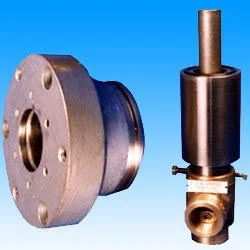
Industrial High Pressure Rotary Unions For Hydraulic And Water Applications
Industrial Hydraulic Rotary Unions For High Pressure Fluid And Gas Transfer
Steel Mill Rotary Unions For Water Cooling With Triple Sealing
Kalpatech Engineers
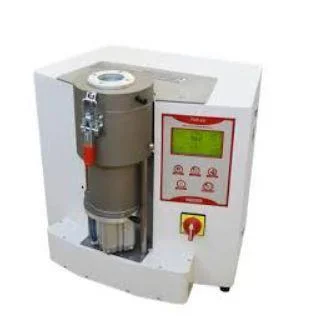
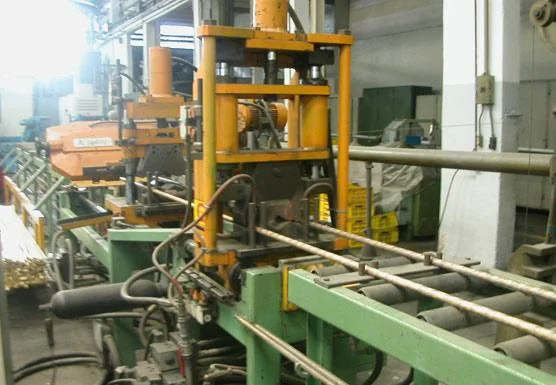
Premium Horizontal Continuous Casting Plant For Alloy Steel Production
Semi Continuous Casting Machine 3 4 MT/Hr Motion Control Servo Drive
Automotive Wiper Stainless Steel Wires Shapes Precision Durable OEM
Why Businesses Trust Pepagora
Thousands of companies trust Pepagora to source smarter and sell faster
Expand Your Sales Globally
25000+Products listed.Get discovered by global buyers
Tools to boost visibility
Build your own catalog

Source Smarter,Grow Faster
4000+Active RFQs
100+ Countries served
Easy Sourcing Tools
