
 IN
INundefined
Consumer Electronics Accessories
24 products available
𝗪𝗵𝗮𝘁 𝗮𝗿𝗲 𝗖𝗼𝗻𝘀𝘂𝗺𝗲𝗿 𝗘𝗹𝗲𝗰𝘁𝗿𝗼𝗻𝗶𝗰𝘀 𝗔𝗰𝗰𝗲𝘀𝘀𝗼𝗿𝗶𝗲𝘀?
Consumer electronics accessories are supplementary products designed to enhance the functionality, usability, and enjoyment of electronic devices. These accessories include a wide range of items such as chargers, cables, headphones, and cases. They are essential for optimizing the performance and user experience of various consumer electronics, including smartphones, tablets, laptops, and gaming consoles.
The primary uses of consumer electronics accessories extend to personal and business applications. In a business context, these accessories are crucial for improving productivity and efficiency. Organizations often rely on high-quality accessories to ensure their devices operate at peak performance. Moreover, with the growing trend of remote work and digital communication, the demand for reliable accessories has surged, making them vital in today’s marketplace.
The consumer electronics accessories market is highly relevant to various industries, including retail, technology, and telecommunications. As consumer preferences evolve, the accessory market continues to expand, driven by innovation and the introduction of new devices. Businesses that adapt to these trends can leverage the growing demand for accessories to enhance their product offerings and maintain competitive advantage.
𝗞𝗲𝘆 𝗙𝗲𝗮𝘁𝘂𝗿𝗲𝘀 𝗮𝗻𝗱 𝗦𝗽𝗲𝗰𝗶𝗳𝗶𝗰𝗮𝘁𝗶𝗼𝗻𝘀
Consumer electronics accessories come equipped with a range of features that cater to various user needs. Understanding these specifications is vital for making informed purchasing decisions.
Key specifications include:
1. Compatibility
- Accessories are often designed to work with specific brands or models of devices.
- Compatibility ensures seamless integration and functionality.
2. Material Quality
- High-quality materials enhance durability and longevity.
- Common materials include plastics, metals, and rubber.
3. Charging Capacity
- Specifications may include voltage and amperage ratings for chargers.
- Higher ratings typically allow for faster charging.
4. Connectivity Options
- Accessories may include USB, Bluetooth, or HDMI connections.
- Versatile connectivity ensures compatibility with various devices.
5. Design and Ergonomics
- Accessories should be user-friendly and aesthetically appealing.
- Ergonomic designs enhance comfort and usability.
6. Safety Features
- Many accessories include safety certifications such as CE.
- Features may include overcharging protection and short-circuit prevention.
7. Warranty and Support
- Warranty periods can vary, typically ranging from one to two years.
- Reliable customer support is essential for addressing issues.
The range of specifications ensures that businesses can select accessories that meet their specific needs while providing value and reliability.
𝗖𝗼𝗺𝗺𝗼𝗻 𝗔𝗽𝗽𝗹𝗶𝗰𝗮𝘁𝗶𝗼𝗻𝘀 𝗮𝗻𝗱 𝗨𝘀𝗲 𝗖𝗮𝘀𝗲𝘀
Consumer electronics accessories have versatile applications across multiple industries.
1. Retail: Retailers use accessories to enhance the in-store experience, offering customers additional products that complement their electronics purchases.
2. Education: Educational institutions utilize accessories such as projectors and interactive displays to improve learning environments and facilitate remote learning.
3. Telecommunications: Telecom companies provide accessories like chargers and protective cases to customers, ensuring their devices remain functional and protected.
4. Healthcare: Medical facilities rely on accessories that enhance the functionality of electronic devices used in patient care, such as portable chargers for medical equipment.
5. Gaming: The gaming industry sees high demand for accessories like headsets and controllers, which enhance user experience and immersion.
6. Automotive: Car manufacturers offer accessories such as phone mounts and chargers, integrating technology into vehicles for enhanced usability.
7. Corporate: Businesses utilize accessories to improve communication and productivity, equipping employees with necessary tools for remote or hybrid work.
𝗣𝗿𝗼𝗱𝘂𝗰𝘁 𝗩𝗮𝗿𝗶𝗮𝗻𝘁𝘀 𝗮𝗻𝗱 𝗦𝘂𝗯𝗰𝗮𝘁𝗲𝗴𝗼𝗿𝗶𝗲𝘀
The diversity of consumer electronics accessories allows for various product variants tailored to specific needs.
Charging Cables
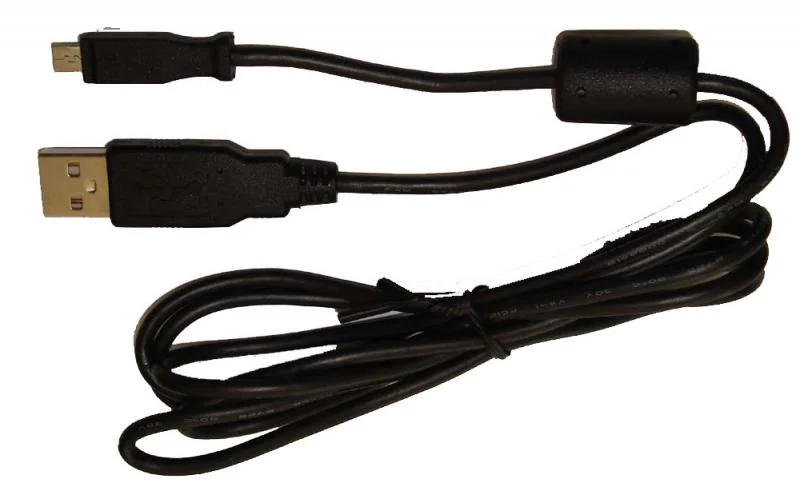
These cables are designed for different devices and often come in various lengths. They may support fast charging and data transfer for efficient device management.
Headphones and Earbuds
This variant includes wired and wireless options, catering to different preferences. Features may include noise cancellation and built-in microphones for hands-free use.
Protective Cases
Protective cases are essential for safeguarding devices against damage. They come in various styles, including rugged, slim, and wallet cases, providing options for varying levels of protection.
Screen Protectors
Screen protectors are designed to safeguard device screens from scratches and impacts. They are available in different materials, including tempered glass and plastic film.
𝗕𝗲𝗻𝗲𝗳𝗶𝘁𝘀 𝗮𝗻𝗱 𝗔𝗱𝘃𝗮𝗻𝘁𝗮𝗴𝗲𝘀
Consumer electronics accessories offer numerous benefits to users and businesses alike.
1. Enhanced Functionality: Accessories expand the capabilities of devices, allowing users to do more with their technology.
2. Improved User Experience: Quality accessories contribute to a better overall experience, making devices easier to use and more enjoyable.
3. Increased Device Longevity: Protective accessories help prolong the life of electronics by shielding them from wear and tear.
4. Customization Options: Accessories allow users to personalize their devices, reflecting individual styles and preferences.
5. Convenience: Accessories such as portable chargers and docking stations provide added convenience for users on the go.
6. Cost-Effectiveness: Investing in quality accessories can save businesses money by reducing the need for frequent device replacements.
𝗕𝘂𝘆𝗶𝗻𝗴 𝗚𝘂𝗶𝗱𝗲 𝗳𝗼𝗿 𝗕𝟮𝗕 𝗕𝘂𝘆𝗲𝗿𝘀
When sourcing consumer electronics accessories, businesses should consider several critical factors to ensure they make informed purchasing decisions.
1. Quality Assessment: Evaluate the quality of materials and construction to ensure durability. Look for products that meet industry standards and have positive reviews.
2. Supplier Verification: Verify suppliers to ensure they have a reputation for reliability and quality. Check for certifications and customer feedback.
3. Pricing and MOQ: Understand pricing structures and minimum order quantities. Compare costs among different suppliers to ensure competitive pricing.
4. Delivery and Lead Times: Consider logistics and delivery times to ensure that products arrive when needed. Factor in potential delays in the supply chain.
5. Compliance Requirements: Be aware of any regulatory compliance requirements for accessories, including safety standards and certifications like CE.
𝗖𝗼𝗺𝗽𝗹𝗶𝗮𝗻𝗰𝗲 𝗮𝗻𝗱 𝗖𝗲𝗿𝘁𝗶𝗳𝗶𝗰𝗮𝘁𝗶𝗼𝗻𝘀
Compliance and certification are essential aspects of consumer electronics accessories. Many products adhere to relevant quality standards such as ISO 9001, which emphasizes quality management systems. This ensures that products are consistently manufactured to meet customer expectations.
Additionally, industry certifications such as CE are crucial for ensuring that accessories comply with European health, safety, and environmental protection standards. These certifications provide assurance to businesses that the products they source are safe and reliable.
Safety and testing requirements vary by product type but generally include rigorous assessments to ensure that accessories can withstand various conditions. Regional compliance considerations may also apply, especially when sourcing from different countries, making it essential for businesses to be aware of local regulations.
𝗪𝗵𝘆 𝗦𝗼𝘂𝗿𝗰𝗲 𝗖𝗼𝗻𝘀𝘂𝗺𝗲𝗿 𝗘𝗹𝗲𝗰𝘁𝗿𝗼𝗻𝗶𝗰𝘀 𝗔𝗰𝗰𝗲𝘀𝘀𝗼𝗿𝗶𝗲𝘀 𝗳𝗿𝗼𝗺 𝗣𝗲𝗽𝗮𝗴𝗼𝗿𝗮?
Pepagora provides a trusted platform for sourcing consumer electronics accessories, offering several key advantages that benefit businesses.
Verified Supplier Network: Pepagora maintains a network of verified suppliers, ensuring that buyers can source high-quality accessories from reputable manufacturers. This reduces the risk of poor-quality products and strengthens buyer confidence.
Streamlined RFQ Process: The platform features a streamlined request for quotation (RFQ) process, making it easy for businesses to request pricing and availability from multiple suppliers. This efficiency helps buyers compare options quickly.
Trade Assurance and Support: Pepagora offers trade assurance and support services that protect buyers throughout the purchasing process. This includes assistance with disputes and guarantees on product quality.
Regional Coverage: With a geographical reach spanning India, the GCC, and Southeast Asia, Pepagora connects businesses with suppliers in key markets, enabling access to a diverse range of products and competitive pricing.
By choosing Pepagora, businesses can confidently navigate the consumer electronics accessories market and make informed purchasing decisions that enhance their operations.
Newly Added





Recently Added
Mittal & Brothers
Premium Polycab Multicore Cable Wires For Industrial And Commercial Electrical Systems
Premium Aerial Bunched Cables For Overhead Power Distribution
Premium Submersible Cables High Tensile Strength Heat Resistant 1300C
Birllara Enterprises
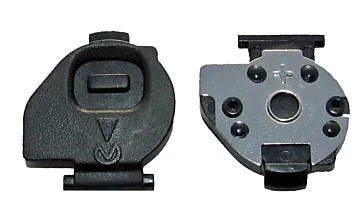
OEM Camera Battery Door For Reliable Durable Replacement Parts
OEM Shutter Release Button For Sony H1 H2 H5 Cameras Durable
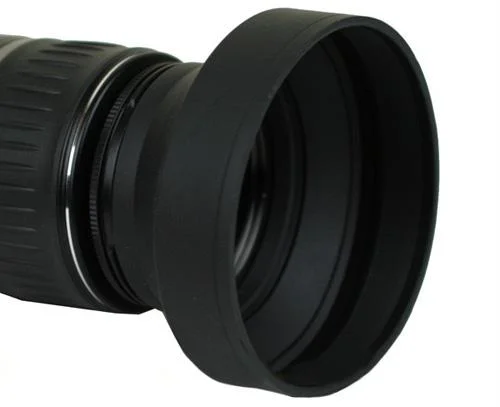
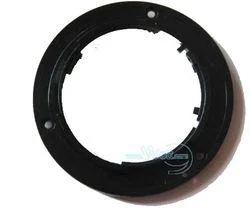
Professional OEM Lens Mounts For Cameras Durable And Reliable
Expandore Electronics India Pvt Ltd
Professional JVC Camcorders PAL 4.3 Inch LCD CMOS Sensors Durable
Professional JVC GY HM890 PAL Camcorder 20x Zoom Dual SD Recording
Professional JVC PAL Camcorder with Optical Image Stabilizer & 3.0 Inch LCD
Vifa CNC And Services
Industrial Rotary Switch High Voltage Compact Durable Long Life
Industrial CNC Limit Switch LS 03 High Voltage Compact Durable
Honeywell Plunger Switch High Voltage Compact Long Life Industrial
Global Powertronics
Industrial 6 Pulse Thyristor Converter 400VAC/DC Input 0 5VDC Output
Industrial Digital Thyristor Converter 0 5VDC DIN Rail Mounting
Industrial Control 3 Pulse Thyristor Sync Generator 400VAC/DC 0 5VDC DIN Rail
Girish Radio Corporation
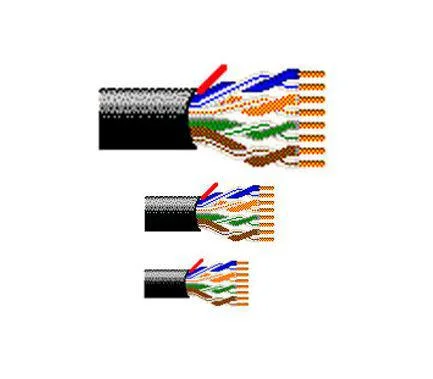
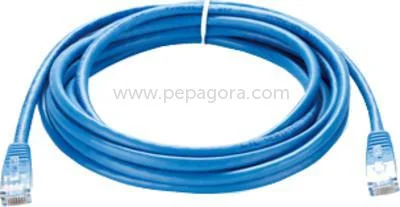
Industrial Grade CAT5e CAT6 STP Data Cables For Audio Video Transmission
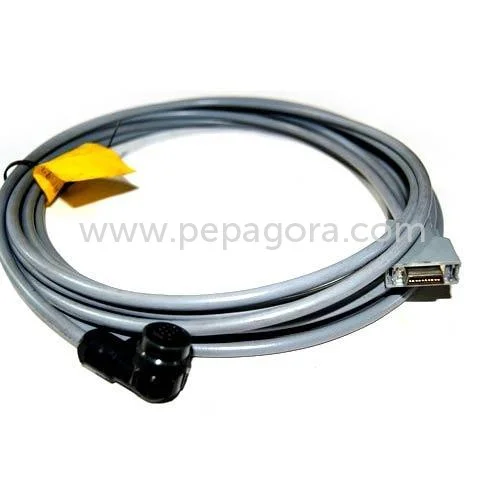
Industrial CNC Cables For PC Parallel Port Data Transfer
Premium Belden Cables For Electrical And Signal Transmission
Why Businesses Trust Pepagora
Thousands of companies trust Pepagora to source smarter and sell faster
Expand Your Sales Globally
25000+Products listed.Get discovered by global buyers
Tools to boost visibility
Build your own catalog

Source Smarter,Grow Faster
4000+Active RFQs
100+ Countries served
Easy Sourcing Tools
