
 IN
INundefined
Construction Hoists
10 products available
𝗪𝗵𝗮𝘁 𝗮𝗿𝗲 𝗖𝗼𝗻𝘀𝘁𝗿𝘂𝗰𝘁𝗶𝗼𝗻 𝗛𝗼𝗶𝘀𝘁𝘀?
Construction hoists are essential equipment used in the construction industry to transport materials and personnel vertically on building sites. These hoists are typically fixed installations that move items between various floors of a structure under construction or renovation. They are designed to enhance efficiency and safety, allowing workers to transport heavy loads quickly and reliably, thereby improving overall productivity on job sites.
Primarily, construction hoists are utilized in building projects, including high-rise structures, bridges, and large commercial facilities. They are vital during the construction phase, as they facilitate the movement of building materials such as concrete, steel, and other heavy items. Additionally, these hoists can also be used in residential projects for transporting tools and equipment. The market for construction hoists is growing, driven by the increasing demand for safer and more efficient construction processes.
𝗞𝗲𝘆 𝗙𝗲𝗮𝘁𝘂𝗿𝗲𝘀 𝗮𝗻𝗱 𝗦𝗽𝗲𝗰𝗶𝗳𝗶𝗰𝗮𝘁𝗶𝗼𝗻𝘀
Construction hoists come with various features tailored to meet the specific needs of different projects. Understanding these specifications helps businesses choose the right hoist for their applications.
Key specifications include:
1. Load Capacity
- Refers to the maximum weight the hoist can safely transport.
- Typical capacities range from 1,000 kg to 3,000 kg or more.
2. Lifting Height
- Indicates the maximum vertical distance the hoist can reach.
- Common lifting heights vary from 30 meters to over 100 meters.
3. Speed
- The speed at which the hoist can lift and lower loads.
- Standard speeds range from 20 meters per minute to 60 meters per minute.
4. Platform Size
- The dimensions of the platform used for transporting materials.
- Platforms can range from 1.5 meters to 3.5 meters in width and length.
5. Power Source
- Refers to the type of energy used to operate the hoist.
- Options typically include electric or diesel-powered models.
6. Safety Features
- Includes safety brakes, emergency stop buttons, and overload protection.
- Ensures compliance with industry safety standards.
7. Installation Type
- Describes whether the hoist is freestanding or building-mounted.
- Freestanding models offer flexibility on job sites, while building-mounted ones are fixed to the structure.
8. Control System
- The mechanism used to operate the hoist.
- Options may include manual controls, remote controls, or automated systems.
In summary, selecting the right construction hoist requires a careful evaluation of these specifications to ensure that it meets the unique demands of each project.
𝗖𝗼𝗺𝗺𝗼𝗻 𝗔𝗽𝗽𝗹𝗶𝗰𝗮𝘁𝗶𝗼𝗻𝘀 𝗮𝗻𝗱 𝗨𝘀𝗲 𝗖𝗮𝘀𝗲𝘀
Construction hoists are versatile and find applications across various industries.
1. Commercial Construction: In large commercial buildings, hoists are essential for moving heavy materials and equipment between floors during construction.
2. Residential Projects: These hoists facilitate the transport of tools, appliances, and materials in multi-story residential buildings.
3. Infrastructure Development: In projects like bridges and tunnels, hoists are utilized to move heavy construction materials and equipment safely.
4. Industrial Facilities: Construction hoists are also used in the expansion or renovation of industrial plants where heavy machinery needs to be moved.
5. High-Rise Buildings: Essential for skyscraper projects, hoists provide a reliable method for transporting workers and materials to high elevations.
6. Renovation Projects: In building renovations, hoists allow for the efficient removal and transport of old materials and the installation of new ones.
7. Demolition Sites: Hoists can be employed to remove debris from demolition projects, ensuring a safer work environment.
𝗣𝗿𝗼𝗱𝘂𝗰𝘁 𝗩𝗮𝗿𝗶𝗮𝗻𝘁𝘀 𝗮𝗻𝗱 𝗦𝘂𝗯𝗰𝗮𝘁𝗲𝗴𝗼𝗿𝗶𝗲𝘀
Construction hoists come in various configurations to suit different project needs.
Electric Hoists
These hoists are powered by electricity, making them suitable for indoor use where noise and emissions are a concern. They are efficient and generally safer for workers.
Diesel Hoists
Diesel-powered hoists are ideal for outdoor construction sites where electricity may not be readily available. They offer robust performance and are capable of lifting heavy loads.
Portable Hoists
These are smaller, lightweight hoists that can be easily transported between job sites. They are perfect for smaller projects or areas with limited space.
Heavy-Duty Hoists
Designed for the most demanding applications, heavy-duty hoists can handle larger loads and higher lifting heights. They are often used in large-scale construction projects.
𝗕𝗲𝗻𝗲𝗳𝗶𝘁𝘀 𝗮𝗻𝗱 𝗔𝗱𝘃𝗮𝗻𝘁𝗮𝗴𝗲𝘀
Construction hoists offer numerous benefits that enhance productivity and safety on job sites.
1. Increased Efficiency: Hoists allow for the rapid movement of materials, reducing downtime and keeping projects on schedule.
2. Enhanced Safety: Equipped with safety features, hoists minimize the risk of accidents related to manual lifting, ensuring a safer work environment.
3. Versatility: With various designs available, hoists can be adapted to a wide range of applications, making them suitable for different types of construction projects.
4. Reduced Labor Costs: By automating the transportation of heavy materials, hoists can significantly cut down on labor costs associated with manual handling.
5. Improved Accessibility: Hoists enable access to hard-to-reach areas, allowing workers to transport materials to upper floors without difficulty.
6. Compliance with Regulations: Using certified hoists helps companies comply with safety and quality regulations, reducing liability risks.
𝗕𝘂𝘆𝗶𝗻𝗴 𝗚𝘂𝗶𝗱𝗲 𝗳𝗼𝗿 𝗕𝟮𝗕 𝗕𝘂𝘆𝗲𝗿𝘀
When sourcing construction hoists, businesses should consider several key factors to ensure they make informed decisions.
1. Quality Assessment: Evaluate the quality of the hoists by checking manufacturer reputations, certifications, and customer reviews to ensure reliability.
2. Supplier Verification: Vet potential suppliers to confirm their credibility and ability to provide high-quality products. Look for industry certifications and customer feedback.
3. Pricing and MOQ: Understand the pricing structures and minimum order quantities. Compare costs across different suppliers to secure the best deal.
4. Delivery and Lead Times: Assess the logistics involved in delivery. Ensure that suppliers can meet your deadlines to avoid project delays.
5. Compliance Requirements: Familiarize yourself with the relevant safety standards and regulations for construction hoists in your region to ensure compliance and safety.
𝗖𝗼𝗺𝗽𝗹𝗶𝗮𝗻𝗰𝗲 𝗮𝗻𝗱 𝗖𝗲𝗿𝘁𝗶𝗳𝗶𝗰𝗮𝘁𝗶𝗼𝗻𝘀
Construction hoists must adhere to various quality standards and safety regulations to ensure their safe operation. Relevant quality standards such as ISO 9001 emphasize the importance of quality management systems. Compliance with these standards guarantees that manufacturers maintain high production quality.
Additionally, many construction hoists are certified under CE regulations, indicating compliance with European safety standards. This certification is crucial for ensuring that the hoists meet the necessary safety and performance criteria.
Safety and testing requirements are also critical components of compliance. Hoists must undergo rigorous testing to verify their load capacities and safety features. Ensuring that hoists meet these requirements minimizes risks on job sites.
Finally, regional compliance considerations can vary widely. Companies should be aware of local regulations governing construction equipment to ensure they meet all legal requirements.
𝗪𝗵𝘆 𝗦𝗼𝘂𝗿𝗰𝗲 𝗖𝗼𝗻𝘀𝘁𝗿𝘂𝗰𝘁𝗶𝗼𝗻 𝗛𝗼𝗶𝘀𝘁𝘀 𝗳𝗿𝗼𝗺 𝗣𝗲𝗽𝗮𝗴𝗼𝗿𝗮?
Pepagora provides a trusted platform for sourcing construction hoists, offering several key advantages to buyers.
Verified Supplier Network: Pepagora has built a network of verified suppliers who are screened for quality and reliability. This ensures that buyers can find reputable manufacturers and suppliers easily.
Streamlined RFQ Process: The request for quotation process on Pepagora is efficient, allowing buyers to receive competitive quotes quickly. This helps buyers make informed purchasing decisions without unnecessary delays.
Trade Assurance and Support: Pepagora offers trade assurance, providing buyers with protection throughout the purchasing process. This includes support for resolving any issues that may arise after the purchase.
Regional Coverage: With a strong presence in India, the GCC, and Southeast Asia, Pepagora connects buyers with suppliers across a wide geographical area, facilitating access to a diverse range of construction hoists.
Newly Added


Recently Added
Weber Construction Equipment Pvt Ltd
Laboratory Concrete Mixer 5 Cft Unmixed 3 Cft Mixed Manual Operation
Hand Operated Concrete Mixer For Small To Medium Construction Projects
Industrial Weigh Batchers For Precision Batching In Construction And Manufacturing
ARC Engineering Industries
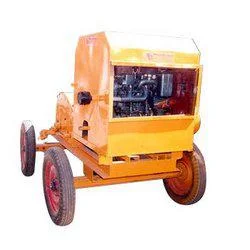
Heavy Duty Hydraulic Hopper 10 cu ft 6HP Diesel 5HP Electric Motor
Mechanical Clutch Hopper 10/7 Cu Ft Mixer 6HP Diesel 5HP Electric
Hand Feed Concrete Mixer 7 Cu. Ft. 20 RPM Diesel Electric
Sarson Enterprises
Construction Scaffoldings Premium Durable Safety Reliable
Premium Cuplock Scaffolding System With Drop Forged Verticals And Horizontals
Industrial H Frame Scaffolding Systems For Construction And Maintenance
Classic Engineering Company
Industrial OEM Concrete Mixer Machine Easy Operate Durable Various Sizes
Construction Industry Concrete Vibrator Easy Operation Durable Low Maintenance
Industrial Pan Mixer 500kg 20HP Steel Construction Easy Operation
Ali Kraft
Heavy Duty Concrete Road Pavers for High Traffic Infrastructure
Construction Bar Cutting Machine High Speed Automated Rebar Cutter
Heavy Duty Slope Pavers All Steel Welded Frame Variable Width Up To 24m
Austuel Construction Equipment
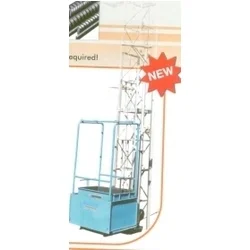
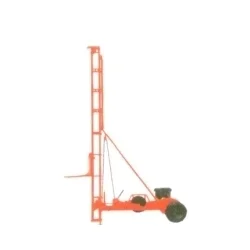
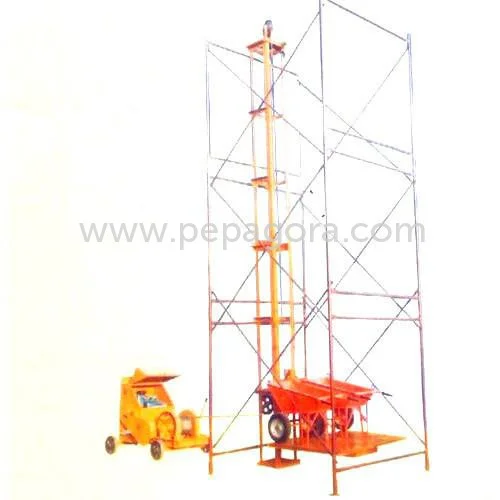
Premium Tower Hoist For Construction And Industrial Material Handling
Industrial 6 Cum/Hour Sand Sieving Machine With 2HP Motor
Lab Industrial Precision Test Sieves For Particle Size Analysis
Bharat Machinery Corporation
Heavy Duty High Frequency Concrete Vibrator for Construction Compaction
Industrial External Vibrators For Concrete Compaction And Material Flow
Industrial Shot Blasting Machine For Metal Concrete Surface Preparation
Buildtech Industries
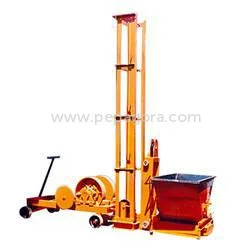
Builder Hoist Premium Construction Lifting Steel Structure 12mm Wire Rope Tilting Bucket
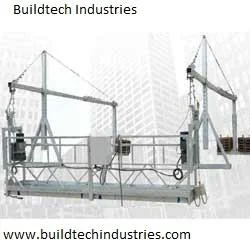
Industrial Suspended Platforms And Monkey Hoists For Construction And Maintenance
Premium Tower Hoist With Steel Structure Winch System 10cft Tilting Bucket
Dattakrupa Construction Machinery
Heavy Duty Table Vibrator 3500 VPM For Concrete Compaction
Industrial Precision Weigh Batcher For Cement Chemical Pharmaceutical Plants
Manual Block Machine For Concrete Blocks And Bricks With Cast Iron
Why Businesses Trust Pepagora
Thousands of companies trust Pepagora to source smarter and sell faster
Expand Your Sales Globally
25000+Products listed.Get discovered by global buyers
Tools to boost visibility
Build your own catalog

Source Smarter,Grow Faster
4000+Active RFQs
100+ Countries served
Easy Sourcing Tools
