
 IN
INundefined
Concrete Pumps
85 products available
𝗪𝗵𝗮𝘁 𝗮𝗿𝗲 𝗖𝗼𝗻𝗰𝗿𝗲𝘁𝗲 𝗣𝘂𝗺𝗽𝘀?
Concrete pumps are sophisticated pieces of equipment designed to transport liquid concrete from a mixer to the construction site with precision and efficiency. They utilize a series of pipes and hoses to convey concrete, making the process faster and more reliable than traditional methods of manual pouring. These pumps can either be mounted on trucks or used as stationary units, allowing for flexibility in various construction environments.
The primary uses of concrete pumps include high-rise building construction, road paving, and other infrastructure projects. They are essential for applications where concrete must be placed in hard-to-reach areas. Their ability to deliver concrete over long distances and heights makes them invaluable in urban construction settings. As the demand for efficient construction methods grows, concrete pumps have become integral to modern building practices, enhancing productivity and safety on job sites.
𝗞𝗲𝘆 𝗙𝗲𝗮𝘁𝘂𝗿𝗲𝘀 𝗮𝗻𝗱 𝗦𝗽𝗲𝗰𝗶𝗳𝗶𝗰𝗮𝘁𝗶𝗼𝗻𝘀
Concrete pumps come equipped with a range of features designed to optimize performance and usability. These specifications influence the selection of concrete pumps for specific projects.
Key specifications include:
1. Pumping Capacity
- The volume of concrete that can be pumped per hour, typically ranging from 20 to 160 cubic meters.
2. Maximum Pressure
- The highest pressure the pump can achieve, often between 70 to 150 bar.
3. Delivery Distance
- The maximum distance concrete can be pumped horizontally and vertically, which can reach up to 200 meters.
4. Engine Power
- The power of the engine, usually measured in horsepower or kilowatts, ranging from 100 to 400 hp.
5. Hose Diameter
- The diameter of the delivery hose, commonly between 3 to 5 inches.
6. Weight
- The total weight of the pump, which can affect transportation and setup, generally between 3,000 to 10,000 kg.
7. Mobility
- Types of mobility include truck-mounted, trailer-mounted, or stationary options.
8. Control System
- The method of control, which can be manual or automated, enhancing ease of operation.
These specifications play a crucial role in determining the appropriate concrete pump for various applications, ensuring efficiency and reliability.
𝗖𝗼𝗺𝗺𝗼𝗻 𝗔𝗽𝗽𝗹𝗶𝗰𝗮𝘁𝗶𝗼𝗻𝘀 𝗮𝗻𝗱 𝗨𝘀𝗲 𝗖𝗮𝘀𝗲𝘀
Concrete pumps are utilized across various industries, showcasing their versatility and importance in construction.
1. Construction: In building projects, concrete pumps facilitate the quick and efficient placement of concrete for foundations, walls, and ceilings.
2. Infrastructure: They are critical in road construction, allowing for the rapid pouring of concrete for pavements and bridges.
3. Mining: Concrete pumps are used in shotcrete applications to support tunnels and mine shafts, enhancing safety and stability.
4. Landscaping: In landscaping projects, concrete pumps assist in the pouring of decorative concrete and hardscaping features.
5. Oil and Gas: They are employed in the construction of well pads and other infrastructure within the oil and gas industry.
6. Precast Concrete: Concrete pumps play a vital role in the production of precast elements, enabling efficient filling of molds.
7. Repair and Maintenance: They are also used in repair projects, allowing for quick concrete placement in existing structures.
𝗣𝗿𝗼𝗱𝘂𝗰𝘁 𝗩𝗮𝗿𝗶𝗮𝗻𝘁𝘀 𝗮𝗻𝗱 𝗦𝘂𝗯𝗰𝗮𝘁𝗲𝗴𝗼𝗿𝗶𝗲𝘀
Concrete pumps are available in various configurations to meet diverse project needs.
Truck-mounted Concrete Pumps
These pumps are built onto a truck chassis, offering mobility and ease of use on construction sites. They are ideal for large projects where concrete needs to be delivered over long distances.
Trailer-mounted Concrete Pumps
These stationary units can be towed to job sites and are suitable for projects requiring high output and long-distance concrete pumping. They are often used in remote locations.
Stationary Concrete Pumps
These pumps are installed at a fixed location and connected to a network of pipes for concrete delivery. They are typically used in large-scale constructions where high volume pumping is needed.
𝗕𝗲𝗻𝗲𝗳𝗶𝘁𝘀 𝗮𝗻𝗱 𝗔𝗱𝘃𝗮𝗻𝘁𝗮𝗴𝗲𝘀
Concrete pumps offer numerous advantages over traditional concrete pouring methods.
Key benefits include:
1. Increased Efficiency: Concrete pumps speed up the construction process by delivering concrete quickly and accurately.
2. Reduced Labor Costs: With fewer workers needed for placement, labor costs are significantly lowered.
3. Enhanced Safety: By minimizing manual handling and reducing the risk of spills, concrete pumps improve safety on job sites.
4. Versatility: They can handle a variety of concrete mixes and can be used in diverse applications.
5. Better Accessibility: Concrete pumps can reach difficult locations, ensuring that concrete is placed where it is needed most.
6. Improved Quality: The precision of pumping helps maintain the integrity and quality of the concrete mix.
𝗕𝘂𝘆𝗶𝗻𝗴 𝗚𝘂𝗶𝗱𝗲 𝗳𝗼𝗿 𝗕𝟮𝗕 𝗕𝘂𝘆𝗲𝗿𝘀
When sourcing concrete pumps, several factors should be considered to ensure the right choice for your project needs.
1. Quality Assessment: Evaluate the quality of the pumps by reviewing manufacturer standards and customer reviews. Look for durability and reliability.
2. Supplier Verification: Vet suppliers to ensure they are reputable and provide high-quality products. Check for certifications and industry experience.
3. Pricing and MOQ: Understand the cost structures and minimum order quantities required by suppliers, which can vary significantly.
4. Delivery and Lead Times: Inquire about logistics and delivery schedules to meet project timelines effectively.
5. Compliance Requirements: Ensure that the pumps meet all relevant regulatory and safety standards, including certifications such as CE.
𝗖𝗼𝗺𝗽𝗹𝗶𝗮𝗻𝗰𝗲 𝗮𝗻𝗱 𝗖𝗲𝗿𝘁𝗶𝗳𝗶𝗰𝗮𝘁𝗶𝗼𝗻𝘀
Concrete pumps must adhere to various quality and safety standards to ensure reliability and compliance in the industry.
ISO 9001 certification is significant, as it demonstrates a commitment to quality management systems. This certification ensures that manufacturers consistently meet customer and regulatory requirements.
The CE certification indicates that the product meets European safety, health, and environmental protection standards. This is essential for companies looking to operate in or export to Europe.
Safety and testing requirements are critical, particularly regarding the operation of concrete pumps. Regular inspections and maintenance are necessary to uphold safety standards.
Regional compliance considerations may vary, so it is essential to be aware of local regulations and standards that apply to concrete pumps in specific markets.
𝗪𝗵𝘆 𝗦𝗼𝘂𝗿𝗰𝗲 𝗖𝗼𝗻𝗰𝗿𝗲𝘁𝗲 𝗣𝘂𝗺𝗽𝘀 𝗳𝗿𝗼𝗺 𝗣𝗲𝗽𝗮𝗴𝗼𝗿𝗮?
Pepagora offers a trusted platform for sourcing concrete pumps with several key advantages.
Verified Supplier Network: Pepagora ensures that all suppliers are vetted for quality and reliability. This network provides buyers with peace of mind when making purchasing decisions.
Streamlined RFQ Process: The request for quotation process is efficient, allowing buyers to receive multiple quotes quickly and compare options without hassle.
Trade Assurance and Support: Pepagora provides trade assurance, offering buyer protection and support throughout the purchasing process. This includes assistance with negotiations and dispute resolution.
Regional Coverage: With a strong presence in India, the GCC, and Southeast Asia, Pepagora facilitates access to a broad market, ensuring buyers can find the right products for their needs.
By choosing Pepagora, businesses can confidently source concrete pumps while benefiting from a comprehensive support system tailored to their requirements.
Newly Added


Recently Added
Vasantham Foundry
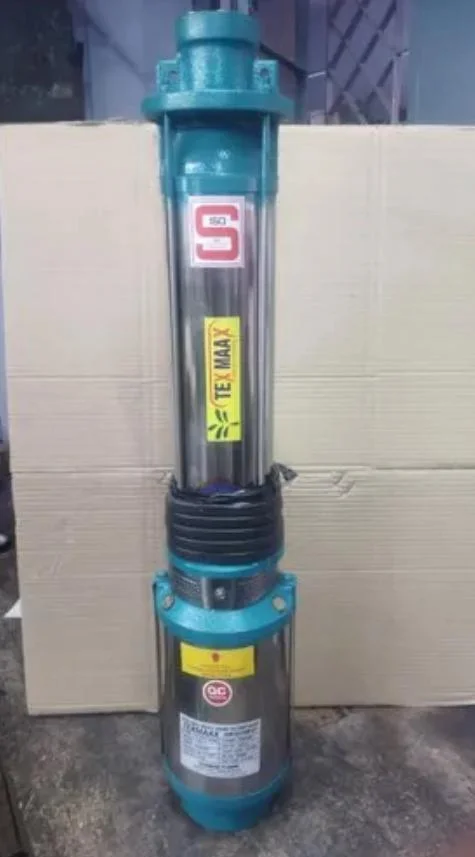
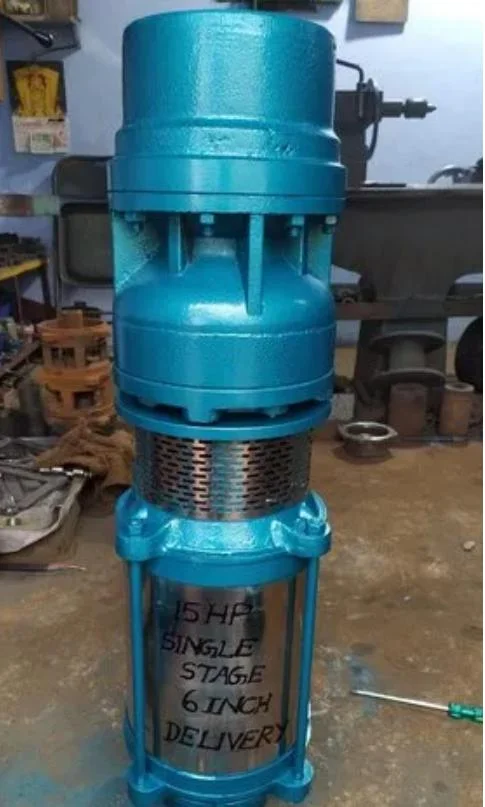
OEM Agricultural Motor Pump Accessories Casting Industrial Durable
Industrial Fire Proof Accessories For Motors And Pumps OEM Standard
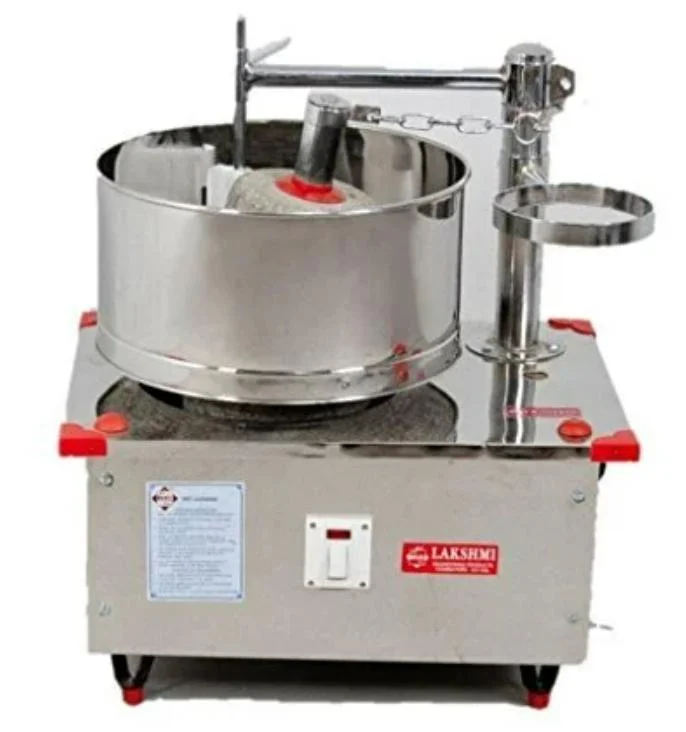
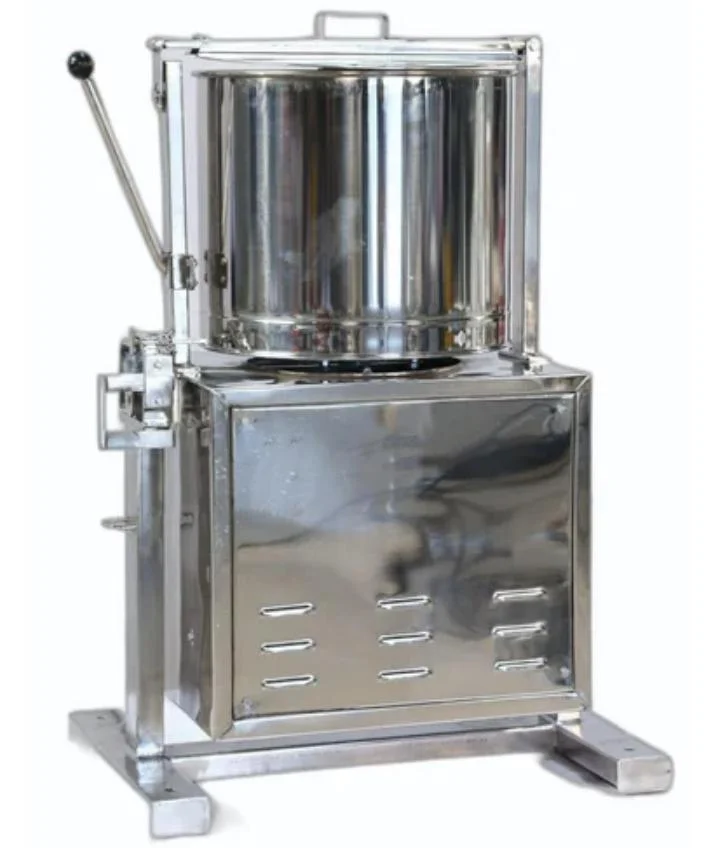
Industrial OEM Kitchen Accessories For Motor & Pumps Easy Install
Aquarius Engineers Private Limited
Concrete Boom Pumps 20m 32m 36m Models 32.07 20.07 36.07 32.09
Premium Boom Pumps For High Rise Construction And Long Distance Concrete Conveying
Concrete Boom Pump 20m 32m 36m Remote Control Fuel Efficient
Oil Gas Industries Services
Industrial Plate Heat Exchanger For Juice And Beverage Processing
Industrial Rotary Filter For Solid Liquid Separation In Various Industries
Industrial Pan Mixer Metal Diesel Engine Manual Operation In Stock
Breweries Filter Systems Private Limited
Industrial Pumps For Slurry And Liquid Transfer In Demanding Sectors
Industrial Preheaters For Manufacturing With Precise Temperature Control
Industrial External Tube Boilers Compact Robust Reliable Performance
Accord Hydraulic & Automation
Industrial HV3 Series Pumps For High Performance Fluid Transfer
Industrial Machinery ACCORD Hydraulic Cylinders Heavy Duty Performance
Hydraulic Spare Parts Compatible With Yuken Vickers Rexroth Eaton Parker
Abhi Vairavans Plumbing Co.
Parryware Sanitary Ware Non Metal Durable Standard New
Industrial Water Pump 0.25 0.5 HP Single Phase 2880 RPM Mechanical Seal
CRI Single Phase Water Pump 0.25 0.5 HP 720 2580 Lph 32m Head
Flow Tech Engineers
Industrial Stainless Steel Butter Churners 250L To 3000L Capacity
Dairy Farm Milk Chillers SS 304/316 500L 20000L Efficient Cooling
Dairy Milk Silos Premium Cold Storage Tanks Hygienic Temperature Control
Kalpana Enterprise
Concrete Plant Parts Premium Durable Batching Operations Components
Industrial Pipeline Cleaning Pigs For Oil Gas Chemical Maintenance
Industrial Piston Ram Durable Aluminum Alloy Cast Iron Engine Component
Panchal Pumps & Systems
Industrial Barrel Mixing And Emptying Pump For Paints And Chemicals
PPI Series Progressive Cavity Eccentric Screw Pumps For Viscous Fluids
PRM Series Coal Mining Pumps For Dewatering And Abrasive Slurry Transfer
Bharat Machinery Corporation
Heavy Duty High Frequency Concrete Vibrator for Construction Compaction
Industrial External Vibrators For Concrete Compaction And Material Flow
Industrial Shot Blasting Machine For Metal Concrete Surface Preparation
Why Businesses Trust Pepagora
Thousands of companies trust Pepagora to source smarter and sell faster
Expand Your Sales Globally
25000+Products listed.Get discovered by global buyers
Tools to boost visibility
Build your own catalog

Source Smarter,Grow Faster
4000+Active RFQs
100+ Countries served
Easy Sourcing Tools
