
 IN
INundefined
Concrete Mixers
93 products available
𝗪𝗵𝗮𝘁 𝗮𝗿𝗲 𝗖𝗼𝗻𝗰𝗿𝗲𝘁𝗲 𝗠𝗶𝘅𝗲𝗿𝘀?
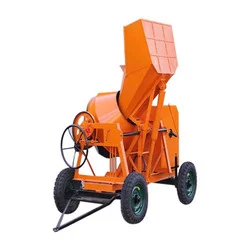
Concrete mixers are essential machines used in the construction industry to combine various ingredients such as cement, aggregates, water, and additives to create concrete. These mixers ensure that the materials are thoroughly blended to achieve the desired consistency and strength for construction projects. They can vary in size and complexity, from small handheld mixers for DIY projects to large, truck-mounted mixers for industrial applications.
The primary uses of concrete mixers span various construction activities, including residential building, road construction, and infrastructure development. They facilitate the efficient mixing of concrete on-site, reducing labor costs and material waste. In addition to construction, concrete mixers are also utilized in precast concrete production, where consistent quality and uniformity are crucial. With the growing demand for infrastructure development worldwide, concrete mixers have become indispensable tools in the construction sector.
Given the industry's relevance, concrete mixers are a key element in ensuring that construction projects are completed on time and within budget. As global construction activities continue to rise, the market for concrete mixers is expected to grow, driven by technological advancements and increasing construction demands.
𝗞𝗲𝘆 𝗙𝗲𝗮𝘁𝘂𝗿𝗲𝘀 𝗮𝗻𝗱 𝗦𝗽𝗲𝗰𝗶𝗳𝗶𝗰𝗮𝘁𝗶𝗼𝗻𝘀
Concrete mixers come with various features designed to enhance performance, durability, and usability. Understanding their specifications is essential for selecting the right mixer for specific applications.
Key specifications include:
1. Mixing Capacity
- Refers to the volume of concrete that can be mixed in a single batch.
- Typically ranges from 100 liters to over 2000 liters.
2. Power Source
- Can be powered either by electric motors or diesel engines.
- Electric mixers are suitable for indoor use, while diesel mixers are often used outdoors.
3. Drum Type
- Includes reversible drum mixers and twin-shaft mixers.
- Reversible drum mixers are suitable for small projects, while twin-shaft mixers provide high-quality mixing for large volumes.
4. Mixing Speed
- The speed at which the drum rotates.
- Generally adjustable to optimize mixing efficiency.
5. Weight
- Varies based on size and capacity.
- Lightweight models facilitate easy transport, while heavier models offer stability.
6. Mobility
- Can be stationary or portable.
- Portable mixers are ideal for projects requiring frequent relocation.
7. Discharge Method
- Includes manual and automatic discharge options.
- Automatic systems enhance efficiency, especially in high-volume applications.
8. Safety Features
- May include emergency stop buttons, protective covers, and overload sensors.
- Essential for ensuring safe operation in construction environments.
Concrete mixers are crucial for achieving consistent concrete quality, making them a valuable investment for businesses in the construction industry.
𝗖𝗼𝗺𝗺𝗼𝗻 𝗔𝗽𝗽𝗹𝗶𝗰𝗮𝘁𝗶𝗼𝗻𝘀 𝗮𝗻𝗱 𝗨𝘀𝗲 𝗖𝗮𝘀𝗲𝘀
Concrete mixers are versatile machines used across several industries.
1. Construction Industry: Concrete mixers are used for residential and commercial building projects, ensuring a uniform mix for foundations, walls, and other structures.
2. Road Construction: They play a critical role in producing concrete for pavements, bridges, and road repairs, enabling fast and efficient project completion.
3. Precast Concrete Manufacturing: In this sector, mixers ensure that concrete elements such as beams, blocks, and slabs meet specific quality standards.
4. Infrastructure Development: Large-scale projects like dams, tunnels, and airports rely on concrete mixers for consistent concrete supply.
5. Landscaping: Small mixers are often used in landscaping for pathways, patios, and decorative concrete applications.
6. Mining and Tunneling: In these sectors, concrete mixers are essential for shotcrete applications used in tunnel support and stabilization.
7. Agricultural Construction: They are also used in constructing silos, barns, and other structures in the agricultural sector.
Concrete mixers serve a diverse range of applications, making them an essential tool in many industries.
𝗣𝗿𝗼𝗱𝘂𝗰𝘁 𝗩𝗮𝗿𝗶𝗮𝗻𝘁𝘀 𝗮𝗻𝗱 𝗦𝘂𝗯𝗰𝗮𝘁𝗲𝗴𝗼𝗿𝗶𝗲𝘀
Concrete mixers come in a variety of types to meet specific needs in construction and manufacturing.
Stationary Mixers: These are designed for fixed locations and typically have higher capacities. They are ideal for large projects where a constant supply of mixed concrete is required.
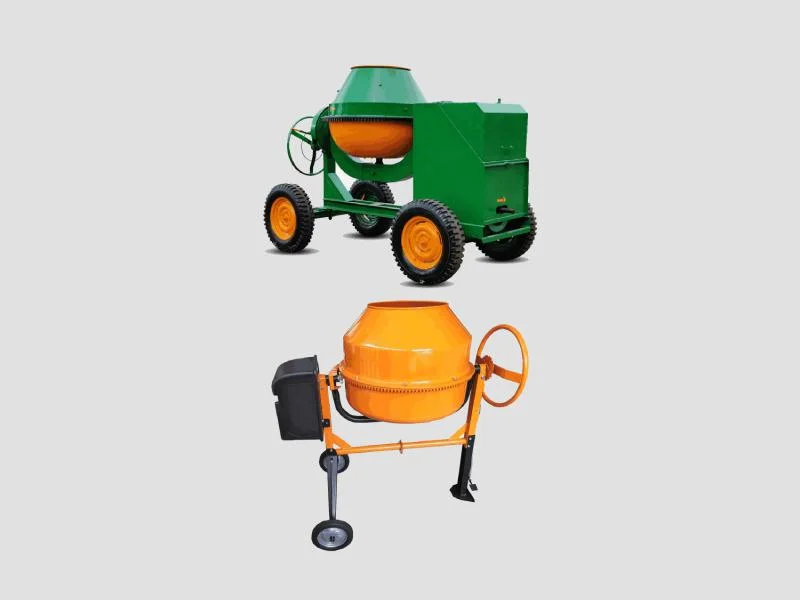
Portable Mixers: These are smaller, mobile units that can be transported easily to different job sites. They are perfect for smaller construction projects that require flexibility.
Volumetric Mixers: These mixers allow for the production of concrete on-demand, measuring the ingredients as they are mixed. This ensures precise control over the concrete mix and reduces waste.
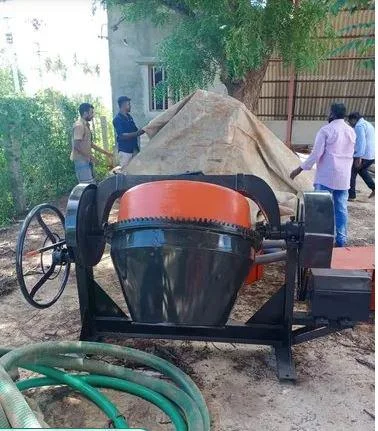
Drum Mixers: These mixers feature a rotating drum that combines ingredients. They are commonly used for smaller-scale projects and offer easy operation.
Twin-Shaft Mixers: Known for their efficiency and thorough mixing capabilities, twin-shaft mixers are suitable for large-scale applications requiring high-quality concrete.
𝗕𝗲𝗻𝗲𝗳𝗶𝘁𝘀 𝗮𝗻𝗱 𝗔𝗱𝘃𝗮𝗻𝘁𝗮𝗴𝗲𝘀
Investing in concrete mixers offers several advantages for businesses in the construction industry.
1. Increased Efficiency: Concrete mixers significantly reduce the time required to mix concrete, allowing for faster project completion.
2. Consistent Quality: They ensure uniform mixing, resulting in high-quality concrete that meets project specifications.
3. Cost-Effectiveness: By allowing for on-site mixing, businesses can save on transportation costs and material waste.
4. Versatility: Different types of mixers can be utilized for various projects, from small residential builds to large infrastructure developments.
5. Enhanced Safety: Modern mixers come equipped with safety features that protect operators and reduce the risk of accidents on job sites.
6. Customization Options: Many manufacturers offer mixers that can be tailored to specific project needs, enhancing functionality.
These benefits make concrete mixers a valuable asset for construction companies aiming to improve productivity and quality.
𝗕𝘂𝘆𝗶𝗻𝗴 𝗚𝘂𝗶𝗱𝗲 𝗳𝗼𝗿 𝗕𝟮𝗕 𝗕𝘂𝘆𝗲𝗿𝘀
When sourcing concrete mixers, several factors should be considered to ensure optimal selection.
1. Quality Assessment: Evaluate mixers based on material quality, build, and user reviews. High-quality mixers tend to have longer lifespans and better performance.
2. Supplier Verification: Vet suppliers for credibility and experience in the market. Look for certifications and customer testimonials as indicators of reliability.
3. Pricing and MOQ: Understand the price range and minimum order quantities to align with budgetary constraints. Be cautious of deals that seem too good to be true.
4. Delivery and Lead Times: Confirm delivery schedules and lead times to ensure that the mixer arrives when needed for your project.
5. Compliance Requirements: Check for compliance with local regulations and industry standards, such as CE certification, to avoid legal issues later.
Taking these factors into account will help buyers make informed decisions when purchasing concrete mixers.
𝗖𝗼𝗺𝗽𝗹𝗶𝗮𝗻𝗰𝗲 𝗮𝗻𝗱 𝗖𝗲𝗿𝘁𝗶𝗳𝗶𝗰𝗮𝘁𝗶𝗼𝗻𝘀
Compliance and certification are crucial aspects when selecting concrete mixers.
Quality standards such as ISO 9001 ensure that manufacturers adhere to rigorous quality management principles, enhancing product reliability and performance.
Industry certifications like CE indicate that the equipment meets European safety and environmental requirements, providing assurance to buyers regarding safety and compliance.
Safety and testing requirements are essential for ensuring that concrete mixers operate safely under various conditions. Regular inspections and adherence to safety protocols are necessary to maintain compliance.
Regional compliance considerations may vary based on local regulations, necessitating awareness of specific standards that apply in different areas.
𝗪𝗵𝘆 𝗦𝗼𝘂𝗿𝗰𝗲 𝗖𝗼𝗻𝗰𝗿𝗲𝘁𝗲 𝗠𝗶𝘅𝗲𝗿𝘀 𝗳𝗿𝗼𝗺 𝗣𝗲𝗽𝗮𝗴𝗼𝗿𝗮?
Pepagora provides a trusted platform for sourcing concrete mixers with several key advantages.
Verified Supplier Network: Pepagora connects buyers with a network of verified suppliers, ensuring that businesses can source high-quality mixers from reputable manufacturers. This reduces the risk of purchasing substandard equipment.
Streamlined RFQ Process: The platform simplifies the request for quotation process, allowing buyers to easily compare offers from multiple suppliers. This efficiency helps in making informed purchasing decisions.
Trade Assurance and Support: Pepagora offers trade assurance to protect buyers against potential issues. This support builds confidence in transactions, ensuring a secure purchasing experience.
Regional Coverage: With a strong presence in India, the GCC, and Southeast Asia, Pepagora provides extensive geographic reach, making it easier for businesses to find the right mixers suited to their local market needs.
Leveraging these advantages positions Pepagora as a valuable partner for businesses looking to procure concrete mixers efficiently and effectively.
Newly Added





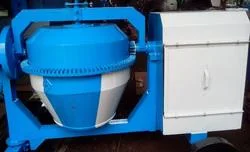
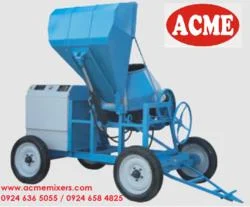
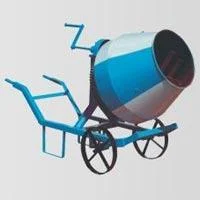
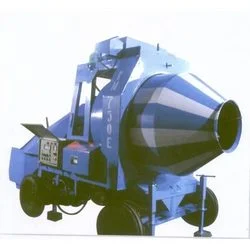
Recently Added
ARC Engineering Industries
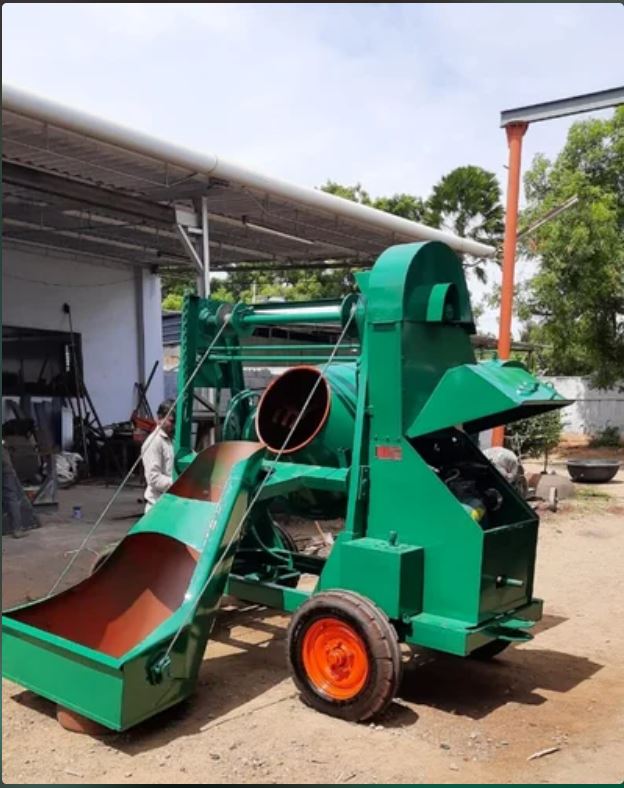
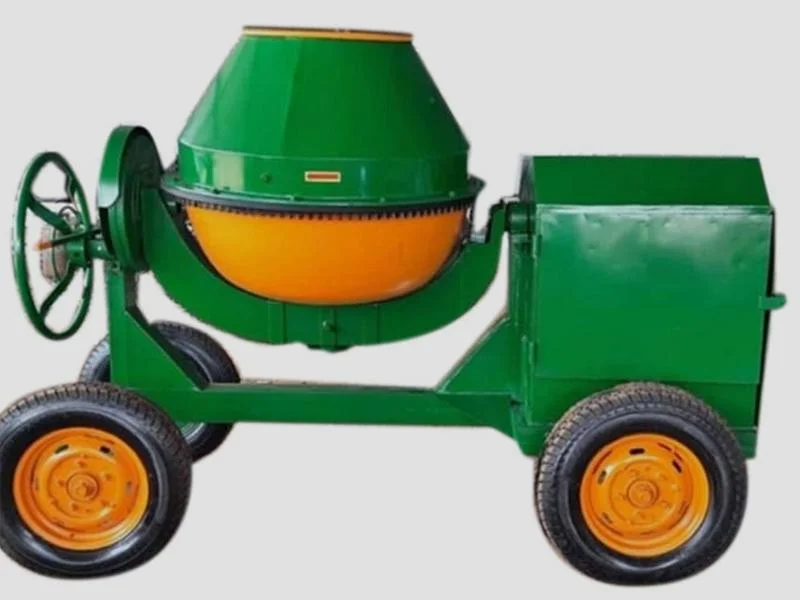
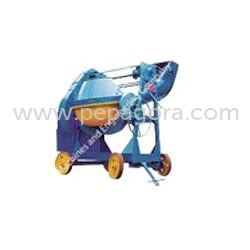
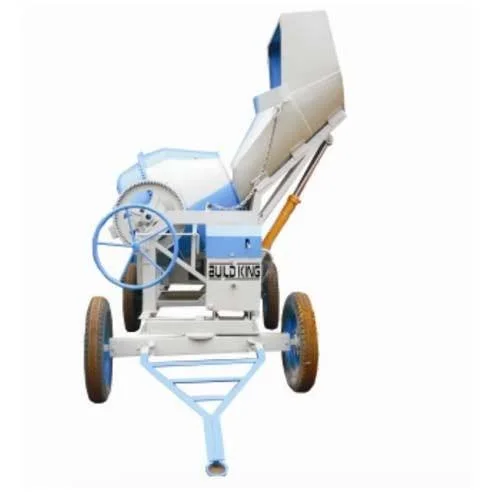
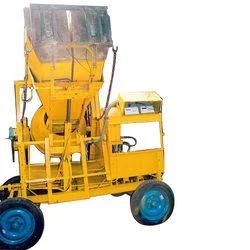
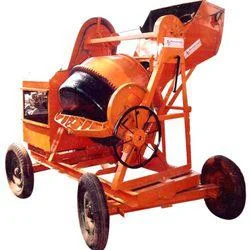
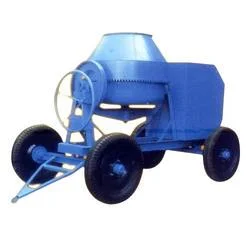
Heavy Duty Hydraulic Hopper 10 cu ft 6HP Diesel 5HP Electric Motor
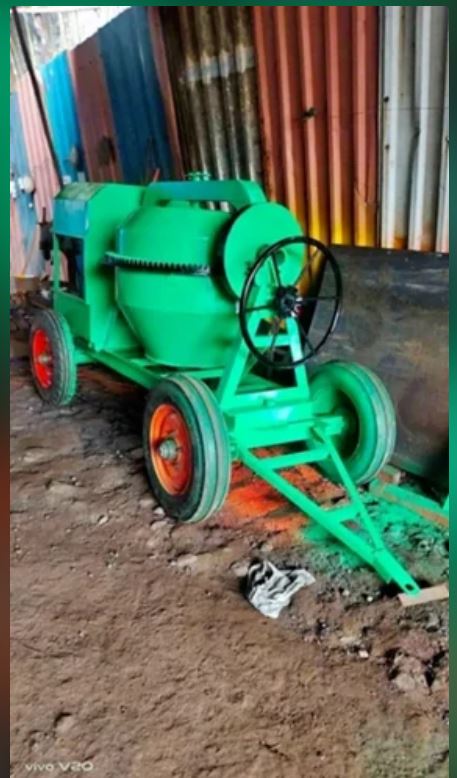
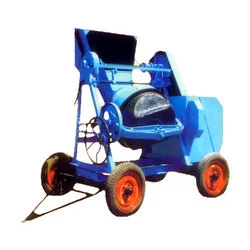
Mechanical Clutch Hopper 10/7 Cu Ft Mixer 6HP Diesel 5HP Electric
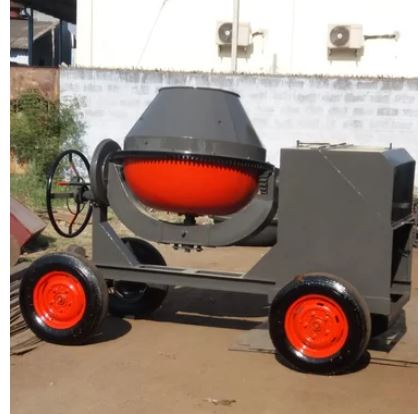
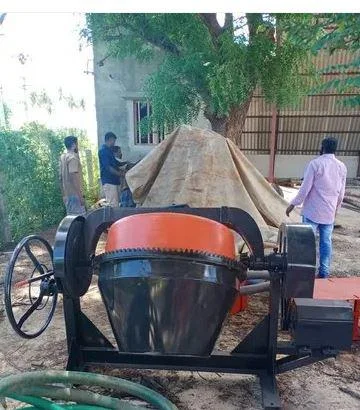
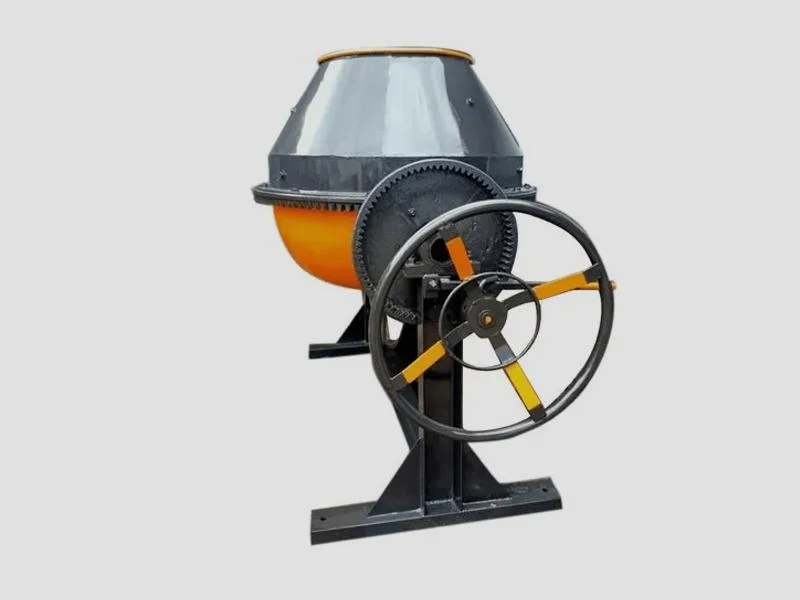
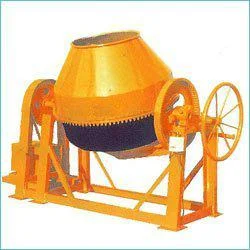
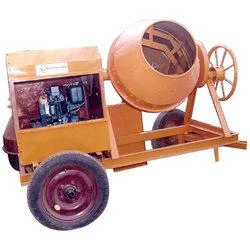
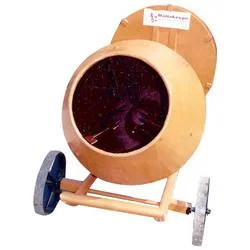
Hand Feed Concrete Mixer 7 Cu. Ft. 20 RPM Diesel Electric
Ashok Safe Manufacturing Company
Industrial HVAC Automotive Machinery Custom Sheet Metal Parts Ductings
Industrial Sheet Metal Brackets For Construction And Manufacturing
Industrial Sheet Metal Filter Clamps for HVAC and Fluid Systems
Vishwakarma Engineering Works
Vibro Paver Block Machine 7.5 HP High Pressure 1400 1800 Blocks/Shift
Industrial Hydraulic Press with Safety Interlocks and Timer Control
PLC Controlled Oil Hydraulic Press For Uniform Paver Production
Lakshmi & Co
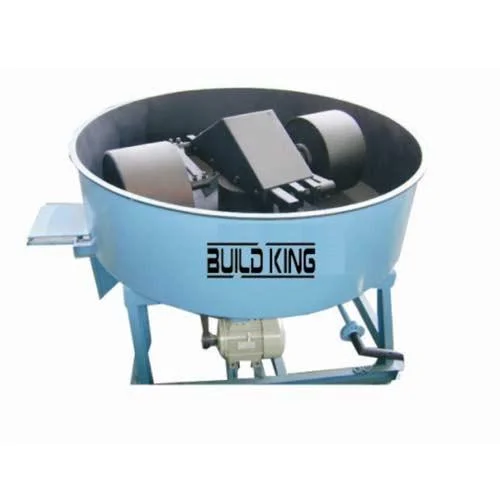
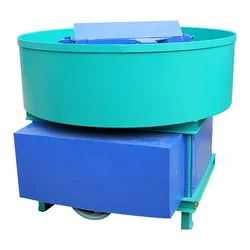
Industrial Pan Mixer 75kg Batch Capacity 900mm Pan 3HP Motor
Professional Wall Groove Cutting Machine 32mm Brick Electrical Plumbing
Automatic Mechanical Brick Press Machine 10 HP 1000 2000 Bricks/Hour
Vinayak Road Equipment
Asphalt Plant Cold Aggregate Feeder Unit for Precision Material Handling
M.O.R.T.H. Compliant Fully Automatic Asphalt Drum Mix Plant For High Volume Road Construction
Industrial Drying And Mixing Thermo Unit With Precision Heating
Scientific &Technological Equipment Corp
Premium Concrete Mixers For Construction Testing And Quality Control
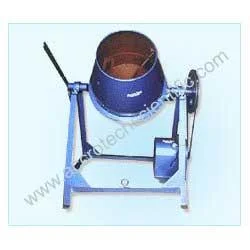
Laboratory Concrete Mixer 2 Cubic Feet 0.5 HP Hand Operation
Axle Weigh Pad For Logistics And Construction | High Precision
Lakshmi Narayan Mechanical Engineering Pvt Ltd
Industrial Vibrating Table For Concrete Testing 500x500mm 1000x1000mm
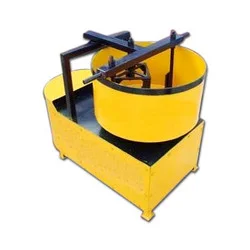
Industrial Pan Mixture Machine 500kg Batch 20HP Motor
Kerb Stone Manufacturing Machine For Concrete Curb Production 160L Oil Tank
Vishwakarma Engineering Works
Automatic Hydraulic Press With PLC Control For Paver Production
Industrial Hydraulic Press For Mosaic Tiles 375mm x 375mm 5 HP
Industrial Mosaic Tile Production Heavy Duty Oil Hydraulic Press 450mm x 450mm
Sree Abirami Machine works p ltd
Industrial Sand Cooler Metal Construction 10 60 Ton/Hr 220 460V
Industrial Intensive Mixer Electric 4 280 KW Metal OEM New
Industrial Pedestal Grinder 5HP 12.5HP 300 500mm Metal OEM New
Weber Construction Equipment Pvt Ltd
Laboratory Concrete Mixer 5 Cft Unmixed 3 Cft Mixed Manual Operation
Hand Operated Concrete Mixer For Small To Medium Construction Projects
Industrial Weigh Batchers For Precision Batching In Construction And Manufacturing
Why Businesses Trust Pepagora
Thousands of companies trust Pepagora to source smarter and sell faster
Expand Your Sales Globally
25000+Products listed.Get discovered by global buyers
Tools to boost visibility
Build your own catalog

Source Smarter,Grow Faster
4000+Active RFQs
100+ Countries served
Easy Sourcing Tools
