
 IN
INundefined
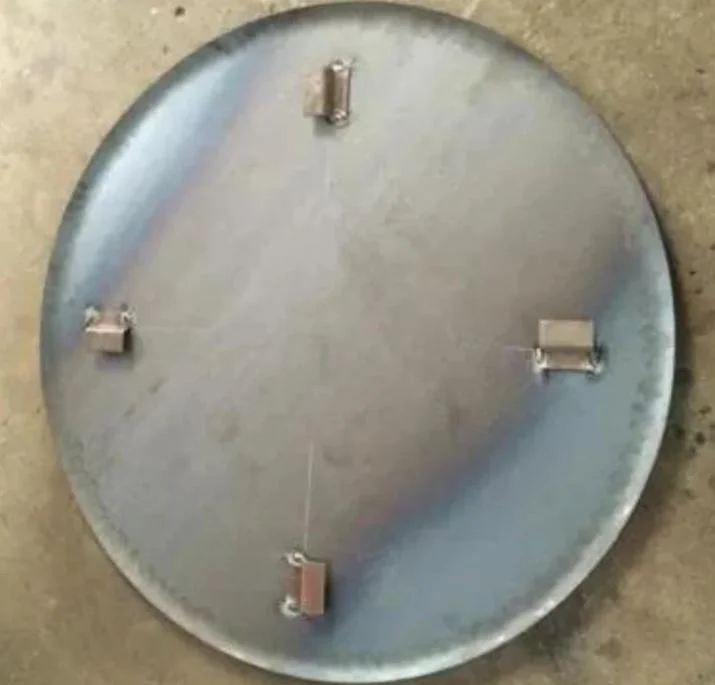
Concrete Floats
3 products available
𝗪𝗵𝗮𝘁 𝗮𝗿𝗲 𝗖𝗼𝗻𝗰𝗿𝗲𝘁𝗲 𝗙𝗹𝗼𝗮𝘁𝘀?
Concrete floats are essential tools used in the construction industry for finishing concrete surfaces. These tools help create a smooth, level finish on newly poured concrete slabs, ensuring durability and visual appeal. Concrete floats are typically made from materials such as wood, magnesium, or aluminum, and they come in various sizes and designs to accommodate different project requirements.
The primary use of concrete floats is to level and smooth freshly poured concrete after it has been placed. This process is crucial in preparing the surface for further finishing techniques, such as troweling or sealing. Concrete floats are widely utilized in commercial and residential construction projects, including floors, sidewalks, and driveways. Their significance in achieving a professional finish makes them a staple in the toolkit of concrete contractors and construction professionals.
In the current market, concrete floats are relevant due to the increasing demand for high-quality concrete finishes in various construction applications. The growth of urbanization and infrastructure development has led to a rise in concrete usage, thereby enhancing the need for effective finishing tools. As the industry evolves, innovations in float design and material composition continue to improve performance and efficiency.
𝗞𝗲𝘆 𝗙𝗲𝗮𝘁𝘂𝗿𝗲𝘀 𝗮𝗻𝗱 𝗦𝗽𝗲𝗰𝗶𝗳𝗶𝗰𝗮𝘁𝗶𝗼𝗻𝘀
Concrete floats are designed with specific features that enhance their usability and effectiveness in concrete finishing. Understanding these features and specifications is crucial for selecting the right float for your needs.
Key specifications include:
1. Material Type
- Available in wood, magnesium, and aluminum.
- Each material offers unique properties affecting weight, durability, and finish quality.
2. Size and Shape
- Common sizes range from 16 to 48 inches in length.
- Shapes can vary, including rectangular and bullnose designs for different finishing techniques.
3. Weight
- Floats can weigh between 3 to 10 pounds, depending on the material and size.
- Heavier floats provide a more substantial finish but may require more effort to maneuver.
4. Handle Type
- Options include fixed, swivel, and detachable handles.
- Swivel handles allow for better maneuverability in tight spaces.
5. Edge Design
- Floats may feature rounded or square edges.
- Rounded edges help prevent gouging, while square edges provide sharper lines.
6. Grip Features
- Some floats come with ergonomic grips for improved comfort.
- Non-slip surfaces enhance user control during operation.
7. Surface Texture
- Floats may have smooth or textured surfaces.
- Textured surfaces can help achieve different finish styles.
8. Corrosion Resistance
- Certain materials are treated to resist corrosion and extend product lifespan.
- This is particularly important for tools used in wet conditions.
In summary, understanding the features and specifications of concrete floats will help users select the right tool for their finishing projects, ensuring optimal results and efficiency.
𝗖𝗼𝗺𝗺𝗼𝗻 𝗔𝗽𝗽𝗹𝗶𝗰𝗮𝘁𝗶𝗼𝗻𝘀 𝗮𝗻𝗱 𝗨𝘀𝗲 𝗖𝗮𝘀𝗲𝘀
Concrete floats serve various industries beyond just construction, showcasing their versatility and essential role in numerous applications.
1. Construction Industry: In residential and commercial building projects, concrete floats are utilized to finish floors, driveways, and sidewalks, providing a smooth and durable surface.
2. Street and Highway Construction: These floats are employed to finish concrete used in roadways and bridges, ensuring a level surface that can withstand heavy traffic.
3. Industrial Facilities: In warehouses and manufacturing plants, concrete floats help create polished surfaces that can handle heavy loads and resist wear and tear.
4. Landscaping: Concrete floats are used in the creation of decorative concrete features, such as patios and walkways, enhancing aesthetic appeal.
5. Maintenance and Repair: Contractors use concrete floats for resurfacing existing concrete, ensuring a uniform finish that extends the life of the surface.
6. Pool Decks: These tools are essential in finishing concrete around swimming pools, providing a slip-resistant and visually appealing surface.
7. Agricultural Structures: Floats are used in the construction of barns and silos, where smooth concrete surfaces are necessary for functionality and maintenance.
𝗣𝗿𝗼𝗱𝘂𝗰𝘁 𝗩𝗮𝗿𝗶𝗮𝗻𝘁𝘀 𝗮𝗻𝗱 𝗦𝘂𝗯𝗰𝗮𝘁𝗲𝗴𝗼𝗿𝗶𝗲𝘀
Concrete floats come in a variety of designs to meet different project needs and preferences. This diversity allows users to choose the best option for their specific applications.
Wooden Floats: These traditional floats are lightweight and easy to maneuver, making them ideal for smaller projects. They provide a smooth finish and are well-suited for indoor applications.
Magnesium Floats: Known for their durability and lightweight nature, magnesium floats are often used for larger projects. They help achieve a finer finish and are resistant to rust and corrosion.
Aluminum Floats: These floats are robust and perfect for heavy-duty use. They are often used in industrial settings where durability is a priority. Aluminum floats are typically more expensive but offer long-term value.
𝗕𝗲𝗻𝗲𝗳𝗶𝘁𝘀 𝗮𝗻𝗱 𝗔𝗱𝘃𝗮𝗻𝘁𝗮𝗴𝗲𝘀
Concrete floats offer numerous advantages, making them essential tools for construction professionals.
1. Enhanced Surface Finish: Concrete floats help create a smooth, level surface, improving the overall appearance and durability of concrete.
2. Versatility: These tools are suitable for various applications, from residential to industrial projects, allowing for diverse use cases.
3. Improved Efficiency: Using the right float can speed up the finishing process, saving time and labor costs on projects.
4. Durability: High-quality floats are built to withstand wear and tear, providing long-lasting performance and reducing replacement costs.
5. Ergonomic Design: Many floats feature ergonomic handles that improve comfort and reduce fatigue during prolonged use.
6. Customization Options: Concrete floats come in various sizes and materials, allowing users to select the best option for their specific needs.
𝗕𝘂𝘆𝗶𝗻𝗴 𝗚𝘂𝗶𝗱𝗲 𝗳𝗼𝗿 𝗕𝟮𝗕 𝗕𝘂𝘆𝗲𝗿𝘀
When sourcing concrete floats, it is essential to consider several factors to ensure you select the right products for your business needs.
1. Quality Assessment: Look for floats made from high-quality materials that offer durability and performance. Consider reviews and ratings from other professionals to gauge product reliability.
2. Supplier Verification: Vet potential suppliers to ensure they have a good reputation and track record in the industry. Check for reviews and ask for references if necessary.
3. Pricing and MOQ: Understand the pricing structure and minimum order quantities (MOQ) imposed by suppliers. Compare costs among different suppliers to find the best deal without compromising quality.
4. Delivery and Lead Times: Assess the delivery options and lead times offered by suppliers to ensure they align with your project schedules. Timely delivery is crucial to avoid project delays.
5. Compliance Requirements: Ensure the products meet relevant industry standards and regulatory requirements. This includes checking for certifications such as CE, which indicates compliance with European safety standards.
𝗖𝗼𝗺𝗽𝗹𝗶𝗮𝗻𝗰𝗲 𝗮𝗻𝗱 𝗖𝗲𝗿𝘁𝗶𝗳𝗶𝗰𝗮𝘁𝗶𝗼𝗻𝘀
Concrete floats must adhere to specific quality standards and regulations to ensure safety and performance in construction applications. ISO 9001 is a widely recognized quality management standard that ensures consistent product quality across manufacturing processes. Compliance with ISO standards indicates that a manufacturer has implemented effective quality control measures.
In addition to quality standards, concrete floats may also require industry certifications such as CE marking, which indicates compliance with European safety, health, and environmental protection standards. This certification assures buyers that the products meet stringent quality requirements.
Safety and testing requirements are crucial in the manufacturing of concrete floats. Manufacturers must conduct tests to ensure that their products can withstand the rigors of construction use without failure. Regional compliance considerations may also apply, depending on local regulations governing construction materials and tools.
𝗪𝗵𝘆 𝗦𝗼𝘂𝗿𝗰𝗲 𝗖𝗼𝗻𝗰𝗿𝗲𝘁𝗲 𝗙𝗹𝗼𝗮𝘁𝘀 𝗳𝗿𝗼𝗺 𝗣𝗲𝗽𝗮𝗴𝗼𝗿𝗮?
Pepagora provides a trusted platform for sourcing concrete floats, offering several key advantages for B2B buyers looking to enhance their construction projects.
Verified Supplier Network: Pepagora connects buyers with a network of verified suppliers, ensuring that all listed manufacturers meet stringent quality and reliability standards. This reduces the risk of sourcing subpar products.
Streamlined RFQ Process: The platform simplifies the request for quotation (RFQ) process, allowing buyers to easily compare prices and specifications from multiple suppliers. This efficiency saves time and helps in making informed purchasing decisions.
Trade Assurance and Support: Pepagora offers trade assurance to protect buyers from potential risks associated with transactions. This support includes assistance with disputes and ensuring that products meet the expected standards.
Regional Coverage: With a strong presence in India, the Gulf Cooperation Council (GCC) countries, and Southeast Asia, Pepagora provides extensive regional coverage, making it convenient for businesses in these areas to access quality concrete floats and other construction tools.
Newly Added


Recently Added
National Constructions & Machinery
Heavy Duty Double Beam Screed Vibrator for Concrete Leveling and Compaction
Concrete Cutting Machine For Construction And Roadwork Projects
Mobile Batching Plant With Hollow Square Rectangular Chassis Mechanical Screw Jacks
Deepak Industries
Wholesale Double Colour Sports Shoe A14 White Red Abrasion Resistant Sole
Wholesale Double Colour Sports Shoes For All Age Athletic Performance
Bulk EVA Shoes For Sports Casual Wear Comfort Durability
Metalweld Engineering Private Limited
Heavy Duty Spiral Seed Grader 1000 kg/hr Capacity 7 Feet Size
Farm Hand Manual Chaff Cutter with High Carbon Steel Blades
Semi Automatic Hand Wheel Hoe Manual Crank Drive 200 kg/hr Iron
Why Businesses Trust Pepagora
Thousands of companies trust Pepagora to source smarter and sell faster
Expand Your Sales Globally
25000+Products listed.Get discovered by global buyers
Tools to boost visibility
Build your own catalog

Source Smarter,Grow Faster
4000+Active RFQs
100+ Countries served
Easy Sourcing Tools
