
 IN
INundefined
Concrete Dust Extractors
1 products available
𝗪𝗵𝗮𝘁 𝗮𝗿𝗲 𝗖𝗼𝗻𝗰𝗿𝗲𝘁𝗲 𝗗𝘂𝘀𝘁 𝗘𝘅𝘁𝗿𝗮𝗰𝘁𝗼𝗿𝘀?
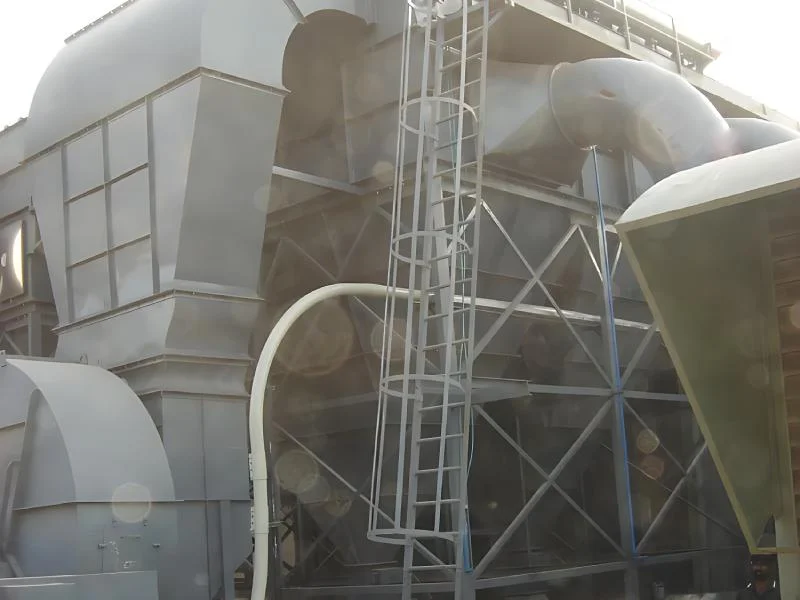
Concrete dust extractors are specialized industrial vacuum systems designed to capture and filter dust and debris generated during concrete cutting, grinding, and polishing processes. These machines are essential for maintaining a clean and safe work environment, minimizing airborne dust particles that can affect worker health and equipment performance. By utilizing advanced filtration technology, concrete dust extractors effectively separate fine dust from the air, ensuring compliance with occupational safety regulations.
The primary uses of concrete dust extractors are found in construction, masonry, and renovation projects. They are commonly employed in both large-scale industrial applications and smaller renovation tasks, where concrete surfaces are being altered. Businesses use these extractors to enhance worker safety, improve air quality, and reduce cleanup time. With increasing regulations surrounding workplace safety and environmental standards, the demand for reliable concrete dust extraction solutions continues to rise, making these devices a critical investment for many companies in the construction sector.
In the current market, concrete dust extractors play a vital role in ensuring compliance with health and safety standards. As industries adapt to stricter regulations regarding dust control, these machines have become more sophisticated, featuring advanced filtration systems and high-efficiency motors. Manufacturers are continuously innovating to meet the growing needs of the market, providing businesses with tools that not only enhance productivity but also protect the health of employees.
𝗞𝗲𝘆 𝗙𝗲𝗮𝘁𝘂𝗿𝗲𝘀 𝗮𝗻𝗱 𝗦𝗽𝗲𝗰𝗶𝗳𝗶𝗰𝗮𝘁𝗶𝗼𝗻𝘀
Concrete dust extractors come equipped with various features that enhance their efficiency and usability. Understanding these specifications is crucial for businesses seeking the best solutions for their dust extraction needs.
Key specifications include:
1. Filtration System
- High-efficiency particulate air (HEPA) filters capture 99.97% of particles as small as 0.3 microns.
- Multi-stage filtration systems may include pre-filters and secondary filters for enhanced dust control.
2. Suction Power
- Varies by model; typically ranges from 100 to 200 CFM (cubic feet per minute).
- Higher suction power enhances the ability to capture dust from various surfaces.
3. Tank Capacity
- Capacities typically range from 10 to 50 gallons.
- Larger tanks reduce the frequency of emptying during extensive projects.
4. Mobility Features
- Equipped with wheels and handles for easy transportation on job sites.
- Some models include ergonomic designs for enhanced maneuverability.
5. Noise Levels
- Operating noise levels generally range from 70 to 85 decibels.
- Quieter models are available for environments where noise reduction is critical.
6. Power Source
- Available in electric and pneumatic models.
- Electric models typically operate on standard voltage, while pneumatic models require an air compressor.
7. Weight
- Weights can vary from 50 to over 200 pounds depending on the design and capacity.
- Lightweight models are easier to transport but may have smaller capacities.
8. Additional Features
- Some extractors include automatic filter cleaning systems.
- Dust-free bagging systems for easy disposal of collected debris.
In summary, understanding the key features and specifications of concrete dust extractors helps businesses select the right model for their specific applications.
𝗖𝗼𝗺𝗺𝗼𝗻 𝗔𝗽𝗽𝗹𝗶𝗰𝗮𝘁𝗶𝗼𝗻𝘀 𝗮𝗻𝗱 𝗨𝘀𝗲 𝗖𝗮𝘀𝗲𝘀
Concrete dust extractors are utilized across various industries, each benefiting from their ability to maintain a clean environment.
1. Construction: These extractors are essential during concrete cutting and grinding operations, capturing harmful dust that can affect worker safety and compliance.
2. Renovation: In remodeling projects, concrete dust extractors help control dust created when removing or resurfacing concrete, ensuring a cleaner space for workers and occupants.
3. Masonry: Masonry contractors use these machines when working with brick or concrete blocks, preventing dust accumulation that can obscure visibility and respiratory health.
4. Flooring: During the installation or refinishing of concrete floors, these extractors help manage dust and debris, resulting in a smoother and cleaner finish.
5. Demolition: In demolition projects, concrete dust extractors capture debris and dust released during the breakdown of concrete structures, protecting worker health and safety.
6. Industrial Manufacturing: In manufacturing facilities where concrete is processed, these extractors help maintain air quality and reduce equipment wear from dust accumulation.
7. Road Work: Road construction projects utilize concrete dust extractors to manage dust from cutting asphalt or concrete, ensuring compliance with environmental regulations.
𝗣𝗿𝗼𝗱𝘂𝗰𝘁 𝗩𝗮𝗿𝗶𝗮𝗻𝘁𝘀 𝗮𝗻𝗱 𝗦𝘂𝗯𝗰𝗮𝘁𝗲𝗴𝗼𝗿𝗶𝗲𝘀
Concrete dust extractors come in various models designed to meet specific needs and applications.
Portable Concrete Dust Extractors
These units are lightweight and easy to transport, making them ideal for small to medium-sized job sites. They offer efficient dust collection with a compact design, suitable for contractors who frequently move between locations.
Industrial Concrete Dust Extractors
Designed for heavy-duty applications, these extractors have larger capacities and higher suction power. They are perfect for extensive construction sites and industrial settings, where continuous operation is essential.
Wall-Mounted Concrete Dust Extractors
These fixed units are installed in workshops or facilities where concrete work is regularly performed. They save floor space while providing powerful dust extraction capabilities for ongoing projects.
𝗕𝗲𝗻𝗲𝗳𝗶𝘁𝘀 𝗮𝗻𝗱 𝗔𝗱𝘃𝗮𝗻𝘁𝗮𝗴𝗲𝘀
Concrete dust extractors offer numerous advantages that enhance workplace safety and efficiency.
1. Improved Air Quality: By capturing harmful dust particles, these extractors contribute to healthier work environments, reducing respiratory issues among workers.
2. Enhanced Productivity: With effective dust control, workers can focus on their tasks without frequent interruptions for cleanup, leading to increased efficiency.
3. Compliance with Regulations: Utilizing concrete dust extractors helps businesses comply with occupational health and safety regulations, avoiding potential fines and legal issues.
4. Extended Equipment Life: Reducing dust accumulation on tools and machinery helps prolong their lifespan, minimizing maintenance costs.
5. Versatile Applications: These extractors can be used across a variety of industries, making them a flexible solution for different job requirements.
6. User-Friendly Designs: Many models are designed with portability and ease of use in mind, allowing for quick setup and operation on job sites.
𝗕𝘂𝘆𝗶𝗻𝗴 𝗚𝘂𝗶𝗱𝗲 𝗳𝗼𝗿 𝗕𝟮𝗕 𝗕𝘂𝘆𝗲𝗿𝘀
When sourcing concrete dust extractors, businesses should consider several key factors to ensure they choose the right equipment.
1. Quality Assessment: Look for units that meet industry standards and have a proven track record for performance. Checking customer reviews and product specifications can help in evaluating quality.
2. Supplier Verification: Vet suppliers thoroughly to ensure they provide reliable products and support. Request references or check their reputation in the industry.
3. Pricing and MOQ: Assess pricing structures and minimum order quantities. Ensure that the cost aligns with your budget while considering long-term value.
4. Delivery and Lead Times: Confirm delivery schedules and lead times to ensure you receive the equipment when needed for your projects.
5. Compliance Requirements: Check for any regulations or certifications required in your region. Ensuring compliance will prevent issues during operation.
𝗖𝗼𝗺𝗽𝗹𝗶𝗮𝗻𝗰𝗲 𝗮𝗻𝗱 𝗖𝗲𝗿𝘁𝗶𝗳𝗶𝗰𝗮𝘁𝗶𝗼𝗻𝘀
Concrete dust extractors must adhere to specific quality standards and certifications to ensure safety and effectiveness in their operation. Relevant quality standards such as ISO 9001 outline the requirements for a quality management system, ensuring that products meet customer and regulatory demands consistently.
Many concrete dust extractors are certified with CE marking, indicating compliance with European health and safety legislation. This certification assures buyers of the product's quality and suitability for use in various applications.
Safety and testing requirements are crucial for concrete dust extractors, as they must be rigorously tested to ensure they effectively capture and contain dust without releasing harmful particles back into the environment. Regional compliance considerations may vary, so it is essential to be aware of local regulations when purchasing.
𝗪𝗵𝘆 𝗦𝗼𝘂𝗿𝗰𝗲 𝗖𝗼𝗻𝗰𝗿𝗲𝘁𝗲 𝗗𝘂𝘀𝘁 𝗘𝘅𝘁𝗿𝗮𝗰𝘁𝗼𝗿𝘀 𝗳𝗿𝗼𝗺 𝗣𝗲𝗽𝗮𝗴𝗼𝗿𝗮?
Pepagora provides a trusted platform for sourcing concrete dust extractors, offering several key advantages to B2B buyers.
Verified Supplier Network: Pepagora connects businesses with verified suppliers who have been assessed for quality and reliability. This network ensures that buyers can source high-quality dust extractors with confidence.
Streamlined RFQ Process: The request for quotation system simplifies the sourcing process. Buyers can receive multiple quotes from suppliers, making it easier to compare options and find the best fit for their needs.
Trade Assurance and Support: Pepagora offers trade assurance to protect buyers during transactions. This includes support for any issues that may arise, ensuring a smoother purchasing experience.
Regional Coverage: With a strong presence in India, the GCC, and Southeast Asia, Pepagora provides access to a wide range of suppliers and products, catering to the diverse needs of businesses in these regions.


Recently Added
ValuTech Air Systems
Industrial Air Cooler 20000 CMH Evaporative Cooling 40 70L Tank
Industrial Desert Air Cooler 50L Metal 40 60 Ft Air Throw
Portable Tent Air Cooler 125 200L Remote Control 22 Inch Blades
Why Businesses Trust Pepagora
Thousands of companies trust Pepagora to source smarter and sell faster
Expand Your Sales Globally
25000+Products listed.Get discovered by global buyers
Tools to boost visibility
Build your own catalog

Source Smarter,Grow Faster
4000+Active RFQs
100+ Countries served
Easy Sourcing Tools
