
 IN
INundefined
Concrete Cube Testing Equipment
63 products available
𝗪𝗵𝗮𝘁 𝗮𝗿𝗲 𝗖𝗼𝗻𝗰𝗿𝗲𝘁𝗲 𝗖𝘂𝗯𝗲 𝗧𝗲𝘀𝘁𝗶𝗻𝗴 𝗘𝗾𝘂𝗶𝗽𝗺𝗲𝗻𝘁?
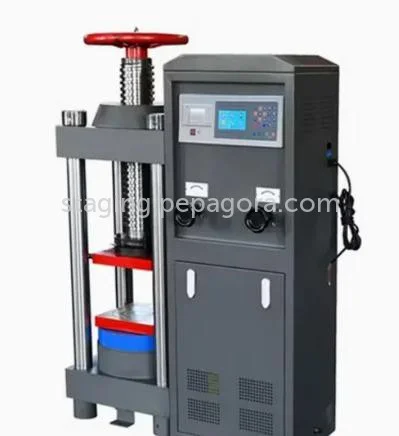
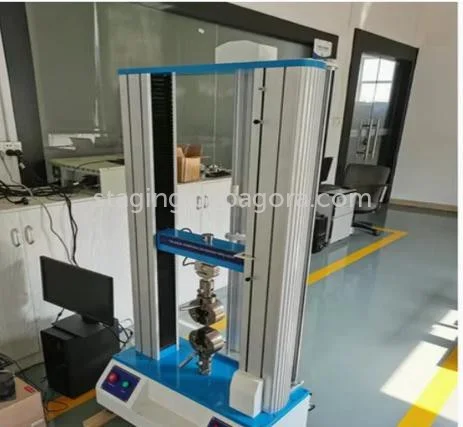
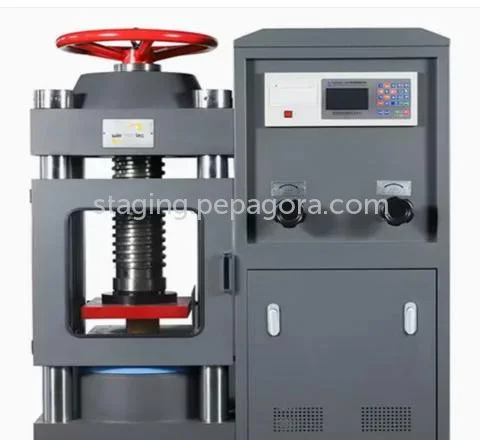
Concrete Cube Testing Equipment is specialized machinery used to assess the compressive strength of concrete samples. This equipment is essential in construction and civil engineering, providing accurate measurements that help engineers and builders ensure the integrity of structures. Typically, the testing involves applying pressure to a concrete cube until it fails, allowing for the determination of its load-bearing capacity.
The primary applications of this equipment include quality control in concrete production, assessment of concrete strength at various curing stages, and compliance with industry standards. Businesses in construction, infrastructure development, and materials testing utilize this equipment to meet regulatory requirements and ensure the safety and durability of their projects. The significance of concrete cube testing has grown with the increasing emphasis on quality assurance and adherence to standards in the construction industry.
𝗞𝗲𝘆 𝗙𝗲𝗮𝘁𝘂𝗿𝗲𝘀 𝗮𝗻𝗱 𝗦𝗽𝗲𝗰𝗶𝗳𝗶𝗰𝗮𝘁𝗶𝗼𝗻𝘀
Concrete Cube Testing Equipment comes with a variety of features designed to enhance accuracy and usability. These specifications are crucial for ensuring reliable testing results and compliance with industry standards.
Key specifications include:
1. Capacity
- The maximum load capacity of the testing machine, typically ranging from 1000 kN to 3000 kN.
2. Accuracy
- Measurement accuracy often specified as ±1% of full scale, ensuring reliable results.
3. Display Type
- Digital displays for easy reading of test results, often featuring backlit screens for visibility.
4. Power Supply
- Equipment powered by either hydraulic systems or electric motors, depending on the model.
5. Dimensions
- Standard sizes vary, but typical dimensions are around 1.5 meters in length and 0.75 meters in width.
6. Weight
- The weight of the equipment can range from 300 kg to over 1000 kg, influencing portability and installation requirements.
7. Compliance
- Must meet international standards such as CE certification, ensuring safety and performance.
8. Warranty
- Typical warranties range from 1 to 3 years, covering parts and labor.
In summary, understanding the specifications of Concrete Cube Testing Equipment is vital for selecting the right model for specific testing needs.
𝗖𝗼𝗺𝗺𝗼𝗻 𝗔𝗽𝗽𝗹𝗶𝗰𝗮𝘁𝗶𝗼𝗻𝘀 𝗮𝗻𝗱 𝗨𝘀𝗲 𝗖𝗮𝘀𝗲𝘀
Concrete Cube Testing Equipment is utilized across various industries to ensure the quality and safety of concrete structures.
1. Construction: In the construction sector, this equipment is used to test the strength of concrete before it is poured into structures. It ensures that the concrete mix meets required safety standards.
2. Infrastructure Development: For projects such as bridges and highways, concrete strength testing is critical. This equipment helps assess the durability of materials used in these essential structures.
3. Quality Control Laboratories: Testing laboratories frequently use this equipment to perform routine strength tests on concrete samples, ensuring compliance with local building codes.
4. Research Institutions: In academic settings, this equipment supports research on concrete technology, allowing for innovations in material science.
5. Precast Concrete Manufacturers: Manufacturers of precast concrete products use this testing equipment to verify the strength of their products before shipping.
6. Ready-Mix Concrete Suppliers: These suppliers employ concrete cube testing to verify the quality of their concrete mixes, ensuring they meet customer specifications.
7. Government Agencies: Regulatory bodies often require testing equipment to ensure compliance with national and international construction standards.
𝗣𝗿𝗼𝗱𝘂𝗰𝘁 𝗩𝗮𝗿𝗶𝗮𝗻𝘁𝘀 𝗮𝗻𝗱 𝗦𝘂𝗯𝗰𝗮𝘁𝗲𝗴𝗼𝗿𝗶𝗲𝘀
Concrete Cube Testing Equipment offers various models to cater to different testing requirements and environments. Each variant has unique features that make it suitable for specific applications.
Manual Cube Testing Machine: This variant is operated manually, making it suitable for smaller operations or laboratories with limited testing needs. It is cost-effective and easy to use.
Digital Cube Testing Machine: Equipped with advanced digital displays and automated features, this machine offers enhanced accuracy and ease of operation. It is ideal for larger laboratories requiring high throughput.
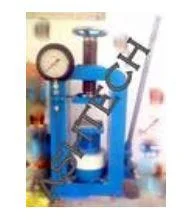
Hydraulic Cube Testing Machine: This model uses hydraulic pressure to conduct tests. It is known for its durability and capability to handle high load capacities, making it suitable for heavy-duty testing environments.
Portable Cube Testing Machine: Designed for on-site testing, this compact variant is lightweight and easy to transport. It is perfect for construction sites where immediate testing is required.
𝗕𝗲𝗻𝗲𝗳𝗶𝘁𝘀 𝗮𝗻𝗱 𝗔𝗱𝘃𝗮𝗻𝘁𝗮𝗴𝗲𝘀
Investing in Concrete Cube Testing Equipment provides several advantages that can enhance operational efficiency and ensure quality in concrete testing.
1. Accurate Testing: The equipment provides precise measurements of concrete strength, essential for compliance with safety standards.
2. Increased Efficiency: Automated features reduce the time needed for testing, allowing for quicker results and improved productivity.
3. Improved Quality Control: Regular testing helps maintain consistent quality in concrete production, reducing the risk of structural failures.
4. Compliance Assurance: This equipment helps businesses meet regulatory requirements, avoiding potential legal issues related to safety standards.
5. Cost Savings: By identifying weaknesses in concrete early, businesses can avoid costly repairs and rework.
6. Versatility: The equipment can be used in various settings, including laboratories, construction sites, and manufacturing facilities, enhancing its utility across different industries.
𝗕𝘂𝘆𝗶𝗻𝗴 𝗚𝘂𝗶𝗱𝗲 𝗳𝗼𝗿 𝗕𝟮𝗕 𝗕𝘂𝘆𝗲𝗿𝘀
When sourcing Concrete Cube Testing Equipment, buyers should consider several important factors to ensure they choose the right equipment for their needs.
1. Quality Assessment: Look for equipment that meets industry standards and has a proven track record for reliability and accuracy. Evaluate the manufacturer's reputation and customer feedback.
2. Supplier Verification: Vet suppliers thoroughly by checking their certifications, experience, and customer reviews. This ensures you are dealing with a reputable company that provides quality products and services.
3. Pricing and MOQ: Compare pricing from different suppliers, noting any minimum order quantities. Understand how pricing affects your budget and long-term costs.
4. Delivery and Lead Times: Consider the supplier's delivery capabilities and timelines. Ensure they can meet your project's schedule to avoid delays.
5. Compliance Requirements: Confirm that the equipment complies with relevant industry regulations and standards, such as CE certification, to ensure safety and performance.
𝗖𝗼𝗺𝗽𝗹𝗶𝗮𝗻𝗰𝗲 𝗮𝗻𝗱 𝗖𝗲𝗿𝘁𝗶𝗳𝗶𝗰𝗮𝘁𝗶𝗼𝗻𝘀
Concrete Cube Testing Equipment must adhere to various quality standards and certifications to ensure safety and reliability. Key standards include ISO 9001, which outlines quality management systems, and CE marking, indicating compliance with European safety standards.
Additionally, safety and testing requirements are crucial, as they guarantee that the equipment can withstand rigorous testing conditions. Compliance varies by region, and buyers should be aware of local regulations that may impact their purchasing decisions. Ensuring that the equipment meets these standards is essential for maintaining safety and reliability in concrete testing.
𝗪𝗵𝘆 𝗦𝗼𝘂𝗿𝗰𝗲 𝗖𝗼𝗻𝗰𝗿𝗲𝘁𝗲 𝗖𝘂𝗯𝗲 𝗧𝗲𝘀𝘁𝗶𝗻𝗴 𝗘𝗾𝘂𝗶𝗽𝗺𝗲𝗻𝘁 𝗳𝗿𝗼𝗺 𝗣𝗲𝗽𝗮𝗴𝗼𝗿𝗮?
Pepagora stands out as a trusted platform for sourcing Concrete Cube Testing Equipment, offering several key advantages to buyers.
Verified Supplier Network: Pepagora connects buyers with a network of verified suppliers, ensuring that you are sourcing from reputable manufacturers with a proven track record in quality and service.
Streamlined RFQ Process: The platform simplifies the request for quotation process, allowing buyers to easily compare offers from multiple suppliers, ultimately saving time and effort.
Trade Assurance and Support: Pepagora provides trade assurance features that protect buyers throughout the purchasing process. Dedicated support ensures that any issues are promptly addressed.
Regional Coverage: With a presence in India, the GCC, and Southeast Asia, Pepagora offers extensive regional coverage, facilitating access to a wide range of suppliers and products tailored to local market needs.
Newly Added




Recently Added
Darien Electric Madras
Professional 1MHz 3MHz Function Generator LED Display Waveform Output
Hydraulic Single Cell RCPT Apparatus for Concrete Permeability Testing
Industrial Regulated Power Supply 301 400W Single Output DC
Abhishek Scientific Company
Premium Lab Bulbs For Scientific And Industrial Continuous Operation
Premium Polyacetal Conical Joints For Leak Free Medical Lab Connections
Lab Collapsible Shafts 6mm 8mm 450mm 600mm Precision Industrial
Hitech India Equipments Pvt.Ltd
Precision Surveying Instruments For Construction And Mining With Glass
Hydraulic Tensile Testing Machine With NABL Calibration For
Premium Asphalt Bitumen Testing Equipment High Tensile Metal OEM
Gubbi Enterprises
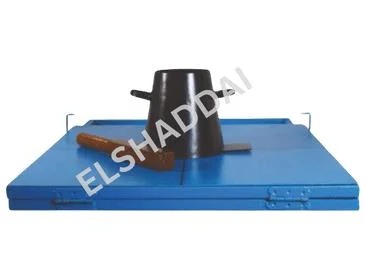
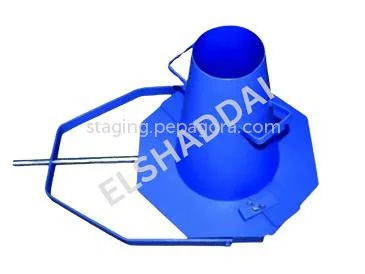
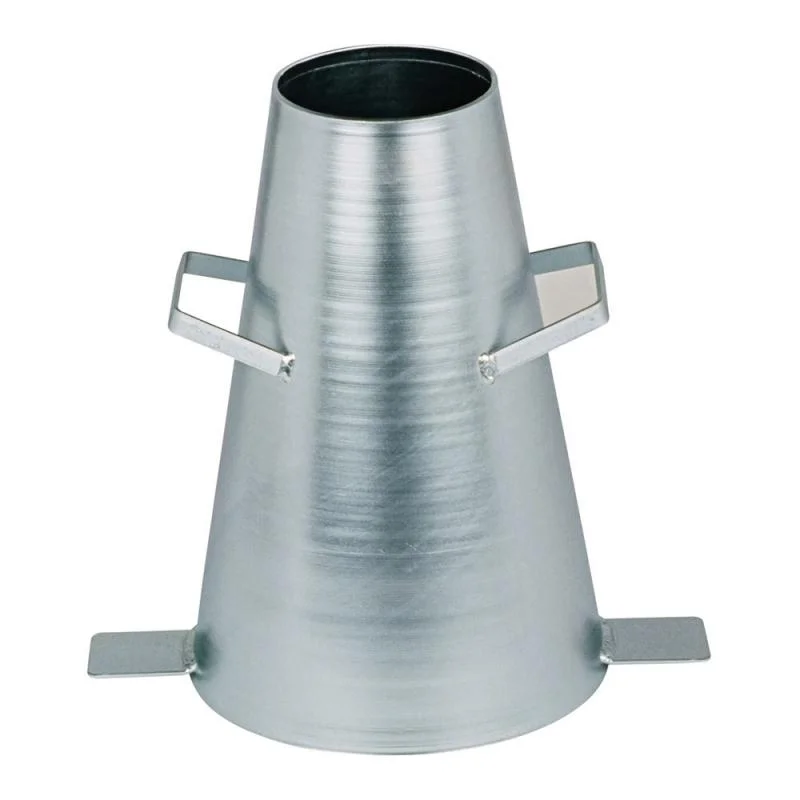
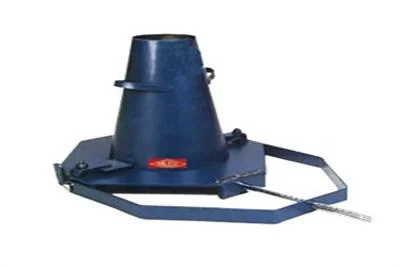
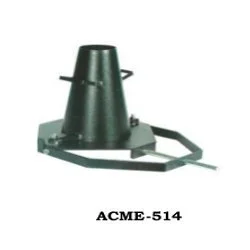
Concrete Testing Slump Cone For ASTM IS Standards 38mm Aggregate
Industrial Sieve Shaker Machine For Accurate Dry Particle Analysis
Industrial Vibrating Table For Material Compaction In Packaging And Testing
ABS Instruments Pvt Ltd
Premium Hardness Testers For Rockwell Brinell Vickers Scales Quality Control
Industrial Rotary Bending Machine 0.1 500 Nm Electric DIN 50 113
Premium Bareiss Polymer Testers For Material Hardness And Abrasion Testing
Maap Instrumentation
TT 211 Coating Thickness Gauge with TIME Certification for Industrial Quality Control
Industrial Ultrasonic Thickness Gauge TT 300A with 5P 10 Transducer
TT 210 Coating Thickness Gauge with TIME Certification for Quality Control
Gurmeet Engineering Works
Construction Material Testing Precise Pavement Core Drilling Machine
Construction Materials Lab Precision Length Comparator for Cement Aggregate Expansion Testing
Lab Cement Autoclave for Expansion Testing with Digital Control
Naldehra Building Centre
Heavy Duty Bar Cutting Machine for Rebar and Rod Precision
Industrial Soya Milk Machine 100L/Hour 2HP LPG Operation
Commercial Paneer Making Machine 100kg/Hour Automated Dairy Production
Scientific &Technological Equipment Corp
Premium Concrete Mixers For Construction Testing And Quality Control
Laboratory Concrete Mixer 2 Cubic Feet 0.5 HP Hand Operation
Axle Weigh Pad For Logistics And Construction | High Precision
Dutron Products
Industrial Brinell Hardness Testers For Metals And Alloys Quality Control
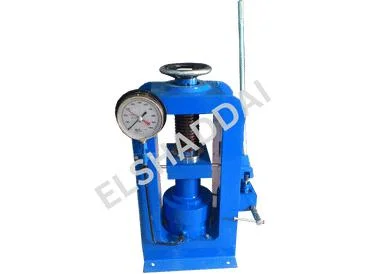
Premium Concrete Testing Machine Hydraulic OEM New Metal Construction
Box Compression Tester For Packaging Strength Testing Metal Hydraulic
Why Businesses Trust Pepagora
Thousands of companies trust Pepagora to source smarter and sell faster
Expand Your Sales Globally
25000+Products listed.Get discovered by global buyers
Tools to boost visibility
Build your own catalog

Source Smarter,Grow Faster
4000+Active RFQs
100+ Countries served
Easy Sourcing Tools
