
 IN
INundefined
Computational Fluid Dynamics (CFD)
1 products available
What are Computational Fluid Dynamics (CFD)?
Computational Fluid Dynamics (CFD) is a branch of fluid mechanics that utilizes numerical analysis and algorithms to analyze and simulate fluid flow, heat transfer, and related phenomena. By employing computational methods, CFD enables engineers and scientists to predict how fluids interact with surfaces, providing invaluable insights into fluid behavior under various conditions. This technology leverages powerful computing capabilities to solve complex equations governing fluid motion, making it an essential tool in modern engineering and design.
CFD is widely used in several industries, including aerospace, automotive, chemical processing, and environmental engineering. It allows businesses to optimize designs, improve product performance, and reduce costs by simulating fluid flow in virtual environments before physical prototypes are built. The ability to visualize flow patterns, temperature distribution, and pressure variations helps in making informed decisions during the design phase, ultimately leading to enhanced efficiency and innovation in product development.
The relevance of CFD in today's market is underscored by its growing adoption across multiple sectors. As industries strive for greater efficiency and sustainability, the demand for CFD solutions continues to rise. Companies are increasingly leveraging CFD to enhance their competitive edge, streamline processes, and meet regulatory standards. This trend highlights the importance of CFD in driving technological advancements and improving operational performance in various industrial applications.
𝗞𝗲𝘆 𝗙𝗲𝗮𝘁𝘂𝗿𝗲𝘀 𝗮𝗻𝗱 𝗦𝗽𝗲𝗰𝗶𝗳𝗶𝗰𝗮𝘁𝗶𝗼𝗻𝘀
Computational Fluid Dynamics (CFD) systems come equipped with various features that enhance their functionality and usability. Understanding these specifications is crucial for selecting the right CFD solution that meets specific business needs.
Key specifications include:
1. Computational Power
- Determines the speed and efficiency of simulations
- Measured in terms of processing cores and memory capacity
2. Solver Types
- Defines the algorithms used for fluid simulations
- Options may include finite element methods, finite volume methods, and spectral methods
3. Mesh Generation
- Refers to the process of dividing the fluid domain into discrete elements for analysis
- Quality of mesh impacts accuracy and computational time
4. Turbulence Models
- Determines how fluid flow is modeled, particularly in complex scenarios
- Common models include k-epsilon and k-omega
5. Post-Processing Capabilities
- Tools available for analyzing and visualizing simulation results
- Includes graphical outputs, contour plots, and flow visualizations
6. User Interface
- The ease of use and accessibility of the software
- Features may include drag-and-drop functionality and customizable dashboards
7. Integration with CAD
- Ability to import designs from CAD software for seamless simulation
- Enhances the workflow from design to analysis
8. Customer Support
- Availability of technical support and training resources
- Important for ensuring effective use of CFD tools
These specifications collectively ensure that CFD solutions can meet diverse application requirements and improve overall project outcomes.
𝗖𝗼𝗺𝗺𝗼𝗻 𝗔𝗽𝗽𝗹𝗶𝗰𝗮𝘁𝗶𝗼𝗻𝘀 𝗮𝗻𝗱 𝗨𝘀𝗲 𝗖𝗮𝘀𝗲𝘀
Computational Fluid Dynamics (CFD) serves a wide range of industries, each benefiting from its unique analysis capabilities.
1. Aerospace: In the aerospace industry, CFD is used for optimizing aerodynamic performance of aircraft, simulating airflow over wings, and enhancing fuel efficiency through better design.
2. Automotive: Automotive manufacturers utilize CFD for analyzing vehicle aerodynamics, cooling systems, and exhaust flows to improve performance and reduce emissions.
3. Chemical Processing: In chemical plants, CFD helps in designing reactors, mixing processes, and optimizing heat exchangers to enhance safety and efficiency.
4. HVAC: In heating, ventilation, and air conditioning (HVAC) systems, CFD is essential for modeling airflow patterns and temperature distributions in buildings to ensure comfort and energy efficiency.
5. Environmental Engineering: CFD is utilized to model pollutant dispersion in air and water, aiding in environmental impact assessments and regulatory compliance.
6. Marine Engineering: In marine applications, CFD assists in designing ship hulls and predicting wave interactions, improving vessel performance and stability.
7. Oil and Gas: In the oil and gas sector, CFD is used for flow assurance studies, pipeline design, and optimizing separation processes.
𝗣𝗿𝗼𝗱𝘂𝗰𝘁 𝗩𝗮𝗿𝗶𝗮𝗻𝘁𝘀 𝗮𝗻𝗱 𝗦𝘂𝗯𝗰𝗮𝘁𝗲𝗴𝗼𝗿𝗶𝗲𝘀
Computational Fluid Dynamics (CFD) encompasses a diverse range of products tailored to specific applications and industry needs.
CFD Software Solutions
These software packages offer comprehensive tools for simulation and analysis, featuring powerful solvers and user-friendly interfaces. They are suitable for engineers in various fields, enabling detailed fluid dynamics studies and optimization.
CFD Consulting Services
These services provide expert analysis and simulation capabilities for companies lacking in-house CFD expertise. Consulting firms typically offer tailored solutions to address specific engineering challenges and ensure accurate results.
CFD Training Programs
These programs focus on educating users about CFD principles and software operation. They are essential for companies looking to improve their staff’s proficiency in utilizing CFD tools effectively.
𝗕𝗲𝗻𝗲𝗳𝗶𝘁𝘀 𝗮𝗻𝗱 𝗔𝗱𝘃𝗮𝗻𝘁𝗮𝗴𝗲𝘀
There are numerous benefits to employing Computational Fluid Dynamics (CFD) in engineering and design processes.
1. Enhanced Design Efficiency: CFD allows for rapid iterations and testing of designs, reducing the time required for product development.
2. Cost Savings: By identifying potential issues early in the design phase, CFD helps minimize costly physical prototypes and testing.
3. Improved Performance: CFD aids in optimizing designs for better performance, leading to products that meet or exceed industry standards.
4. Risk Reduction: Simulating fluid interactions helps identify safety concerns and operational risks ahead of time, improving overall safety.
5. Environmental Compliance: CFD assists in modeling environmental impacts, ensuring that designs meet regulatory compliance and sustainability goals.
6. Competitive Advantage: Companies leveraging CFD can innovate faster and more effectively, gaining an edge in the market.
𝗕𝘂𝘆𝗶𝗻𝗴 𝗚𝘂𝗶𝗱𝗲 𝗳𝗼𝗿 𝗕𝟮𝗕 𝗕𝘂𝘆𝗲𝗿𝘀
When sourcing Computational Fluid Dynamics (CFD) solutions, several critical factors should be considered to ensure informed purchasing decisions.
1. Quality Assessment: Evaluate the quality of CFD software and services by looking for industry standards and user reviews. Consider the software's track record and performance in real-world applications.
2. Supplier Verification: Vet potential suppliers by checking their credentials, experience, and customer feedback. A reliable supplier should provide support and resources to assist with implementation.
3. Pricing and MOQ: Understand the pricing structure, including any licensing fees or subscription models, and inquire about minimum order quantities to ensure they align with your budget.
4. Delivery and Lead Times: Assess the expected delivery times for software or services. Timely access to CFD solutions is crucial for maintaining project schedules.
5. Compliance Requirements: Ensure that the CFD solutions comply with relevant industry regulations and standards. This includes certifications and safety requirements necessary for your specific application.
𝗖𝗼𝗺𝗽𝗹𝗶𝗮𝗻𝗰𝗲 𝗮𝗻𝗱 𝗖𝗲𝗿𝘁𝗶𝗳𝗶𝗰𝗮𝘁𝗶𝗼𝗻𝘀
Compliance and certifications play a significant role in the reliability and safety of Computational Fluid Dynamics (CFD) products. Adhering to quality standards such as ISO 9001 ensures that the products meet international benchmarks for quality management systems. This certification demonstrates a commitment to continuous improvement and customer satisfaction.
Industry certifications, such as CE marking, indicate compliance with European health, safety, and environmental protection standards. It is essential for companies operating in regulated markets to verify that their CFD solutions carry the appropriate certifications to avoid legal and operational issues.
Additionally, safety and testing requirements must be considered when evaluating CFD products. This includes thorough testing of the software and services to ensure they perform accurately and reliably under various conditions. Finally, regional compliance considerations should be taken into account, as different markets may have specific standards and regulations that affect the use of CFD technologies.
Why Source Computational Fluid Dynamics (CFD) from Pepagora?
Pepagora serves as a trusted platform for sourcing Computational Fluid Dynamics (CFD), offering several key advantages to B2B buyers.
Verified Supplier Network: Pepagora has established a robust network of verified suppliers, ensuring that businesses can access reliable and high-quality CFD solutions. This network is essential for maintaining trust in the procurement process.
Streamlined RFQ Process: The platform features an efficient Request for Quotation (RFQ) system, simplifying the process of obtaining quotes from multiple suppliers. This allows buyers to compare options quickly and make informed decisions.
Trade Assurance and Support: Pepagora provides trade assurance and dedicated support, protecting buyers throughout the sourcing process. This commitment to service ensures that any issues are addressed promptly and effectively.
Regional Coverage: With a strong presence in India, the Gulf Cooperation Council (GCC), and Southeast Asia, Pepagora offers extensive geographic reach. This regional coverage allows businesses to source CFD solutions that are tailored to their specific market needs, enhancing accessibility and convenience.


Recently Added
Mechtrix Engineers
Industrial Heat Transfer Equipment For Efficient Energy Recovery
Industrial Thermal Engineering Equipment: Wind Tunnels, Refrigeration Test Rigs
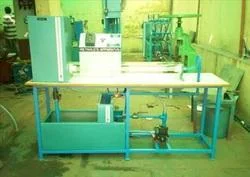
Bernoulli's Theorem Apparatus Fluid Dynamics Lab Venturimeter Engineering Education
Why Businesses Trust Pepagora
Thousands of companies trust Pepagora to source smarter and sell faster
Expand Your Sales Globally
25000+Products listed.Get discovered by global buyers
Tools to boost visibility
Build your own catalog

Source Smarter,Grow Faster
4000+Active RFQs
100+ Countries served
Easy Sourcing Tools
