
 IN
INundefined
Compression Testers
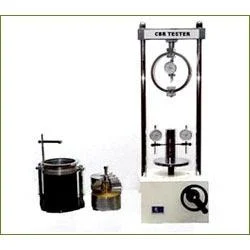
1 products available
𝗪𝗵𝗮𝘁 𝗮𝗿𝗲 𝗖𝗼𝗺𝗽𝗿𝗲𝘀𝘀𝗶𝗼𝗻 𝗧𝗲𝘀𝘁𝗲𝗿𝘀?
Compression testers are specialized devices designed to measure the compressive strength of materials, primarily in construction and manufacturing contexts. These testers evaluate how much force a material can withstand before failure, providing critical data for quality assurance and product development. The operation typically involves applying a load to the material until it deforms or fractures, allowing engineers to assess the material’s performance under stress.
These tools are widely used in various industries, such as construction, automotive, and manufacturing, to ensure that materials meet specific strength criteria. For example, in the construction sector, compression testers are vital for evaluating concrete and masonry blocks, ensuring they can support the loads they will encounter. In manufacturing, they help in testing the strength of components and materials before they are utilized in production, reducing the risk of structural failures. The relevance of compression testers is underscored by their contribution to safety and reliability across various applications, making them essential tools in today's industrial landscape.
𝗞𝗲𝘆 𝗙𝗲𝗮𝘁𝘂𝗿𝗲𝘀 𝗮𝗻𝗱 𝗦𝗽𝗲𝗰𝗶𝗳𝗶𝗰𝗮𝘁𝗶𝗼𝗻𝘀
Compression testers are equipped with various features that enhance their usability and accuracy. Understanding these specifications is crucial for selecting the right model for specific applications.
Key specifications include:
1. Load Capacity
- Indicates the maximum load the tester can apply.
- Typical ranges can vary from a few kilonewtons to several hundred kilonewtons.
2. Measurement Accuracy
- Refers to the precision of the readings.
- Often specified as a percentage of the full-scale reading.
3. Display Type
- Describes whether the device uses analog or digital displays.
- Digital displays often provide better readability and data logging features.
4. Power Source
- Specifies whether the device is manual, battery-operated, or requires mains electricity.
- Battery-operated models offer portability while electronic ones provide continuous power.
5. Frame Construction
- Details the material and design of the tester's frame.
- Common materials include steel or aluminum for durability and stability.
6. Testing Speed
- Refers to how quickly the compression test can be conducted.
- Important for high-volume testing environments.
7. Software Compatibility
- Indicates whether the tester can connect to software for data analysis.
- Some models offer compatibility with industry-standard testing software.
8. Calibration Standards
- Describes the calibration requirements for accurate results.
- Models may need periodic calibration to maintain precision.
In summary, understanding these key features and specifications helps businesses select the most appropriate compression tester for their needs, ensuring reliable performance and accurate results.
𝗖𝗼𝗺𝗺𝗼𝗻 𝗔𝗽𝗽𝗹𝗶𝗰𝗮𝘁𝗶𝗼𝗻𝘀 𝗮𝗻𝗱 𝗨𝘀𝗲 𝗖𝗮𝘀𝗲𝘀
Compression testers find applications across a wide range of industries, reflecting their versatility and importance.
1. Construction: In the construction industry, compression testers are used to evaluate the strength of concrete, bricks, and other building materials. They ensure that materials can withstand the loads to which they will be subjected.
2. Automotive: In automotive manufacturing, compression testers assess the strength of various components such as engine blocks and transmission housings. This ensures that parts can endure operational stresses.
3. Manufacturing: Many manufacturers use compression testers to evaluate the quality of raw materials and finished products. This helps ensure that items meet industry standards and customer expectations.
4. Aerospace: In aerospace, compression testing is critical for materials used in aircraft components. It ensures that materials can withstand the extreme conditions of flight.
5. Packaging: In the packaging industry, compression testers help evaluate the strength of packaging materials to ensure they can protect products during shipping and handling.
6. Mining: In the mining sector, these testers assess the strength of rocks and minerals to determine their suitability for extraction and processing.
7. Research and Development: In R&D environments, compression testers assist in developing new materials and understanding their properties under stress.
𝗣𝗿𝗼𝗱𝘂𝗰𝘁 𝗩𝗮𝗿𝗶𝗮𝗻𝘁𝘀 𝗮𝗻𝗱 𝗦𝘂𝗯𝗰𝗮𝘁𝗲𝗴𝗼𝗿𝗶𝗲𝘀
Compression testers come in various models, each tailored for specific applications or industry requirements. This diversity allows businesses to select the ideal tester for their unique needs.
Portable Compression Tester
This variant is designed for on-site testing, allowing users to evaluate materials in various locations. Features include lightweight construction and battery operation for mobility.
Digital Compression Tester
With advanced digital displays, this model offers high accuracy and data logging capabilities. It is suitable for laboratories and manufacturing environments where precision is critical.
Hydraulic Compression Tester
Utilizing hydraulic mechanisms, this variant can apply significant loads smoothly. It is commonly used in heavy industry applications where high capacity and durability are essential.
Manual Compression Tester
This tester relies on manual operation, making it cost-effective for small businesses. While it may lack some advanced features, it is reliable for basic testing needs.
𝗕𝗲𝗻𝗲𝗳𝗶𝘁𝘀 𝗮𝗻𝗱 𝗔𝗱𝘃𝗮𝗻𝘁𝗮𝗴𝗲𝘀
Investing in compression testers provides numerous benefits that can enhance operational efficiency and product quality.
1. Enhanced Quality Control: Regular testing ensures that materials meet strength requirements, reducing the risk of failures.
2. Improved Safety: By verifying material strength, businesses can ensure the safety of structures and products, protecting users and consumers.
3. Cost Savings: Early identification of weak materials can prevent costly failures and rework, leading to significant savings over time.
4. Compliance Assurance: Compression testers help businesses meet industry standards and regulations, ensuring compliance with safety guidelines.
5. Increased Productivity: With accurate testing, businesses can streamline their production processes, minimizing delays caused by material failures.
6. Data-Driven Decisions: Advanced models provide data logging and analysis features, allowing for informed decision-making based on empirical data.
𝗕𝘂𝘆𝗶𝗻𝗴 𝗚𝘂𝗶𝗱𝗲 𝗳𝗼𝗿 𝗕𝟮𝗕 𝗕𝘂𝘆𝗲𝗿𝘀
When sourcing compression testers, it is crucial for B2B buyers to consider several factors that influence their purchasing decisions.
1. Quality Assessment: Evaluate the quality of the devices based on manufacturer reputation and customer reviews. Ensure the testers meet relevant industry standards for accuracy and reliability.
2. Supplier Verification: Conduct thorough research on potential suppliers. Look for certifications, customer testimonials, and established track records to ensure you partner with reputable manufacturers.
3. Pricing and MOQ: Consider the cost of the testers and any minimum order quantities (MOQ) that may apply. Compare prices across different suppliers while factoring in shipping and handling costs.
4. Delivery and Lead Times: Inquire about delivery timelines and lead times to ensure that the products can be received when needed. This is especially important for production schedules.
5. Compliance Requirements: Check for any regulatory needs specific to your industry. Ensure the compression testers comply with necessary safety and quality standards.
𝗖𝗼𝗺𝗽𝗹𝗶𝗮𝗻𝗰𝗲 𝗮𝗻𝗱 𝗖𝗲𝗿𝘁𝗶𝗳𝗶𝗰𝗮𝘁𝗶𝗼𝗻𝘀
Compression testers must adhere to various compliance and certification standards to ensure they meet industry requirements. Relevant quality standards include ISO 9001, which focuses on effective quality management systems, and CE certification, which signifies compliance with European health, safety, and environmental protection standards.
Additionally, compliance with safety and testing requirements is essential to guarantee the reliability of the equipment. This may involve undergoing rigorous testing and validation processes to ensure accurate performance.
Regional compliance is also a consideration, as different regions may have specific regulations governing testing equipment. Understanding these requirements is crucial for ensuring that the equipment can be legally used in your target market.
𝗪𝗵𝘆 𝗦𝗼𝘂𝗿𝗰𝗲 𝗖𝗼𝗺𝗽𝗿𝗲𝘀𝘀𝗶𝗼𝗻 𝗧𝗲𝘀𝘁𝗲𝗿𝘀 𝗳𝗿𝗼𝗺 𝗣𝗲𝗽𝗮𝗴𝗼𝗿𝗮?
Pepagora offers a reliable platform for sourcing compression testers, providing significant advantages to B2B buyers.
Verified Supplier Network: Pepagora's extensive network consists of verified suppliers who have undergone thorough vetting processes. This ensures that buyers can trust the quality and reliability of the products offered.
Streamlined RFQ Process: The platform features an efficient Request for Quotation (RFQ) system, allowing buyers to easily request pricing and specifications from multiple suppliers. This simplifies the procurement process and enables informed decision-making.
Trade Assurance and Support: Pepagora provides trade assurance, protecting buyers from potential risks associated with transactions. Additionally, dedicated support is available to assist buyers throughout the sourcing process.
Regional Coverage: With a strong presence in India, the GCC, and Southeast Asia, Pepagora offers regional coverage that caters to diverse market needs. This geographic reach ensures that buyers can access a wide range of compression testers tailored to their specific requirements.


Recently Added
A. R. Instruments
Electrical Conduit Impact Tester For Quality Control And Compliance
Industrial Cutting Press Machine For Metal Leather Textile Precision
Dumbbell Cutting Press For Rubber Polymer Sample Preparation ASTM ISO
Why Businesses Trust Pepagora
Thousands of companies trust Pepagora to source smarter and sell faster
Expand Your Sales Globally
25000+Products listed.Get discovered by global buyers
Tools to boost visibility
Build your own catalog

Source Smarter,Grow Faster
4000+Active RFQs
100+ Countries served
Easy Sourcing Tools
