
 IN
INundefined
Compression Molding Machines
18 products available
𝗪𝗵𝗮𝘁 𝗮𝗿𝗲 𝗖𝗼𝗺𝗽𝗿𝗲𝘀𝘀𝗶𝗼𝗻 𝗠𝗼𝗹𝗱𝗶𝗻𝗴 𝗠𝗮𝗰𝗵𝗶𝗻𝗲𝘀?
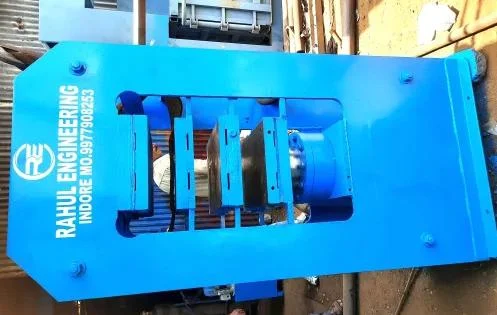
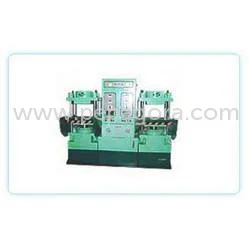
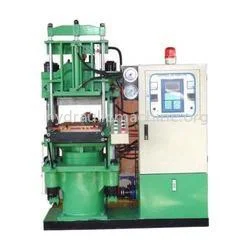
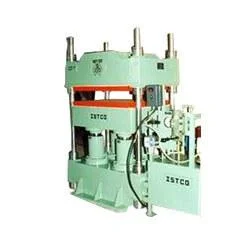
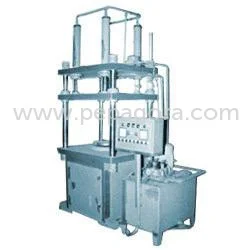
Compression molding machines are specialized equipment designed to create parts from thermoplastic and thermosetting materials. The process involves placing a material into a heated mold, which is then closed, and pressure is applied. This pressure causes the material to conform to the shape of the mold, allowing for the production of various parts with precise dimensions and surface finishes.
These machines are widely used in industries such as automotive, aerospace, and consumer goods. Applications include manufacturing items like car bumpers, appliance housings, and electronic casings. The ability to produce complex shapes and high volumes efficiently makes compression molding an essential process in modern manufacturing.
As industries continue to demand high-quality components at competitive prices, compression molding machines are increasingly relevant. They offer businesses the capability to innovate and meet changing market needs while ensuring cost-effectiveness and consistency in production.
𝗞𝗲𝘆 𝗙𝗲𝗮𝘁𝘂𝗿𝗲𝘀 𝗮𝗻𝗱 𝗦𝗽𝗲𝗰𝗶𝗳𝗶𝗰𝗮𝘁𝗶𝗼𝗻𝘀
Compression molding machines come with a variety of features that enhance their functionality and efficiency. Understanding these features helps businesses choose the right machine for their specific needs.
Key specifications include:
1. Molding Capacity
- Capacity measured in cubic centimeters or grams.
- Suitable for small to large-scale production.
2. Pressure Range
- Operating pressure typically between 50 to 150 tons.
- Adjustable settings for different material types and thicknesses.
3. Heating Method
- Options include electric or hydraulic heating.
- Ensures uniform temperature distribution for material processing.
4. Cycle Time
- Average cycle time ranges from 30 to 90 seconds.
- Dependent on material type and part complexity.
5. Control System
- Advanced PLC (Programmable Logic Controller) for automation.
- User-friendly interface for easy operation.
6. Safety Features
- Includes emergency stop buttons and protective enclosures.
- Compliance with industry safety standards.
7. Energy Efficiency
- Designed to minimize energy consumption.
- Contributes to reduced operational costs.
8. Maintenance Requirements
- Easy access for routine maintenance.
- Includes built-in diagnostics for troubleshooting.
The combination of these features ensures that compression molding machines deliver high-quality results while maximizing productivity.
𝗖𝗼𝗺𝗺𝗼𝗻 𝗔𝗽𝗽𝗹𝗶𝗰𝗮𝘁𝗶𝗼𝗻𝘀 𝗮𝗻𝗱 𝗨𝘀𝗲 𝗖𝗮𝘀𝗲𝘀
Compression molding machines are versatile and used across multiple industries.
1. Automotive: They are used to manufacture components such as dashboards, bumpers, and other exterior parts that require durability and precision.
2. Aerospace: These machines produce lightweight and strong parts for aircraft, including interior components and structural elements.
3. Consumer Goods: Compression molding is key in creating everyday items like kitchenware, storage containers, and power tool housings.
4. Electrical and Electronics: They are employed to make casings and insulating parts for electronic devices, ensuring safety and reliability.
5. Medical Devices: The machines are used to manufacture components for medical equipment, ensuring compliance with stringent quality standards.
6. Sporting Goods: Compression molding is utilized for creating durable and high-performance sports equipment, such as helmets and pads.
7. Industrial Products: These machines also produce components for various industrial applications, such as seals and gaskets, which require precision and reliability.
𝗣𝗿𝗼𝗱𝘂𝗰𝘁 𝗩𝗮𝗿𝗶𝗮𝗻𝘁𝘀 𝗮𝗻𝗱 𝗦𝘂𝗯𝗰𝗮𝘁𝗲𝗴𝗼𝗿𝗶𝗲𝘀
Compression molding machines come in various configurations to meet different production needs.
Standard Compression Molding Machine
This variant is designed for general-purpose applications, suitable for a wide range of materials. It features customizable molds to accommodate various shapes and sizes.
High-Speed Compression Molding Machine
Ideal for industries requiring rapid production rates, this machine increases efficiency with reduced cycle times. It is perfect for high-volume manufacturing environments.
Automatic Compression Molding Machine
This variant offers advanced automation features, reducing manual intervention. It is well-suited for large-scale production with consistent quality.
Semi-Automatic Compression Molding Machine
This option provides a balance between manual and automated processes, making it adaptable for smaller production runs or custom jobs.
𝗕𝗲𝗻𝗲𝗳𝗶𝘁𝘀 𝗮𝗻𝗱 𝗔𝗱𝘃𝗮𝗻𝘁𝗮𝗴𝗲𝘀
Compression molding machines offer several advantages that enhance their appeal to manufacturers.
1. Cost Efficiency: The ability to create complex parts in high volumes reduces overall production costs, making it a cost-effective choice for manufacturers.
2. Material Versatility: These machines can work with a wide variety of materials, including thermoplastics and thermosets, expanding application possibilities.
3. High Precision: Compression molding ensures tight tolerances and high-quality surface finishes, meeting the demands of various industries.
4. Reduced Waste: The process minimizes material waste compared to other molding methods, contributing to sustainable manufacturing practices.
5. Shorter Lead Times: Faster cycle times enable quicker turnaround for production, allowing businesses to respond swiftly to market demands.
6. Easy Scalability: Compression molding processes can be scaled easily, accommodating both small and large production runs without significant changes to the setup.
𝗕𝘂𝘆𝗶𝗻𝗴 𝗚𝘂𝗶𝗱𝗲 𝗳𝗼𝗿 𝗕𝟮𝗕 𝗕𝘂𝘆𝗲𝗿𝘀
When sourcing compression molding machines, several factors should be considered to ensure the best fit for your operations.
1. Quality Assessment: Evaluate the machine's quality based on its construction, brand reputation, and user reviews. Look for machines that meet industry standards for reliability and performance.
2. Supplier Verification: Research potential suppliers to verify their credibility and track record. Consider suppliers with established reputations and positive customer feedback.
3. Pricing and MOQ: Compare pricing from different suppliers while keeping the minimum order quantity in mind. Ensure the pricing aligns with your budget and production needs.
4. Delivery and Lead Times: Assess the expected delivery timelines and ensure they align with your production schedule. Timely delivery is crucial for maintaining operational efficiency.
5. Compliance Requirements: Understand the regulatory requirements relevant to your industry and ensure the machines comply with necessary standards, such as safety and environmental regulations.
𝗖𝗼𝗺𝗽𝗹𝗶𝗮𝗻𝗰𝗲 𝗮𝗻𝗱 𝗖𝗲𝗿𝘁𝗶𝗳𝗶𝗰𝗮𝘁𝗶𝗼𝗻𝘀
Compliance with industry standards and certifications is crucial for ensuring the quality and safety of compression molding machines. Many manufacturers adhere to ISO 9001 standards, which emphasize quality management systems and continuous improvement.
In addition, CE certification indicates that the machines meet European safety, health, and environmental protection standards. This certification is essential for businesses looking to operate in the European market.
Safety testing requirements often include rigorous evaluation of machine safety features and performance under various conditions. Manufacturers must also consider regional compliance aspects, as regulations can vary significantly from one region to another.
𝗪𝗵𝘆 𝗦𝗼𝘂𝗿𝗰𝗲 𝗖𝗼𝗺𝗽𝗿𝗲𝘀𝘀𝗶𝗼𝗻 𝗠𝗼𝗹𝗱𝗶𝗻𝗴 𝗠𝗮𝗰𝗵𝗶𝗻𝗲𝘀 𝗳𝗿𝗼𝗺 𝗣𝗲𝗽𝗮𝗴𝗼𝗿𝗮?
Pepagora provides a trusted platform for sourcing compression molding machines, offering several key advantages that cater to the needs of B2B buyers.
Verified Supplier Network: Pepagora has established a network of verified suppliers, ensuring that buyers can connect with reputable manufacturers. This verification process helps mitigate risks associated with sourcing equipment.
Streamlined RFQ Process: The platform simplifies the request for quotation (RFQ) process, allowing buyers to submit their requirements efficiently. This streamlined approach saves time and enhances the purchasing experience.
Trade Assurance and Support: Pepagora offers trade assurance features, providing buyers with protection during transactions. In addition, dedicated support is available to assist with any inquiries or issues.
Regional Coverage: With a strong presence in India, the GCC, and Southeast Asia, Pepagora facilitates access to a diverse range of suppliers and products. This regional reach ensures that buyers can find suitable solutions regardless of their location.
Newly Added




Recently Added
Ace Automation
Industrial Hydraulic Assembly Press 2 200 Tons Precision Force
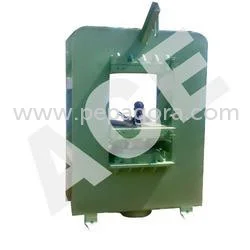
Industrial H Frame Hydraulic Press For Metal Forming And Assembly
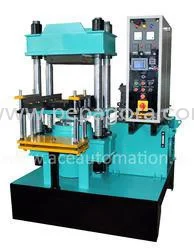
Industrial Molding Press Closed Frame High Precision Low Maintenance
J R D Rubber And Plastic Technology Pvt Ltd
Transfer Moulding Machines 5 300 Ton Rubber Silicone Production
Bench Top Transfer Moulding Machine for Rubber and Plastic Components
Precision Insert Moulding Machine 10 Ton Pneumatic Transfer
Rampur Engineering Works (Rubbmach)
Industrial Rubber Cutting Machinery For Tire And Gasket Manufacturing
Hydraulic Rubber Bale Cutter with Auto Feeder for Tire Manufacturing
Pneumatic Rubber Sample Cutting Machine For Tire And Gasket Manufacturing
Bhoomika Trading Co
Premium Automotive Clutches For Importers And Distributors
Industrial Tensioners For Power Transmission Systems
Premium Printed Electric Chokes For Fluorescent Tubelights
Bharat Hydraulics & Engineers
Industrial Hydraulic Compression Molding Machine for Rubber Plastic Composite
Industrial Hydraulic Power Packs For Heavy Machinery And Equipment
Industrial Hydraulic Cylinders For Automation And Heavy Machinery
Karunanand Hydropneumatic Controls Pvt Ltd
Industrial Triple Action Hydraulic Scrap Baling Press for Metal Recycling
Industrial Hydraulic Scrap Baling Press For Metal Recycling
Manual Cotton Baling Press for Textile, Agricultural, and Recycling Industries
Istco Engineering Works
Hydraulic Molding Press For Cork Rubber Composite Materials
Industrial Hydraulic Rubber Molding Machines For Precision Components
Industrial Single Daylight Molding Press 600 Ton Hydraulic Rubber
Jagjit Industries
Industrial Tubular Pole Straightening Hydraulic Press For 8 Inch Poles
Hydraulic Pipe Bending Press for Metal Fabrication and Construction
Industrial Tubular Pole Swaging And Straightening Hydraulic Machine
No.1 Hydraulics
Textile Industry Hydraulic Cotton Baling Press Machine With Direction Control Valves
Coir Processing Heavy Duty Baling Press Machine High Density Energy Efficient
Recycling Scrap Baling Press Machine For Metal Plastic Paper Waste
Adkon Hydraulics
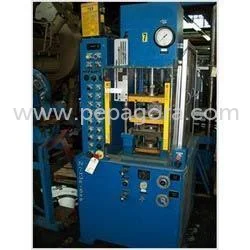
Industrial Compression Moulding Press For High Strength Components
Industrial C Frame Hydraulic Press For Metal Forming And Assembly
Industrial Hydraulic Auto Feeding Cutting Machine For Leather Rubber Textiles
Why Businesses Trust Pepagora
Thousands of companies trust Pepagora to source smarter and sell faster
Expand Your Sales Globally
25000+Products listed.Get discovered by global buyers
Tools to boost visibility
Build your own catalog

Source Smarter,Grow Faster
4000+Active RFQs
100+ Countries served
Easy Sourcing Tools
