
 IN
INundefined
Composting Units
3 products available
𝗪𝗵𝗮𝘁 𝗮𝗿𝗲 𝗖𝗼𝗺𝗽𝗼𝘀𝘁𝗶𝗻𝗴 𝗨𝗻𝗶𝘁𝘀?
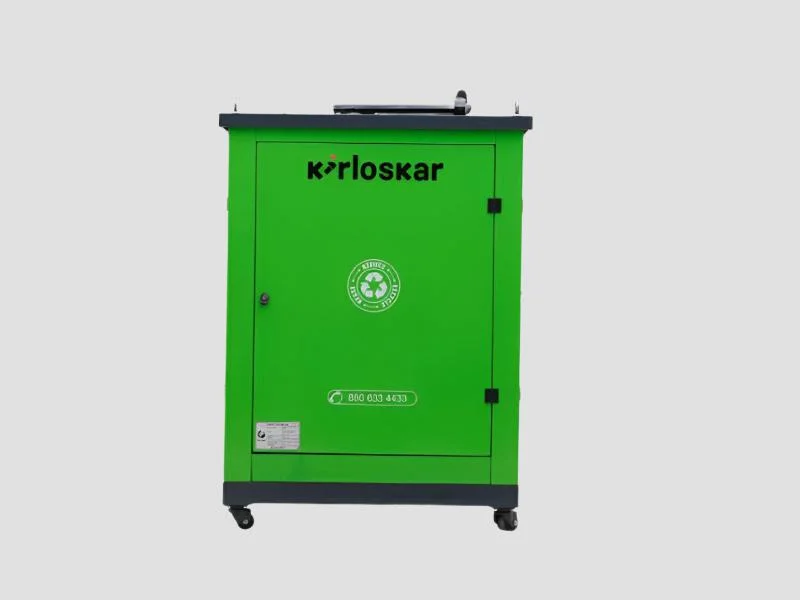
Composting units are specialized systems designed to facilitate the natural decomposition of organic waste into nutrient-rich compost. These units provide an efficient and environmentally friendly way to recycle food scraps, yard waste, and other biodegradable materials. By creating the right conditions for microbial activity, composting units accelerate the breakdown of organic matter, transforming it into compost that can be used to enrich soil in gardens and farms.
Businesses across various sectors utilize composting units to manage waste sustainably while enhancing their environmental responsibility. Industries such as agriculture, landscaping, and food service benefit from composting by reducing landfill waste and producing high-quality compost for soil improvement. As sustainability becomes a critical focus globally, the relevance of composting units in waste management and circular economy practices continues to grow, making them essential tools for modern businesses.
𝗞𝗲𝘆 𝗙𝗲𝗮𝘁𝘂𝗿𝗲𝘀 𝗮𝗻𝗱 𝗦𝗽𝗲𝗰𝗶𝗳𝗶𝗰𝗮𝘁𝗶𝗼𝗻𝘀
Composting units come with a variety of features that enhance their functionality and efficiency. These units are designed to cater to different scales of composting operations, from small household units to large commercial systems. The specifications outlined below help businesses choose the right composting solution for their needs.
Key specifications include:
1. Capacity
- Refers to the volume of organic material the unit can process.
- Ranges from small units handling a few kilograms to large systems capable of managing several tons.
2. Material Construction
- Typically made from durable, weather-resistant materials.
- Options may include stainless steel, polyethylene, or composite materials.
3. Aeration System
- Includes mechanisms to ensure proper airflow within the compost.
- May feature passive or active aeration systems to enhance microbial activity.
4. Temperature Control
- Some units are designed to maintain optimal temperatures for composting.
- This can speed up the composting process and improve compost quality.
5. Portability
- Many composting units come with wheels or are designed to be easily movable.
- This is particularly useful for commercial applications where location may change.
6. Monitoring Features
- Advanced units may offer monitoring systems for tracking temperature, moisture, and composting progress.
- This ensures optimal conditions for decomposition.
7. Ease of Use
- Features such as easy loading and unloading mechanisms are crucial for user convenience.
- Some units include built-in shredders to minimize waste size before composting.
8. Maintenance Requirements
- Units vary in the level of maintenance needed.
- Consider the ease of cleaning and the frequency of required upkeep.
In summary, understanding the key features and specifications of composting units enables businesses to select the right model suited for their specific needs and operational scale.
𝗖𝗼𝗺𝗺𝗼𝗻 𝗔𝗽𝗽𝗹𝗶𝗰𝗮𝘁𝗶𝗼𝗻𝘀 𝗮𝗻𝗱 𝗨𝘀𝗲 𝗖𝗮𝘀𝗲𝘀
Composting units find utility across a diverse range of industries, helping organizations manage organic waste effectively.
1. Agriculture: Farmers use composting units to recycle crop residues and livestock waste, producing valuable compost that enhances soil fertility.
2. Landscaping: Landscaping companies utilize composting systems to process green waste, creating a sustainable source of organic matter for soil amendment.
3. Food Service: Restaurants and cafeterias implement composting units to manage food scraps, reducing waste disposal costs while contributing to sustainability efforts.
4. Municipalities: Local governments often adopt composting units for community programs aimed at reducing landfill waste and promoting recycling.
5. Education: Schools and universities implement composting units as part of environmental education initiatives, teaching students about sustainable practices.
6. Retail: Grocery stores and markets use composting systems to manage organic waste from produce, improving their sustainability profile.
7. Hospitality: Hotels and resorts employ composting units to manage kitchen waste, aligning with eco-friendly practices and attracting environmentally conscious guests.
𝗣𝗿𝗼𝗱𝘂𝗰𝘁 𝗩𝗮𝗿𝗶𝗮𝗻𝘁𝘀 𝗮𝗻𝗱 𝗦𝘂𝗯𝗰𝗮𝘁𝗲𝗴𝗼𝗿𝗶𝗲𝘀
Composting units come in various configurations, catering to different needs and applications.
Aerobic Composting Units
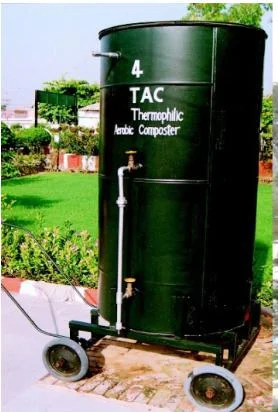
These units rely on oxygen to foster aerobic bacteria, resulting in faster decomposition. They are suitable for both small-scale and large-scale applications, making them versatile for various business settings.
Anaerobic Composting Units
These systems operate without oxygen, using anaerobic bacteria to break down organic matter. They are often used in industrial applications and can produce biogas as a byproduct, offering additional energy solutions.
In-vessel Composting Systems
These enclosed systems control environmental factors like temperature and moisture, ensuring a consistent composting process. They are ideal for commercial applications where space is limited but efficiency is critical.
Static Pile Composting Units
This method involves creating compost piles without mechanical turning. These units are often larger and suitable for agricultural use, allowing for natural decomposition over time.
𝗕𝗲𝗻𝗲𝗳𝗶𝘁𝘀 𝗮𝗻𝗱 𝗔𝗱𝘃𝗮𝗻𝘁𝗮𝗴𝗲𝘀
Utilizing composting units presents numerous benefits to businesses looking to enhance sustainability and efficiency.
1. Waste Reduction: Composting units significantly reduce the volume of organic waste sent to landfills, contributing to waste management goals.
2. Cost Savings: By recycling organic waste into compost, businesses can lower disposal costs and reduce the need for purchased fertilizers.
3. Soil Improvement: The compost produced enriches soil quality, promoting healthier plant growth and improving agricultural yields.
4. Environmental Impact: Composting contributes to reducing greenhouse gas emissions and supports sustainable practices, enhancing a company’s eco-friendly reputation.
5. Compliance with Regulations: Many regions have regulations encouraging organic waste recycling. Composting units help businesses meet these compliance requirements.
6. Community Engagement: Businesses that adopt composting practices can engage with local communities, showcasing their commitment to sustainability and environmental stewardship.
𝗕𝘂𝘆𝗶𝗻𝗴 𝗚𝘂𝗶𝗱𝗲 𝗳𝗼𝗿 𝗕𝟮𝗕 𝗕𝘂𝘆𝗲𝗿𝘀
When considering the purchase of composting units, it is essential for B2B buyers to take several factors into account.
1. Quality Assessment: Evaluate the materials and construction of the composting unit. Look for durability and resistance to environmental factors.
2. Supplier Verification: Ensure that suppliers have a proven track record and offer quality products. Check for references and customer reviews.
3. Pricing and MOQ: Understand the pricing structure and minimum order quantities. Compare costs across suppliers to ensure competitive pricing.
4. Delivery and Lead Times: Inquire about delivery schedules and lead times. Timely delivery is crucial for businesses planning waste management strategies.
5. Compliance Requirements: Be aware of any local or regional regulations pertaining to composting. Ensure that the selected units meet necessary compliance standards.
𝗖𝗼𝗺𝗽𝗹𝗶𝗮𝗻𝗰𝗲 𝗮𝗻𝗱 𝗖𝗲𝗿𝘁𝗶𝗳𝗶𝗰𝗮𝘁𝗶𝗼𝗻𝘀
Composting units must adhere to various quality standards and certifications to ensure safety and effectiveness. Key standards include ISO 9001, which focuses on quality management systems, ensuring that suppliers maintain high-quality production processes.
Many composting units also comply with HACCP (Hazard Analysis and Critical Control Points) guidelines, particularly those used in food service environments. This ensures that the composting process does not compromise food safety.
In addition, CE certification is important for units sold in Europe, indicating that they meet necessary health and safety standards.
Safety and testing requirements are vital for composting units to operate efficiently and without causing environmental harm. Regional compliance considerations may vary, so it is advisable for businesses to stay informed about local regulations regarding composting.
𝗪𝗵𝘆 𝗦𝗼𝘂𝗿𝗰𝗲 𝗖𝗼𝗺𝗽𝗼𝘀𝘁𝗶𝗻𝗴 𝗨𝗻𝗶𝘁𝘀 𝗳𝗿𝗼𝗺 𝗣𝗲𝗽𝗮𝗴𝗼𝗿𝗮?
Pepagora offers a reliable platform for sourcing composting units, providing several advantages for B2B buyers.
Verified Supplier Network: Pepagora ensures that all suppliers are thoroughly vetted, providing assurance of product quality and supplier reliability. This helps businesses make informed purchasing decisions.
Streamlined RFQ Process: The request for quotation process is simplified through Pepagora, allowing buyers to receive competitive quotes quickly and efficiently. This saves time and enhances the purchasing experience.
Trade Assurance and Support: Buyers are protected through trade assurance measures, ensuring that transactions are secure. Pepagora's support team is available to assist with any inquiries or issues that may arise during the purchasing process.
Regional Coverage: With a strong presence in India, the GCC, and Southeast Asia, Pepagora connects buyers with suppliers across multiple regions. This geographic reach increases opportunities for businesses looking for composting solutions tailored to their specific needs.
Newly Added


Recently Added
Vns Enviro Biotechq Pvt Ltd
Industrial Water Treatment Chemicals TCCA Sodium Hypochlorite Bleaching Powder
Industrial Reverse Osmosis Plants For High Purity Water Treatment
Textile Dye Effluent Treatment System For Decolorization And COD Reduction
Marc Sanitation (P) Ltd
MARC Mesophilic Aerobic Rapid Composter: Decentralized Organic Waste Management Device
TAC Thermophilic Aerobic Composter For Cold & Hilly Regions Odour Free Rapid Composting
Marcenzyme Microbial Consortium For Rapid Organic Waste Bioremediation & Odour Control
Techman Power Service Pvt Ltd
Industrial Machinery Low Voltage Induction Motors For Pumps And Compressors
Commercial Diesel Generator Sets For Light Industrial Power Requirements
Compact Diesel Generator Sets For Backup And Prime Power In Small Facilities
Why Businesses Trust Pepagora
Thousands of companies trust Pepagora to source smarter and sell faster
Expand Your Sales Globally
25000+Products listed.Get discovered by global buyers
Tools to boost visibility
Build your own catalog

Source Smarter,Grow Faster
4000+Active RFQs
100+ Countries served
Easy Sourcing Tools
