
 IN
INundefined
Cold Storage Units
58 products available
𝗪𝗵𝗮𝘁 𝗮𝗿𝗲 𝗖𝗼𝗹𝗱 𝗦𝘁𝗼𝗿𝗮𝗴𝗲 𝗨𝗻𝗶𝘁𝘀?
Cold storage units are specialized facilities designed to maintain controlled temperatures for the preservation of temperature-sensitive products. These units are essential in various industries, enabling businesses to store goods under optimal conditions, preventing spoilage and deterioration. Cold storage units can range from large warehouses to smaller, modular systems, catering to different storage needs and capacities.
The primary applications of cold storage units include the food and beverage industry, pharmaceuticals, and other sectors requiring strict temperature control. In the food industry, these units are crucial for storing perishable items like meat, dairy, and produce. Pharmaceutical companies use cold storage to keep vaccines and medications at specific temperatures to ensure efficacy. The relevance of cold storage units in today's market cannot be overstated, as the demand for safe and reliable storage solutions continues to grow alongside global trade and consumption patterns.
𝗞𝗲𝘆 𝗙𝗲𝗮𝘁𝘂𝗿𝗲𝘀 𝗮𝗻𝗱 𝗦𝗽𝗲𝗰𝗶𝗳𝗶𝗰𝗮𝘁𝗶𝗼𝗻𝘀
Cold storage units come equipped with a variety of features and specifications tailored to meet diverse requirements. These specifications are vital for ensuring that the units operate efficiently and effectively.
Key specifications include:
1. Temperature Range
- Typically designed to maintain temperatures between -20°C to +5°C.
- Specific ranges depend on the type of products stored.
2. Insulation Type
- High-density insulation materials to reduce energy loss.
- Common materials include polyurethane and polystyrene.
3. Humidity Control
- Systems may include humidity control features to maintain optimal moisture levels.
- Important for products like fruits and vegetables.
4. Monitoring Systems
- Advanced monitoring systems to track temperature and humidity levels.
- Includes alarms for temperature fluctuations to ensure product safety.
5. Energy Efficiency
- Units are designed to operate with minimal energy consumption.
- Compliance with energy efficiency standards is common.
6. Size and Capacity
- Available in various sizes, from small units to large-scale warehouses.
- Capacity can range from a few cubic meters to thousands, depending on the application.
7. Accessibility Features
- Includes loading docks, roll-up doors, and easy access for forklifts.
- Designed for efficient movement of goods in and out.
8. Safety Standards
- Compliance with safety regulations, including fire and electrical safety.
- Regular maintenance and inspections are essential.
In summary, cold storage units are equipped with key features that ensure the safe preservation of temperature-sensitive products, making them indispensable for various industries.
𝗖𝗼𝗺𝗺𝗼𝗻 𝗔𝗽𝗽𝗹𝗶𝗰𝗮𝘁𝗶𝗼𝗻𝘀 𝗮𝗻𝗱 𝗨𝘀𝗲 𝗖𝗮𝘀𝗲𝘀
Cold storage units have a wide range of applications across several industries.
1. Food and Beverage Industry: Cold storage is vital for storing perishable goods, such as meat, dairy, and frozen foods, ensuring they remain fresh and safe for consumption.
2. Pharmaceuticals: These units are essential for storing sensitive medications, vaccines, and biologics that require strict temperature control to maintain efficacy.
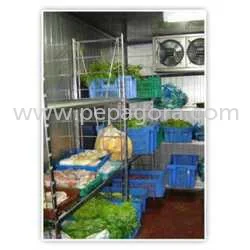
3. Agriculture: Farmers and distributors use cold storage to prolong the shelf life of fruits and vegetables, especially during transportation and distribution.
4. Logistics and Supply Chain: Cold storage plays a crucial role in the logistics sector, allowing for the efficient transport of temperature-sensitive goods over long distances.
5. Retail: Supermarkets and grocery stores utilize cold storage to preserve perishable items, maintaining quality and safety for consumers.
6. Catering and Food Service: Restaurants and catering services rely on cold storage to keep ingredients fresh and safe before use.
7. Cosmetics: Some cosmetic products require cold storage to maintain their integrity, especially those containing organic ingredients.
𝗣𝗿𝗼𝗱𝘂𝗰𝘁 𝗩𝗮𝗿𝗶𝗮𝗻𝘁𝘀 𝗮𝗻𝗱 𝗦𝘂𝗯𝗰𝗮𝘁𝗲𝗴𝗼𝗿𝗶𝗲𝘀
Cold storage units come in a variety of forms to meet specific storage needs.
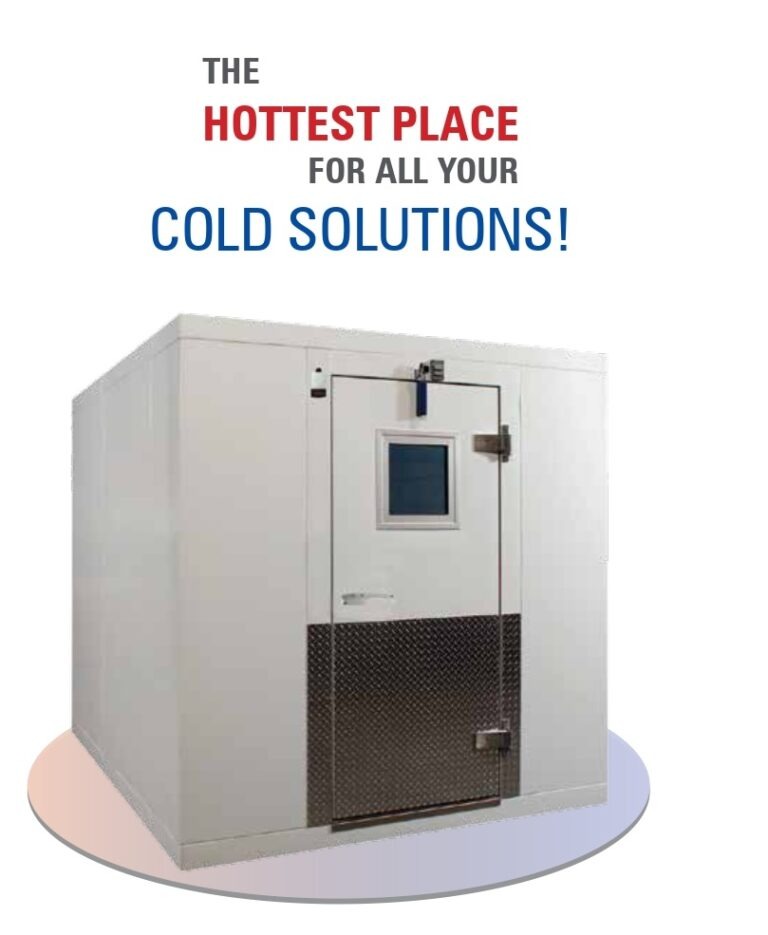
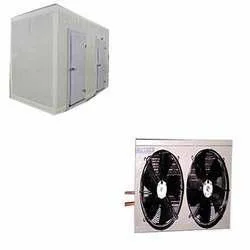
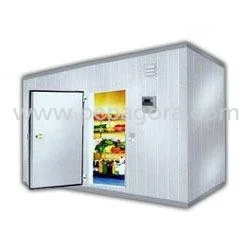
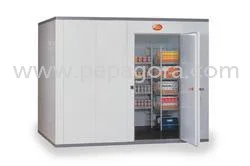
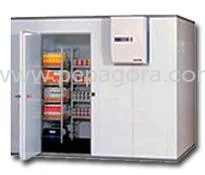
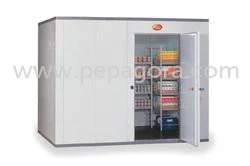
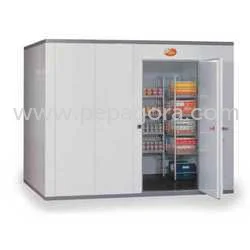
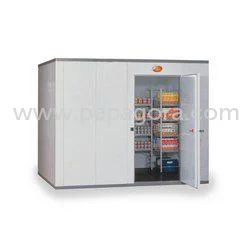
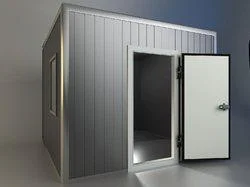
Walk-in Coolers: These are large, walk-in units designed for substantial storage needs. They provide easy access for personnel and can accommodate bulk quantities of products.
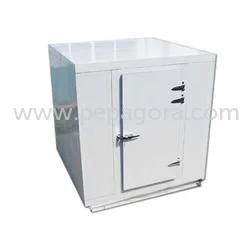
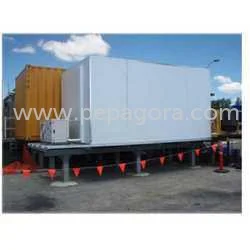
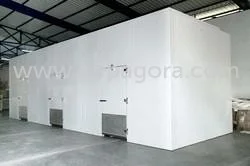
Modular Cold Storage: These units are customizable and can be quickly deployed. They are ideal for businesses with fluctuating storage needs and can be expanded or reduced as necessary.
Blast Freezers: Specifically designed to freeze products rapidly, these units lower temperatures quickly to preserve product quality.
Refrigerated Containers: Portable options that can be used for both storage and transport, ideal for shipping temperature-sensitive goods.
𝗕𝗲𝗻𝗲𝗳𝗶𝘁𝘀 𝗮𝗻𝗱 𝗔𝗱𝘃𝗮𝗻𝘁𝗮𝗴𝗲𝘀
Investing in cold storage units offers numerous benefits for businesses.
1. Product Preservation: Cold storage units extend the shelf life of perishable goods, reducing waste and loss.
2. Safety Assurance: Maintaining proper temperatures ensures that products remain safe for consumption or use, especially in food and pharmaceuticals.
3. Increased Efficiency: Streamlined storage solutions allow for better inventory management and quicker access to products.
4. Compliance with Regulations: Cold storage helps businesses meet industry regulations regarding the storage of temperature-sensitive items.
5. Cost Savings: Efficient units can lead to lower energy costs and reduced waste, providing long-term financial benefits.
6. Flexibility: Various unit sizes and types provide businesses with options that can adapt to changing storage needs.
𝗕𝘂𝘆𝗶𝗻𝗴 𝗚𝘂𝗶𝗱𝗲 𝗳𝗼𝗿 𝗕𝟮𝗕 𝗕𝘂𝘆𝗲𝗿𝘀
When sourcing cold storage units, B2B buyers should consider several crucial factors to ensure they choose the right solution for their needs.
1. Quality Assessment: Evaluate the build quality and materials used in the units. Look for certifications that indicate compliance with industry standards.
2. Supplier Verification: Research potential suppliers to ensure they have a solid reputation and track record of reliability in providing cold storage solutions.
3. Pricing and MOQ: Understand the pricing structure and the minimum order quantity required. This helps in budgeting and ensures you meet supplier requirements.
4. Delivery and Lead Times: Inquire about shipping timelines and availability to ensure that the units can be delivered when needed.
5. Compliance Requirements: Familiarize yourself with relevant regulations and certifications required in your industry to ensure that the cold storage units meet all legal standards.
𝗖𝗼𝗺𝗽𝗹𝗶𝗮𝗻𝗰𝗲 𝗮𝗻𝗱 𝗖𝗲𝗿𝘁𝗶𝗳𝗶𝗰𝗮𝘁𝗶𝗼𝗻𝘀
Cold storage units must adhere to various quality standards and certifications to ensure safety and reliability.
Key relevant quality standards include ISO 9001, which outlines requirements for a quality management system, ensuring that products consistently meet customer and regulatory requirements.
Additionally, compliance with HACCP (Hazard Analysis Critical Control Point) guidelines is essential for food safety, as it involves identifying and controlling potential hazards in the storage process.
The CE marking signifies that the unit meets European safety, health, and environmental protection standards, making it a requirement for products sold in the European Economic Area.
Regular safety testing and certifications are crucial to ensure that cold storage units operate safely and efficiently. Regional compliance considerations may vary, so it is important to be aware of local regulations that may impact the purchase and use of cold storage units.
𝗪𝗵𝘆 𝗦𝗼𝘂𝗿𝗰𝗲 𝗖𝗼𝗹𝗱 𝗦𝘁𝗼𝗿𝗮𝗴𝗲 𝗨𝗻𝗶𝘁𝘀 𝗳𝗿𝗼𝗺 𝗣𝗲𝗽𝗮𝗴𝗼𝗿𝗮?
Pepagora offers a trusted platform for sourcing cold storage units, providing several key advantages to buyers.
Verified Supplier Network: Pepagora has a comprehensive network of verified suppliers, ensuring that you can connect with reputable manufacturers and distributors who meet your specific needs.
Streamlined RFQ Process: The platform features an efficient request-for-quotation process, allowing buyers to easily obtain competitive quotes from multiple suppliers, saving time and effort.
Trade Assurance and Support: Pepagora provides trade assurance, ensuring that buyers are protected throughout the purchasing process. Their dedicated support team is available to assist with any concerns or inquiries.
Regional Coverage: With extensive reach across India, the GCC, and Southeast Asia, Pepagora connects buyers with local suppliers, making it easier to source cold storage units that meet regional requirements.
Newly Added






Recently Added
Abdul Refrigeration Centre
Commercial Tea And Coffee Vending Machine For High Traffic Environments
Commercial Espresso Machine With Pre Moistening Cycle For Cafes And Restaurants
Commercial Two Door Deep Freezer High Capacity Sub Zero Cooling
Dee Kay Refrigeration Private Limited
Dee Kay Refrigeration Multiple Cold Room Ripening Chambers For Fruits
Modular Cold Rooms For Food Storage Temperature Controlled Durable
Prefabricated Modular Cold Rooms PUF Panels Insulation Energy Efficient
D & G Enterprise
Fire Extinguishing Ball Self Activating 1.3kg Class A B C Fires
Solar Street Light 35W 50W E40 96LM/W 15000Hrs Dusk Till Dawn
Industrial Commercial Ceramic Xenon Lamps High Luminous Efficiency
Cchalukkya Engineering
Industrial Jib Cranes With VFD Controls For Material Handling
Industrial Single Girder EOT Crane 1 30 Ton Capacity Material Handling
Industrial Jib Crane 2000kg Lifting Capacity 350 Degree Rotation
F-Max Systems
Vegetable Cold Storage For Freshness & Shelf Life Extension
Cold Rooms for Food Storage, Pharmaceuticals & Agriculture
Multi Room Cold Storage Solutions For Food And Agriculture
Kumar Equipment (India)
Industrial Baking Ovens Corrosion Resistant Steel Food Production
Industrial Bread Slicer Machine For High Volume Bakeries And Food Processors
Industrial Dough Kneader Machine For Bakeries And Food Manufacturers
Gurdev Icecans Refrigeration Industries
Industrial Brine Agitators Heavy Duty Mono Block Coupled Models
Industrial Agitator V Belt 2 Inch Shaft Gunmetal Bush Taper Bearing
Industrial Blast Freezers For Food Processing And Commercial Kitchens
Global Cool Solution
Commercial Walk In Cooler Robust Construction Low Maintenance Cost
Industrial Ripening Chamber 13.5m Length 6.5m Height Precise Temperature Control
Heavy Storage Clean Rooms For Food And Agriculture Industries
Polfrost Aircon Pvt Ltd
Lab Constant Temperature Refrigerators For Precise Humidity Control
Commercial Upright And Chest Freezers 165L To 450L 20C To 40C
Industrial PUF Panels For Cold Storage Insulation 60mm 200mm
Asha Enterprises
Industrial Air Curtains For Energy Savings And Insect Control
Industrial Ammonia Air Cooling Units And Blast Freezers For Cold Storage
Prefabricated Cold Rooms For Food And Pharmaceutical Storage
Why Businesses Trust Pepagora
Thousands of companies trust Pepagora to source smarter and sell faster
Expand Your Sales Globally
25000+Products listed.Get discovered by global buyers
Tools to boost visibility
Build your own catalog

Source Smarter,Grow Faster
4000+Active RFQs
100+ Countries served
Easy Sourcing Tools
