
 IN
INundefined
Cocoa Powder
14 products available
𝗪𝗵𝗮𝘁 𝗮𝗿𝗲 𝗖𝗼𝗰𝗼𝗮 𝗣𝗼𝘄𝗱𝗲𝗿?
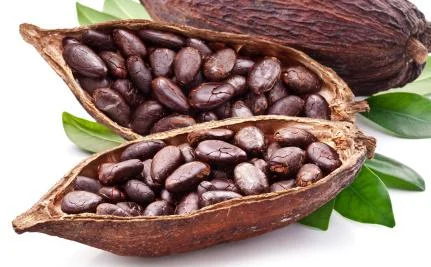
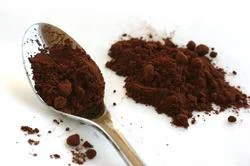
Cocoa powder is a finely ground product derived from cocoa beans, which are the seeds of the cacao tree. The process of making cocoa powder involves fermenting, drying, roasting, and grinding the cocoa beans to separate the cocoa solids from the cocoa butter. The result is a rich, chocolate-flavored powder that is widely used in various food products and beverages. Cocoa powder is primarily categorized into two types: natural cocoa powder and Dutch-processed cocoa powder, each offering distinct flavors and uses.
Cocoa powder finds extensive applications in the food industry, particularly in the production of chocolate, baked goods, confections, and drinks. It is commonly used in recipes for cakes, cookies, and brownies, as well as in beverages like hot chocolate and chocolate milk. Beyond the culinary realm, cocoa powder is also relevant in the health and wellness industry due to its antioxidant properties and potential health benefits. The global cocoa powder market continues to grow, driven by increasing demand for chocolate products and health-conscious consumers seeking natural ingredients.
𝗞𝗲𝘆 𝗙𝗲𝗮𝘁𝘂𝗿𝗲𝘀 𝗮𝗻𝗱 𝗦𝗽𝗲𝗰𝗶𝗳𝗶𝗰𝗮𝘁𝗶𝗼𝗻𝘀
Cocoa powder is characterized by several key features and specifications that are essential for businesses in the food industry. Understanding these specifications helps buyers make informed decisions when sourcing this product.
Key specifications include:
1. Flavor Profile
- Natural cocoa powder has a strong, slightly acidic chocolate flavor.
- Dutch-processed cocoa powder has a milder, smoother flavor due to the alkalization process.
2. Color
- Natural cocoa powder is typically light brown.
- Dutch-processed cocoa powder ranges from dark brown to nearly black.
3. Fat Content
- Cocoa powder can have varying fat content, generally ranging from 10% to 24%.
- Higher fat content results in a richer flavor and smoother texture in applications.
4. Moisture Content
- Ideal moisture content is usually around 5% or less to ensure shelf stability.
5. Solubility
- Solubility varies between natural and Dutch-processed cocoa powder, affecting its integration into recipes.
6. Particle Size
- Cocoa powder is available in different particle sizes, which can influence texture and mouthfeel.
7. Packaging Options
- Available in bulk or retail packaging, catering to both manufacturers and consumers.
Cocoa powder's versatility and range of specifications make it a valuable ingredient in various food products.
𝗖𝗼𝗺𝗺𝗼𝗻 𝗔𝗽𝗽𝗹𝗶𝗰𝗮𝘁𝗶𝗼𝗻𝘀 𝗮𝗻𝗱 𝗨𝘀𝗲 𝗖𝗮𝘀𝗲𝘀
Cocoa powder serves various industries, showcasing its versatility and importance.
1. Food and Beverage Industry: Cocoa powder is widely used in chocolate bars, cakes, cookies, and beverages like hot chocolate. Its rich flavor enhances the taste profile of many products.
2. Confectionery: In the confectionery sector, cocoa powder is essential for creating chocolates, truffles, and other sweet treats, providing a deep chocolate flavor.
3. Bakery: Bakeries utilize cocoa powder in various baked goods, including brownies, muffins, and pastries, enhancing flavor and texture.
4. Nutrition and Health Products: Cocoa powder is incorporated into health supplements and nutritional bars due to its antioxidant properties and health benefits.
5. Cosmetics: The cosmetic industry uses cocoa powder in natural beauty products, such as face masks and scrubs, taking advantage of its beneficial properties for skin.
6. Ice Cream and Dairy Products: Cocoa powder is a key ingredient in chocolate ice creams and flavored dairy products, adding richness and flavor.
7. Culinary Applications: Chefs and home cooks alike use cocoa powder in sauces, marinades, and savory dishes, showcasing its versatility beyond sweet applications.
𝗣𝗿𝗼𝗱𝘂𝗰𝘁 𝗩𝗮𝗿𝗶𝗮𝗻𝘁𝘀 𝗮𝗻𝗱 𝗦𝘂𝗯𝗰𝗮𝘁𝗲𝗴𝗼𝗿𝗶𝗲𝘀
Cocoa powder comes in various forms, catering to different needs and preferences in the market.
Natural Cocoa Powder
This variant is not treated with alkali and retains a strong chocolate flavor with a slightly acidic taste. It is ideal for recipes that require a robust cocoa flavor, such as brownies and chocolate cakes.
Dutch-Processed Cocoa Powder
This variant undergoes an alkalization process, resulting in a milder flavor and darker color. It is commonly used in recipes that require a smooth texture and a less acidic taste, making it perfect for hot chocolate and dark chocolate desserts.
𝗕𝗲𝗻𝗲𝗳𝗶𝘁𝘀 𝗮𝗻𝗱 𝗔𝗱𝘃𝗮𝗻𝘁𝗮𝗴𝗲𝘀
Cocoa powder offers numerous benefits that appeal to both manufacturers and consumers in the food industry.
1. Rich Flavor: Cocoa powder adds a deep, rich chocolate flavor to a variety of products, enhancing overall taste profiles.
2. Health Benefits: It is rich in antioxidants and may provide health benefits, such as improved heart health and reduced inflammation.
3. Versatility: Cocoa powder can be used in numerous applications, from baking to beverages, making it a highly versatile ingredient.
4. Natural Ingredient: As a natural product, cocoa powder aligns with consumer trends favoring clean label and natural ingredients.
5. Shelf Stability: Properly processed cocoa powder has a long shelf life, ensuring its availability for manufacturers and consumers.
6. Easy to Use: Cocoa powder is easy to incorporate into recipes, requiring no special preparation, which simplifies the production process.
𝗕𝘂𝘆𝗶𝗻𝗴 𝗚𝘂𝗶𝗱𝗲 𝗳𝗼𝗿 𝗕𝟮𝗕 𝗕𝘂𝘆𝗲𝗿𝘀
When sourcing cocoa powder, there are several critical factors to consider to ensure you are making the best choice for your business needs.
1. Quality Assessment: Ensure that the cocoa powder meets established quality criteria, including taste, aroma, and appearance. Conducting sensory evaluations can help in this assessment.
2. Supplier Verification: Vet suppliers thoroughly to ensure they adhere to industry standards and have a reliable track record of delivering quality products consistently.
3. Pricing and MOQ: Understand the pricing structure and minimum order quantities (MOQ) required by suppliers. This can impact your budget and inventory management.
4. Delivery and Lead Times: Consider the logistics involved in sourcing cocoa powder, including delivery times and shipping options, to ensure timely production.
5. Compliance Requirements: Be aware of regulatory compliance and certification requirements that apply to cocoa powder, ensuring that the product adheres to local and international standards.
𝗖𝗼𝗺𝗽𝗹𝗶𝗮𝗻𝗰𝗲 𝗮𝗻𝗱 𝗖𝗲𝗿𝘁𝗶𝗳𝗶𝗰𝗮𝘁𝗶𝗼𝗻𝘀
Cocoa powder must meet several compliance and certification standards to ensure safety and quality in the food industry. Common quality standards include ISO 9001, which ensures consistent quality management practices, and HACCP, which focuses on food safety through risk assessment.
The CE certification is also relevant for products sold in certain markets, indicating compliance with health, safety, and environmental protection standards. Additionally, cocoa powder must meet safety and testing requirements to ensure it is free from contaminants and safe for consumption.
Regional compliance considerations may vary, requiring businesses to understand local regulations and standards to ensure their products meet necessary requirements in different markets.
𝗪𝗵𝘆 𝗦𝗼𝘂𝗿𝗰𝗲 𝗖𝗼𝗰𝗼𝗮 𝗣𝗼𝘄𝗱𝗲𝗿 𝗳𝗿𝗼𝗺 𝗣𝗲𝗽𝗮𝗴𝗼𝗿𝗮?
Pepagora provides a trusted platform for sourcing cocoa powder, offering several key advantages that stand out in the market.
Verified Supplier Network: Pepagora connects businesses with verified suppliers, ensuring that buyers can source high-quality cocoa powder from reputable manufacturers. This verification process builds trust and confidence in the sourcing process.
Streamlined RFQ Process: The platform features a streamlined Request for Quotation (RFQ) process, allowing buyers to easily compare quotes from multiple suppliers, facilitating informed purchasing decisions.
Trade Assurance and Support: Buyers are protected through trade assurance policies that safeguard their transactions, providing peace of mind and support throughout the sourcing process.
Regional Coverage: With a strong presence in India, the GCC, and Southeast Asia, Pepagora offers extensive regional coverage, catering to businesses looking to source cocoa powder in diverse markets. This geographic reach enhances accessibility for buyers across different regions.
Newly Added




Recently Added
Premier Speciality Ingredients
Whey Protein Concentrate WPC 35% 70% 80% High Quality
Premium Natural Food Flavors For Food And Beverage Manufacturing
Food Emulsifiers For Bakery Dairy Confectionery Stability
Mac Chem Corporation
Premium Instant Dried Yeast For Baking Brewing And Animal Feed
High Purity Dextrose Monohydrate Powder For Food And Pharma
Premium Bitter Chocolate Ice Cream Paste for Dairy Manufacturers
Parry Enterprises India Ltd
Supply Food Grade Citric Acid Monohydrate 99.5% Purity White Powder
Premium Citric Acid Anhydrous 99.5% White Crystal Powder For Food And Industrial
Ascorbic Acid Vitamin C Powder Water Soluble Nutrition Enhancer
Ankit India Limited
Organic Chickpeas Fresh Food Grade Long Shelf Life
Premium Semolina Flour High Nutrition Bulk Suji
Bulk Premium Cereals Wheat Rice Maize Oats Fresh Supply
Aryan International Specialties
Industrial Guar Gum And CMC High Purity Thickeners Binders Stabilizers
Premium Flavor Paste & Slab For Food Manufacturing
Premium Flavor Compound Chocolate Slabs For Bulk Food Production
AASHRAY INCORPORATION
Premium Stemless Dried Red Chillies For Food Manufacturing
Premium Indian Red Chillies For Food Manufacturing And Spice Blending
Fine Grade Desiccated Coconut Flakes Under 1.7mm
Arumugam & Co
Industrial Dextrose Monohydrate Powder For Food And Pharma
Food Grade Malic Acid For Beverage And Industrial Applications
Premium Edible Lactose For Food Manufacturing And Pharmaceuticals
Abirami Technologies Pvt Ltd
Industrial Cooling Tray 12x12x9 in for Roasted Cocoa Beans
CocoaT Jr Roaster PI 2 4 lbs Stainless Steel Drum Roaster for Cocoa Beans
CocoaT Manual Cracker For Artisanal Chocolate Makers Stainless Steel
Why Businesses Trust Pepagora
Thousands of companies trust Pepagora to source smarter and sell faster
Expand Your Sales Globally
25000+Products listed.Get discovered by global buyers
Tools to boost visibility
Build your own catalog

Source Smarter,Grow Faster
4000+Active RFQs
100+ Countries served
Easy Sourcing Tools
