
 IN
INundefined
CNC Pipe Bending Machines
5 products available
𝗪𝗵𝗮𝘁 𝗮𝗿𝗲 𝗖𝗡𝗖 𝗣𝗶𝗽𝗲 𝗕𝗲𝗻𝗱𝗶𝗻𝗴 𝗠𝗮𝗰𝗵𝗶𝗻𝗲𝘀?
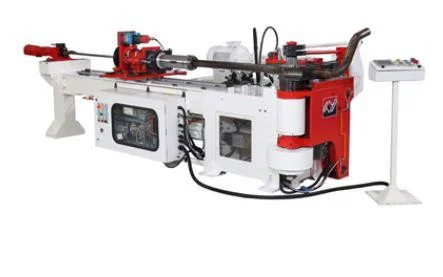
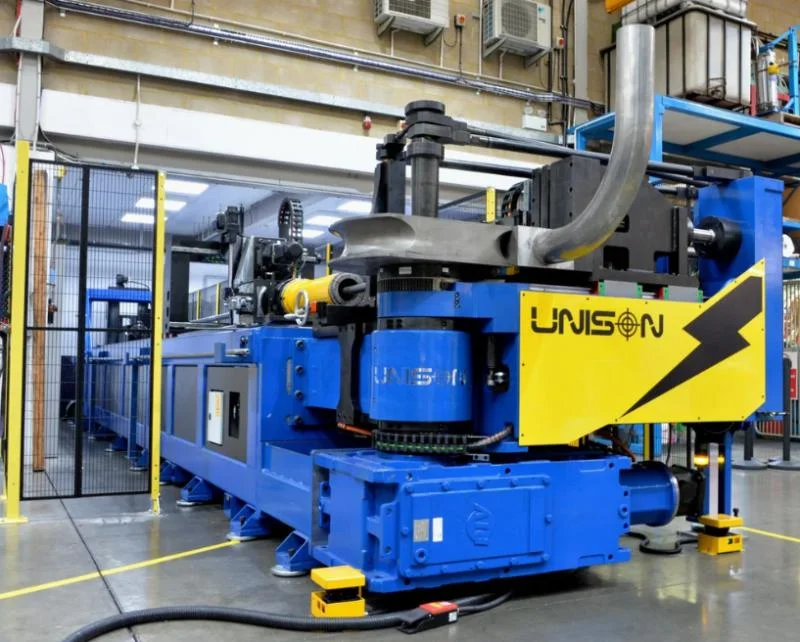
CNC Pipe Bending Machines are advanced manufacturing tools designed to bend pipes and tubes with precision using computer numerical control technology. These machines automate the bending process, allowing for consistent and accurate results. They are engineered to handle various pipe sizes and materials, making them versatile for different industrial applications. By utilizing software to control the bending parameters, these machines enhance efficiency while minimizing human error.
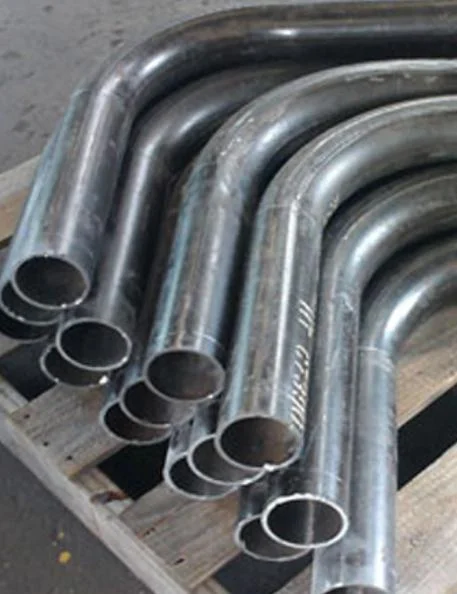
The primary uses of CNC Pipe Bending Machines span numerous sectors, including automotive, aerospace, construction, and manufacturing. Businesses utilize these machines to produce components like exhaust systems, structural frameworks, and plumbing installations. The ability to create complex shapes and angles with ease makes CNC pipe bending essential in modern production lines, where speed and precision are crucial.
In terms of industry relevance, CNC Pipe Bending Machines are integral to maintaining competitive advantages in the marketplace. As industries increasingly adopt automation technologies, the demand for high-quality, efficient bending solutions continues to rise. This trend reflects a broader movement towards increased productivity and reduced operational costs across various sectors.
𝗞𝗲𝘆 𝗙𝗲𝗮𝘁𝘂𝗿𝗲𝘀 𝗮𝗻𝗱 𝗦𝗽𝗲𝗰𝗶𝗳𝗶𝗰𝗮𝘁𝗶𝗼𝗻𝘀
CNC Pipe Bending Machines come with a range of features and specifications that enhance their functionality and performance. These machines are designed to provide high accuracy, flexibility, and ease of use, making them essential tools in many manufacturing environments.
Key specifications include:
1. Bending Capacity
- This specification indicates the maximum pipe diameter and wall thickness the machine can accommodate.
- Typical ranges may vary significantly based on the model and manufacturer.
2. Control System
- Most CNC Pipe Bending Machines utilize advanced control systems, allowing for precise programming of bending angles and radii.
- Control options might include touchscreen interfaces and software integration.
3. Bending Speed
- This specification refers to the speed at which the machine can perform bends.
- Variability is common depending on the material and complexity of the bend.
4. Repeatability
- This indicates the machine's ability to produce the same bend consistently over repeated cycles.
- High repeatability is essential for mass production scenarios.
5. Hydraulic Pressure
- The maximum hydraulic pressure the machine can generate for bending operations.
- This is crucial for processing various materials effectively.
6. Machine Dimensions
- The overall size and weight of the machine, which can impact installation and operational space.
7. Power Requirements
- Specifications regarding the electrical power needed to operate the machine efficiently.
8. Safety Features
- Includes emergency stops, protective enclosures, and safety interlocks to ensure operator protection.
In summary, understanding these features and specifications helps businesses select the right CNC Pipe Bending Machine tailored to their specific production needs.
𝗖𝗼𝗺𝗺𝗼𝗻 𝗔𝗽𝗽𝗹𝗶𝗰𝗮𝘁𝗶𝗼𝗻𝘀 𝗮𝗻𝗱 𝗨𝘀𝗲 𝗖𝗮𝘀𝗲𝘀
CNC Pipe Bending Machines serve various industries, each with unique applications.
1. Automotive: In the automotive industry, these machines are crucial for manufacturing exhaust systems, roll cages, and chassis components. Their precision ensures the structural integrity and performance of vehicles.
2. Aerospace: Aerospace manufacturers rely on CNC bending for producing lightweight yet strong frames and components. The ability to create complex geometries is vital for optimizing performance and safety.
3. Construction: In construction, these machines are used for fabricating structural supports, railings, and piping systems. The precision bending minimizes waste and enhances the quality of installations.
4. HVAC: Heating, ventilation, and air conditioning systems often require precisely bent ducts and piping. CNC Pipe Bending Machines ensure that components fit together seamlessly.
5. Furniture: Custom furniture makers utilize these machines to create unique designs with metal tubing. This flexibility allows for innovative product development.
6. Oil and Gas: The industry relies on CNC bending for the production of pipes used in drilling and transportation. Precision is critical for safety and efficiency.
7. Marine: In the marine sector, these machines are essential for shaping components used in boats and ships, ensuring durability and performance in challenging environments.
𝗣𝗿𝗼𝗱𝘂𝗰𝘁 𝗩𝗮𝗿𝗶𝗮𝗻𝘁𝘀 𝗮𝗻𝗱 𝗦𝘂𝗯𝗰𝗮𝘁𝗲𝗴𝗼𝗿𝗶𝗲𝘀
CNC Pipe Bending Machines come in various models, each tailored for specific applications and user needs.
Electric CNC Pipe Bending Machines are known for their energy efficiency and quiet operation. They are suitable for industries that require high precision and minimal environmental impact.
Hydraulic CNC Pipe Bending Machines offer powerful bending capabilities, making them ideal for heavy-duty applications. These machines are commonly used in industries that work with thick-walled pipes.
Portable CNC Pipe Bending Machines provide flexibility for on-site operations. Their compact design allows for easy transportation and setup, making them a preferred choice for contractors.
Automated CNC Pipe Bending Systems integrate robotics for high-volume production. These systems are designed for large manufacturers looking to streamline their operations.
𝗕𝗲𝗻𝗲𝗳𝗶𝘁𝘀 𝗮𝗻𝗱 𝗔𝗱𝘃𝗮𝗻𝘁𝗮𝗴𝗲𝘀
CNC Pipe Bending Machines offer numerous benefits that enhance operational efficiency and product quality.
1. Precision: These machines deliver exceptional accuracy, allowing manufacturers to produce complex shapes without compromising quality.
2. Efficiency: The automation of the bending process reduces production time, enabling businesses to meet tight deadlines and increase output.
3. Versatility: CNC Pipe Bending Machines can accommodate various materials and sizes, making them suitable for diverse applications across industries.
4. Cost-effectiveness: By minimizing waste and reducing labor costs, these machines contribute to overall cost savings in production.
5. Enhanced Safety: Modern CNC machines come equipped with safety features, reducing the risk of accidents and ensuring a safer workplace.
6. Reduced Labor: Automation decreases reliance on manual labor, freeing up skilled workers for other critical tasks within the production process.
𝗕𝘂𝘆𝗶𝗻𝗴 𝗚𝘂𝗶𝗱𝗲 𝗳𝗼𝗿 𝗕𝟮𝗕 𝗕𝘂𝘆𝗲𝗿𝘀
When sourcing CNC Pipe Bending Machines, there are several important factors to consider to ensure the right choice for your business.
1. Quality Assessment: Evaluate the build quality of the machine, including the materials used and the manufacturing processes. Look for machines that meet industry standards for durability and reliability.
2. Supplier Verification: Conduct thorough research on potential suppliers. Check for industry reputation, customer reviews, and previous project success to ensure you partner with reliable manufacturers.
3. Pricing and MOQ: Understand the pricing structures and minimum order quantities set by suppliers. This will help you budget effectively and gauge whether a supplier meets your operational needs.
4. Delivery and Lead Times: Inquire about shipping options and delivery timelines. Ensure that the supplier can meet your deadlines to avoid production delays.
5. Compliance Requirements: Familiarize yourself with any relevant regulatory standards that the machine must meet. This may include safety certifications and environmental regulations pertinent to your industry.
𝗖𝗼𝗺𝗽𝗹𝗶𝗮𝗻𝗰𝗲 𝗮𝗻𝗱 𝗖𝗲𝗿𝘁𝗶𝗳𝗶𝗰𝗮𝘁𝗶𝗼𝗻𝘀
CNC Pipe Bending Machines must adhere to various quality standards and regulations to ensure their reliability and safety.
ISO 9001 is a widely recognized quality management standard that emphasizes the importance of consistent quality in manufacturing processes. Compliance with this standard indicates that a manufacturer has effective quality control systems in place.
CE certification is crucial for machines sold in European markets. It demonstrates that the machine complies with health, safety, and environmental protection standards. This certification provides assurance to buyers regarding the safety of the equipment.
Safety and testing requirements are paramount in the design and operation of CNC Pipe Bending Machines. Manufacturers must implement rigorous testing protocols to verify the performance and safety of their machines.
Regional compliance considerations may also come into play, as different regions may have specific regulations governing machinery operation and safety. Understanding these regulations is essential for businesses operating in multiple markets.
𝗪𝗵𝘆 𝗦𝗼𝘂𝗿𝗰𝗲 𝗖𝗡𝗖 𝗣𝗶𝗽𝗲 𝗕𝗲𝗻𝗱𝗶𝗻𝗴 𝗠𝗮𝗰𝗵𝗶𝗻𝗲𝘀 𝗳𝗿𝗼𝗺 𝗣𝗲𝗽𝗮𝗴𝗼𝗿𝗮?
Pepagora provides a trusted platform for sourcing CNC Pipe Bending Machines, offering several key advantages to B2B buyers.
Verified Supplier Network: Pepagora connects buyers with a network of verified suppliers known for their quality and reliability. This ensures that businesses can source machines from reputable manufacturers.
Streamlined RFQ Process: The request-for-quotation process at Pepagora is designed to be efficient and user-friendly. Buyers can easily compare quotes from multiple suppliers, facilitating informed purchasing decisions.
Trade Assurance and Support: Pepagora offers trade assurance to protect buyers during the procurement process. This includes support in case of disputes, ensuring that buyers can transact with confidence.
Regional Coverage: Pepagora's reach extends across India, the GCC, and Southeast Asia. This geographic coverage ensures that businesses in these regions have access to high-quality CNC Pipe Bending Machines suited to their operational needs.
Newly Added


Recently Added
Prashant Nishant Industries
Industrial Section Straightener Machine For Beams Bars Metal Profiles
Industrial Section Profiling Machines For Metal Forming And Construction
Industrial Automatic Roll Forming Machine 50 100 HP 15 20 M/Min
A. K. S. Engineering Company
Industrial Autoclaves Limpet Coil Jacket 500 20000 kg Carbon Steel Stainless Steel
Industrial Limpet Coils For Efficient Heat Transfer And Temperature Control
Industrial Boiler Plain Tube Economiser For Heat Recovery Efficiency
Metalweld Engineering Private Limited
Heavy Duty Spiral Seed Grader 1000 kg/hr Capacity 7 Feet Size
Farm Hand Manual Chaff Cutter with High Carbon Steel Blades
Semi Automatic Hand Wheel Hoe Manual Crank Drive 200 kg/hr Iron
HARTEN METAL FORMINGS PVT LTD
Precision Deep Drawing Components For Automotive Electrical HVAC Industrial Applications
Precision Press Components For Automotive Electrical Industrial Applications
High Strength Bar Bending Components For Construction & Industrial Applications
Micro Form Automation
Industrial CNC Lathe Machine 290mm Diameter 500mm Length Precision Metal Turning
Industrial Manufacturing Agni BMV45 TC20 Vertical Machining Centre With 20 Tool Changer
Industrial Horizontal Machining Centre 400x400mm Pallet 560mm Travel 60 Tool ATC
Why Businesses Trust Pepagora
Thousands of companies trust Pepagora to source smarter and sell faster
Expand Your Sales Globally
25000+Products listed.Get discovered by global buyers
Tools to boost visibility
Build your own catalog

Source Smarter,Grow Faster
4000+Active RFQs
100+ Countries served
Easy Sourcing Tools
