
 IN
INundefined
CNC Controllers (Fanuc, Siemens, etc.)
37 products available
What are CNC Controllers (Fanuc, Siemens, etc.)?
CNC controllers are sophisticated devices that manage the operation of Computer Numerical Control (CNC) machines. These controllers, such as those offered by Fanuc and Siemens, convert computer-generated design files into precise movements of the machine's cutting tools. The controllers interpret G-code commands, which dictate the machine's actions, allowing for intricate and repeatable manufacturing processes.
CNC controllers are widely used across various industries, including aerospace, automotive, and metalworking. They enable manufacturers to produce complex parts with high accuracy and efficiency. The versatility of CNC controllers makes them essential for tasks ranging from simple drilling to complex milling and turning operations. As industries continue to evolve towards automation, the market for CNC controllers is expanding, driven by the demand for precision, speed, and reduced labor costs.
In a rapidly growing industrial landscape, CNC controllers play a pivotal role in enhancing productivity and ensuring quality. Their relevance spans not only traditional manufacturing sectors but also newer fields such as additive manufacturing and robotics. The market is increasingly competitive, with various manufacturers striving to innovate and offer advanced features that meet the diverse needs of businesses.
𝗞𝗲𝘆 𝗙𝗲𝗮𝘁𝘂𝗿𝗲𝘀 𝗮𝗻𝗱 𝗦𝗽𝗲𝗰𝗶𝗳𝗶𝗰𝗮𝘁𝗶𝗼𝗻𝘀
CNC controllers come equipped with a range of features that enhance their functionality and usability. Understanding these specifications helps businesses choose the right controller for their applications.
Key specifications include:
1. Control Axis
- Number of axes the controller can manage (typically 3, 4, or 5)
- Allows for complex movements and operations
2. Communication Protocols
- Supported protocols such as RS-232, Ethernet, or USB
- Ensures compatibility with various software and hardware
3. User Interface
- Type of interface, such as touchscreen or keypad
- Affects ease of operation and programming
4. Programming Language
- Supported languages such as G-code or proprietary languages
- Determines user flexibility and customization options
5. Input/Output Ports
- Number and type of I/O ports available
- Facilitates integration with sensors, tools, and other equipment
6. Memory Capacity
- Amount of memory for storing programs and data
- Impacts the complexity of tasks that can be handled
7. Processing Speed
- Speed at which the controller executes commands
- Affects production efficiency and cycle times
8. Safety Features
- Built-in safety protocols and emergency stop functions
- Ensures operator safety and regulatory compliance
In summary, CNC controllers feature a variety of specifications that cater to different operational needs. Businesses must evaluate these specifications to select the best controller for their specific applications.
𝗖𝗼𝗺𝗺𝗼𝗻 𝗔𝗽𝗽𝗹𝗶𝗰𝗮𝘁𝗶𝗼𝗻𝘀 𝗮𝗻𝗱 𝗨𝘀𝗲 𝗖𝗮𝘀𝗲𝘀
CNC controllers are utilized in a multitude of applications across various industries, facilitating precision manufacturing and automation.
1. Aerospace: CNC controllers are crucial in producing intricate parts for aircraft, such as turbine blades and fuselage components, ensuring strict adherence to safety and quality standards.
2. Automotive: In the automotive industry, CNC controllers enable the efficient manufacturing of engine components, transmission parts, and body panels, enhancing production speed and accuracy.
3. Metalworking: CNC controllers allow metal fabricators to create complex shapes and designs in various metals, improving efficiency in machining and reducing waste.
4. Woodworking: In woodworking, CNC controllers are used to automate cutting, carving, and engraving processes, allowing for high levels of customization and design precision.
5. Electronics: CNC controllers assist in the production of printed circuit boards and other electronic components, ensuring high accuracy and repeatability in intricate designs.
6. Medical Devices: The medical industry relies on CNC controllers for the manufacturing of precise instruments and implants, where accuracy and reliability are paramount.
7. Defense: CNC technology is essential in the defense sector for producing critical components for weapons and equipment, where precision is critical.
𝗣𝗿𝗼𝗱𝘂𝗰𝘁 𝗩𝗮𝗿𝗶𝗮𝗻𝘁𝘀 𝗮𝗻𝗱 𝗦𝘂𝗯𝗰𝗮𝘁𝗲𝗴𝗼𝗿𝗶𝗲𝘀
CNC controllers come in various models and configurations, each designed to meet specific requirements of different applications.
Fanuc Series
Fanuc controllers are known for their robustness and versatility. They are widely used in manufacturing settings for their reliability and extensive range of features, including advanced programming capabilities and user-friendly interfaces.
Siemens Sinumerik
Siemens Sinumerik controllers offer high precision and are particularly suitable for complex machining tasks. They support various machining processes and are favored for their integration capabilities with other Siemens automation solutions.
Mitsubishi M80 Series
The Mitsubishi M80 series features advanced motion control and user-friendly programming. This series is suitable for high-speed machining and is utilized in industries requiring rapid production cycles.
Heidenhain TNC Series
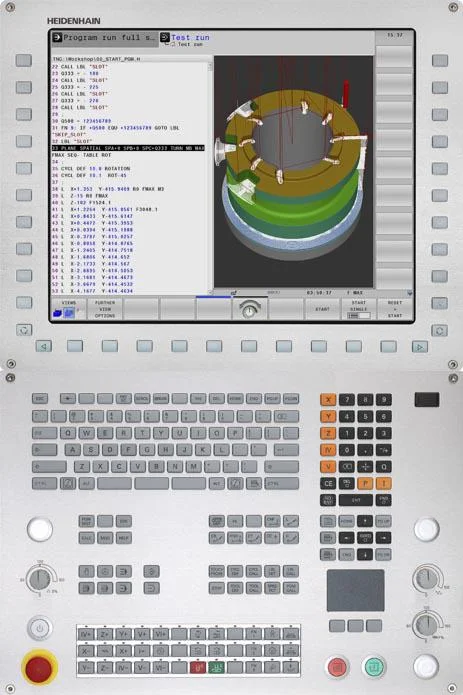
The Heidenhain TNC series provides intuitive operation with its graphical user interface. These controllers are ideal for milling and are known for their accuracy in high-precision applications.
𝗕𝗲𝗻𝗲𝗳𝗶𝘁𝘀 𝗮𝗻𝗱 𝗔𝗱𝘃𝗮𝗻𝘁𝗮𝗴𝗲𝘀
CNC controllers offer numerous benefits that enhance manufacturing processes and operational efficiency.
1. Enhanced Precision: CNC controllers facilitate high precision in machining, resulting in better quality products and reduced waste.
2. Increased Efficiency: Automation through CNC controllers speeds up production processes, allowing for higher output rates and shortened cycle times.
3. Flexibility: CNC controllers can handle various tasks and programming styles, making them adaptable to different manufacturing needs.
4. Consistency: The use of CNC controllers ensures consistent quality across production runs, minimizing variations and defects.
5. Cost Savings: By increasing efficiency and reducing waste, CNC controllers can lead to significant cost savings in the long term.
6. Improved Safety: Many CNC controllers come equipped with safety features that protect operators and comply with industry regulations.
𝗕𝘂𝘆𝗶𝗻𝗴 𝗚𝘂𝗶𝗱𝗲 𝗳𝗼𝗿 𝗕𝟮𝗕 𝗕𝘂𝘆𝗲𝗿𝘀
When sourcing CNC controllers, businesses should consider several key factors to ensure they make informed purchasing decisions.
1. Quality Assessment: Evaluate the quality of the CNC controllers by reviewing certifications, compliance with industry standards, and performance metrics to ensure reliability.
2. Supplier Verification: Vet potential suppliers by checking their reputation, customer reviews, and adherence to quality control processes to ensure they meet your expectations.
3. Pricing and MOQ: Understand the pricing structures and minimum order quantities that suppliers offer to align with your budget and production needs.
4. Delivery and Lead Times: Assess the supplier's logistics capabilities, including delivery schedules and lead times, to ensure timely acquisition of the controllers.
5. Compliance Requirements: Confirm that the CNC controllers meet all necessary compliance and regulatory requirements relevant to your industry to avoid future complications.
𝗖𝗼𝗺𝗽𝗹𝗶𝗮𝗻𝗰𝗲 𝗮𝗻𝗱 𝗖𝗲𝗿𝘁𝗶𝗳𝗶𝗰𝗮𝘁𝗶𝗼𝗻𝘀
CNC controllers must adhere to various quality standards and certifications to ensure safety and reliability in their operation.
ISO 9001 is a widely recognized standard focusing on quality management systems. It ensures that manufacturers maintain consistent quality in their products and services.
CE certification indicates compliance with European safety, health, and environmental protection standards. This certification is crucial for manufacturers aiming to sell products in the European market.
Safety and testing requirements are also critical. CNC controllers should undergo rigorous testing to ensure they meet operational safety standards and perform reliably under various conditions.
Regional compliance considerations may vary depending on the market. It is essential for manufacturers and suppliers to understand and adhere to local regulations to facilitate smooth operations and avoid legal issues.
Why Source CNC Controllers (Fanuc, Siemens, etc.) from Pepagora?
Pepagora provides a trusted platform for sourcing CNC controllers, offering several key advantages to B2B buyers.
Verified Supplier Network: Pepagora connects buyers with a network of verified suppliers, ensuring that all listed manufacturers meet high standards of quality and reliability.
Streamlined RFQ Process: The platform features a simplified request for quotation (RFQ) system, allowing buyers to easily compare prices and specifications from multiple suppliers, streamlining the decision-making process.
Trade Assurance and Support: Pepagora offers trade assurance, providing buyers with protection during transactions, ensuring they receive quality products as promised.
Regional Coverage: With a strong presence in India, the GCC region, and Southeast Asia, Pepagora ensures comprehensive geographic reach, facilitating easy access to CNC controllers across various markets.
Newly Added






Recently Added
BPL Enterprises
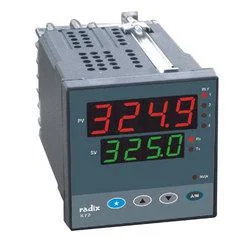
Industrial Temperature Process Controllers For Precise Monitoring Control
Industrial Autotune PID Controller with Universal Input and Isolated Outputs
Industrial Automation Programmable OnOff Controller X72A MODBUS RTU
Aar Gee Automation & Control
Aquapack Pressure Booster System For Commercial Water Supply
Industrial Automation Asda A Series AC Servo Systems High Performance Motion Control
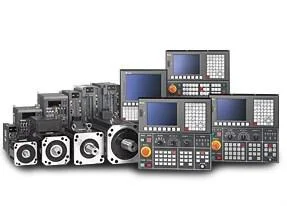
Industrial Automation CNC Main Devices For Precision Control And Reliability
Luans Electronics
Industrial Automation Synchro Transmitter Receiver FM Modulation Metal
Industrial Automation Synchro Differential Generator AC Single Phase 3000/3600rpm
Security Training Professional Burglar Alarm Demo Unit Auto Plastic
Accurate Electro Industries
Industrial Toroidal Core Winding Machines For Transformers And Inductors
Industrial Toroidal Coil Winding Machines For Transformers And Motors
Industrial Coil Looping Machine For Wire And Metal Manufacturing
Almech Engineers
Industrial Automation Precision Screw Feeder Assemblies For Reliable Fastening
Automotive Fuel Cross High Tensile Strength Durable Performance
Industrial Silencers For Machinery Noise Reduction High Quality Solutions
Automation Solutions
Industrial Automation Siemens PLC Rugged High Performance Control
Industrial Automation K TP178 Micro HMI Panel For Machine Control
Industrial Automation General Purpose Drives OEM 1C Position Control
Volmac Engg (P) Ltd
Industrial Battery Charger For Lead Acid EVs And Material Handling
Industrial Traction Battery Chargers For Electric Vehicles And Equipment
Industrial Motor Controller Model 1236 Curtis PLC Electric Vehicles
Gennext Control
Industrial Permanent Magnet Stepper Gear Motor High Torque CNC Robotics
Industrial AC Geared Motors 80 120mm Up To 1000W For Automation
Industrial Automation Brushless Gear Motors High Torque Precision Control
Popular Science Apparatus Workshops Pvt Ltd
Industrial Glass Blowing Machines For Precision Quartz And Glass Working
Industrial Automation High Performance Control Driver with Spindle Controls
Industrial Metal Gear Milling Machine with 0.03mm Accuracy for Automotive and Aerospace
Adaptek Automation Technology
Industrial HMI LCD Display Allen Bradley PV600 2711 K3A5L1 Keypad
Industrial HMI Siemens TP270 Touch Panel Automation Control
GSM Alarm Controller For Remote Monitoring And SMS Control
Why Businesses Trust Pepagora
Thousands of companies trust Pepagora to source smarter and sell faster
Expand Your Sales Globally
25000+Products listed.Get discovered by global buyers
Tools to boost visibility
Build your own catalog

Source Smarter,Grow Faster
4000+Active RFQs
100+ Countries served
Easy Sourcing Tools
