
 IN
INundefined
CMC (Carboxymethyl Cellulose)
1 products available
What are CMC (Carboxymethyl Cellulose)?
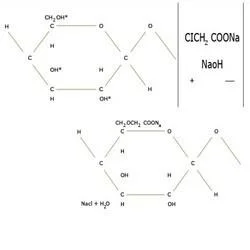
Carboxymethyl Cellulose, commonly known as CMC, is a cellulose derivative that is widely used in various industries due to its unique properties. It is a white, odorless powder that is soluble in water, forming a viscous solution. CMC is derived from natural cellulose, which is modified through a chemical process to enhance its functionality. This modification allows CMC to serve as a thickening agent, stabilizer, and emulsifier, making it highly versatile in applications requiring texture and consistency.
The primary uses of CMC span across industries such as food production, pharmaceuticals, cosmetics, and personal care. In the food industry, it is employed as a thickener and stabilizer in products like ice cream, sauces, and salad dressings. In pharmaceuticals, CMC is used as a binder and disintegrant in tablets. Its ability to retain moisture makes it valuable in cosmetics and personal care products, contributing to improved texture and performance. With the growing demand for natural and sustainable ingredients, CMC's relevance in the market continues to expand.
𝗞𝗲𝘆 𝗙𝗲𝗮𝘁𝘂𝗿𝗲𝘀 𝗮𝗻𝗱 𝗦𝗽𝗲𝗰𝗶𝗳𝗶𝗰𝗮𝘁𝗶𝗼𝗻𝘀
Carboxymethyl Cellulose offers a range of features that make it a preferred choice in various applications. Its unique properties, such as water solubility, thickening ability, and stability under varying conditions, contribute to its widespread use.
Key specifications include:
1. Solubility
- CMC is highly soluble in cold and hot water.
- It forms a clear, viscous solution.
2. Viscosity
- The viscosity can be adjusted based on the degree of substitution and concentration.
- Typical viscosity ranges are from 100 to 100,000 mPa·s.
3. pH Stability
- CMC maintains stability across a wide pH range, typically from 3 to 11.
- This makes it suitable for diverse formulations.
4. Molecular Weight
- Varies depending on the specific grade, usually between 90,000 to 1,200,000 Dalton.
- Affects the thickening and stabilizing properties.
5. Thermal Stability
- CMC remains stable under a variety of thermal conditions.
- However, specific temperature data is not available.
6. Purity
- Commercial grades of CMC typically have a purity level above 98%.
- Ensures minimal impurities in applications.
7. Regulatory Compliance
- CMC is generally recognized as safe (GRAS) for food applications.
- Complies with food and pharmaceutical regulations.
In summary, CMC is characterized by its solubility, viscosity, and stability, making it an essential ingredient in numerous industries.
𝗖𝗼𝗺𝗺𝗼𝗻 𝗔𝗽𝗽𝗹𝗶𝗰𝗮𝘁𝗶𝗼𝗻𝘀 𝗮𝗻𝗱 𝗨𝘀𝗲 𝗖𝗮𝘀𝗲𝘀
CMC is utilized across various sectors, demonstrating its versatility and effectiveness.
1. Food Industry: CMC serves as a thickening agent in ice creams, sauces, and dressings, enhancing texture and stability.
2. Pharmaceutical Industry: In pharmaceuticals, CMC acts as a binder in tablet formulations, ensuring proper disintegration and drug release.
3. Cosmetics: CMC is commonly found in lotions and creams, where it improves texture and moisture retention.
4. Oil and Gas: CMC is used in drilling fluids to enhance viscosity and stabilize suspensions.
5. Paper Manufacturing: CMC serves as a coating agent, improving the printability and surface finish of paper products.
6. Textiles: It is used in textile sizing to enhance the strength and smoothness of fabrics.
7. Construction: In construction, CMC is utilized in cement and mortar applications for improved workability and adhesion.
𝗣𝗿𝗼𝗱𝘂𝗰𝘁 𝗩𝗮𝗿𝗶𝗮𝗻𝘁𝘀 𝗮𝗻𝗱 𝗦𝘂𝗯𝗰𝗮𝘁𝗲𝗴𝗼𝗿𝗶𝗲𝘀
Carboxymethyl Cellulose comes in various grades designed for specific applications. Each variant offers unique features tailored to different industry needs.
High-Viscosity CMC
This variant is known for its exceptional thickening properties, making it ideal for food products that require a rich texture. It is commonly used in sauces, dressings, and dairy products.
Low-Viscosity CMC
Low-viscosity CMC is suitable for applications requiring minimal thickness, such as beverages and clear gels. It provides stability without altering the product's consistency.
Medium-Viscosity CMC
This variant strikes a balance between thickness and clarity, making it versatile for use in both food and pharmaceutical formulations.
𝗕𝗲𝗻𝗲𝗳𝗶𝘁𝘀 𝗮𝗻𝗱 𝗔𝗱𝘃𝗮𝗻𝘁𝗮𝗴𝗲𝘀
Choosing Carboxymethyl Cellulose offers numerous benefits for businesses and manufacturers.
1. Versatility: CMC can be used in a wide range of applications, making it a valuable ingredient across multiple industries.
2. Enhanced Texture: It improves the mouthfeel and texture of food products, leading to better consumer acceptance.
3. Stabilization: CMC provides excellent stabilization in emulsions and suspensions, ensuring product consistency.
4. Moisture Retention: In personal care products, CMC helps retain moisture, enhancing skin feel and product performance.
5. Cost-Effective: CMC is a cost-effective solution compared to other thickening agents, providing excellent value for manufacturers.
6. Natural Origin: As a cellulose derivative, CMC is derived from natural sources, appealing to the growing demand for sustainable ingredients.
𝗕𝘂𝘆𝗶𝗻𝗴 𝗚𝘂𝗶𝗱𝗲 𝗳𝗼𝗿 𝗕𝟮𝗕 𝗕𝘂𝘆𝗲𝗿𝘀
When sourcing Carboxymethyl Cellulose, there are several factors to consider to ensure optimal quality and performance.
1. Quality Assessment: Evaluate the purity and viscosity of CMC. Look for certifications that indicate compliance with industry standards.
2. Supplier Verification: Conduct thorough due diligence on suppliers to ensure reliability and product quality. Check for industry reputation and customer feedback.
3. Pricing and MOQ: Understand the pricing structure and minimum order quantities, as these can vary significantly between suppliers.
4. Delivery and Lead Times: Discuss logistics and delivery schedules to ensure timely availability of products.
5. Compliance Requirements: Verify that the product meets all relevant regulatory and safety standards for your specific industry.
𝗖𝗼𝗺𝗽𝗹𝗶𝗮𝗻𝗰𝗲 𝗮𝗻𝗱 𝗖𝗲𝗿𝘁𝗶𝗳𝗶𝗰𝗮𝘁𝗶𝗼𝗻𝘀
Carboxymethyl Cellulose is subject to various quality and safety standards. Relevant certifications include CE and UL, ensuring that the product meets necessary safety and performance criteria.
Manufacturers often adhere to quality management systems such as ISO 9001, which ensures consistent product quality. Additionally, compliance with HACCP principles is vital in the food industry to guarantee safety through systematic controls.
Safety and testing requirements are crucial, particularly for pharmaceutical and food applications. Regular testing for contaminants and adherence to Good Distribution Practices (GDP) are essential for maintaining product integrity.
Different regions may have specific compliance requirements, so it's important to be aware of local regulations governing the use of CMC in your market.
Why Source CMC (Carboxymethyl Cellulose) from Pepagora?
Pepagora offers a reliable platform for sourcing Carboxymethyl Cellulose, providing several advantages for B2B buyers.
Verified Supplier Network: Pepagora has a rigorous vetting process for suppliers, ensuring that only reputable manufacturers are included in the network. This gives buyers confidence in the quality and reliability of the products.
Streamlined RFQ Process: The request for quotation (RFQ) system simplifies the sourcing process, enabling buyers to receive multiple quotes quickly and efficiently. This allows for better comparison and negotiation of terms.
Trade Assurance and Support: Buyers benefit from trade assurance measures that protect their investments. Pepagora provides support throughout the purchasing process, ensuring that buyers have access to all necessary information and assistance.
Regional Coverage: With a strong presence in India, the GCC, and Southeast Asia, Pepagora facilitates connections between buyers and suppliers across these regions. This broad geographic reach enhances accessibility to quality CMC products.


Recently Added
Amar Cellulose Industries
Industrial Carboxy Methyl Cellulose CMC Thickener Stabilizer Binder
Industrial Carboxy Methyl Starch For Thickening Binding Stabilizing
Industrial Grade Carboxy Methyl Cellulose CMC Thickener Binder Stabilizer
Why Businesses Trust Pepagora
Thousands of companies trust Pepagora to source smarter and sell faster
Expand Your Sales Globally
25000+Products listed.Get discovered by global buyers
Tools to boost visibility
Build your own catalog

Source Smarter,Grow Faster
4000+Active RFQs
100+ Countries served
Easy Sourcing Tools
