
 IN
INundefined
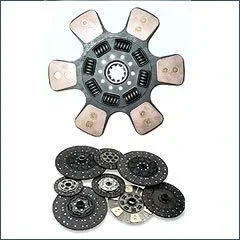
Clutch Plates & Clutch Kits
16 products available
𝗪𝗵𝗮𝘁 𝗮𝗿𝗲 𝗖𝗹𝘂𝘁𝗰𝗵 𝗣𝗹𝗮𝘁𝗲𝘀 & 𝗖𝗹𝘂𝘁𝗰𝗵 𝗞𝗶𝘁𝘀?
Clutch plates and clutch kits are essential components in the operation of manual transmission systems in vehicles and industrial machinery. A clutch plate is a friction disc that engages and disengages the engine from the transmission, allowing for smooth gear shifting. Clutch kits typically include multiple components such as the clutch plate, pressure plate, and release bearing, packaged together to ensure compatibility and optimal performance.
These products are primarily used in automotive, aerospace, and heavy machinery industries. In automotive applications, they facilitate the transfer of power from the engine to the drivetrain, while in industrial settings, they are vital for the operation of various machinery that require precise control over power transmission. The demand for high-quality clutch plates and kits is driven by the need for reliability and efficiency in these critical applications.
In today’s market, the relevance of clutch plates and kits cannot be overstated. With the increasing focus on performance and durability, manufacturers are continuously innovating to improve the materials and designs used in these components. This has led to a competitive landscape where businesses must stay updated on the latest advancements to meet industry standards and customer expectations.
𝗞𝗲𝘆 𝗙𝗲𝗮𝘁𝘂𝗿𝗲𝘀 𝗮𝗻𝗱 𝗦𝗽𝗲𝗰𝗶𝗳𝗶𝗰𝗮𝘁𝗶𝗼𝗻𝘀
Clutch plates and clutch kits possess several key features that enhance their performance and reliability. Understanding these specifications is crucial for selecting the right components for specific applications.
Key specifications include:
1. Material Composition
- Typically made from high-friction materials for durability
- Often includes composites, ceramics, or organic materials
2. Size and Dimensions
- Available in various diameters and thicknesses
- Must be compatible with specific vehicle or machinery models
3. Torque Capacity
- Rated for specific torque loads to ensure proper performance
- Varies depending on the application and design
4. Temperature Resistance
- Designed to withstand high operating temperatures
- Essential for maintaining performance in demanding environments
5. Certification
- Complies with industry standards such as CE for safety and reliability
- Ensures quality assurance in manufacturing processes
6. Weight
- Varies by design and materials used
- Impacts vehicle performance and handling characteristics
7. Lifespan
- Expected lifespan can vary based on usage and maintenance
- Regular inspections can help prolong service life
In conclusion, selecting the right clutch plate and kit involves understanding these specifications to ensure compatibility and performance in various applications.
𝗖𝗼𝗺𝗺𝗼𝗻 𝗔𝗽𝗽𝗹𝗶𝗰𝗮𝘁𝗶𝗼𝗻𝘀 𝗮𝗻𝗱 𝗨𝘀𝗲 𝗖𝗮𝘀𝗲𝘀
Clutch plates and clutch kits serve a wide range of industries, each with specific applications that require reliable performance.
1. Automotive Industry: Clutch plates are crucial in manual transmission vehicles, allowing drivers to shift gears smoothly. They are also used in performance vehicles where enhanced torque transfer is necessary.
2. Heavy Machinery: In construction and agriculture, clutch kits are used in equipment such as tractors and excavators, enabling effective power management for heavy loads.
3. Aerospace: Clutch systems in aircraft are designed to ensure precise control over engine power, enhancing safety and operational efficiency.
4. Marine: Boats and ships utilize clutch systems for effective propulsion control, particularly in vessels requiring variable speed and torque.
5. Industrial Equipment: Clutch plates are used in various machines in manufacturing settings, facilitating the operation of conveyor systems and automated processes.
6. Railways: Clutch kits are utilized in trains for efficient power transmission between the engine and wheels, ensuring optimal speed control.
7. Motorcycles: High-performance motorcycles require specialized clutch plates that can handle increased power and provide better control during acceleration.
𝗣𝗿𝗼𝗱𝘂𝗰𝘁 𝗩𝗮𝗿𝗶𝗮𝗻𝘁𝘀 𝗮𝗻𝗱 𝗦𝘂𝗯𝗰𝗮𝘁𝗲𝗴𝗼𝗿𝗶𝗲𝘀
Clutch plates and kits come in various forms to cater to specific needs and applications, providing businesses with options that best suit their requirements.
Standard Clutch Plates
These are the most commonly used plates in various vehicles and machinery. They are designed for general applications and provide reliable performance for everyday use.
Performance Clutch Kits
These kits are tailored for high-performance vehicles and racing applications. They feature upgraded materials and designs that enhance torque capacity and heat resistance for extreme conditions.
Heavy-Duty Clutch Plates
Engineered for heavy machinery, these clutch plates are designed to handle increased loads and prolonged use, making them ideal for industrial applications.
Lightweight Racing Clutch Kits
These kits focus on reducing weight while maintaining high performance, suitable for competitive racing environments where every ounce counts.
𝗕𝗲𝗻𝗲𝗳𝗶𝘁𝘀 𝗮𝗻𝗱 𝗔𝗱𝘃𝗮𝗻𝘁𝗮𝗴𝗲𝘀
Choosing high-quality clutch plates and kits offers numerous advantages for businesses looking to improve their machinery and vehicle performance.
Key benefits include:
1. Enhanced Performance: High-quality materials and designs improve the efficiency of power transfer, resulting in better overall performance.
2. Increased Durability: Reliable clutch kits are engineered to withstand wear and tear, extending the lifespan of the components.
3. Improved Safety: Properly functioning clutch systems contribute to safer driving and operation, reducing the risk of mechanical failures.
4. Cost-Effectiveness: Investing in quality clutch plates and kits can reduce maintenance costs and downtime associated with replacements.
5. Customization Options: Many manufacturers offer customized solutions to meet specific application needs, allowing businesses to optimize performance.
6. Compliance with Standards: Sourcing certified products ensures adherence to industry regulations, providing peace of mind regarding quality and safety.
𝗕𝘂𝘆𝗶𝗻𝗴 𝗚𝘂𝗶𝗱𝗲 𝗳𝗼𝗿 𝗕𝟮𝗕 𝗕𝘂𝘆𝗲𝗿𝘀
When sourcing clutch plates and clutch kits, B2B buyers should consider several critical factors to make informed purchasing decisions.
1. Quality Assessment: Evaluate the materials and manufacturing processes used in the clutch components. Look for certifications such as CE to ensure compliance with industry standards.
2. Supplier Verification: Conduct thorough research on potential suppliers. Check their reputation, customer reviews, and industry experience to ensure reliability.
3. Pricing and MOQ: Understand the pricing structure and minimum order quantities (MOQ) required by suppliers. This helps in budgeting and meeting procurement needs.
4. Delivery and Lead Times: Discuss logistics and expected delivery times with suppliers to ensure timely availability of products for ongoing projects.
5. Compliance Requirements: Be aware of any regulatory standards that apply to the specific industry or application. Ensure that the selected products meet these requirements.
𝗖𝗼𝗺𝗽𝗹𝗶𝗮𝗻𝗰𝗲 𝗮𝗻𝗱 𝗖𝗲𝗿𝘁𝗶𝗳𝗶𝗰𝗮𝘁𝗶𝗼𝗻𝘀
Compliance and certifications are essential in the manufacturing of clutch plates and kits. Adhering to relevant quality standards such as ISO 9001 ensures that products meet consistent quality benchmarks throughout the production process.
Industry certifications like CE signify that the products have undergone rigorous testing and meet safety requirements. This is particularly crucial in industries such as automotive and aerospace, where component failure can have severe consequences.
Testing requirements often include assessments for temperature resistance, torque capacity, and durability under various operating conditions. Additionally, regional compliance considerations may vary, necessitating that manufacturers stay informed about specific regulations in the markets they serve.
𝗪𝗵𝘆 𝗦𝗼𝘂𝗿𝗰𝗲 𝗖𝗹𝘂𝘁𝗰𝗵 𝗣𝗹𝗮𝘁𝗲𝘀 & 𝗖𝗹𝘂𝘁𝗰𝗵 𝗞𝗶𝘁𝘀 𝗳𝗿𝗼𝗺 𝗣𝗲𝗽𝗮𝗴𝗼𝗿𝗮?
Pepagora provides a trusted platform for sourcing clutch plates and clutch kits, offering several key advantages that benefit B2B buyers.
Verified Supplier Network: Pepagora features a comprehensive network of verified suppliers, ensuring that buyers have access to high-quality products and reliable partners. Each supplier undergoes a strict vetting process to maintain standards.
Streamlined RFQ Process: The Request for Quotation (RFQ) system simplifies the sourcing process. Buyers can easily submit their requirements and receive competitive quotes from multiple suppliers, saving time and effort.
Trade Assurance and Support: With trade assurance options, Pepagora protects buyers by providing support throughout the transaction process. This ensures peace of mind when investing in critical components.
Regional Coverage: Pepagora operates across diverse regions, including India, the GCC, and Southeast Asia, enabling businesses to connect with local suppliers while accessing a broader market for clutch plates and kits. This regional reach facilitates more effective logistics and service delivery.
Newly Added




Recently Added
K K Transmissions
Industrial Sewing Machinery Pivot Pin Sets Hardened Ground Durable
Industrial & Fashion Ball Pin Sets | Durable Corrosion Resistant Fasteners
Automotive Sprockets For Noise Reduction And Durability
Elena Gaskets
Automotive Head Packing Gaskets For Two And Three Wheeler Engines
Two Three Wheeler Engine Block Packing Gaskets High Quality Sealing
Elena Auto Agency Automotive Industrial Gaskets High Performance Sealing Solutions
Bajaj Export Corporation
Premium Brake Linings Superior Stopping Power Heat Resistant
Industrial Automotive Brake Roll Linings Asbestos Asbestos Free Rubberized Woven
Commercial Vehicle Premium Brake Drums Heavy Duty Durable Safety
Vira Industries
Heavy Duty Automotive Wheel Rims and Brake Drums for Safety and Performance
Automotive Wheel Components Rims Brake Drums Accessories
Automotive Rubber Steering Clutch Brake Parts Durable Reliable
Decento Auto Industries, New Delhi
Premium Brake Shoes For Drum Brake Systems In Automobiles, Trains, Bicycles
Premium Brake Shoes For Drum Brake Systems Automotive Railway Bicycle
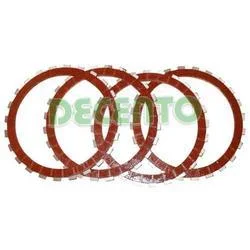
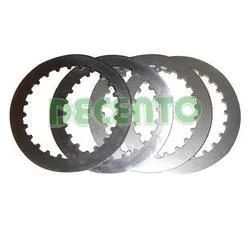
Hero Honda Premium OEM Clutch Plates Smooth Engagement & Reliable Fit
Anjana B. I. Wheeler Components
Premium Automotive Rocker Arms For High Performance Engines
Premium OEM Cylinder Blocks For 2 3 Wheelers Durable Aluminum Iron
Premium Ball Racer Engine Spare Parts For Automotive Durability
Paul Automobiles
PA 2501 9 Tooth CW Gear 15.9mm ID 29.6mm OD 58.3mm Length 4 Splines
Automotive Industrial Gear 11 CW Teeth 14.5mm ID 39.5mm OD 120.1mm Length
Automotive Industrial Precision Gear 12 Teeth 14.4mm ID 46.3mm OD 44.5mm Length
A To Z Spring Center
Industrial Thermocouple Wire Metal Standard New In Stock
Industrial OEM Zinc Steel Cold Rolled Galvanized Spring Steel Sheet
Industrial Wire Form Springs For Compression And Extension Applications
Anish Enterprises
Industrial Boiler Structure Fabrication Services For High Pressure
Industrial Deaerator Tanks For Steam Systems In Mild Steel
Premium Axle Bearing Components For Industrial Automotive Heavy Equipment
COSMO TECK
Heavy Duty Air Compressor For European American Japanese Korean Trucks
Premium Auto Cabin Cylinders For Trucks And Commercial Vehicles
Heavy Duty Cabin Pump For MAN DAF Volvo Scania Mercedes Benz Trucks
Why Businesses Trust Pepagora
Thousands of companies trust Pepagora to source smarter and sell faster
Expand Your Sales Globally
25000+Products listed.Get discovered by global buyers
Tools to boost visibility
Build your own catalog

Source Smarter,Grow Faster
4000+Active RFQs
100+ Countries served
Easy Sourcing Tools
