
 IN
INundefined
Cloth Cutting Machines
101 products available
𝗪𝗵𝗮𝘁 𝗮𝗿𝗲 𝗖𝗹𝗼𝘁𝗵 𝗖𝘂𝘁𝘁𝗶𝗻𝗴 𝗠𝗮𝗰𝗵𝗶𝗻𝗲𝘀?
Cloth cutting machines are specialized industrial tools designed for the precise cutting of fabric materials. These machines utilize various technologies to achieve clean and accurate cuts, making them essential in the textile and garment manufacturing sectors. By automating the cutting process, these machines enhance efficiency and reduce the potential for human error, leading to better material utilization and lower waste.
The primary uses of cloth cutting machines include the mass production of garments, upholstery, and other fabric-based products. They are commonly employed in factories, tailoring units, and design studios where precise cutting is crucial for quality and consistency. As the demand for customized clothing and rapid production cycles increases, these machines have become integral to maintaining competitive advantages in the textile industry.
In today's market, the relevance of cloth cutting machines is underscored by the growth of the fashion industry and the rise of e-commerce. Manufacturers are increasingly investing in advanced cutting technologies to meet the demands for speed and precision. As a result, cloth cutting machines are not only vital for traditional fabric industries but are also becoming essential in sectors such as home décor and automotive textiles.
𝗞𝗲𝘆 𝗙𝗲𝗮𝘁𝘂𝗿𝗲𝘀 𝗮𝗻𝗱 𝗦𝗽𝗲𝗰𝗶𝗳𝗶𝗰𝗮𝘁𝗶𝗼𝗻𝘀
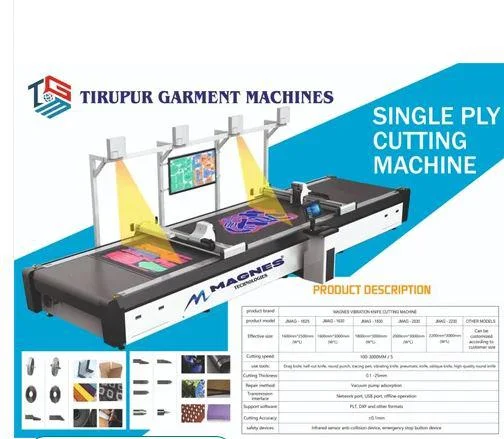
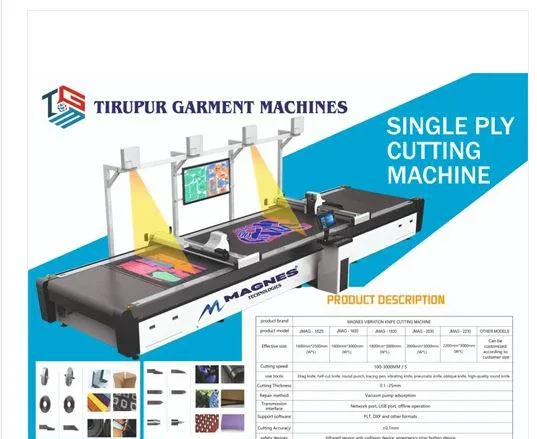
Cloth cutting machines come equipped with various features that cater to different cutting needs. These features often include advanced technologies that enhance performance and efficiency. Understanding these specifications can help businesses select the right machine for their operations.
Key specifications include:
1. Cutting Method
- Types can include rotary, laser, and die cutting.
- Each method offers different advantages depending on the fabric type and thickness.
2. Cutting Width
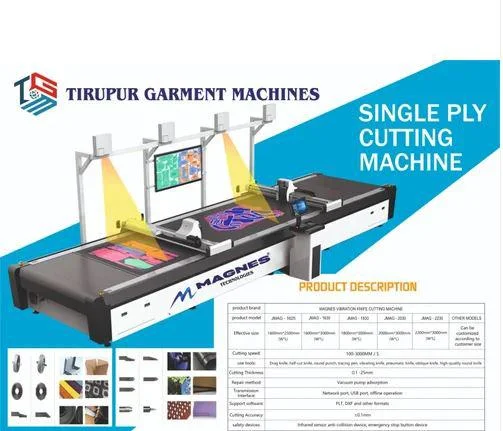
- Machines may have varying cutting widths typically ranging from 1 meter to 3 meters.
- This specification is crucial for accommodating different fabric sizes.
3. Speed
- Cutting speed can range from 10 to 50 meters per minute.
- Higher speeds can significantly improve production efficiency.
4. Automation Level
- Options include manual, semi-automatic, and fully automatic controls.
- Fully automatic machines require less operator intervention.
5. Precision
- Tolerance levels can be as low as 0.1 mm.
- High precision is essential for detailed design work.
6. Material Compatibility
- Capable of cutting various materials such as cotton, polyester, and blended fabrics.
- Some machines are designed for specific fabric types for optimal results.
7. Power Consumption
- Machines typically consume between 1 kW to 5 kW.
- Energy efficiency is a key consideration for long-term operational costs.
8. Safety Features
- Common safety features include emergency stop buttons and protective covers.
- These features are vital for ensuring operator safety during use.
Overall, understanding the key features and specifications of cloth cutting machines can aid businesses in making informed purchasing decisions that align with their operational needs.
𝗖𝗼𝗺𝗺𝗼𝗻 𝗔𝗽𝗽𝗹𝗶𝗰𝗮𝘁𝗶𝗼𝗻𝘀 𝗮𝗻𝗱 𝗨𝘀𝗲 𝗖𝗮𝘀𝗲𝘀
Cloth cutting machines are versatile tools used across various industries. Their ability to provide precise cuts makes them invaluable in multiple applications.
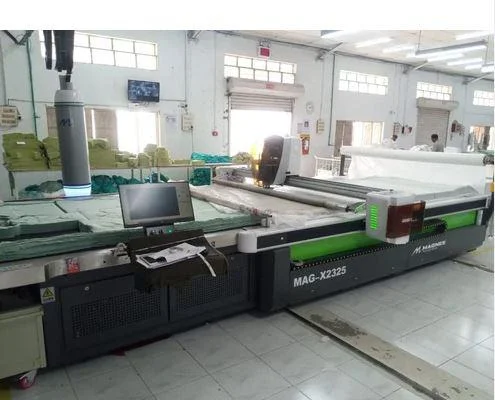
1. Textile Industry: In textile manufacturing, these machines are used for cutting large rolls of fabric into smaller pieces required for garment production, ensuring minimal waste and high efficiency.
2. Fashion Design: Fashion designers utilize cloth cutting machines to create prototypes and samples. The precision offered allows for intricate designs and patterns.
3. Upholstery: In the furniture industry, cloth cutting machines are employed to cut fabric for chairs, sofas, and other upholstered items, allowing for uniformity in production.
4. Automotive: In the automotive sector, these machines cut materials used in car seats and interiors, where durability and precision are paramount.
5. Home Décor: Manufacturers of curtains, bed linens, and other home textile products use cloth cutting machines to achieve consistent cuts for their products.
6. Sportswear: The sports apparel industry relies on cloth cutting machines to create tailored cuts that enhance performance and comfort in athletic wear.
7. Medical Textiles: In the healthcare industry, these machines cut specialized fabrics used in medical garments and equipment, ensuring compliance with safety standards.
𝗣𝗿𝗼𝗱𝘂𝗰𝘁 𝗩𝗮𝗿𝗶𝗮𝗻𝘁𝘀 𝗮𝗻𝗱 𝗦𝘂𝗯𝗰𝗮𝘁𝗲𝗴𝗼𝗿𝗶𝗲𝘀
Cloth cutting machines offer a range of variants, each designed to meet specific needs and applications within the industry.
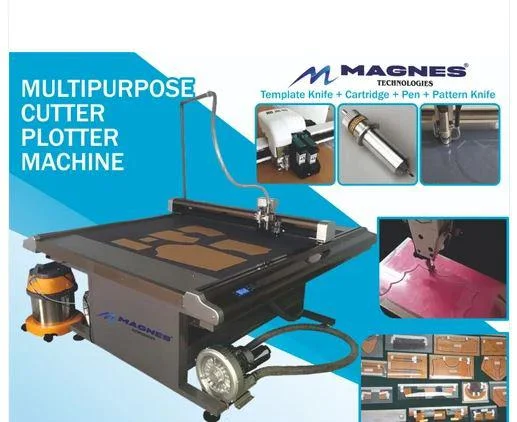
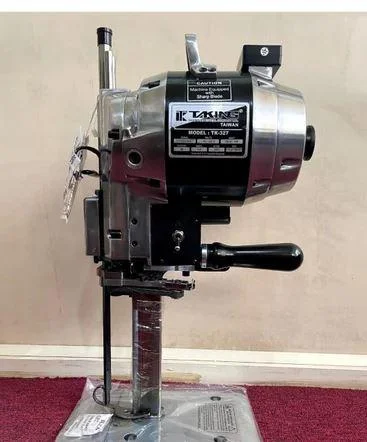
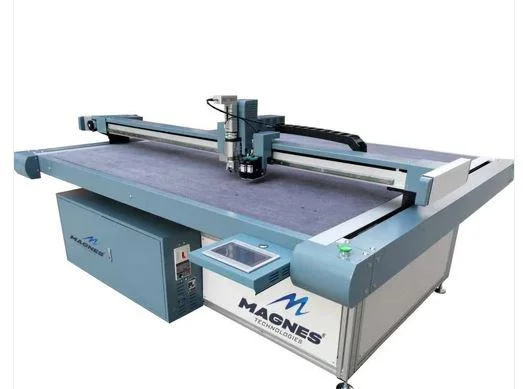
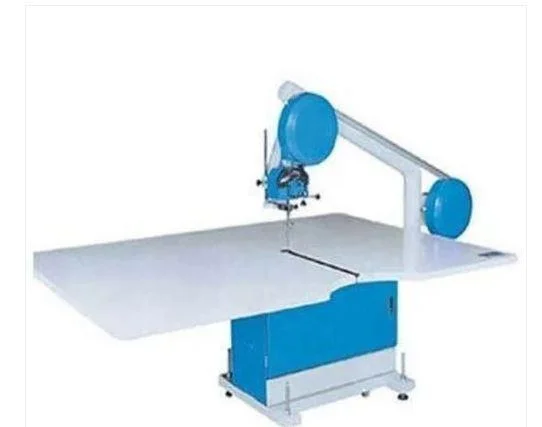
Rotary Cutting Machines: These machines use circular blades that rotate to cut fabric. They are ideal for cutting multiple layers of material simultaneously, making them popular in high-volume production settings.
Laser Cutting Machines: Utilizing laser technology, these machines provide exceptional precision and can cut intricate designs. They are suitable for delicate fabrics and complex patterns.
Die Cutting Machines: These machines use specialized dies to cut fabric into specific shapes. They are often used for repetitive tasks where uniformity is essential, such as in the production of components for garments.
𝗕𝗲𝗻𝗲𝗳𝗶𝘁𝘀 𝗮𝗻𝗱 𝗔𝗱𝘃𝗮𝗻𝘁𝗮𝗴𝗲𝘀
Investing in cloth cutting machines brings numerous benefits to businesses in the textile and garment industry.
Key benefits include:
1. Increased Efficiency: Automated cutting processes significantly reduce production time, allowing manufacturers to meet tight deadlines.
2. Cost Savings: By minimizing fabric waste through precise cutting, businesses can reduce material costs, leading to improved profit margins.
3. Enhanced Precision: These machines provide consistent and accurate cuts, ensuring high-quality products that meet customer expectations.
4. Versatility: Cloth cutting machines can handle a wide variety of fabrics and thicknesses, making them adaptable to various production needs.
5. Improved Safety: Modern machines come equipped with safety features that protect operators, reducing the risk of accidents and injuries.
6. Scalability: As production demands increase, businesses can scale operations easily by investing in additional machines or advanced models.
𝗕𝘂𝘆𝗶𝗻𝗴 𝗚𝘂𝗶𝗱𝗲 𝗳𝗼𝗿 𝗕𝟮𝗕 𝗕𝘂𝘆𝗲𝗿𝘀
When sourcing cloth cutting machines, it is essential for B2B buyers to consider several critical factors to ensure a suitable purchase.
1. Quality Assessment: Evaluate the quality of the machines by reviewing specifications and performance reports. Look for machines that meet industry standards for durability and efficiency.
2. Supplier Verification: Vet suppliers by checking their reputation and market presence. It is advisable to seek references or reviews from other businesses that have sourced machines from them.
3. Pricing and MOQ: Understand the pricing structure, including any minimum order quantities. Compare prices from different suppliers to ensure competitive pricing while considering the total cost of ownership.
4. Delivery and Lead Times: Inquire about delivery schedules and lead times. Timely delivery is crucial for maintaining production schedules and meeting customer demands.
5. Compliance Requirements: Ensure that the machines comply with relevant industry standards and regulations. This may include safety certifications and environmental compliance.
𝗖𝗼𝗺𝗽𝗹𝗶𝗮𝗻𝗰𝗲 𝗮𝗻𝗱 𝗖𝗲𝗿𝘁𝗶𝗳𝗶𝗰𝗮𝘁𝗶𝗼𝗻𝘀
Cloth cutting machines are subject to various compliance and certification requirements that ensure safety and quality standards are met.
Relevant quality standards such as ISO 9001 help guarantee that manufacturing processes are consistent and meet customer expectations. Compliance with HACCP and GDP ensures that machines used in food-related textiles adhere to safety protocols.
Industry certifications like CE indicate that the machines meet European safety and environmental requirements, which is crucial for international trade.
Additionally, safety and testing requirements necessitate regular inspections and assessments of machinery to ensure they operate safely and efficiently. Regional compliance considerations may vary, so it is essential to understand local regulations when sourcing machines.
𝗪𝗵𝘆 𝗦𝗼𝘂𝗿𝗰𝗲 𝗖𝗹𝗼𝘁𝗵 𝗖𝘂𝘁𝘁𝗶𝗻𝗴 𝗠𝗮𝗰𝗵𝗶𝗻𝗲𝘀 𝗳𝗿𝗼𝗺 𝗣𝗲𝗽𝗮𝗴𝗼𝗿𝗮?
Pepagora offers a trusted platform for sourcing cloth cutting machines, providing several key advantages for businesses.
Verified Supplier Network: Pepagora vets suppliers to ensure they meet high standards of quality and reliability. This gives buyers peace of mind when choosing a supplier.
Streamlined RFQ Process: The platform simplifies the request for quotation process, allowing buyers to quickly compare prices and specifications from multiple suppliers, saving time and effort.
Trade Assurance and Support: Pepagora provides trade assurance, protecting buyers in their transactions. The platform offers support to resolve any issues that may arise during the procurement process.
Regional Coverage: With a presence in India, the GCC, and Southeast Asia, Pepagora facilitates access to a broad market of suppliers, making it easier for businesses to find the right machines for their needs.
By utilizing Pepagora, businesses can confidently navigate the sourcing process for cloth cutting machines, ensuring they make informed decisions that align with their operational goals.
Newly Added



Recently Added
Vidhi Creations
Industrial Embroidery Machines For High Volume Textile Production
Industrial Laser Cutting And Marking Machines For Precision Manufacturing
Industrial Printing Machines For Labels Cement Bags PP Woven Bags
Aditya Industries
Automotive Springs High Durability Abrasion Resistant For Oil Engines
Industrial Compression Springs Durable Cost Effective OEM Applications
Railway Springs Heavy Duty Corrosion Resistant High Tensile Strength
Jl Pump Corporation
Textile Machinery Differential Units For Precise Speed Control
Industrial Automation Planetary Geared Motors High Torque Precision
Industrial Textile Machinery Spares For High Performance Reliability
A To Z Spring Center
Industrial Thermocouple Wire Metal Standard New In Stock
Industrial OEM Zinc Steel Cold Rolled Galvanized Spring Steel Sheet
Industrial Wire Form Springs For Compression And Extension Applications
Hardik Enterprise
Industrial Bullet Pleating Machine For Automotive And Machinery Sectors
Industrial Hazaro Pleating Machine With Dual 1 HP DC Motors For Textiles
Industrial Pleating Machine For Hot Setting Chemical Blend Fabrics
Iigm Pvt Ltd
Industrial Sewing Machines For Apparel And Upholstery Manufacturing
Unit Production System For Garment Textile Assembly Material Handling
IIGM Genuine Industrial Spare Parts For Machinery Maintenance
Paramount Instruments Pvt Ltd
Textile Quality Control Precision Shrinkage Tester For Fabric Dimensional Change
Textile Quality Control GSM Tester with Digital Calculator and Aluminum Build
Textile Quality Control Digital Pro Projection NxTM Fiber Testing Equipment
National Textile Traders
Industrial Rubber Products Textile Reinforcement Synthetic Rubber
Textile Spinning Production Line Automatic Ring Spinning Plastic Sliver Cans
Textile Carding Machine 50 120t/h DC Motor 500mm Feeder Standard
Lamachinotech
Industrial Batch Ovens For Thermal Processing Curing Drying Heating
Industrial Blowers 0.5 20 HP ID FD Fan Ventilation Exhaust
Industrial Conveyorized Ovens For Drying Curing Pre Heating
Anu Poly Craft
Wholesale Alstroemeria Flowers Long Vase Life Vibrant Colors
Farm Stay Services For Hospitality Distributors And Wholesalers
Farm Stay Service For Travel Agencies And Retreat Organizers
Why Businesses Trust Pepagora
Thousands of companies trust Pepagora to source smarter and sell faster
Expand Your Sales Globally
25000+Products listed.Get discovered by global buyers
Tools to boost visibility
Build your own catalog

Source Smarter,Grow Faster
4000+Active RFQs
100+ Countries served
Easy Sourcing Tools
