
 IN
INundefined
Circular Fashion Apparel
0 products available
𝗪𝗵𝗮𝘁 𝗮𝗿𝗲 𝗖𝗶𝗿𝗰𝘂𝗹𝗮𝗿 𝗙𝗮𝘀𝗵𝗶𝗼𝗻 𝗔𝗽𝗽𝗮𝗿𝗲𝗹?
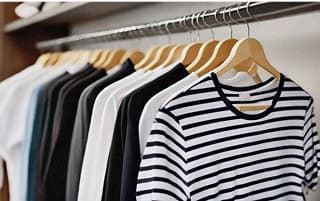
Circular Fashion Apparel refers to clothing designed and produced with sustainability in mind, focusing on reducing waste and promoting a circular economy. This approach encourages the use of materials that can be recycled or reused at the end of their life cycle, thereby minimizing environmental impact. Circular Fashion Apparel integrates practices such as designing for longevity, utilizing sustainable materials, and ensuring that garment production is efficient and eco-friendly.
The primary uses of Circular Fashion Apparel are in sectors such as retail, fashion, and industrial applications. Businesses are increasingly adopting these sustainable practices to meet consumer demand for environmentally responsible products. As markets shift towards sustainability, companies that embrace Circular Fashion Apparel can enhance their brand reputation, attract eco-conscious customers, and comply with new regulations aimed at reducing waste.
In the context of the growing global focus on sustainability, Circular Fashion Apparel is highly relevant across various industries. With the fashion industry being one of the largest contributors to waste, the integration of circular principles is crucial for long-term viability. Brands that invest in these practices are not only improving their operations but also contributing to broader environmental goals, making them competitive in a rapidly evolving marketplace.
𝗞𝗲𝘆 𝗙𝗲𝗮𝘁𝘂𝗿𝗲𝘀 𝗮𝗻𝗱 𝗦𝗽𝗲𝗰𝗶𝗳𝗶𝗰𝗮𝘁𝗶𝗼𝗻𝘀
Circular Fashion Apparel offers a range of features aimed at sustainability and performance. These specifications cater to various business needs and ensure that the apparel meets industry standards.
Key specifications include:
1. Material Composition
- Made from recycled or sustainably sourced fibers
- Examples include organic cotton, recycled polyester, and Tencel
2. Production Processes
- Utilizes eco-friendly manufacturing techniques
- Focus on reducing water usage and chemical waste
3. Durability
- Designed to last longer than conventional apparel
- Enhanced resistance to wear and tear
4. End-of-Life Options
- Garments can be recycled or composted
- Clear labeling on garment care and disposal
5. Certifications
- Compliant with industry standards such as CE and UL
- Assurance of quality and safety in materials
6. Customization Possibilities
- Options for personalized designs and sizes
- Flexibility to meet specific business requirements
7. Supply Chain Transparency
- Clear tracking of sourcing and production processes
- Assurance of ethical labor practices
8. Market Adaptability
- Versatile designs suitable for various demographics
- Ability to adapt to emerging fashion trends
In summary, Circular Fashion Apparel combines innovative materials and processes to create sustainable products that cater to the modern consumer's demands while supporting environmental initiatives.
𝗖𝗼𝗺𝗺𝗼𝗻 𝗔𝗽𝗽𝗹𝗶𝗰𝗮𝘁𝗶𝗼𝗻𝘀 𝗮𝗻𝗱 𝗨𝘀𝗲 𝗖𝗮𝘀𝗲𝘀
Circular Fashion Apparel is applicable in numerous industries, each leveraging its sustainable features.
1. Retail Fashion: Retailers are incorporating circular apparel lines to appeal to environmentally conscious consumers, emphasizing sustainability in their branding and marketing efforts.
2. Corporate Wear: Businesses are choosing circular apparel for employee uniforms, promoting a sustainable image while ensuring comfort and durability.
3. Sportswear: Athletic brands are integrating circular design principles to create high-performance apparel that can withstand rigorous use and is environmentally friendly.
4. Hospitality: Hotels and restaurants utilize circular fashion for staff uniforms, enhancing their sustainability initiatives and guest experiences.
5. Education: Schools and universities are adopting circular apparel for uniforms, promoting environmental awareness among students.
6. Non-profit Organizations: Many NGOs focus on sustainable fashion initiatives, using circular apparel to raise awareness and funds for environmental causes.
7. Outdoor Gear: Companies producing outdoor apparel are increasingly turning to circular design to create long-lasting, eco-friendly products that appeal to outdoor enthusiasts.
𝗣𝗿𝗼𝗱𝘂𝗰𝘁 𝗩𝗮𝗿𝗶𝗮𝗻𝘁𝘀 𝗮𝗻𝗱 𝗦𝘂𝗯𝗰𝗮𝘁𝗲𝗴𝗼𝗿𝗶𝗲𝘀
Circular Fashion Apparel encompasses a diverse array of product variants, each tailored to specific market needs.
Eco-Friendly Casual Wear
This variant includes everyday clothing made from sustainable materials. It combines comfort and style while reducing environmental impact, appealing to consumers who prioritize eco-conscious choices.
Sustainable Activewear
Designed for performance, this variant uses recycled materials to create durable and breathable clothing. It caters to fitness enthusiasts looking for sustainable options without compromising on quality.
Workwear Solutions
Circular workwear provides durable and functional apparel for various industries. This variant ensures that professionals can wear sustainable clothing while maintaining a polished appearance.
Fashion-Forward Items
This category includes trendy pieces that incorporate circular design principles. It attracts consumers who desire fashionable options that align with their sustainability values.
𝗕𝗲𝗻𝗲𝗳𝗶𝘁𝘀 𝗮𝗻𝗱 𝗔𝗱𝘃𝗮𝗻𝘁𝗮𝗴𝗲𝘀
Choosing Circular Fashion Apparel offers numerous advantages for businesses and consumers alike.
Key benefits include:
1. Environmental Sustainability: By utilizing recycled materials and sustainable practices, businesses can significantly reduce their carbon footprint.
2. Enhanced Brand Reputation: Companies that embrace circular fashion can enhance their market image and appeal to eco-conscious consumers.
3. Cost Efficiency: Sustainable production practices can lead to long-term savings on materials and waste management.
4. Compliance with Regulations: Adopting circular principles helps businesses meet increasing regulatory requirements focused on waste reduction.
5. Consumer Loyalty: Brands that prioritize sustainability often enjoy stronger customer loyalty, as consumers are more inclined to support businesses that align with their values.
6. Innovation Opportunities: The circular fashion model encourages creativity and innovation, leading to new product developments and market opportunities.
𝗕𝘂𝘆𝗶𝗻𝗴 𝗚𝘂𝗶𝗱𝗲 𝗳𝗼𝗿 𝗕𝟮𝗕 𝗕𝘂𝘆𝗲𝗿𝘀
When sourcing Circular Fashion Apparel, several key factors should be considered to ensure that the right products are chosen.
1. Quality Assessment: Evaluate the materials and construction of the apparel to ensure durability and sustainability. Look for certifications that validate quality.
2. Supplier Verification: Research and vet potential suppliers to confirm their commitment to sustainable practices. Request information on their sourcing and production processes.
3. Pricing and MOQ: Understand the pricing structures and minimum order quantities. Sustainable apparel may have different pricing compared to conventional options.
4. Delivery and Lead Times: Check logistics and delivery times to ensure timely availability of products. Efficient supply chains are crucial in maintaining business operations.
5. Compliance Requirements: Ensure that the apparel meets relevant industry standards and regulations. This is essential for maintaining safety and quality in products.
𝗖𝗼𝗺𝗽𝗹𝗶𝗮𝗻𝗰𝗲 𝗮𝗻𝗱 𝗖𝗲𝗿𝘁𝗶𝗳𝗶𝗰𝗮𝘁𝗶𝗼𝗻𝘀
Circular Fashion Apparel must adhere to several quality standards and certifications to ensure safety and sustainability.
Relevant quality standards include ISO 9001, which focuses on quality management systems, ensuring that manufacturers meet customer and regulatory requirements. Additionally, HACCP (Hazard Analysis Critical Control Point) guidelines are important for ensuring food safety in related apparel sectors.
Industry certifications such as CE and UL provide assurance that products meet specific safety and performance standards. These certifications are crucial for gaining customer trust and ensuring compliance with market demands.
Safety and testing requirements are paramount in the apparel industry, as they ensure that materials used do not pose health risks to consumers. Regular testing for harmful substances is essential.
Regional compliance considerations vary by market. Businesses must stay informed about local regulations related to sustainable practices and materials to ensure compliance and avoid potential penalties.
𝗪𝗵𝘆 𝗦𝗼𝘂𝗿𝗰𝗲 𝗖𝗶𝗿𝗰𝘂𝗹𝗮𝗿 𝗙𝗮𝘀𝗵𝗶𝗼𝗻 𝗔𝗽𝗽𝗮𝗿𝗲𝗹 𝗳𝗿𝗼𝗺 𝗣𝗲𝗽𝗮𝗴𝗼𝗿𝗮?
Pepagora provides a trusted platform for sourcing Circular Fashion Apparel, offering several key advantages to buyers.
Verified Supplier Network: Pepagora connects buyers with a network of verified suppliers who prioritize sustainable practices. This ensures that businesses can source high-quality products confidently.
Streamlined RFQ Process: The platform simplifies the request for quotation process, allowing buyers to easily compare prices and specifications from multiple suppliers. This efficiency saves time and resources.
Trade Assurance and Support: Pepagora offers trade assurance, protecting buyers against potential risks. This includes support throughout the purchasing process, ensuring a smooth transaction.
Regional Coverage: With a strong presence in key markets like India, GCC, and Southeast Asia, Pepagora facilitates access to a diverse range of Circular Fashion Apparel, catering to the needs of businesses across regions.
In conclusion, sourcing Circular Fashion Apparel from Pepagora not only enhances sustainability efforts but also provides a reliable and efficient purchasing experience.
Newly Added
Currently, no products are listed. Explore other categories listed below or post your buying request
Explore Verified Categories
Browse trusted industries powered by verified suppliers.
Recently Added









Why Businesses Trust Pepagora
Thousands of companies trust Pepagora to source smarter and sell faster
Expand Your Sales Globally
25000+Products listed.Get discovered by global buyers
Tools to boost visibility
Build your own catalog

Source Smarter,Grow Faster
4000+Active RFQs
100+ Countries served
Easy Sourcing Tools
