
 IN
INundefined
China Fabric Exporters
0 products available
𝗪𝗵𝗮𝘁 𝗮𝗿𝗲 𝗖𝗵𝗶𝗻𝗮 𝗙𝗮𝗯𝗿𝗶𝗰 𝗘𝘅𝗽𝗼𝗿𝘁𝗲𝗿𝘀?
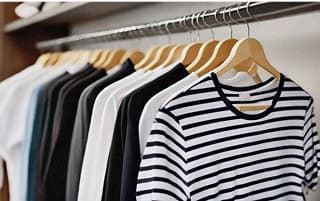
China Fabric Exporters are companies or manufacturers based in China that produce and supply various types of fabrics to international markets. These exporters specialize in a wide range of textile materials, including cotton, polyester, silk, and specialized industrial fabrics. Their operations typically involve sourcing raw materials, manufacturing the fabrics, and exporting them to buyers worldwide. This sector is crucial in the global textile supply chain, providing essential materials for numerous industries.
The primary uses of fabrics exported from China include apparel manufacturing, home textiles, and industrial applications. Businesses across the globe rely on these fabrics for making clothing, upholstery, curtains, and technical textiles used in automotive and medical applications. With China's strong manufacturing capabilities and competitive pricing, these exporters play a vital role in meeting the growing demand for textiles in various sectors.
In terms of industry relevance, China is one of the largest textile producers globally. The country's fabric exporters benefit from established supply chains, advanced technology, and skilled labor. As a result, they maintain a significant share of the international fabric market, catering to both large corporations and small businesses seeking quality textiles at competitive prices.
𝗞𝗲𝘆 𝗙𝗲𝗮𝘁𝘂𝗿𝗲𝘀 𝗮𝗻𝗱 𝗦𝗽𝗲𝗰𝗶𝗳𝗶𝗰𝗮𝘁𝗶𝗼𝗻𝘀
China Fabric Exporters offer a variety of fabrics with distinct features suitable for multiple applications. Understanding these key specifications helps buyers make informed decisions when sourcing materials.
Key specifications include:
1. Fabric Type
- Common types include cotton, polyester, silk, and blended fabrics.
- Each type has unique properties such as breathability, durability, and texture.
2. Weight
- Fabric weight typically ranges from lightweight (around 100-150 GSM) to heavy-duty (over 300 GSM).
- The weight impacts the fabric's suitability for different applications.
3. Width
- Standard fabric widths generally range from 36 inches to 60 inches or more.
- Wider fabrics are often used for larger projects like upholstery.
4. Color Fastness
- Fabrics often meet specific color fastness ratings to ensure longevity and resistance to fading.
- Ratings typically range from grade 1 (poor) to grade 5 (excellent).
5. Shrinkage Rate
- Fabrics are tested for shrinkage, with acceptable rates usually under 5%.
- This factor is crucial for maintaining the quality of finished products.
6. Certification Standards
- Many fabrics may be certified according to industry standards such as CE.
- Certification indicates compliance with safety and quality regulations.
7. Durability
- Fabrics are tested for durability, often exceeding standard wear and tear requirements.
- This quality is vital for industrial and heavy-use applications.
8. Eco-friendliness
- Some exporters offer eco-friendly fabrics made from sustainable materials.
- Certifications like Oeko-Tex can indicate a lower environmental impact.
In summary, understanding these key features and specifications allows buyers to select the right fabrics that meet their specific needs and industry standards.
𝗖𝗼𝗺𝗺𝗼𝗻 𝗔𝗽𝗽𝗹𝗶𝗰𝗮𝘁𝗶𝗼𝗻𝘀 𝗮𝗻𝗱 𝗨𝘀𝗲 𝗖𝗮𝘀𝗲𝘀
China Fabric Exporters provide fabrics that are utilized in a wide range of industries. Each sector has unique requirements and applications for these textiles.
1. Apparel Industry: Fabrics are primarily used for creating garments ranging from casual wear to formal attire. The quality and variety of fabrics influence fashion trends and consumer preferences.
2. Home Textiles: Fabrics are used in products like curtains, upholstery, and bed linens. The choice of fabric can enhance aesthetics and comfort in residential and commercial spaces.
3. Automotive Sector: Technical fabrics are employed in vehicle interiors, including seat covers and headliners. These fabrics must meet strict durability and safety standards.
4. Medical Field: Specialized fabrics are utilized in healthcare applications such as gowns, drapes, and other protective gear. These textiles often require compliance with hygiene and safety regulations.
5. Technical Textiles: Fabrics are used in industrial applications for products such as tarpaulins, geotextiles, and filtration materials. These fabrics must exhibit high strength and resistance to environmental factors.
6. Sports and Outdoor Gear: Fabrics are engineered for performance in athletic wear and outdoor equipment. Features like moisture-wicking and breathability are critical for these applications.
7. Industrial Workwear: Durable fabrics are essential for manufacturing uniforms and protective clothing. The emphasis is on safety, comfort, and long-lasting wear.
𝗣𝗿𝗼𝗱𝘂𝗰𝘁 𝗩𝗮𝗿𝗶𝗮𝗻𝘁𝘀 𝗮𝗻𝗱 𝗦𝘂𝗯𝗰𝗮𝘁𝗲𝗴𝗼𝗿𝗶𝗲𝘀
China Fabric Exporters offer a diverse range of fabric variants catering to different needs and preferences. Each variant provides unique characteristics and applications.
Cotton Fabrics
Cotton fabrics are known for their softness, breathability, and versatility. They are commonly used in apparel, home textiles, and baby products. Their natural properties make them a popular choice for consumers seeking comfort.
Polyester Fabrics
Polyester fabrics are prized for their durability, wrinkle resistance, and ease of care. They are widely used in sportswear and outdoor textiles due to their ability to withstand wear and tear while maintaining their shape.
Silk Fabrics
Silk fabrics offer a luxurious feel and shine, making them ideal for high-end fashion and formal wear. Their lightweight nature and drape add elegance to garments, catering to the luxury market.
Technical Fabrics
Technical fabrics are engineered for specific purposes, often used in industrial and medical applications. They may include water-resistant, flame-retardant, or antimicrobial properties tailored for specialized uses.
𝗕𝗲𝗻𝗲𝗳𝗶𝘁𝘀 𝗮𝗻𝗱 𝗔𝗱𝘃𝗮𝗻𝘁𝗮𝗴𝗲𝘀
Sourcing from China Fabric Exporters brings numerous advantages for businesses looking for quality textiles.
1. Competitive Pricing: China’s large-scale manufacturing capabilities often result in lower production costs, providing significant savings for buyers.
2. Wide Variety: Exporters offer an extensive range of fabrics, catering to diverse industries and applications, ensuring that buyers find the right material for their needs.
3. Fast Turnaround: Many Chinese fabric exporters are equipped to handle large orders with quick lead times, enabling businesses to meet tight production schedules.
4. Quality Assurance: Reputable exporters adhere to international quality standards, ensuring that buyers receive consistent and reliable products.
5. Customization Options: Many exporters offer customization services, allowing businesses to tailor fabrics according to specific designs, sizes, or features.
6. Strong Supply Chain: China’s well-established supply chain for textiles ensures that materials are readily available and can be delivered efficiently.
𝗕𝘂𝘆𝗶𝗻𝗴 𝗚𝘂𝗶𝗱𝗲 𝗳𝗼𝗿 𝗕𝟮𝗕 𝗕𝘂𝘆𝗲𝗿𝘀
When sourcing China Fabric Exporters, several factors should be considered to ensure a successful purchasing experience.
1. Quality Assessment: Evaluate the quality of fabrics by requesting samples and reviewing certifications. Quality criteria should include durability, color fastness, and compliance with industry standards.
2. Supplier Verification: Conduct background checks on potential suppliers to confirm their reputation, reliability, and manufacturing capabilities. This includes checking references and previous client feedback.
3. Pricing and MOQ: Understand the pricing structure and minimum order quantities (MOQ) required by suppliers. This knowledge helps in budgeting and inventory management.
4. Delivery and Lead Times: Discuss delivery schedules and lead times upfront to avoid delays. Reliable exporters should provide clear timelines for order fulfillment.
5. Compliance Requirements: Be aware of compliance and regulatory standards pertinent to your industry. Ensure that the fabrics meet necessary safety and environmental regulations.
𝗖𝗼𝗺𝗽𝗹𝗶𝗮𝗻𝗰𝗲 𝗮𝗻𝗱 𝗖𝗲𝗿𝘁𝗶𝗳𝗶𝗰𝗮𝘁𝗶𝗼𝗻𝘀
Compliance and certifications are crucial aspects of sourcing fabric from China. Many exporters adhere to international quality standards, ensuring that their products meet specific safety and performance criteria.
ISO 9001 is a widely recognized standard that outlines quality management systems. Manufacturers that comply with this standard demonstrate their commitment to producing high-quality products consistently.
CE certification is essential for fabrics intended for use in the European market. This certification indicates that the product meets health, safety, and environmental protection requirements.
Safety and testing requirements vary based on the intended application of the fabric. For instance, medical textiles must undergo rigorous testing to ensure they are safe for healthcare use.
Regional compliance considerations are also important, as different countries may have specific regulations regarding textile imports. Exporters should understand and meet these requirements to facilitate smooth transactions.
𝗪𝗵𝘆 𝗦𝗼𝘂𝗿𝗰𝗲 𝗖𝗵𝗶𝗻𝗮 𝗙𝗮𝗯𝗿𝗶𝗰 𝗘𝘅𝗽𝗼𝗿𝘁𝗲𝗿𝘀 𝗳𝗿𝗼𝗺 𝗣𝗲𝗽𝗮𝗴𝗼𝗿𝗮?
Pepagora provides a trusted platform for sourcing China Fabric Exporters, offering several key advantages for B2B buyers.
Verified Supplier Network: Pepagora has established a robust network of verified suppliers, ensuring that buyers can confidently source quality fabrics from reputable manufacturers.
Streamlined RFQ Process: The request for quotation (RFQ) process is designed to be straightforward, allowing buyers to receive competitive quotes from multiple suppliers efficiently.
Trade Assurance and Support: Pepagora offers trade assurance and support services to protect buyers throughout the purchasing process. This includes mediation and dispute resolution to enhance buyer confidence.
Regional Coverage: With a strong presence in regions like India, the GCC, and Southeast Asia, Pepagora facilitates connections between buyers and suppliers in various markets, ensuring comprehensive access to fabric options.
By leveraging these advantages, businesses can source high-quality fabrics from China with confidence and ease.
Newly Added
Currently, no products are listed. Explore other categories listed below or post your buying request
Explore Verified Categories
Browse trusted industries powered by verified suppliers.
Recently Added










Why Businesses Trust Pepagora
Thousands of companies trust Pepagora to source smarter and sell faster
Expand Your Sales Globally
25000+Products listed.Get discovered by global buyers
Tools to boost visibility
Build your own catalog

Source Smarter,Grow Faster
4000+Active RFQs
100+ Countries served
Easy Sourcing Tools
