
 IN
INundefined
Chiller & Cooling Tower Setup
3 products available
𝗪𝗵𝗮𝘁 𝗮𝗿𝗲 𝗖𝗵𝗶𝗹𝗹𝗲𝗿 & 𝗖𝗼𝗼𝗹𝗶𝗻𝗴 𝗧𝗼𝘄𝗲𝗿 𝗦𝗲𝘁𝘂𝗽?
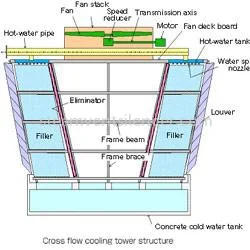
Chiller and cooling tower setups are systems designed to remove heat from industrial processes and buildings. A chiller operates by circulating a refrigerant through a closed loop, absorbing heat from the environment and releasing it through a cooling tower. The cooling tower then dissipates this heat into the atmosphere, typically by using water evaporation. This dual-function system is essential for maintaining optimal temperatures in various applications.
The primary uses of chiller and cooling tower setups span across industries such as manufacturing, pharmaceuticals, data centers, and HVAC systems. They are crucial for environments that require precise temperature control, ensuring that equipment operates efficiently and safely. By regulating temperatures, these systems help to preserve product quality and enhance operational efficiency. The growing demand for energy-efficient solutions further elevates the importance of these setups in the industrial market.
Industry relevance is underscored by the increasing need for sustainable cooling solutions. As regulatory standards evolve, businesses are compelled to adopt technologies that minimize energy consumption and environmental impact. This trend positions chiller and cooling tower setups as vital components in modern industrial practices, driving innovation and compliance across various sectors.
𝗞𝗲𝘆 𝗙𝗲𝗮𝘁𝘂𝗿𝗲𝘀 𝗮𝗻𝗱 𝗦𝗽𝗲𝗰𝗶𝗳𝗶𝗰𝗮𝘁𝗶𝗼𝗻𝘀
Chiller and cooling tower setups are characterized by several critical features and specifications that enhance their performance and reliability. Understanding these specifications is essential for B2B buyers looking to make informed decisions.
Key specifications include:
1. Cooling Capacity
- Measured in tons or kilowatts, this indicates the amount of heat the system can remove per hour.
- Typical capacities range from small units for commercial use to large systems for industrial applications.
2. Energy Efficiency Ratio (EER)
- This metric evaluates the cooling output relative to the energy consumed.
- A higher EER indicates a more efficient cooling system, reducing operational costs.
3. Water Flow Rate
- The volume of water circulated through the cooling tower per minute.
- Essential for determining the cooling tower’s performance and suitability for specific applications.
4. Operating Temperature Range
- The range of temperatures at which the chiller and cooling tower can function effectively.
- Important for applications requiring precise thermal management.
5. Material Construction
- Common materials include stainless steel, fiberglass, and galvanized steel, impacting durability and resistance to corrosion.
6. Noise Levels
- Measured in decibels, this indicates the sound produced by the cooling tower during operation.
- Lower noise levels are preferable for installations in noise-sensitive areas.
7. Control Systems
- Advanced setups may include automated controls for optimizing performance and energy usage.
- Integration with building management systems can enhance operational efficiency.
8. Maintenance Requirements
- Regular maintenance protocols needed to ensure system reliability and longevity.
- Consideration of ease of access for servicing can influence the total cost of ownership.
In summary, understanding these specifications and features is crucial for businesses seeking to implement efficient and effective chiller and cooling tower setups.
𝗖𝗼𝗺𝗺𝗼𝗻 𝗔𝗽𝗽𝗹𝗶𝗰𝗮𝘁𝗶𝗼𝗻𝘀 𝗮𝗻𝗱 𝗨𝘀𝗲 𝗖𝗮𝘀𝗲𝘀
Chiller and cooling tower setups serve a diverse range of industries, providing essential cooling solutions for various applications.
1. Manufacturing: In manufacturing facilities, chillers are employed to cool machinery and maintain optimal temperatures during production processes, reducing the risk of overheating and equipment failure.
2. Pharmaceuticals: The pharmaceutical industry relies on precise temperature control for the storage and processing of sensitive compounds, ensuring product integrity and compliance with regulatory standards.
3. Data Centers: Chillers and cooling towers are critical in data centers, managing the heat generated by servers and ensuring uninterrupted operation of IT infrastructure.
4. Food and Beverage: In this sector, chillers help maintain low temperatures for food storage and processing, preserving freshness and extending shelf life.
5. HVAC Systems: Chiller and cooling tower setups are integral to large HVAC systems, providing efficient cooling for commercial buildings and enhancing indoor air quality.
6. Chemical Processing: The chemical industry often requires precise temperature control for reactions and product storage, making reliable cooling systems essential.
7. Power Generation: In power plants, chillers are used to manage heat from turbines and other equipment, contributing to overall operational efficiency.
𝗣𝗿𝗼𝗱𝘂𝗰𝘁 𝗩𝗮𝗿𝗶𝗮𝗻𝘁𝘀 𝗮𝗻𝗱 𝗦𝘂𝗯𝗰𝗮𝘁𝗲𝗴𝗼𝗿𝗶𝗲𝘀
Chiller and cooling tower setups come in various configurations, allowing businesses to select the system that best fits their specific needs.
Air-Cooled Chillers: These systems use ambient air to dissipate heat and are ideal for applications with limited space. They are often easier to install and maintain.
Water-Cooled Chillers: These units use water from cooling towers to remove heat, making them more efficient for larger industrial applications where space is available.
Modular Chillers: Designed for scalability, these chillers can be combined to meet varying cooling demands. They offer flexibility for businesses experiencing growth.
𝗕𝗲𝗻𝗲𝗳𝗶𝘁𝘀 𝗮𝗻𝗱 𝗔𝗱𝘃𝗮𝗻𝘁𝗮𝗴𝗲𝘀
Investing in chiller and cooling tower setups offers numerous advantages that can enhance operational efficiency and reduce costs.
1. Energy Efficiency: These systems are designed to optimize energy consumption, leading to lower utility bills for businesses.
2. Improved Process Reliability: By maintaining stable temperatures, chillers and cooling towers help ensure that industrial processes run smoothly without interruption.
3. Enhanced Product Quality: In industries such as food and pharmaceuticals, precise temperature control is crucial for preserving product quality and safety.
4. Reduced Environmental Impact: Modern systems are designed with sustainability in mind, minimizing water and energy usage while complying with environmental regulations.
5. Lower Maintenance Costs: Advanced designs often require less frequent maintenance, reducing downtime and associated costs.
6. Versatility: Chiller and cooling tower setups can be tailored to various applications, providing solutions across multiple industries.
𝗕𝘂𝘆𝗶𝗻𝗴 𝗚𝘂𝗶𝗱𝗲 𝗳𝗼𝗿 𝗕𝟮𝗕 𝗕𝘂𝘆𝗲𝗿𝘀
When sourcing chiller and cooling tower setups, businesses should consider several key factors to ensure they make informed purchasing decisions.
1. Quality Assessment: Evaluate the materials and construction of the systems to ensure they meet industry standards and are capable of withstanding operational demands.
2. Supplier Verification: Verify the reputation and reliability of suppliers by reviewing their track record, customer feedback, and compliance with industry certifications.
3. Pricing and MOQ: Consider the overall cost, including installation and maintenance, as well as the minimum order quantity to ensure it aligns with budget constraints.
4. Delivery and Lead Times: Understand the logistics involved in the delivery of the units, including lead times that could impact project timelines.
5. Compliance Requirements: Ensure the selected systems meet relevant regulatory and safety standards, including energy efficiency and environmental impact guidelines.
𝗖𝗼𝗺𝗽𝗹𝗶𝗮𝗻𝗰𝗲 𝗮𝗻𝗱 𝗖𝗲𝗿𝘁𝗶𝗳𝗶𝗰𝗮𝘁𝗶𝗼𝗻𝘀
Chiller and cooling tower setups must adhere to various quality standards and certifications that ensure their reliability and safety.
ISO 9001: This standard outlines quality management principles that manufacturers should follow, ensuring consistent quality in production processes.
CE Certification: This certification indicates that the product meets European safety, health, and environmental protection standards, making it suitable for use in the EU market.
Safety and Testing Requirements: Regular testing and safety assessments are necessary to ensure the systems operate within safe parameters and reduce risks associated with malfunction.
Regional Compliance Considerations: Different regions may have specific regulations regarding energy efficiency and environmental impact, which must be considered when selecting systems for different markets.
𝗪𝗵𝘆 𝗦𝗼𝘂𝗿𝗰𝗲 𝗖𝗵𝗶𝗹𝗹𝗲𝗿 & 𝗖𝗼𝗼𝗹𝗶𝗻𝗴 𝗧𝗼𝘄𝗲𝗿 𝗦𝗲𝘁𝘂𝗽 𝗳𝗿𝗼𝗺 𝗣𝗲𝗽𝗮𝗴𝗼𝗿𝗮?
Pepagora provides a trusted platform for sourcing chiller and cooling tower setups, offering several key advantages for B2B buyers.
Verified Supplier Network: Pepagora connects buyers with a network of verified suppliers, ensuring that businesses can source high-quality products with confidence.
Streamlined RFQ Process: The platform offers an efficient request for quotation system, allowing buyers to receive competitive pricing and options tailored to their specific needs.
Trade Assurance and Support: Pepagora provides trade assurance, ensuring that buyers are protected throughout the sourcing process. With dedicated support, businesses can navigate their purchasing decisions with ease.
Regional Coverage: With a focus on markets in India, the GCC, and Southeast Asia, Pepagora offers extensive regional coverage, connecting buyers with suppliers who understand local requirements and standards.
By leveraging these advantages, businesses can make informed decisions when sourcing chiller and cooling tower setups, ensuring they meet their operational needs and compliance standards.
Newly Added



Recently Added
Gireesh Heat Exchangers & Cooling Towers
Industrial FRP Cooling Tower Bottle Shape 4C To 20C
Industrial Cooling Tower Spares High Quality Durable Performance
Industrial Copper Water Chillers For Food Processing And Plastics
Chill Tech Engineers Private Limited
Industrial Microprocessor Controller For HVAC Water Treatment Automation
Industrial Metal Heat Treatment Services For Manufacturing
Professional Ventilation Services For Commercial And Domestic Spaces
Divy Refri, Air Conditioner & Engineering
Industrial Machine Chillers For Precision Cooling And Durability
Industrial Automation Control Panels For Reliable Safety Integration
Dairy Farm Milk Chilling Units Rapid Cooling Energy Efficient
Baffles Cooling Systems
Industrial Steam Vent Silencer ASME Rugged Heat Resistant 800C
Industrial Air Vent Silencer Rugged ANSI Standard 800C Heat Resistant
Industrial Drum Safety Valve Vent Silencer ANSI Aluminum Paint 800C
Why Businesses Trust Pepagora
Thousands of companies trust Pepagora to source smarter and sell faster
Expand Your Sales Globally
25000+Products listed.Get discovered by global buyers
Tools to boost visibility
Build your own catalog

Source Smarter,Grow Faster
4000+Active RFQs
100+ Countries served
Easy Sourcing Tools
