
 IN
INundefined
Chili & Capsicum Seeds
5 products available
𝗪𝗵𝗮𝘁 𝗮𝗿𝗲 𝗖𝗵𝗶𝗹𝗶 & 𝗖𝗮𝗽𝘀𝗶𝗰𝘂𝗺 𝗦𝗲𝗲𝗱𝘀?
Chili and capsicum seeds are the seeds derived from various species of the Capsicum plant. These seeds are vital for the cultivation of chili peppers and sweet peppers, which are popular in culinary applications worldwide. The seeds contain the genetic material required for plant reproduction and growth, ensuring the continuation of desirable traits such as flavor, heat levels, and yield potential.
These seeds have extensive applications across multiple sectors, including agriculture, food production, and horticulture. In the agricultural industry, farmers rely on these seeds to grow high-yielding chili and capsicum varieties for both domestic consumption and export. In the food industry, they play a critical role in the production of sauces, spices, and other food products. The market for chili and capsicum seeds is expanding due to increasing global demand for spicy foods and the growing popularity of organic farming practices.
The chili and capsicum seed market is significant within the agricultural sector, driven by trends in plant-based diets and the focus on sustainable farming. Countries with favorable climates for pepper cultivation, such as India, Mexico, and the United States, are leading producers. The relevance of these seeds is highlighted by their contribution to food security and the economic benefits they provide to farmers and suppliers.
𝗞𝗲𝘆 𝗙𝗲𝗮𝘁𝘂𝗿𝗲𝘀 𝗮𝗻𝗱 𝗦𝗽𝗲𝗰𝗶𝗳𝗶𝗰𝗮𝘁𝗶𝗼𝗻𝘀
Chili and capsicum seeds come with specific features that cater to various agricultural needs. Understanding these specifications is essential for making informed purchasing decisions.
Key specifications include:
1. Seed Variety
- Different varieties are available, including hot chili and sweet capsicum.
- Each variety has unique flavor profiles and growth characteristics.
2. Germination Rate
- A critical factor indicating seed viability.
- A high germination rate typically ranges from 85% to 95%.
3. Seed Size
- Varies by type; chili seeds are generally smaller than capsicum seeds.
- Seed size impacts planting density and yield.
4. Heat Level
- Measured in Scoville Heat Units (SHU).
- Varieties range from mild to extremely hot.
5. Growth Habit
- Includes determinate and indeterminate growth types.
- Affects plant management and harvesting strategies.
6. Disease Resistance
- Some seeds are bred for resistance to common plant diseases.
- This feature helps reduce crop loss and minimizes pesticide use.
7. Harvest Time
- Duration from planting to harvest varies by variety.
- Typically ranges from 70 to 120 days.
8. Packaging
- Seeds are available in various packaging options, including bulk and retail.
- Proper packaging ensures seed integrity and longevity.
In summary, understanding these key features and specifications enables buyers to select the right chili and capsicum seeds for their specific agricultural needs.
𝗖𝗼𝗺𝗺𝗼𝗻 𝗔𝗽𝗽𝗹𝗶𝗰𝗮𝘁𝗶𝗼𝗻𝘀 𝗮𝗻𝗱 𝗨𝘀𝗲 𝗖𝗮𝘀𝗲𝘀
Chili and capsicum seeds are widely used across many industries, reflecting their versatility and importance in food production.
1. Agriculture: Farmers cultivate these seeds to produce crops for local markets and export. High-yield varieties are essential for maximizing profits.
2. Food Processing: The food industry utilizes these seeds to create a range of products, including sauces, salsas, and spice blends. The unique flavors enhance culinary offerings.
3. Horticulture: Gardeners and landscapers use capsicum seeds for ornamental purposes, as many varieties produce vibrant fruits that enhance garden aesthetics.
4. Nutraceuticals: Research indicates that compounds in chili peppers may offer health benefits, leading to their inclusion in dietary supplements and health foods.
5. Culinary Arts: Chefs and home cooks use fresh peppers grown from these seeds to create flavorful dishes, underscoring the seeds' importance in gastronomy.
6. Export Markets: Countries with surplus production export chili and capsicum seeds, contributing to the global spice trade.
7. Organic Farming: With the rise of organic agriculture, there is a growing demand for organic chili and capsicum seeds that meet stringent certification requirements.
𝗣𝗿𝗼𝗱𝘂𝗰𝘁 𝗩𝗮𝗿𝗶𝗮𝗻𝘁𝘀 𝗮𝗻𝗱 𝗦𝘂𝗯𝗰𝗮𝘁𝗲𝗴𝗼𝗿𝗶𝗲𝘀
Chili and capsicum seeds come in various variants, each suited for different growing conditions and market needs.
Hot Chili Varieties
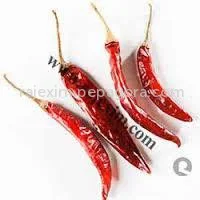
These varieties are known for their high heat levels. They are commonly used in sauces, spice mixes, and dishes that require a spicy kick. Their cultivation is often preferred in regions with warmer climates.
Sweet Capsicum Varieties
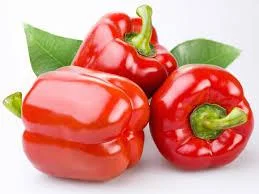
Sweet capsicum seeds produce bell peppers and other mild varieties. These seeds are ideal for fresh consumption, cooking, or processing into products like stuffed peppers and salads.
Hybrid Varieties
Hybrid seeds are engineered for specific traits, such as improved disease resistance, higher yields, and uniformity. These seeds are popular among commercial growers seeking consistent production.
Open-Pollinated Varieties
These seeds allow for natural pollination and are often favored by organic farmers. They provide a reliable way to save seeds for future planting while maintaining genetic diversity.
𝗕𝗲𝗻𝗲𝗳𝗶𝘁𝘀 𝗮𝗻𝗱 𝗔𝗱𝘃𝗮𝗻𝘁𝗮𝗴𝗲𝘀
Sourcing chili and capsicum seeds offers numerous advantages for businesses involved in agriculture and food production.
Key benefits include:
1. Increased Yields: High-quality seeds lead to better crop performance, maximizing the harvest quantity and quality.
2. Diverse Options: The availability of various seed types allows businesses to choose the best fit for their local climates and market demands.
3. Enhanced Flavor: Seeds from reputable sources produce peppers with superior taste profiles, appealing to consumers' preferences.
4. Disease Resistance: Many seeds are bred to resist common diseases, reducing the need for chemical treatments and increasing sustainability.
5. Economic Viability: Investing in quality seeds can lead to higher profitability through reduced crop failures and greater market demand.
6. Sustainability: Sourcing seeds that are adapted to local conditions contributes to more sustainable agricultural practices and reduced environmental impact.
𝗕𝘂𝘆𝗶𝗻𝗴 𝗚𝘂𝗶𝗱𝗲 𝗳𝗼𝗿 𝗕𝟮𝗕 𝗕𝘂𝘆𝗲𝗿𝘀
When sourcing chili and capsicum seeds, B2B buyers should consider several critical factors to ensure they make informed purchasing decisions.
1. Quality Assessment: Evaluate the seed's germination rate and overall health to ensure high-quality produce. Consider suppliers with established reputations for providing reliable seeds.
2. Supplier Verification: Research potential suppliers to confirm their credibility and track record. Look for reviews or testimonials from other businesses to gauge reliability.
3. Pricing and MOQ: Understand the pricing structure and minimum order quantities (MOQ) required for bulk purchases. Negotiate terms that fit your budget and operational needs.
4. Delivery and Lead Times: Confirm delivery schedules and lead times to ensure timely planting and production cycles. Discuss logistics with suppliers to avoid delays.
5. Compliance Requirements: Ensure that the seeds meet local agricultural regulations and quality standards. Familiarize yourself with any certifications required for import or sale.
𝗖𝗼𝗺𝗽𝗹𝗶𝗮𝗻𝗰𝗲 𝗮𝗻𝗱 𝗖𝗲𝗿𝘁𝗶𝗳𝗶𝗰𝗮𝘁𝗶𝗼𝗻𝘀
Compliance and certifications play a crucial role in the chili and capsicum seed industry. Adhering to quality standards ensures that seeds meet the necessary requirements for agricultural use.
ISO 9001 is a quality management standard that ensures consistent quality in the production processes of chili and capsicum seeds. Suppliers who comply with this standard demonstrate their commitment to quality management and customer satisfaction.
HACCP (Hazard Analysis and Critical Control Points) is essential for businesses involved in food production. It ensures that seeds are produced under safe conditions, minimizing risks associated with contamination.
CE certification indicates that products meet European safety, health, and environmental protection standards. This certification is crucial for suppliers looking to access European markets.
Safety and testing requirements are also important, as they ensure seeds are free from pathogens and other harmful substances. Regular testing and adherence to regional compliance considerations are vital for maintaining product integrity.
𝗪𝗵𝘆 𝗦𝗼𝘂𝗿𝗰𝗲 𝗖𝗵𝗶𝗹𝗶 & 𝗖𝗮𝗽𝘀𝗶𝗰𝘂𝗺 𝗦𝗲𝗲𝗱𝘀 𝗳𝗿𝗼𝗺 𝗣𝗲𝗽𝗮𝗴𝗼𝗿𝗮?
Pepagora serves as a reliable platform for sourcing chili and capsicum seeds, offering several key advantages to B2B buyers.
Verified Supplier Network: Pepagora connects buyers with a network of verified suppliers who have undergone rigorous vetting processes. This ensures that buyers can source high-quality seeds with confidence.
Streamlined RFQ Process: The platform features an efficient Request for Quotation (RFQ) system that simplifies the procurement process. Buyers can easily compare quotes and select the best options for their needs.
Trade Assurance and Support: Pepagora provides trade assurance for buyers, protecting their investments and ensuring that suppliers meet their commitments. The platform offers support to resolve any issues that may arise during the purchasing process.
Regional Coverage: Pepagora has a strong presence in key markets such as India, the GCC, and Southeast Asia. This geographic reach allows buyers to connect with local suppliers, enhancing accessibility and reducing shipping times.
By choosing Pepagora for sourcing chili and capsicum seeds, businesses can benefit from a trusted network and a streamlined procurement experience, ultimately supporting their growth and success in the market.
Newly Added


Recently Added
Vel Exports
Organic Fresh Small Cucumbers Non Peeled Green Fully Mature
Premium Organic Fresh Tomatoes Rich Flavor Long Shelf Life
Premium Organic Fresh Young Ginger Root For Food Beverage Health
Madex Business House
Organic Cumin Seeds High Grade Spicy Root For Food Pharma
Organic Cinnamon Root High Grade Spicy 100% Pure Long Shelf Life
Organic Long Pepper Root Spicy High Grade Black Seed
Bharti Seeds Private Limited
Commercial Farming Meenakshi Hybrid Tomato Seeds For Distribution
Commercial High Yield Hybrid Tomato Seeds 80 90g Fruits Firm Transport Friendly
Hybrid Rekha Chilli Seeds Long Smooth Light Green High Yield
Raj Exim
Premium Granite Slabs For Construction And Interior Design
Premium Dried Field Corn Maize Kernels Yellow Open Air Cultivation
Organic Dried Chickpeas Bulk Seasoned High Fiber
Why Businesses Trust Pepagora
Thousands of companies trust Pepagora to source smarter and sell faster
Expand Your Sales Globally
25000+Products listed.Get discovered by global buyers
Tools to boost visibility
Build your own catalog

Source Smarter,Grow Faster
4000+Active RFQs
100+ Countries served
Easy Sourcing Tools
