
 IN
INundefined
Cherries
2 products available
𝗪𝗵𝗮𝘁 𝗮𝗿𝗲 𝗖𝗵𝗲𝗿𝗿𝗶𝗲𝘀?
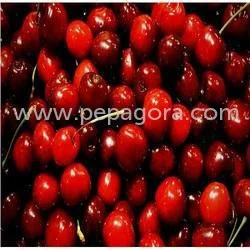
Cherries are small, round fruits that belong to the genus Prunus. They come in various colors, including red, yellow, and black, and are known for their sweet or tart flavor. Cherries grow on trees and are typically harvested in late spring to early summer. This fruit is not only popular for its taste but also for its nutritional benefits, including vitamins, antioxidants, and dietary fiber.
In the business context, cherries are widely used in food and beverage industries. They are processed into jams, jellies, juices, and desserts, and are also a popular ingredient in baking. Fresh cherries are often sold in grocery stores and markets. The global cherry market has seen significant growth, driven by increasing consumer demand for healthy and natural snacks. This trend is particularly relevant as consumers become more health-conscious and seek out nutrient-rich foods.
𝗞𝗲𝘆 𝗙𝗲𝗮𝘁𝘂𝗿𝗲𝘀 𝗮𝗻𝗱 𝗦𝗽𝗲𝗰𝗶𝗳𝗶𝗰𝗮𝘁𝗶𝗼𝗻𝘀
Cherries are characterized by their unique taste and various health benefits. They are available in several cultivars, each with distinct flavors and uses. These features make cherries a versatile product in multiple industries.
Key specifications include:
1. Size
- Cherries typically range from 1 to 2 inches in diameter.
- Standard sizes include small (less than 1 inch), medium (1 inch), and large (over 1 inch).
2. Color
- Cherries can be red, black, or yellow.
- Color impacts flavor, with darker varieties generally being sweeter.
3. Flavor Profile
- Cherries can be sweet or tart based on the variety.
- Sweet cherries are often used for fresh consumption, while tart cherries are more commonly used in cooking and baking.
4. Nutritional Content
- Cherries are low in calories, providing about 50 calories per cup.
- They are rich in vitamins C and K, potassium, and antioxidants.
5. Harvesting Season
- Cherries are typically harvested between May and July.
- The exact timing varies based on the variety and climate.
6. Shelf Life
- Fresh cherries can last up to one week when stored properly.
- Processed cherries, such as those in jars or cans, can have a much longer shelf life.
Cherries are a highly valued product due to their unique characteristics and culinary versatility.
𝗖𝗼𝗺𝗺𝗼𝗻 𝗔𝗽𝗽𝗹𝗶𝗰𝗮𝘁𝗶𝗼𝗻𝘀 𝗮𝗻𝗱 𝗨𝘀𝗲 𝗖𝗮𝘀𝗲𝘀
Cherries have numerous applications across various industries, making them an important agricultural product.
1. Food Industry: Cherries are commonly used in the production of jams, jellies, and sauces. They are also popular in baking, featured in pies and other desserts.
2. Beverage Industry: Cherry juice and cherry-flavored drinks are popular beverages. They are also used in cocktails and as flavoring agents.
3. Nutraceuticals: Due to their high antioxidant content, cherries are used in dietary supplements and health products aimed at promoting wellness.
4. Cosmetics: Cherry extracts are utilized in beauty products for their antioxidant properties, providing benefits for skin health.
5. Frozen Foods: Cherries are often frozen for year-round availability, maintaining their flavor and nutritional value for use in various recipes.
6. Confectionery: Dried cherries are a popular ingredient in snack foods and trail mixes, adding flavor and nutrition.
𝗣𝗿𝗼𝗱𝘂𝗰𝘁 𝗩𝗮𝗿𝗶𝗮𝗻𝘁𝘀 𝗮𝗻𝗱 𝗦𝘂𝗯𝗰𝗮𝘁𝗲𝗴𝗼𝗿𝗶𝗲𝘀
Cherries come in various forms, each serving specific market needs and applications.
Sweet Cherries: These cherries are typically consumed fresh due to their pleasant sweetness. They are often used in desserts, salads, and snacks.
Tart Cherries: Commonly used in cooking and baking, tart cherries are ideal for pies, preserves, and juices. Their tangy flavor complements many recipes.
Dried Cherries: These are dehydrated cherries, perfect for snacking or as an ingredient in trail mixes, granola, and baked goods. They offer a longer shelf life and concentrated flavor.
Frozen Cherries: These cherries are frozen shortly after harvest, retaining their flavor and nutritional value. They are used in smoothies, desserts, and sauces.
𝗕𝗲𝗻𝗲𝗳𝗶𝘁𝘀 𝗮𝗻𝗱 𝗔𝗱𝘃𝗮𝗻𝘁𝗮𝗴𝗲𝘀
Sourcing cherries provides numerous benefits for businesses in various sectors.
1. Nutritional Value: Cherries are rich in vitamins and antioxidants, making them a healthy addition to food products.
2. Versatility: Their diverse applications across food, beverages, and cosmetics allow for multiple revenue streams.
3. Seasonal Availability: Fresh cherries are available during specific seasons, providing unique marketing opportunities for seasonal products.
4. Consumer Appeal: The growing trend toward healthy eating enhances the market demand for cherries, particularly among health-conscious consumers.
5. Flavor Enhancement: Cherries can enhance the flavor profiles of various products, making them attractive to food manufacturers.
6. Quality Options: With different varieties available, businesses can select the best cherries to meet their specific product needs.
𝗕𝘂𝘆𝗶𝗻𝗴 𝗚𝘂𝗶𝗱𝗲 𝗳𝗼𝗿 𝗕𝟮𝗕 𝗕𝘂𝘆𝗲𝗿𝘀
When sourcing cherries, businesses should consider several important factors.
1. Quality Assessment: Evaluate cherries based on size, color, and taste. High-quality cherries should be firm, plump, and free from blemishes.
2. Supplier Verification: Choose suppliers who can provide reliable sourcing and quality assurance. Check for certifications and customer reviews to ensure credibility.
3. Pricing and MOQ: Understand market pricing for cherries and inquire about minimum order quantities. This helps in budgeting and planning inventory.
4. Delivery and Lead Times: Discuss delivery options and lead times with suppliers. Timely delivery is critical for maintaining freshness, particularly for perishable goods.
5. Compliance Requirements: Ensure that suppliers adhere to food safety standards and regulations applicable in your region. Compliance with certifications like CE can be crucial for market entry.
𝗖𝗼𝗺𝗽𝗹𝗶𝗮𝗻𝗰𝗲 𝗮𝗻𝗱 𝗖𝗲𝗿𝘁𝗶𝗳𝗶𝗰𝗮𝘁𝗶𝗼𝗻𝘀
Cherries must meet various compliance and certification standards to ensure quality and safety in the market.
Relevant quality standards such as ISO 9001 and HACCP focus on food safety management and quality assurance processes. These standards help ensure that cherries are handled and processed in a hygienic environment.
Industry certifications, including CE, indicate that the cherries meet European health, safety, and environmental protection standards. This is particularly important for businesses exporting to international markets.
Safety and testing requirements may include microbiological testing and pesticide residue analysis to ensure that cherries are safe for consumption.
Additionally, regional compliance considerations can vary, necessitating a thorough understanding of local regulations regarding agricultural products.
𝗪𝗵𝘆 𝗦𝗼𝘂𝗿𝗰𝗲 𝗖𝗵𝗲𝗿𝗿𝗶𝗲𝘀 𝗳𝗿𝗼𝗺 𝗣𝗲𝗽𝗮𝗴𝗼𝗿𝗮?
Pepagora provides a trusted platform for sourcing cherries with several key advantages.
Verified Supplier Network: Pepagora connects buyers with a network of verified suppliers. This ensures that businesses can source high-quality cherries from reputable vendors.
Streamlined RFQ Process: The request for quotation system simplifies the buying process, allowing businesses to receive competitive pricing and terms from multiple suppliers quickly.
Trade Assurance and Support: Pepagora offers buyer protection and support throughout the purchasing process, ensuring that transactions are secure and satisfactory.
Regional Coverage: With a focus on markets in India, GCC, and Southeast Asia, Pepagora facilitates access to cherries across diverse regions, providing buyers with a wide range of options and support.
Newly Added



Recently Added
VNP Exim Trading
Premium Fresh Apples Multiple Sizes Hygienic Packed Nutrient Rich
Premium Fresh Bananas For Food Industry Bulk Orders
Premium Fresh Oranges Bulk Supply For Juice Production
Arihant Sales Corporation
Fly Ash Bricks 4 Inch 6 Inch Eco Friendly Durable Construction
Premium Mahogany Laminated Woods For Luxury Interior Projects
Premium EIR Oak Winter White Laminated Wood Flooring For
Why Businesses Trust Pepagora
Thousands of companies trust Pepagora to source smarter and sell faster
Expand Your Sales Globally
25000+Products listed.Get discovered by global buyers
Tools to boost visibility
Build your own catalog

Source Smarter,Grow Faster
4000+Active RFQs
100+ Countries served
Easy Sourcing Tools
