
 IN
INundefined
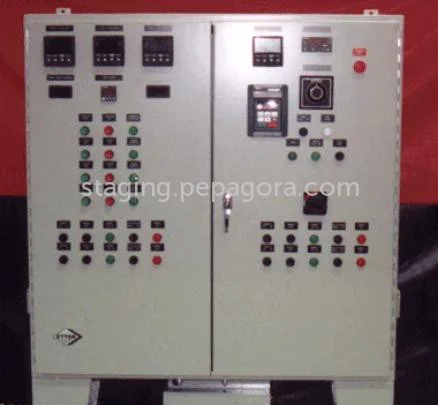
Chemical Process Control Panels
14 products available
𝗪𝗵𝗮𝘁 𝗮𝗿𝗲 𝗖𝗵𝗲𝗺𝗶𝗰𝗮𝗹 𝗣𝗿𝗼𝗰𝗲𝘀𝘀 𝗖𝗼𝗻𝘁𝗿𝗼𝗹 𝗣𝗮𝗻𝗲𝗹𝘀?
Chemical Process Control Panels are essential components in managing the complexities of industrial processes. These panels house various control devices that monitor and regulate chemical processes, ensuring efficiency, safety, and compliance with industry standards. They typically include instruments for measurement, control, and display, integrated into a single system that can be easily operated and maintained.
These panels are primarily used in industries such as chemical manufacturing, pharmaceuticals, and oil and gas. They help automate processes by controlling variables such as temperature, pressure, and flow rates. This automation leads to improved productivity, enhanced safety, and reduced operational costs. As industries increasingly adopt automation technologies, the relevance of chemical process control panels continues to grow, making them crucial for businesses looking to remain competitive in a rapidly evolving market.
𝗞𝗲𝘆 𝗙𝗲𝗮𝘁𝘂𝗿𝗲𝘀 𝗮𝗻𝗱 𝗦𝗽𝗲𝗰𝗶𝗳𝗶𝗰𝗮𝘁𝗶𝗼𝗻𝘀
Chemical Process Control Panels come equipped with a variety of features designed to enhance their functionality and efficiency. Understanding these features is critical for businesses seeking to optimize their operations.
Key specifications include:
1. Control Systems
- Designed for various types of chemical processes
- Can include PLC, DCS, or SCADA systems
2. Input/Output Capability
- Supports multiple I/O points for sensors and actuators
- Configurable to meet specific process requirements
3. User Interface
- Typically features touchscreens or graphical displays
- Provides real-time data visualization and analytics
4. Environmental Ratings
- Constructed to withstand specific environmental conditions
- IP ratings may vary based on application needs
5. Power Supply
- Operates on standard voltage ratings
- Options for redundancy to ensure continuous operation
6. Communication Protocols
- Supports various protocols like Modbus, Profibus, or Ethernet
- Enables integration with existing systems and networks
7. Safety Features
- Equipped with emergency shutoff mechanisms
- Compliance with safety standards to prevent hazards
8. Customization Options
- Panels can be tailored to specific requirements
- Options for additional monitoring and control features
These specifications highlight the versatility and adaptability of chemical process control panels in various industrial applications.
𝗖𝗼𝗺𝗺𝗼𝗻 𝗔𝗽𝗽𝗹𝗶𝗰𝗮𝘁𝗶𝗼𝗻𝘀 𝗮𝗻𝗱 𝗨𝘀𝗲 𝗖𝗮𝘀𝗲𝘀
Chemical Process Control Panels are utilized across a broad spectrum of industries, each with unique requirements and applications.
1. Chemical Manufacturing: These panels control reactions, mixing, and separation processes, ensuring that production runs smoothly and safely.
2. Pharmaceuticals: In this sector, panels monitor critical variables to maintain stringent quality control and compliance with regulatory standards.
3. Oil and Gas: They manage extraction and refining processes, providing robust controls to ensure operational efficiency and safety.
4. Food and Beverage: Panels are used to control fermentation, pasteurization, and other processes that require precise monitoring.
5. Water Treatment: They regulate chemical dosing and filtration processes, ensuring safe and clean water supply.
6. Plastics and Polymers: Control panels optimize processes such as extrusion and molding, enhancing product quality and consistency.
7. Pulp and Paper: They help manage chemical treatments and drying processes, improving efficiency and product quality.
𝗣𝗿𝗼𝗱𝘂𝗰𝘁 𝗩𝗮𝗿𝗶𝗮𝗻𝘁𝘀 𝗮𝗻𝗱 𝗦𝘂𝗯𝗰𝗮𝘁𝗲𝗴𝗼𝗿𝗶𝗲𝘀
Chemical Process Control Panels come in various designs and configurations to meet specific industry needs. While specific subcategories are not available, several common variants can be found in the market.
Compact Control Panels: These panels are designed for small spaces, combining essential functions in a streamlined format. They are ideal for smaller operations or specific applications within larger processes.
Modular Control Panels: These panels allow for easy expansion and customization. Users can add or remove modules based on changing process requirements.
Integrated Control Systems: These panels offer a complete solution that combines hardware and software for seamless operation and monitoring. They are suited for complex processes requiring high levels of integration.
𝗕𝗲𝗻𝗲𝗳𝗶𝘁𝘀 𝗮𝗻𝗱 𝗔𝗱𝘃𝗮𝗻𝘁𝗮𝗴𝗲𝘀
Investing in Chemical Process Control Panels offers numerous advantages for businesses seeking to enhance their operational efficiency.
Key benefits include:
1. Improved Efficiency: Automation reduces manual intervention, leading to more consistent and faster production cycles.
2. Enhanced Safety: Control panels incorporate safety mechanisms that prevent accidents and protect personnel.
3. Regulatory Compliance: These panels help businesses adhere to industry regulations, avoiding fines and ensuring product quality.
4. Cost Savings: By optimizing resource use and minimizing waste, companies can significantly reduce operational costs.
5. Real-time Monitoring: Advanced data visualization and analytics provide insights into process performance, enabling informed decision-making.
6. Scalability: Many control panels can be easily modified or expanded to accommodate growing business needs.
𝗕𝘂𝘆𝗶𝗻𝗴 𝗚𝘂𝗶𝗱𝗲 𝗳𝗼𝗿 𝗕𝟮𝗕 𝗕𝘂𝘆𝗲𝗿𝘀
When sourcing Chemical Process Control Panels, several key factors should be taken into account to ensure you make an informed decision.
1. Quality Assessment: Evaluate the quality of materials and components used in the panels. Look for certifications such as CE that indicate compliance with industry standards.
2. Supplier Verification: Research potential suppliers thoroughly. Check their reputation, customer reviews, and experience in the industry to ensure reliability.
3. Pricing and MOQ: Understand the pricing structure and minimum order quantities. Compare quotes to find a balance between cost and quality.
4. Delivery and Lead Times: Inquire about the lead times for delivery. Consider the supplier's ability to meet your timeline to avoid disruptions in your operations.
5. Compliance Requirements: Ensure that the panels meet all relevant regulatory and safety standards specific to your industry. This can prevent costly compliance issues in the future.
𝗖𝗼𝗺𝗽𝗹𝗶𝗮𝗻𝗰𝗲 𝗮𝗻𝗱 𝗖𝗲𝗿𝘁𝗶𝗳𝗶𝗰𝗮𝘁𝗶𝗼𝗻𝘀
Chemical Process Control Panels must adhere to stringent quality and safety standards to ensure reliable operation in industrial environments. Common standards include ISO 9001, which focuses on quality management systems, and HACCP, which is essential for food safety processes.
Certification such as CE indicates that the product meets European safety, health, and environmental protection standards. Compliance with these certifications is crucial for gaining customer trust and ensuring that the panels function safely and effectively.
In addition to these standards, testing requirements must be met to validate the performance and safety of the control panels. Regional compliance considerations may also apply, depending on the geographical market where the panels will be used.
𝗪𝗵𝘆 𝗦𝗼𝘂𝗿𝗰𝗲 𝗖𝗵𝗲𝗺𝗶𝗰𝗮𝗹 𝗣𝗿𝗼𝗰𝗲𝘀𝘀 𝗖𝗼𝗻𝘁𝗿𝗼𝗹 𝗣𝗮𝗻𝗲𝗹𝘀 𝗳𝗿𝗼𝗺 𝗣𝗲𝗽𝗮𝗴𝗼𝗿𝗮?
Pepagora provides a trusted platform for sourcing Chemical Process Control Panels, offering several key advantages that set it apart from competitors.
Verified Supplier Network: Pepagora connects buyers with a network of verified suppliers. Each supplier undergoes a thorough vetting process to ensure reliability and quality.
Streamlined RFQ Process: The platform simplifies the request for quotation process, allowing buyers to easily obtain competitive quotes from multiple suppliers.
Trade Assurance and Support: Buyers benefit from trade assurance measures that protect their investments. Pepagora offers support throughout the purchasing process to address any concerns.
Regional Coverage: With a wide reach across India, the GCC, and Southeast Asia, Pepagora is well-positioned to serve diverse markets, ensuring timely deliveries and localized support.
By choosing Pepagora, businesses can confidently source Chemical Process Control Panels that meet their specific needs while enjoying the benefits of a reliable and efficient procurement process.
Newly Added


Recently Added
Dot Control Systems
Industrial Pressure Switches For Automation HVAC Hydraulic Systems
Industrial Stainless Steel Pressure Gauges For High Durability
Industrial Thermowells Stainless Steel SS316L High Pressure Temperature
Baid Power Services Pvt. Ltd.
Industrial AC Line Reactors For VFDs And Motors Protection
Industrial 96x96 DC Ammeter For Energy Management And Power Control
Industrial DC Voltage Panel Meter 96x96 High Precision Monitoring
Sri Hari Industries
OEM Sheet Metal Fabrication Services For Metal Industry And Construction
Industrial Water Fabrication Services High Efficiency OEM Metal
Industrial Stainless Steel Handrail Fabrication High Efficiency Durable
Accrete Automation
Industrial Pressure Transmitters High Accuracy For Automation Processes
Atek Digital Readout Systems High Precision Lathe Milling Machine Encoders
Industrial Automation Wire Encoders For Linear Position Measurement
Contech Micro System
Engineering Education Premium Theory Of Machines Lab Equipment With Gyroscopes And Vibration Systems
Fluid Mechanics Lab Equipment For Engineering Education And Industrial R&D
Industrial Precision Toolmakers Microscope For Quality Control And Metrology
Dyna Tek
Industrial Diesel Engine Controllers For Power Generation And Marine
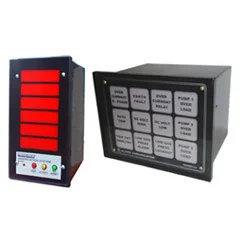
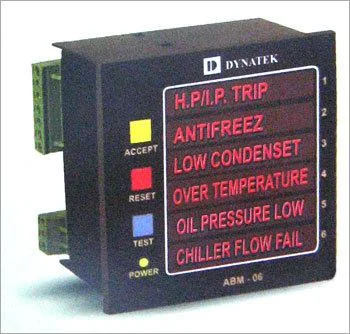
Industrial Safety Annunciator Units For Fault Monitoring And Alarms
Synchronized Digital Clocks For Business Time Accuracy And Integration
Automation Systems & Solution
Industrial Automation PS 7 Photoelectric Sensor 10 30V DC EZ BEAM
Industrial Safety Rope Pull Switches 6 100m Range 1M Operations
Industrial Safety Four Channel Fiber Optic Controller For Machine Guarding
Viketa Electronics
Industrial AC Drive Panels For Motor Control Energy Efficient
Industrial Synchronized AMF Panels For Automatic Mains Failure Backup
Industrial Automation PLC Control Panels for Process Control and Safety
Basra Electro Traders
Commercial Residential Water Heaters Premium Energy Efficient Reliable
Industrial Cartridge Heaters For Plates Dies Packaging Machinery
Industrial Cartridge Heaters For High Performance Heating In Machinery
Bhagyashri Enterprises
Industrial Automation Electric Control Panels For Process Control
Outdoor Panels: Durable, Weather Resistant, High Performance
Industrial Commercial Power Distribution Feeder Pillars Reliable Durable
Why Businesses Trust Pepagora
Thousands of companies trust Pepagora to source smarter and sell faster
Expand Your Sales Globally
25000+Products listed.Get discovered by global buyers
Tools to boost visibility
Build your own catalog

Source Smarter,Grow Faster
4000+Active RFQs
100+ Countries served
Easy Sourcing Tools
