
 IN
INundefined
Chelating Agents
4 products available
𝗪𝗵𝗮𝘁 𝗮𝗿𝗲 𝗖𝗵𝗲𝗹𝗮𝘁𝗶𝗻𝗴 𝗔𝗴𝗲𝗻𝘁𝘀?
Chelating agents are chemical compounds that form stable complexes with metal ions, effectively "grabbing" them and preventing them from participating in unwanted reactions. This property is particularly useful in various industrial and commercial applications, as it enhances the performance and stability of products by removing metal contaminants. Chelating agents can bind multiple metal ions simultaneously, making them versatile in their functionality.
In business applications, chelating agents play a crucial role in industries such as agriculture, pharmaceuticals, and water treatment. They are commonly used to improve the effectiveness of fertilizers, stabilize drugs, and remove heavy metals from wastewater. The relevance of chelating agents in today's market is considerable, given the increasing focus on environmental sustainability and regulatory compliance in manufacturing processes. Businesses are increasingly seeking efficient chelating solutions to meet their operational and environmental goals.
𝗞𝗲𝘆 𝗙𝗲𝗮𝘁𝘂𝗿𝗲𝘀 𝗮𝗻𝗱 𝗦𝗽𝗲𝗰𝗶𝗳𝗶𝗰𝗮𝘁𝗶𝗼𝗻𝘀
Chelating agents are characterized by several key features that define their performance and suitability for various applications. Understanding these specifications is essential for buyers when selecting the appropriate chelating agent for their needs.
Key specifications include:
1. Stability Constant
- Measures the strength of the chelate formed between the agent and metal ions
- Higher values indicate stronger binding and stability
2. Solubility
- Describes the ability of the chelating agent to dissolve in water or other solvents
- Important for applications in agriculture and pharmaceuticals
3. pH Range
- Specifies the effective pH range for optimal performance
- Different chelating agents have varying pH requirements for maximum efficacy
4. Molecular Weight
- Indicates the size of the chelating agent molecule
- Relevant for understanding dosage and application methods
5. Toxicity Levels
- Assesses the safety of the chelating agent for human and environmental exposure
- Regulatory compliance is crucial for safe applications
6. Compatibility with Other Chemicals
- Evaluates how the chelating agent interacts with other substances in formulations
- Important for ensuring product stability and effectiveness
7. Temperature Stability
- Defines the range of temperatures in which the chelating agent remains effective
- Critical for industrial processes involving heat
8. Shelf Life
- Indicates the duration for which the chelating agent maintains its effectiveness when stored properly
- Essential for inventory management and product turnover
In summary, selecting the right chelating agent involves understanding these key specifications to ensure compatibility and effectiveness in intended applications.
𝗖𝗼𝗺𝗺𝗼𝗻 𝗔𝗽𝗽𝗹𝗶𝗰𝗮𝘁𝗶𝗼𝗻𝘀 𝗮𝗻𝗱 𝗨𝘀𝗲 𝗖𝗮𝘀𝗲𝘀
Chelating agents have a wide range of applications across multiple industries, reflecting their versatility and importance in various processes.
1. Agriculture: Chelating agents are utilized in fertilizers to enhance nutrient availability to plants. They help in binding essential micronutrients, ensuring they are readily absorbed by crops.
2. Pharmaceuticals: In the pharmaceutical industry, chelating agents are used to stabilize drugs by removing trace metal impurities. This ensures higher efficacy and safety of medications.
3. Water Treatment: Chelating agents play a vital role in removing heavy metals and other contaminants from wastewater. They help in purifying water for both industrial and municipal use.
4. Food Industry: They are used as preservatives to inhibit oxidation processes in food products, enhancing shelf life and maintaining quality.
5. Textile Industry: Chelating agents aid in dyeing processes by improving color fixation and preventing metal ion interference, resulting in better quality textiles.
6. Cleaning Products: In household and industrial cleaners, chelating agents help to soften water and enhance the effectiveness of detergents by binding to metal ions that can interfere with cleaning.
7. Petrochemical Industry: They are used in refining processes to remove metal contaminants from fuels and lubricants, ensuring product purity and performance.
𝗣𝗿𝗼𝗱𝘂𝗰𝘁 𝗩𝗮𝗿𝗶𝗮𝗻𝘁𝘀 𝗮𝗻𝗱 𝗦𝘂𝗯𝗰𝗮𝘁𝗲𝗴𝗼𝗿𝗶𝗲𝘀
Chelating agents come in various forms, each tailored to meet specific requirements within different industries. This diversity allows businesses to choose products that best fit their operational needs.
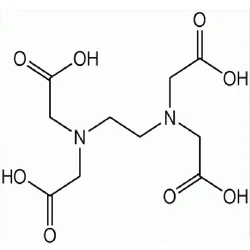
Variant 1: EDTA (Ethylenediaminetetraacetic Acid)
EDTA is widely used for its strong chelating ability with a variety of metal ions. It is commonly applied in agriculture, pharmaceuticals, and water treatment for its effectiveness in binding metals and enhancing product stability.
Variant 2: DTPA (Diethylenetriaminepentaacetic Acid)
DTPA is valued for its high stability and effectiveness in a broad pH range. It is primarily used in agriculture for micronutrient delivery and in wastewater treatment processes to remove heavy metals.
Variant 3: NTA (Nitrilotriacetic Acid)
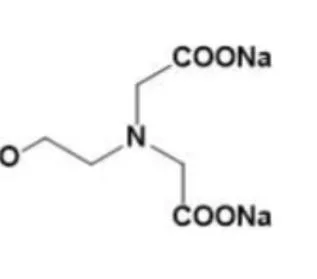
NTA is noted for its biodegradable properties, making it a preferred choice in environmentally conscious applications. It is commonly used in cleaning products and as a substitute for EDTA in certain formulations.
𝗕𝗲𝗻𝗲𝗳𝗶𝘁𝘀 𝗮𝗻𝗱 𝗔𝗱𝘃𝗮𝗻𝘁𝗮𝗴𝗲𝘀
Chelating agents offer numerous benefits that enhance their value in industrial applications.
1. Enhanced Product Stability: Chelating agents improve the stability of formulations by preventing the precipitation of metal ions, resulting in longer-lasting products.
2. Improved Efficacy: They increase the bioavailability of essential nutrients in agricultural products, leading to better crop yields and healthier plants.
3. Environmental Compliance: Many chelating agents are designed to meet regulatory standards, reducing the environmental impact of industrial processes.
4. Versatile Applications: Their ability to bind multiple metal ions makes chelating agents suitable for a wide range of industries, from agriculture to pharmaceuticals.
5. Cost-Effectiveness: By improving product efficiency and stability, chelating agents can lead to cost savings in manufacturing and application processes.
6. Safety: Many modern chelating agents are designed to be less toxic and more environmentally friendly, making them safer for use in sensitive applications.
𝗕𝘂𝘆𝗶𝗻𝗴 𝗚𝘂𝗶𝗱𝗲 𝗳𝗼𝗿 𝗕𝟮𝗕 𝗕𝘂𝘆𝗲𝗿𝘀
When sourcing chelating agents, buyers should consider several critical factors to ensure they select the right product for their needs.
1. Quality Assessment: Evaluate the quality of chelating agents based on industry standards and specifications. Look for certifications that demonstrate compliance with quality benchmarks.
2. Supplier Verification: Vet suppliers thoroughly to ensure they have a reliable track record and can provide high-quality products. Request references and check for industry certifications.
3. Pricing and MOQ: Understand the pricing structure and minimum order quantities (MOQ) required by suppliers. Compare costs across different suppliers to ensure competitive pricing.
4. Delivery and Lead Times: Inquire about lead times for delivery to ensure that your supply chain remains uninterrupted. Timely delivery is crucial for maintaining production schedules.
5. Compliance Requirements: Ensure that the chelating agents meet all relevant regulatory and safety standards. This includes understanding the implications of using certain agents in specific applications.
𝗖𝗼𝗺𝗽𝗹𝗶𝗮𝗻𝗰𝗲 𝗮𝗻𝗱 𝗖𝗲𝗿𝘁𝗶𝗳𝗶𝗰𝗮𝘁𝗶𝗼𝗻𝘀
Compliance with industry standards and certifications is vital for chelating agents to ensure safety and efficacy. Relevant quality standards include ISO 9001, which focuses on quality management systems, and HACCP, which addresses food safety. Additionally, chelating agents may need to comply with Good Distribution Practices (GDP) to ensure product integrity during transport.
Certifications such as CE signify that products meet European safety, health, and environmental protection standards. Buyers should also consider safety and testing requirements to verify that the chelating agents do not pose health risks. It is essential to be aware of regional compliance considerations, as regulations may vary significantly between different markets.
𝗪𝗵𝘆 𝗦𝗼𝘂𝗿𝗰𝗲 𝗖𝗵𝗲𝗹𝗮𝘁𝗶𝗻𝗴 𝗔𝗴𝗲𝗻𝘁𝘀 𝗳𝗿𝗼𝗺 𝗣𝗲𝗽𝗮𝗴𝗼𝗿𝗮?
Pepagora provides a trusted platform for sourcing chelating agents, offering several key advantages for B2B buyers.
Verified Supplier Network: Pepagora ensures a reliable supply chain by connecting buyers with pre-verified suppliers. This reduces the risk of sourcing low-quality products and enhances buyer confidence.
Streamlined RFQ Process: The request for quotation (RFQ) system simplifies the procurement process, allowing buyers to obtain competitive quotes from multiple suppliers quickly and efficiently.
Trade Assurance and Support: Pepagora offers trade assurance and support to protect buyers during transactions. This includes assistance with dispute resolution and ensuring compliance with agreed terms.
Regional Coverage: With a strong presence in India, the GCC, and Southeast Asia, Pepagora provides extensive geographic coverage. This allows buyers to access a wide range of chelating agents tailored to their specific regional needs.
Newly Added



Recently Added
Anurada Chemicals
Industrial Chloroform Solvent High Purity Pharmaceutical Refrigerant
Industrial Acetone Solvent High Purity Fast Evaporating Manufacturing
High Purity Benzyl Chloro Formate For Agrochemical And Pharmaceutical Synthesis
Bhanwarlal Jhanwar & Sons
Industrial Potassium Carbonate For Glass Soap Fertilizer Production
Industrial Hydrochloric Acid For Chemical Manufacturing And Water Treatment
Copper Sulphate Anhydrous Pentahydrate High Purity Agriculture Water Treatment
All India Drug Supply Co.
Ascorbic Acid Powder Antioxidant Vitamin C Supply
Industrial Barium Sulfate Powder High Purity BaSO4 For Paints Plastics
Industrial Benzyl Alcohol Solvent Preservative BP USP Grade
Why Businesses Trust Pepagora
Thousands of companies trust Pepagora to source smarter and sell faster
Expand Your Sales Globally
25000+Products listed.Get discovered by global buyers
Tools to boost visibility
Build your own catalog

Source Smarter,Grow Faster
4000+Active RFQs
100+ Countries served
Easy Sourcing Tools
