
 IN
INundefined
Chana Dal
2 products available
𝗪𝗵𝗮𝘁 𝗮𝗿𝗲 𝗖𝗵𝗮𝗻𝗮 𝗗𝗮𝗹?
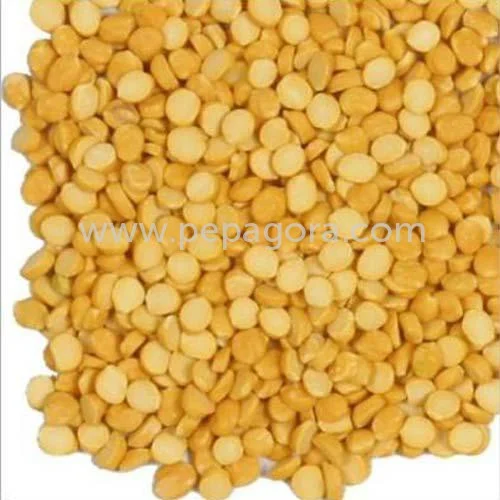
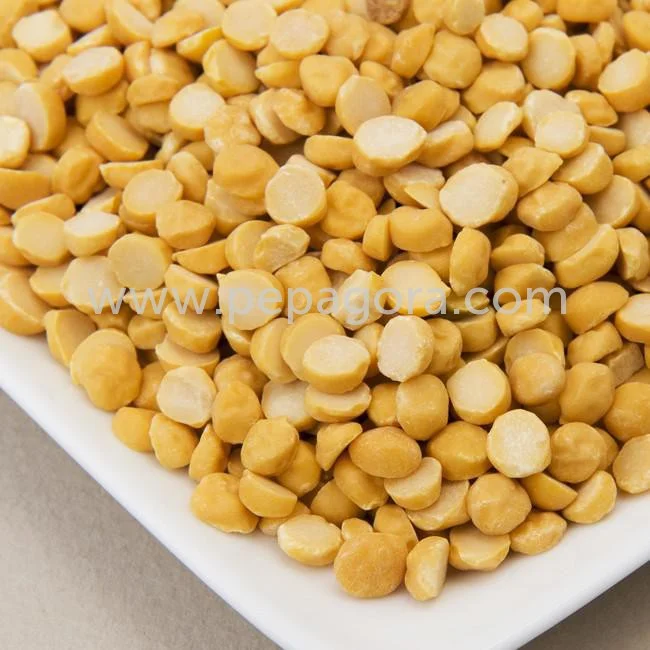
Chana Dal, also known as split chickpeas, is a popular legume in many Asian cuisines, particularly in Indian cooking. It is derived from the desi chickpea, which is hulled and split to create the yellow lentils. Chana Dal is known for its rich protein content and is often used as a staple ingredient in various dishes, from curries to soups. Its nutty flavor and firm texture make it a versatile addition to both vegetarian and non-vegetarian meals.
In the business context, Chana Dal is widely used in the food industry, particularly among manufacturers of snacks and ready-to-eat meals. Its high protein content makes it an attractive option for health-conscious consumers. Additionally, Chana Dal is a key ingredient in various traditional dishes, which keeps its demand steady across different markets. With the growing trend of plant-based diets and increasing awareness about healthy eating, the market for Chana Dal continues to expand, making it a relevant product for suppliers and manufacturers in the food industry.
𝗞𝗲𝘆 𝗙𝗲𝗮𝘁𝘂𝗿𝗲𝘀 𝗮𝗻𝗱 𝗦𝗽𝗲𝗰𝗶𝗳𝗶𝗰𝗮𝘁𝗶𝗼𝗻𝘀
Chana Dal is characterized by its unique properties that make it suitable for various applications in the food industry. Its nutritional profile, flavor, and cooking qualities are critical factors in its commercial value.
Key specifications include:
1. Nutritional Content
- High in protein, providing approximately 25 grams per 100 grams.
- Rich in dietary fiber, essential vitamins, and minerals.
2. Moisture Content
- Typically ranges from 10% to 12% to ensure optimal shelf life.
- Required to be monitored to prevent spoilage.
3. Color and Appearance
- Uniform yellow color with a firm texture.
- Free from foreign materials and discoloration.
4. Packaging
- Available in bulk packaging or retail packages.
- Must be sealed properly to maintain freshness.
5. Shelf Life
- Generally has a shelf life of 12 months when stored in a cool, dry place.
- Storage conditions can affect longevity.
6. Cooking Time
- Quick-cooking variety takes approximately 30-40 minutes to prepare.
- Pre-soaking may reduce cooking time.
7. Flavor Profile
- Distinct nutty flavor that enhances the taste of dishes.
- Versatile for both savory and sweet preparations.
8. Culinary Uses
- Commonly used in soups, curries, and as a base for snacks.
- Adaptable for various cooking methods including boiling, frying, and baking.
In summary, understanding the features and specifications of Chana Dal is essential for buyers to ensure they meet the necessary quality and performance standards for their applications.
𝗖𝗼𝗺𝗺𝗼𝗻 𝗔𝗽𝗽𝗹𝗶𝗰𝗮𝘁𝗶𝗼𝗻𝘀 𝗮𝗻𝗱 𝗨𝘀𝗲 𝗖𝗮𝘀𝗲𝘀
Chana Dal serves various industries, primarily in the food sector.
1. Food Manufacturing: Chana Dal is utilized in the production of snacks, protein bars, and ready-to-eat meals due to its high protein content and flavor.
2. Restaurant Industry: Many restaurants incorporate Chana Dal in their vegetarian dishes, offering nutritious options that cater to health-conscious diners.
3. Export Market: Countries importing Chana Dal often use it in traditional dishes, making it a valuable export product for agricultural producers.
4. Health Food Products: With the rise of plant-based diets, Chana Dal is increasingly featured in health food products such as vegan protein powders and gluten-free alternatives.
5. Animal Feed: In some cases, Chana Dal by-products are used in animal feed, providing a protein-rich option for livestock.
6. Culinary Education: Cooking schools and culinary institutions teach the use of Chana Dal in various cuisines, promoting its versatility.
7. Organic Food Market: Chana Dal is also available in organic varieties, appealing to consumers focused on organic diets.
𝗣𝗿𝗼𝗱𝘂𝗰𝘁 𝗩𝗮𝗿𝗶𝗮𝗻𝘁𝘀 𝗮𝗻𝗱 𝗦𝘂𝗯𝗰𝗮𝘁𝗲𝗴𝗼𝗿𝗶𝗲𝘀
Chana Dal offers a range of product variants to cater to different culinary needs and preferences.
Whole Chana Dal: This variant consists of unhulled chickpeas and retains more nutrients and fiber. It is commonly used in traditional dishes and is favored for its health benefits.
Split Chana Dal: This version is hulled and split, making it quicker to cook. It is ideal for soups and curries, providing a creamy texture upon cooking.
Roasted Chana Dal: Roasted versions are often used as snacks or garnishes, adding a crunchy element to dishes while enhancing flavor.
Organic Chana Dal: This variant is grown without synthetic fertilizers or pesticides, appealing to the health-conscious and environmentally aware consumers.
𝗕𝗲𝗻𝗲𝗳𝗶𝘁𝘀 𝗮𝗻𝗱 𝗔𝗱𝘃𝗮𝗻𝘁𝗮𝗴𝗲𝘀
Chana Dal provides several benefits that make it an attractive option for B2B buyers.
1. High Protein Content: Chana Dal is an excellent source of plant-based protein, making it ideal for health-focused food products.
2. Nutritional Value: Rich in fiber and essential nutrients, it contributes to a balanced diet and supports digestive health.
3. Versatile Ingredient: Its adaptability in various cuisines allows businesses to create diverse product offerings.
4. Cost-Effective: Compared to other protein sources, Chana Dal is often more affordable, making it an economical choice for manufacturers.
5. Long Shelf Life: Properly stored Chana Dal has a long shelf life, reducing waste and ensuring availability for manufacturers.
6. Sustainable Option: As a plant-based product, Chana Dal aligns with the increasing demand for sustainable food sources.
𝗕𝘂𝘆𝗶𝗻𝗴 𝗚𝘂𝗶𝗱𝗲 𝗳𝗼𝗿 𝗕𝟮𝗕 𝗕𝘂𝘆𝗲𝗿𝘀
When sourcing Chana Dal, consider the following factors to ensure quality and reliability.
1. Quality Assessment: Ensure that the Chana Dal meets industry standards for nutritional content and appearance. Conduct sample testing for flavor and cooking properties.
2. Supplier Verification: Vet potential suppliers by checking references, certifications, and compliance with food safety regulations. Look for reliable delivery and consistent product quality.
3. Pricing and MOQ: Understand the pricing structure and minimum order quantities (MOQ) to find a supplier that meets your budget and volume needs.
4. Delivery and Lead Times: Discuss logistics and lead times with suppliers to ensure timely delivery and avoid production delays.
5. Compliance Requirements: Ensure that the products meet necessary regulatory standards for food safety, including certifications such as CE and local compliance requirements.
𝗖𝗼𝗺𝗽𝗹𝗶𝗮𝗻𝗰𝗲 𝗮𝗻𝗱 𝗖𝗲𝗿𝘁𝗶𝗳𝗶𝗰𝗮𝘁𝗶𝗼𝗻𝘀
Compliance with quality standards is critical in the sourcing of Chana Dal. Key certifications include ISO 9001 for quality management systems, ensuring consistent product quality. HACCP (Hazard Analysis Critical Control Point) certifications are essential for food safety, outlining procedures to identify and control potential hazards.
CE certification may also apply, indicating that the product meets European health, safety, and environmental protection standards. In addition, suppliers should adhere to safety and testing requirements relevant to the food industry. Regional compliance considerations may vary, so it is important to understand local regulations for food products.
𝗪𝗵𝘆 𝗦𝗼𝘂𝗿𝗰𝗲 𝗖𝗵𝗮𝗻𝗮 𝗗𝗮𝗹 𝗳𝗿𝗼𝗺 𝗣𝗲𝗽𝗮𝗴𝗼𝗿𝗮?
Pepagora provides a trusted platform for sourcing Chana Dal, offering several key advantages to buyers.
Verified Supplier Network: Pepagora connects buyers with a network of verified suppliers, ensuring that you source high-quality Chana Dal from reputable providers. Each supplier is vetted for quality and compliance, giving you peace of mind.
Streamlined RFQ Process: The platform features an efficient Request for Quotation (RFQ) system that simplifies the sourcing process. Buyers can easily compare quotes from multiple suppliers, enabling informed purchasing decisions.
Trade Assurance and Support: Pepagora offers trade assurance and support, protecting buyers throughout the purchasing process. This includes assistance with negotiations and addressing any issues that may arise.
Regional Coverage: With a strong presence in India, the GCC, and Southeast Asia, Pepagora provides extensive regional coverage. This allows buyers to tap into local markets and benefit from competitive pricing while ensuring reliable supply chains.
Newly Added


Recently Added
Laxmi Protein Products Pvt Ltd
Premium Moong Dal For Buyers High Quality Reliable Supply
Organic Toor Dal Food Grade, Pesticide Free, Long Shelf Life
Premium Masoor Dal High Protein Food Grade Long Shelf Life
Sky Associates
Organic Black Chana Dal Dried Food Grade Long Shelf Life
Organic Kabuli Chana Dal Pure Hygienic Long Shelf Life
Organic Basmati Broken Rice 2% Admixture Long Shelf Life
Why Businesses Trust Pepagora
Thousands of companies trust Pepagora to source smarter and sell faster
Expand Your Sales Globally
25000+Products listed.Get discovered by global buyers
Tools to boost visibility
Build your own catalog

Source Smarter,Grow Faster
4000+Active RFQs
100+ Countries served
Easy Sourcing Tools
