
 IN
INundefined
Cement (OPC, PPC, White Cement)
6 products available
What are Cement (OPC, PPC, White Cement)?
Cement is a vital construction material used globally to bind various building materials together. It acts as a hydraulic binder that hardens when mixed with water. There are several types of cement, with Ordinary Portland Cement (OPC), Portland Pozzolana Cement (PPC), and White Cement being the most prominent. OPC is the most commonly used type due to its strength and versatility. PPC incorporates pozzolanic materials, enhancing durability and reducing permeability. White Cement, known for its aesthetic appeal, is primarily used for decorative works and architectural applications.
These types of cement find extensive applications in the construction sector. They are used in residential, commercial, and infrastructure projects, including buildings, roads, bridges, and dams. OPC is favored for its quick setting properties and high strength, making it ideal for structural applications. PPC is chosen for its improved resistance to chemical attacks, while White Cement is preferred for its aesthetic qualities in visible structures. The cement industry is a significant contributor to the global economy, with growing demand driven by urbanization and infrastructure development.
𝗞𝗲𝘆 𝗙𝗲𝗮𝘁𝘂𝗿𝗲𝘀 𝗮𝗻𝗱 𝗦𝗽𝗲𝗰𝗶𝗳𝗶𝗰𝗮𝘁𝗶𝗼𝗻𝘀
Cement products come with specific features and specifications that cater to different construction needs. Understanding these specifications is essential for selecting the right type of cement for various applications.
Key specifications include:
1. Compressive Strength
- OPC typically has a compressive strength of 33, 43, or 53 MPa.
- PPC generally exhibits a compressive strength of 33 MPa.
2. Setting Time
- Initial setting time for OPC is approximately 30 minutes.
- Final setting time ranges from 60 to 90 minutes.
3. Chemical Composition
- OPC contains higher amounts of C3S (tricalcium silicate) for strength.
- PPC includes pozzolanic materials, which improve durability.
4. Color
- OPC is generally gray.
- White Cement is characterized by its bright white color, ideal for aesthetic applications.
5. Workability
- OPC offers excellent workability for various applications.
- PPC may require additional admixtures to enhance workability due to its finer particles.
6. Shrinkage
- OPC has a higher shrinkage rate.
- PPC exhibits lower shrinkage, making it suitable for large structures.
7. Durability
- OPC is durable but susceptible to chemical attacks.
- PPC provides enhanced durability against aggressive environmental conditions.
8. Environmental Impact
- OPC production has a higher carbon footprint.
- PPC has a lower environmental impact due to the use of industrial by-products.
In summary, understanding the specifications of different cement types helps construction professionals make informed choices based on their project requirements.
𝗖𝗼𝗺𝗺𝗼𝗻 𝗔𝗽𝗽𝗹𝗶𝗰𝗮𝘁𝗶𝗼𝗻𝘀 𝗮𝗻𝗱 𝗨𝘀𝗲 𝗖𝗮𝘀𝗲𝘀
Cement serves various industries and applications, each benefiting from its unique properties.
1. Construction Industry: OPC is widely used for structural components such as beams, columns, and slabs due to its high strength and quick setting time.
2. Infrastructure Development: PPC is favored for roads, bridges, and dams, providing enhanced durability and resistance to environmental factors.
3. Precast Concrete: White Cement is utilized in precast concrete products, offering aesthetic appeal for decorative elements and architectural designs.
4. Residential Buildings: OPC is commonly used in residential construction for foundations, walls, and flooring, ensuring stability and strength.
5. Decorative Works: White Cement is ideal for artistic applications, such as sculptures and decorative facades, due to its bright finish.
6. Industrial Applications: PPC is suitable for industrial flooring and heavy-duty applications, providing longevity and performance under stress.
7. Repair and Rehabilitation: Cement is used in repair works for existing structures, ensuring compatibility and durability for long-lasting solutions.
𝗣𝗿𝗼𝗱𝘂𝗰𝘁 𝗩𝗮𝗿𝗶𝗮𝗻𝘁𝘀 𝗮𝗻𝗱 𝗦𝘂𝗯𝗰𝗮𝘁𝗲𝗴𝗼𝗿𝗶𝗲𝘀
Cement products are diverse and tailored to meet specific construction needs.
Ordinary Portland Cement (OPC): OPC is the most commonly used cement type. Its high compressive strength and fast setting time make it suitable for various structural applications, including residential and commercial buildings.
Portland Pozzolana Cement (PPC): PPC is designed to improve durability and reduce permeability. It is ideal for applications in aggressive environments, such as coastal areas, and is commonly used in infrastructure projects.
White Cement: This variant is distinguished by its bright white color, making it perfect for architectural and decorative applications. It is used in products like tiles, plaster, and precast concrete elements.
𝗕𝗲𝗻𝗲𝗳𝗶𝘁𝘀 𝗮𝗻𝗱 𝗔𝗱𝘃𝗮𝗻𝘁𝗮𝗴𝗲𝘀
Cement products offer numerous benefits that make them essential in construction.
1. Strength and Durability: Cement provides high compressive strength, contributing to the longevity of structures.
2. Versatility: Different types of cement cater to a wide range of applications, making them adaptable to various project needs.
3. Aesthetic Appeal: White Cement enhances the visual quality of structures, making it ideal for decorative applications.
4. Resistance to Environmental Factors: PPC offers improved resistance to chemicals and environmental stress, ensuring the longevity of structures.
5. Quick Setting Properties: OPC allows for faster construction timelines due to its rapid setting characteristics.
6. Cost-Effectiveness: Various cement types can meet different budget requirements, providing options for cost-sensitive projects.
𝗕𝘂𝘆𝗶𝗻𝗴 𝗚𝘂𝗶𝗱𝗲 𝗳𝗼𝗿 𝗕𝟮𝗕 𝗕𝘂𝘆𝗲𝗿𝘀
When sourcing Cement (OPC, PPC, White Cement), several factors need consideration to ensure the right choice for projects.
1. Quality Assessment: Ensure the cement meets industry standards and specifications. Look for tests on compressive strength, setting time, and durability.
2. Supplier Verification: Vet suppliers for their reputation, quality control processes, and compliance with industry certifications.
3. Pricing and MOQ: Assess the pricing structure and minimum order quantities to ensure they align with your project budget and needs.
4. Delivery and Lead Times: Discuss logistics with suppliers to understand delivery schedules and lead times to avoid project delays.
5. Compliance Requirements: Confirm that the cement adheres to local regulations and standards to ensure project safety and legality.
𝗖𝗼𝗺𝗽𝗹𝗶𝗮𝗻𝗰𝗲 𝗮𝗻𝗱 𝗖𝗲𝗿𝘁𝗶𝗳𝗶𝗰𝗮𝘁𝗶𝗼𝗻𝘀
Cement products are subject to various quality standards and certifications to ensure safety and reliability.
ISO 9001 is a globally recognized standard for quality management systems, ensuring that manufacturers maintain high-quality processes. Compliance with this standard indicates that the cement meets consistent quality benchmarks.
CE certification is essential for products marketed in Europe, indicating that the cement complies with European health, safety, and environmental protection standards.
Safety and testing requirements are crucial in cement production. Regular testing for compressive strength, setting time, and chemical composition is conducted to meet industry standards.
Regional compliance considerations may vary, so it is essential for businesses to understand local regulations that govern cement production and use. This ensures that their projects are compliant with local laws and regulations.
Why Source Cement (OPC, PPC, White Cement) from Pepagora?
Pepagora offers a trusted platform for sourcing Cement (OPC, PPC, White Cement), providing several key advantages.
Verified Supplier Network: Pepagora has established a network of verified suppliers who meet stringent quality standards. This ensures that buyers have access to reliable and high-quality cement products.
Streamlined RFQ Process: The platform provides a streamlined Request for Quotation (RFQ) system, making it easy for buyers to request quotes from multiple suppliers, compare prices, and make informed purchasing decisions.
Trade Assurance and Support: Pepagora offers trade assurance, protecting buyers from potential risks during transactions. This support fosters confidence in sourcing cement products through the platform.
Regional Coverage: With a strong presence in India, the GCC, and Southeast Asia, Pepagora ensures that buyers can access a wide range of cement products tailored to their regional needs. This geographic reach enhances the convenience of sourcing cement for various projects.
Newly Added



Recently Added
Mamodia Marketing
J.K. White Cement Premium High Purity For Construction Decorative
Premium Uniworld Velvet Plaster For Smooth Durable Interior Finishes
Premium Gypsum Plaster P.O.P for Ceilings and Walls Crack Free Finish
AB Industries
Premium Granite for Construction, Monuments, and Interior Design
Premium Construction Marbles For Buyers And Distributors
Premium Paving Blocks For Driveways Landscaping Commercial Projects
ACME Scientific International
Professional Abrasion Testing Machine for Material Durability Assessment
Concrete Testing Air Entrainment Meter 0.1m 150mm Aggregate
Bench Mounting Load Frame For Mechanical Testing In R&D And Quality Control
Astrox Cement Private Limited
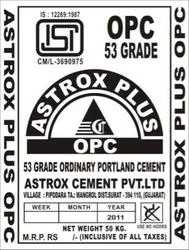
Astrox Premium PPC Slag Pozzolana OPC Cement For Construction
Premium Blast Furnace Cement for High Performance Construction
Premium Building Cement High Strength Construction Professional Grade
Brite Paint & Chemicals
Laundry Grade Ultramarine Blue Pigment For Detergent And Plastic Manufacturing
Premium Micronized Cement Colors For Construction And Industrial Use
Premium Micronized Cement Oxide Colors For Concrete And Coatings
brahma enterprises pvt Ltd
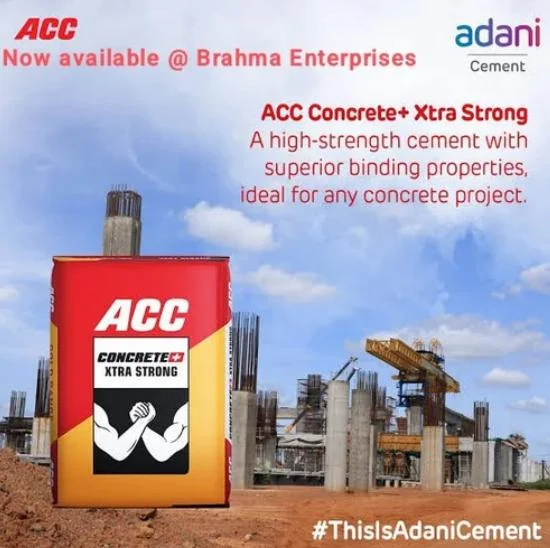
Dalmia DSP Dhalai Expert Cement for High Strength Construction
Ramco Supercrete Cement High Strength Durable Water Resistant Construction
Chettinad OPC 53 Grade Cement For High Strength Construction
Why Businesses Trust Pepagora
Thousands of companies trust Pepagora to source smarter and sell faster
Expand Your Sales Globally
25000+Products listed.Get discovered by global buyers
Tools to boost visibility
Build your own catalog

Source Smarter,Grow Faster
4000+Active RFQs
100+ Countries served
Easy Sourcing Tools
