
 IN
INundefined
Capsicum (Bell Peppers)
10 products available
What are Capsicum (Bell Peppers)?
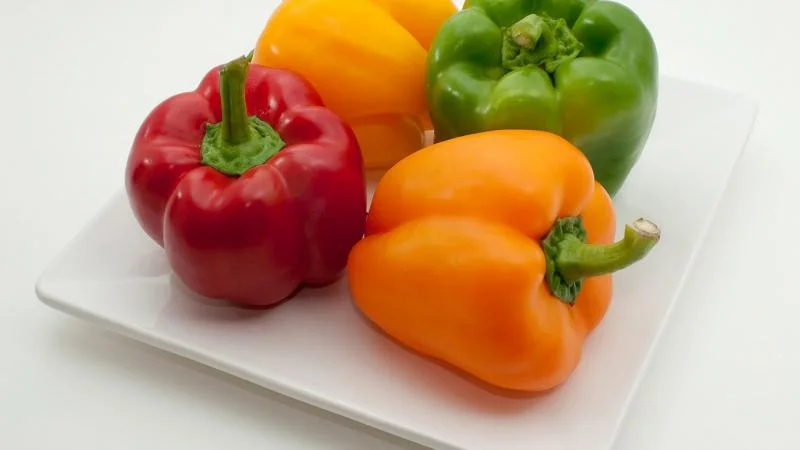
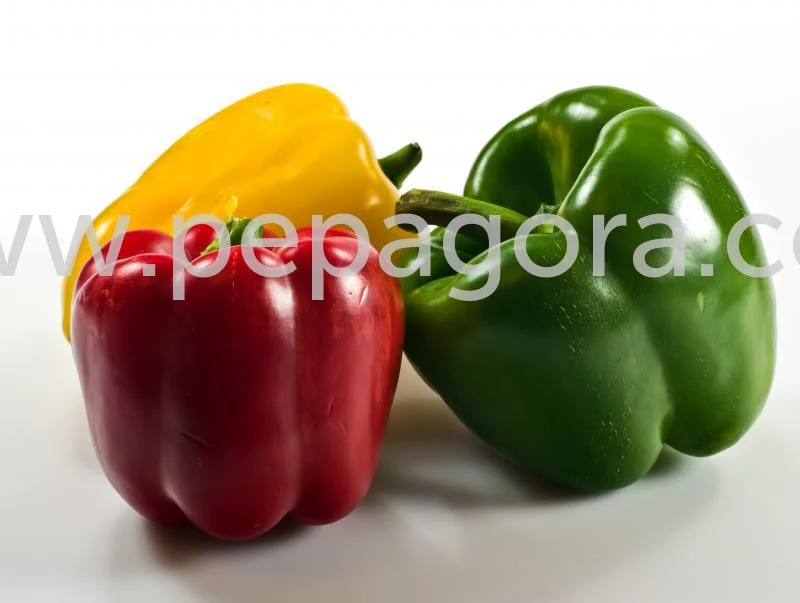
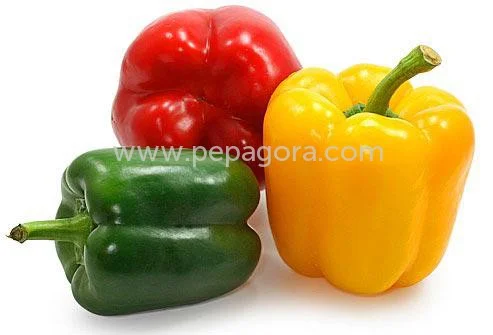
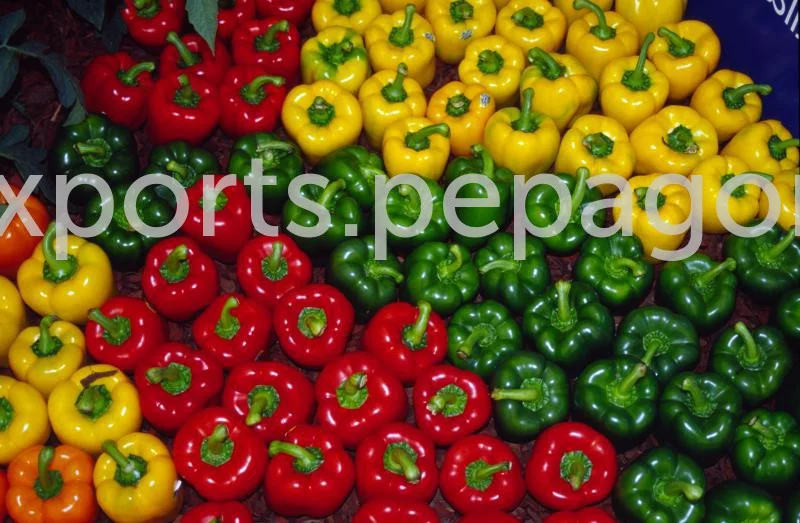
Capsicum, commonly known as bell peppers, are vibrant fruits belonging to the nightshade family. They are characterized by their sweet flavor and crunchy texture. Available in various colors such as green, red, yellow, and orange, bell peppers are cultivated for their culinary and nutritional benefits. Unlike their spicy counterparts, bell peppers contain no capsaicin, making them suitable for a broader audience.
In the business context, capsicum is widely used across the food industry. They are a staple in fresh produce markets, food processing, and culinary applications. Bell peppers are often included in salads, sauces, and cooked dishes due to their appealing taste and color. Additionally, they are rich in vitamins and antioxidants, boosting their popularity as a healthy ingredient in various products. The growing trend toward plant-based diets further enhances the demand for bell peppers in the market.
From an industry perspective, the global capsicum market is expanding, driven by rising health consciousness and the increasing popularity of fresh produce. The versatility of bell peppers makes them an essential component in various food sectors, including retail, food service, and manufacturing. As a result, sourcing high-quality capsicum is vital for businesses looking to fulfill consumer demands.
𝗞𝗲𝘆 𝗙𝗲𝗮𝘁𝘂𝗿𝗲𝘀 𝗮𝗻𝗱 𝗦𝗽𝗲𝗰𝗶𝗳𝗶𝗰𝗮𝘁𝗶𝗼𝗻𝘀
Capsicum (bell peppers) are known for their distinctive features that make them a popular choice in both culinary and industrial applications. Understanding these features is essential for businesses looking to incorporate them into their offerings.
Key specifications include:
1. Color Variety
- Available in green, red, yellow, and orange.
- Each color varies in taste and nutritional profile.
2. Size
- Typically range from 4 to 6 inches in length.
- Size can affect market pricing and consumer preference.
3. Shape
- Generally bell-shaped with a smooth skin.
- Shape consistency is important for packaging and presentation.
4. Nutritional Content
- Rich in vitamins A, C, and E.
- Low in calories, making them a healthy choice.
5. Shelf Life
- Fresh bell peppers can last 1 to 2 weeks under proper storage conditions.
- Storage conditions can significantly impact quality and longevity.
6. Harvesting Season
- Typically harvested in late summer to fall.
- Seasonal availability can influence pricing and supply.
7. Packaging
- Commonly packaged in bulk or retail-ready formats.
- Packaging must ensure protection during transport and storage.
8. Compliance Standards
- Adherence to food safety regulations.
- Certifications such as CE may apply depending on the market.
In summary, understanding the key features and specifications of capsicum is crucial for businesses to effectively source and utilize these products.
𝗖𝗼𝗺𝗺𝗼𝗻 𝗔𝗽𝗽𝗹𝗶𝗰𝗮𝘁𝗶𝗼𝗻𝘀 𝗮𝗻𝗱 𝗨𝘀𝗲 𝗖𝗮𝘀𝗲𝘀
Capsicum (bell peppers) find extensive applications across various industries, showcasing their versatility and importance.
1. Food Industry: Bell peppers are commonly used in salads, stir-fries, and as toppings for pizzas and sandwiches. Their vibrant colors enhance visual appeal in dishes.
2. Food Processing: Used as key ingredients in sauces, salsas, and frozen meals. Their flavor and nutritional benefits are harnessed in many processed products.
3. Catering and Food Service: Bell peppers are popular in buffet presentations and catering menus, often used as garnishes or in mixed vegetable platters.
4. Nutraceuticals: Due to their high vitamin content, bell peppers are included in dietary supplements and health foods targeting wellness-oriented consumers.
5. Agriculture: Capsicum is also grown for its seeds, which can be used in breeding programs or sold to other growers.
6. Culinary Education: Used in cooking classes and culinary programs to teach flavor profiles and food preparation techniques.
7. Export Markets: Bell peppers are a significant export product for many countries, contributing to agricultural economies.
𝗣𝗿𝗼𝗱𝘂𝗰𝘁 𝗩𝗮𝗿𝗶𝗮𝗻𝘁𝘀 𝗮𝗻𝗱 𝗦𝘂𝗯𝗰𝗮𝘁𝗲𝗴𝗼𝗿𝗶𝗲𝘀
Capsicum (bell peppers) come in various forms and types, catering to different market needs.
Green Bell Peppers: These are harvested before they fully ripen. They have a slightly bitter taste compared to their colorful counterparts and are often used in salads and cooking for their robust flavor.
Red Bell Peppers: Fully ripened bell peppers, red varieties are sweeter and contain more nutrients. They are popular in fresh dishes and as a healthy snack.
Yellow and Orange Bell Peppers: These variants offer a balance between the bitterness of green and the sweetness of red. They add color and flavor to a variety of dishes, making them ideal for culinary applications.
𝗕𝗲𝗻𝗲𝗳𝗶𝘁𝘀 𝗮𝗻𝗱 𝗔𝗱𝘃𝗮𝗻𝘁𝗮𝗴𝗲𝘀
Sourcing Capsicum (bell peppers) comes with numerous benefits that can enhance product offerings.
1. Nutritional Value: Bell peppers are packed with vitamins and antioxidants, promoting health and wellness. They are low in calories, making them an attractive option for health-conscious consumers.
2. Versatility: Their diverse applications across food service and processing industries make bell peppers a staple ingredient, ensuring steady demand.
3. Aesthetic Appeal: The vibrant colors of bell peppers enhance dish presentation, making them a popular choice for chefs and food manufacturers alike.
4. Market Demand: As consumer preferences shift toward fresh produce and healthy eating, bell peppers remain in high demand, providing growth opportunities for businesses.
5. Ease of Preparation: Bell peppers require minimal preparation, making them convenient for both home cooks and food service operations.
6. Sustainability: Capsicum is often cultivated using sustainable farming practices, appealing to environmentally conscious buyers.
𝗕𝘂𝘆𝗶𝗻𝗴 𝗚𝘂𝗶𝗱𝗲 𝗳𝗼𝗿 𝗕𝟮𝗕 𝗕𝘂𝘆𝗲𝗿𝘀
When sourcing Capsicum (bell peppers), several important factors should be considered to ensure quality and reliability.
1. Quality Assessment: Look for firm, unblemished bell peppers with vibrant colors. Assessing freshness and ripeness is crucial for quality control.
2. Supplier Verification: It is essential to vet suppliers for reliability and compliance with food safety standards. This can include checking references and certifications.
3. Pricing and MOQ: Understand the pricing structure and minimum order quantities. This will help in budgeting and planning inventory needs.
4. Delivery and Lead Times: Inquire about logistics, including delivery schedules and lead times. Timely delivery is critical to maintaining supply chains.
5. Compliance Requirements: Ensure that suppliers comply with local and international food safety regulations. This includes understanding any specific certifications needed for your market.
𝗖𝗼𝗺𝗽𝗹𝗶𝗮𝗻𝗰𝗲 𝗮𝗻𝗱 𝗖𝗲𝗿𝘁𝗶𝗳𝗶𝗰𝗮𝘁𝗶𝗼𝗻𝘀
Compliance and certifications are vital for ensuring the safety and quality of Capsicum (bell peppers).
Relevant quality standards such as ISO 9001 and HACCP are crucial for maintaining quality control in the production and handling of food products. These standards ensure that products meet specific quality benchmarks and are safe for consumption.
Industry certifications, including CE marking, may apply depending on the market and region. This certification indicates compliance with European health, safety, and environmental protection standards.
Additionally, safety and testing requirements must be adhered to, ensuring that all products are free from harmful substances and contaminants. Regular testing can help maintain compliance and ensure product integrity.
Regional compliance considerations should also be taken into account, as different countries have varying regulations regarding food safety and quality standards.
Why Source Capsicum (Bell Peppers) from Pepagora?
Pepagora stands out as a trusted platform for sourcing Capsicum (bell peppers), offering several advantages for B2B buyers.
Verified Supplier Network: Pepagora connects buyers with a network of verified suppliers, ensuring that all products meet high standards of quality and safety. This verification process helps mitigate risks associated with sourcing.
Streamlined RFQ Process: The platform simplifies the request for quotation (RFQ) process, allowing buyers to easily compare options and make informed purchasing decisions. This efficiency saves time and resources.
Trade Assurance and Support: Pepagora provides trade assurance, protecting buyers from potential issues during transactions. Support services are also available to assist with any inquiries or challenges that may arise.
Regional Coverage: With a broad geographic reach, including India, the GCC, and Southeast Asia, Pepagora facilitates access to a diverse range of suppliers and products. This regional coverage helps buyers find the best options tailored to their market needs.
Newly Added



Recently Added
Bhuvani Exports
Premium Fresh Drumsticks Export Quality For Supply
Fresh Organic Okra Exporters For EU UK Markets
Premium Mini Roses Fresh Multiple Colors Wholesale Singapore Malaysia Middle East
Vayalfresh Global Traders
Organic Fresh Purple Onions Medium Size 5Kg Box
Fresh Agriculture Grade Red Tomatoes In 5Kg Box Packaging
Fresh Lemons Agriculture Grade 5Kg Box Sour Citrus Fruit
AKM Vegetable
Organic Fresh Carrots Hygienically Processed Rich In Vitamins
Organic Fresh Tomatoes For Food Service And Manufacturing
Organic Fresh Young Ginger Root Clean, No Pest, High Iron & Protein
Arambaghs Nursery
Premium Adenium Double Triple Plants For Landscaping Nurseries
Industrial And Commercial Durable Solutions For Buyers
Premium Aloe Vera For Cosmetics Pharmaceuticals Wellness
Alaya Exports
Organic Fresh Taro Root 100% Mature High Potassium Vitamin C
Organic Fresh Snake Gourd High Moisture Calcium Phosphorous
Fresh Green Chillies for Food Processing High Vitamin C, Low Fat
Tamil Exports
Bulk Organic Potatoes Fresh Hygienic High Grade
Organic Fresh Sliced Carrots Hygienical Processed Long Shelf Life
Bulk Organic Fresh Young Ginger Root For Health And Food Processing
Vel Exports
Organic Fresh Small Cucumbers Non Peeled Green Fully Mature
Premium Organic Fresh Tomatoes Rich Flavor Long Shelf Life
Premium Organic Fresh Young Ginger Root For Food Beverage Health
Virdhara International
Organic Cumin Seeds 99.85% Purity USFDA Guaranteed Food Grade
Europe Quality Cumin Seeds Machine Cleaned 99.85% Purity Food Grade
Organic Turmeric Powder Food Medicine Grade Pure Hygienic
Global Traders
Premium Organic Potatoes For Export Food Manufacturing
Premium Export Tomatoes Long Shelf Life Rich Flavor Supply
Organic Purple Brinjals Fresh Vegetables Long Shelf Life
A To Z Enterprises
Premium Bottle Gourds Rich In Minerals Iron Protein
Premium Green Brinjals for Culinary and Health Applications
Premium Cauliflower Supply For Food Service And Retail
Why Businesses Trust Pepagora
Thousands of companies trust Pepagora to source smarter and sell faster
Expand Your Sales Globally
25000+Products listed.Get discovered by global buyers
Tools to boost visibility
Build your own catalog

Source Smarter,Grow Faster
4000+Active RFQs
100+ Countries served
Easy Sourcing Tools
